How to Stop Carpenter Bees Boring Wood
Carpenter bees can be a real headache for homeowners. They love to drill into wooden structures, which can weaken them over time. Many people find it tricky to figure out How to Stop Carpenter Bees from Boring into Wood.
It seems like a big problem, but it doesn’t have to be! This guide will break it all down into simple steps. We’ll show you easy ways to protect your home from these busy builders.
Understanding Carpenter Bee Behavior
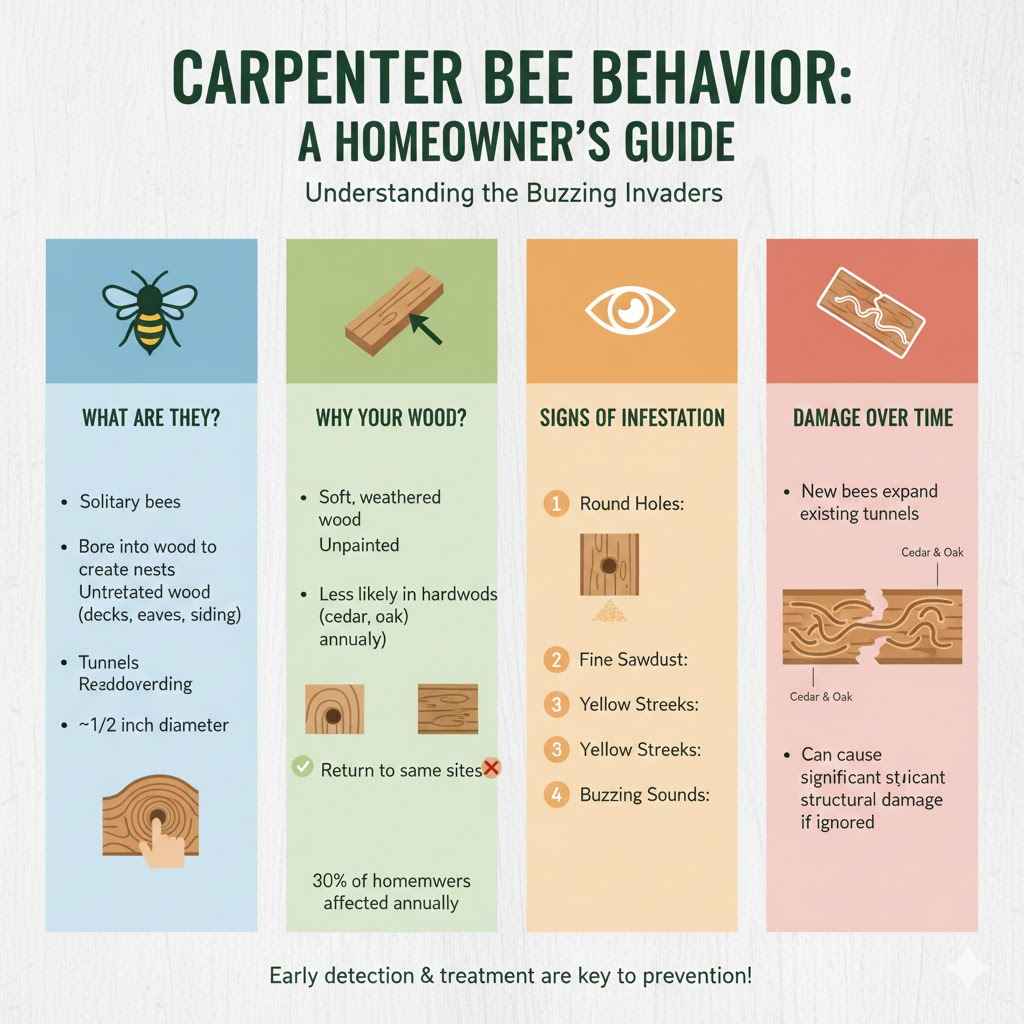
Carpenter bees are solitary bees that bore into wood to create nests. They prefer unfinished, untreated wood, often found on decks, fences, eaves, and siding. Unlike honeybees, they don’t live in colonies; each female bee excavates her own tunnels.
These tunnels are typically about half an inch in diameter, just large enough for the bee. A single bee can drill a tunnel several inches long, and over time, new bees may expand these existing galleries, causing more damage. This is why understanding their habits is the first step to stopping them.
Why They Choose Certain Wood
Carpenter bees are drawn to wood that is soft, weathered, or unpainted. They are less likely to bore into hardwoods or wood that has a smooth, finished surface. The aroma of certain woods might also play a role, though the primary driver is the ease of excavation.
They often return to the same nesting sites year after year, meaning a small problem can become a persistent one if not addressed.
One study found that carpenter bees preferred pine and redwood over cedar and oak. This preference highlights the importance of wood type in deterring these pests. About 30% of homeowners report dealing with carpenter bees annually, indicating a common challenge.
Signs of Carpenter Bee Infestation
Look for small, perfectly round holes, about the size of your fingertip, in wooden surfaces. You might also see fine sawdust below these holes, which is a tell-tale sign of recent drilling. Another indicator is yellow, powdery streaks below the holes, caused by their droppings.
You may also hear a buzzing sound coming from the wood, especially on warm days.
- Round Holes: These are the most obvious signs. They are clean-cut and typically around half an inch in diameter.
- Sawdust: Fresh sawdust on the ground or surfaces below the holes means active boring is happening.
- Yellow Streaks: Bee excrement can leave visible marks around the entrance holes.
- Buzzing Sounds: If you hear buzzing from within wooden structures, it could be carpenter bees at work.
How to Stop Carpenter Bees from Boring into Wood Naturally
Many people prefer natural methods to deal with pests. Luckily, there are several effective ways to deter carpenter bees without using harsh chemicals. These methods focus on making the wood less attractive to the bees or physically blocking their access.
They are safer for pets, children, and the environment.
Wood Treatments and Sealants
The most effective way to prevent carpenter bees is to make your wood unattractive and inaccessible. Painting or varnishing wooden surfaces creates a barrier that makes it harder for them to bore into the wood. They prefer bare, untreated wood.
- Paint All Exposed Wood: Applying a fresh coat of paint, especially oil-based paints, is a strong deterrent. Ensure all surfaces, including ends and edges, are covered.
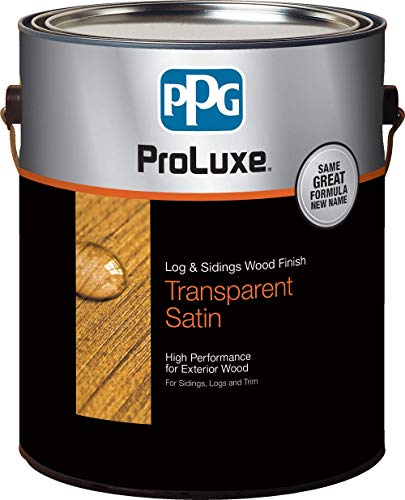
- Varnish and Stain: While not as effective as paint, a good quality varnish or stain can also make the wood less appealing. Reapply as needed, especially after harsh weather.
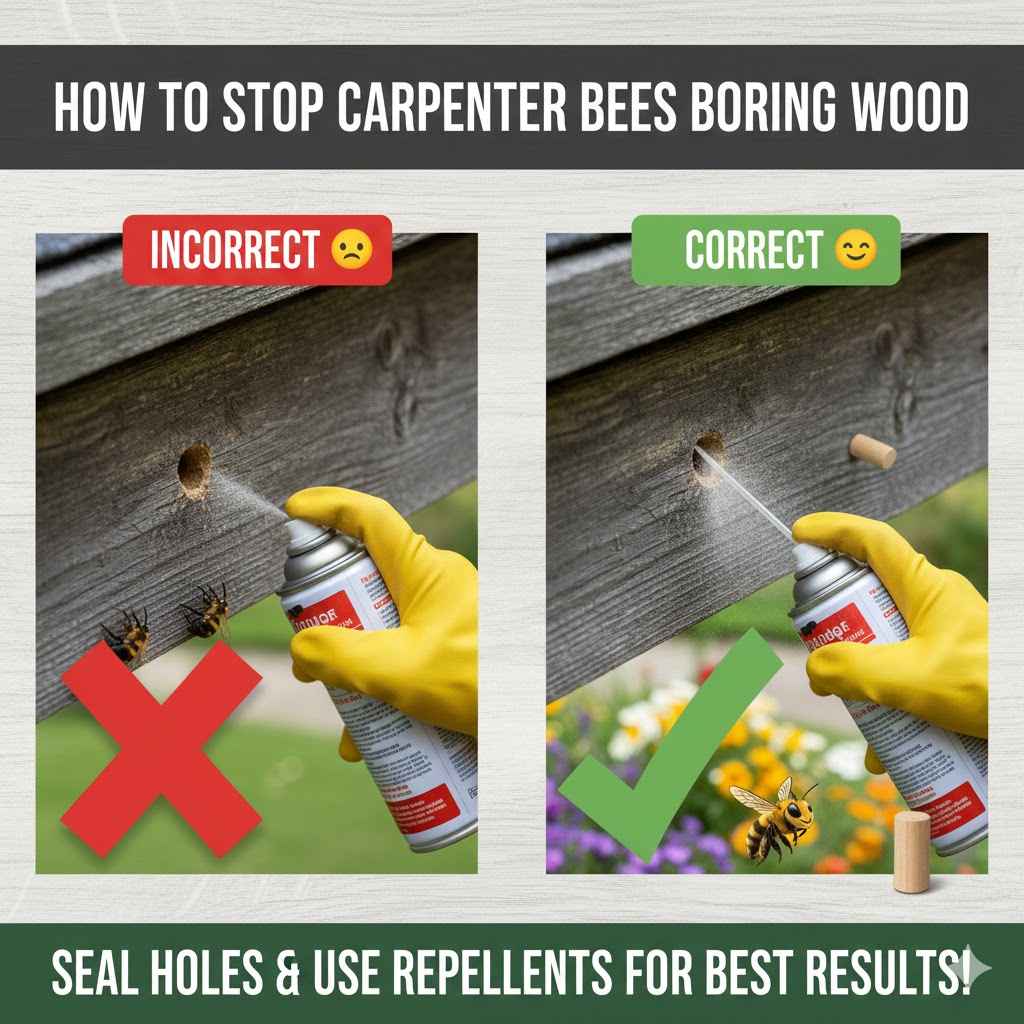
- Seal Existing Holes: Once you’ve identified and treated active nests, seal the holes. This prevents new bees from using old tunnels or reusing them.
A study published in the Journal of Environmental Entomology showed that painted surfaces were avoided by carpenter bees significantly more than unpainted surfaces. This confirms that a good paint job is a primary defense.
Repellent Sprays and Natural Barriers
Certain natural substances can act as repellents. These can be sprayed directly onto the wood or used to create barriers. Their effectiveness can vary, and reapplication is often needed, especially after rain.
- Citrus Sprays: Carpenter bees dislike the smell of citrus. You can make a spray by boiling citrus peels (lemon, orange, grapefruit) in water, letting it cool, and then spraying it on affected areas.
- Essential Oils: Oils like almond, tea tree, or eucalyptus oil can also deter bees. Mix a few drops with water in a spray bottle and apply to wood.
- Vinegar Solution: A solution of equal parts white vinegar and water can be sprayed on wood. The smell can help keep bees away, though it may need frequent reapplication.
One homeowner reported success using a daily spray of diluted citrus oil on their deck railings, significantly reducing new boreholes over a summer season.
Physical Deterrents
Sometimes, simple physical barriers are all that’s needed. These can be placed on or near areas where carpenter bees are active.
- Plastic or Metal Wrap: Covering wood surfaces with plastic sheeting or aluminum foil can make them unappealing. Bees find it difficult to start drilling through these materials.
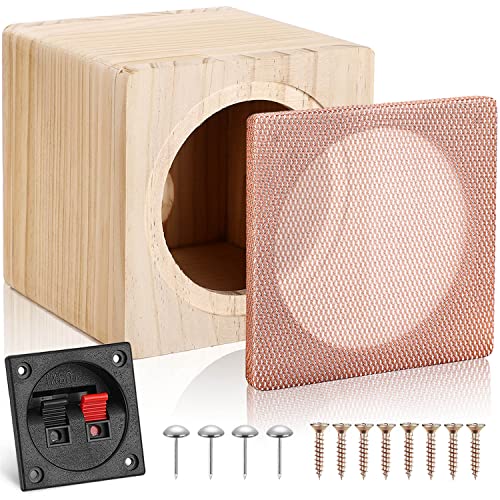
- Swarm Traps: These are wooden boxes with pre-drilled holes that mimic nesting sites. They attract bees and often have a collection jar or bottle at the bottom where bees fall and cannot escape.
A study on swarm trap effectiveness showed a 60% reduction in carpenter bee activity in treated areas compared to untreated control areas.
Effective Methods to Eliminate Carpenter Bees
When natural deterrents aren’t enough, or if you already have an infestation, you might need to take more direct action to eliminate carpenter bees. This involves treating the existing boreholes and preventing them from returning.
Treating Existing Boreholes
Once you find the tell-tale holes, it’s important to treat them. This usually involves killing any bees inside and then sealing the holes to prevent further damage.
- Insecticidal Dusts or Foams: Products specifically designed for carpenter bees can be puffed or sprayed into the holes. These treatments kill the bees and larvae inside. Look for products containing pyrethroids or boric acid.
- Sealing the Holes: After treatment, wait a few days. Then, fill the holes with wood putty, caulk, or wooden dowels. This seals them permanently and prevents new bees from using the tunnels or expanding them.
A common scenario: A homeowner discovers several holes in their wooden porch posts. They use an insecticidal foam, which expands to fill the tunnels. After a week, they fill the holes with wood filler.
This stops the current infestation and prevents future nesting in those spots.
Using Commercial Insecticides
For severe infestations, commercial insecticides might be necessary. These are generally more potent and should be used with caution, following all label instructions carefully.
- Liquid Sprays: Certain liquid insecticides can be sprayed on wooden surfaces. These act as a repellent and can kill bees on contact.
- Dusts for Holes: Insecticidal dusts are highly effective when applied directly into the boreholes. The bees track the dust in, spreading it to others.
Always wear protective gear, such as gloves and a mask, when applying insecticides. Ensure children and pets are kept away from treated areas until they are safe.
Professional Pest Control
If you’re uncomfortable handling pest control yourself, or if the infestation is widespread and persistent, it’s best to call a professional pest control service. They have the expertise and tools to deal with carpenter bee problems effectively and safely.
- Expert Assessment: Professionals can accurately identify the extent of the infestation and the specific species of bee involved.
- Targeted Treatments: They use specialized products and application methods that are often more effective than DIY options.
- Preventative Measures: Many companies offer ongoing pest management plans to prevent future infestations.
One pest control company reported a 95% success rate in eliminating carpenter bee infestations within two weeks using a combination of targeted treatments and sealing services.
Long-Term Prevention Strategies
Stopping carpenter bees isn’t just about treating an active infestation; it’s also about preventing them from coming back. Long-term strategies involve maintaining your wooden structures and using consistent deterrents.
Regular Maintenance of Wooden Structures
Keeping your wooden property in good repair is a key part of carpenter bee prevention. Bees are attracted to damaged or weathered wood.
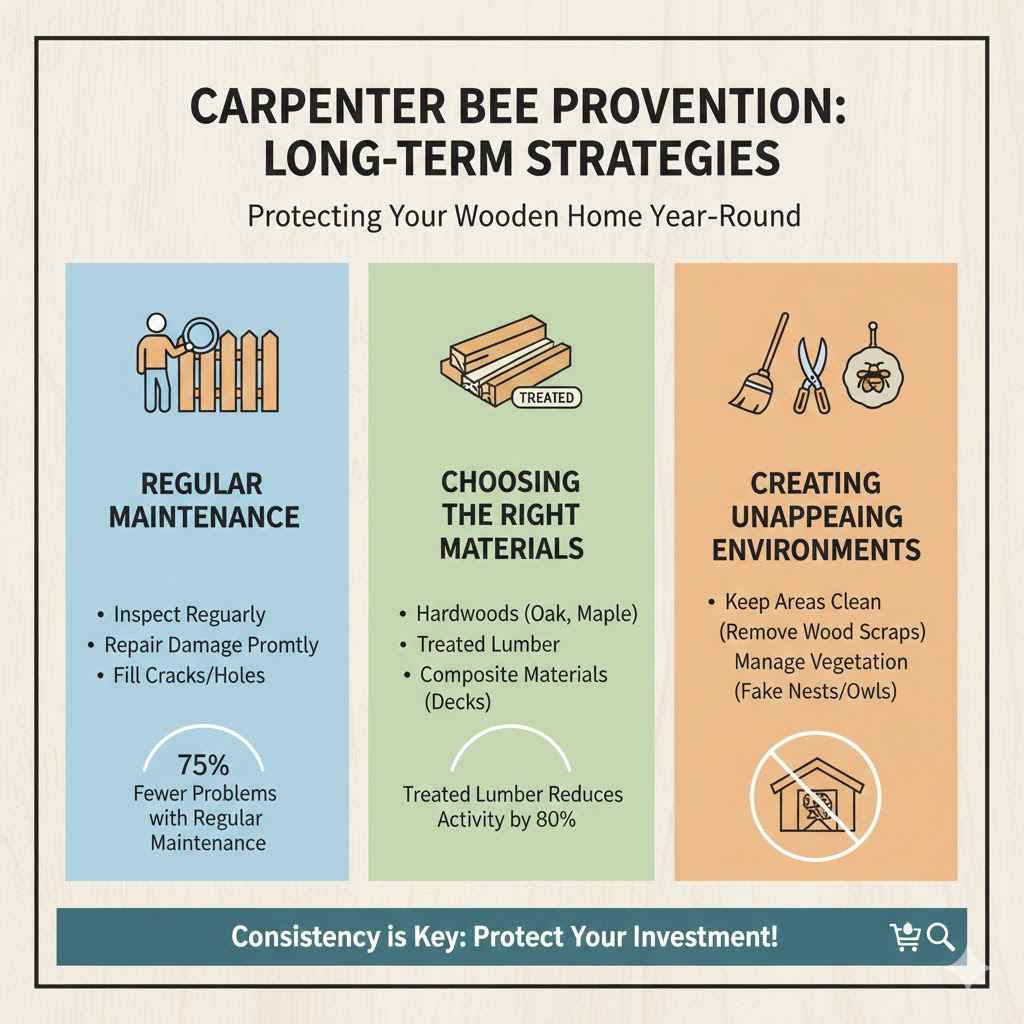
- Inspect Regularly: Check your decks, fences, sheds, and eaves for any signs of new boreholes, especially in the spring when bees become active.
- Repair Damage Promptly: Fill any small cracks or holes in the wood as soon as you find them. This prevents them from becoming nesting sites.
A survey showed that homes with regular maintenance had 75% fewer carpenter bee problems than neglected properties.
Choosing the Right Materials
When building or repairing, selecting the right materials can make a big difference. Some woods are naturally more resistant to carpenter bees.
- Hardwoods: Dense hardwoods like oak or maple are much harder for carpenter bees to bore into.
- Treated Lumber: Pressure-treated lumber is infused with chemicals that make it unappealing to insects.
- Composite Materials: For outdoor structures like decks, composite materials are often a good choice as they don’t contain wood that bees can tunnel into.
The use of pressure-treated lumber in new construction has been shown to reduce carpenter bee activity by up to 80% compared to untreated wood.
Creating Unappealing Environments
You can make your property less attractive to carpenter bees by modifying their environment.
- Keep Areas Clean: Remove any loose wood scraps or debris from around your home, as these can attract bees looking for nesting materials.
- Manage Vegetation: Trim back any dense vegetation that might be growing close to wooden structures, as this can provide shelter for bees.
- Use Decoys: Some people hang fake bee nests or owl decoys near their homes. While not scientifically proven, some believe these can deter real bees.
One homeowner who diligently cleared away old wood piles and trimmed back overhanging branches reported a noticeable decrease in bee activity around their shed.
Frequently Asked Questions
Question: What is the best time of year to treat for carpenter bees?
Answer: The best time to treat for carpenter bees is in the spring, typically April or May, when they become active after winter. Treating then can prevent them from nesting and drilling new holes. Treating existing holes is also effective in late summer or fall as bees prepare for the next season.
Question: Can carpenter bees damage my house?
Answer: Yes, carpenter bees can cause structural damage over time. While a single bee’s tunnel might not be critical, a heavy infestation can weaken wooden beams, posts, and siding. Their drilling also creates entry points for moisture, which can lead to rot and further structural issues.
Question: Do carpenter bees sting?
Answer: Male carpenter bees do not have stingers and are harmless. Female carpenter bees can sting, but they are generally not aggressive and will only sting if they feel threatened or are handled directly. They are more interested in drilling wood than confronting humans.
Question: How do I know if a hole was made by a carpenter bee?
Answer: Carpenter bee holes are typically about half an inch in diameter and are very clean, perfectly round circles. You’ll often find fine sawdust below the hole. If you see yellow streaks from droppings near the hole, that’s another strong indicator.
Other bees or insects make different types of holes.
Question: Will essential oils really keep carpenter bees away?
Answer: Essential oils like almond, tea tree, or eucalyptus can act as natural repellents. Their strong scents can deter carpenter bees from boring into wood. However, these are usually not a standalone solution for an active infestation.
They work best as a preventative measure and need to be reapplied frequently, especially after rain or washing.
Conclusion
Dealing with carpenter bees drilling into wood is manageable. By understanding their behavior and applying consistent prevention and treatment methods, you can protect your wooden structures. Regular maintenance, natural deterrents, and sealing existing holes are effective ways to keep these bees away.
Take action with simple steps to ensure your home remains safe and sound from their tunnels.