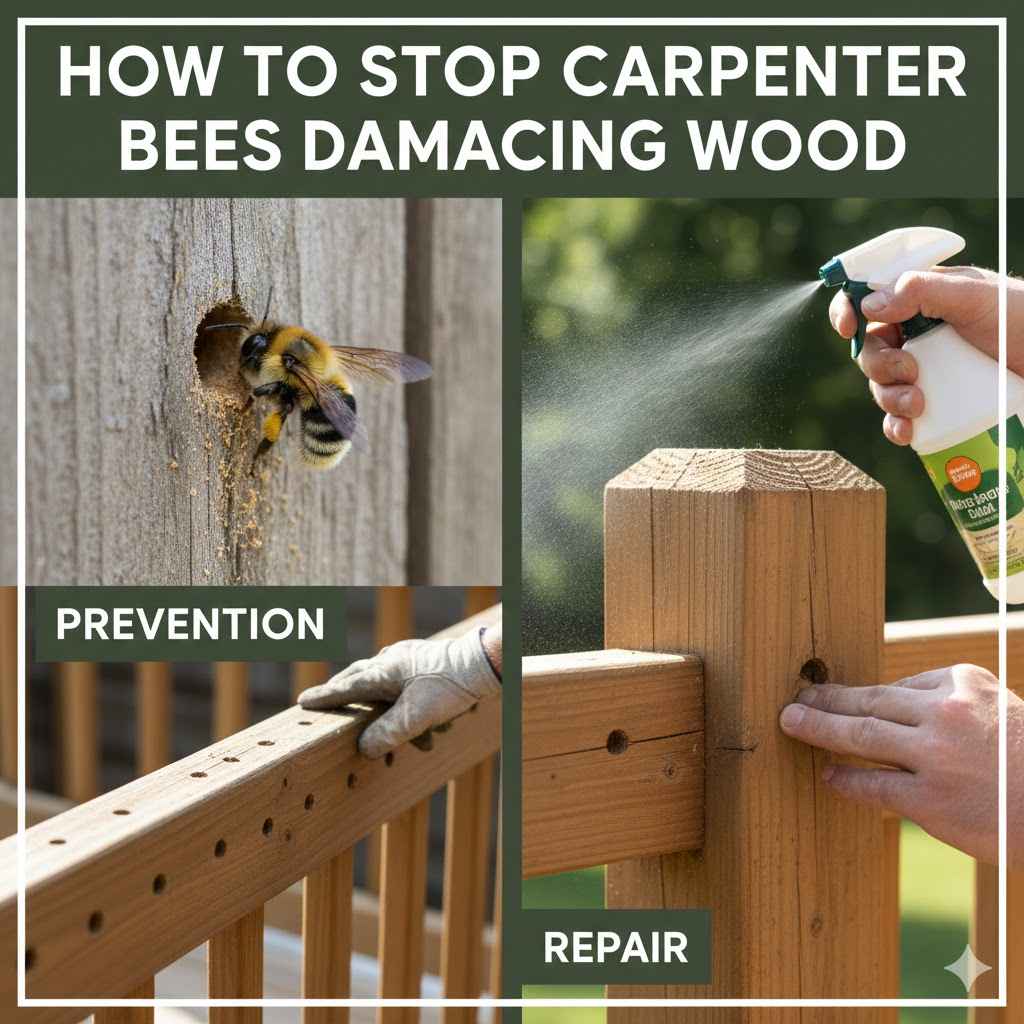
How to Stop Carpenter Bees Damaging Wood
Carpenter bees can be a real nuisance, and they love to chew their way into wooden structures around your home. Many folks find dealing with these buzzing invaders a bit tricky, especially when they first spot the damage. But don’t worry, it’s not as hard as it seems!
We’re going to walk through How to Stop Carpenter Bees from Damaging Wood with easy steps. You’ll learn how to protect your decks, fences, and eaves.
Understanding Carpenter Bees and Wood Damage
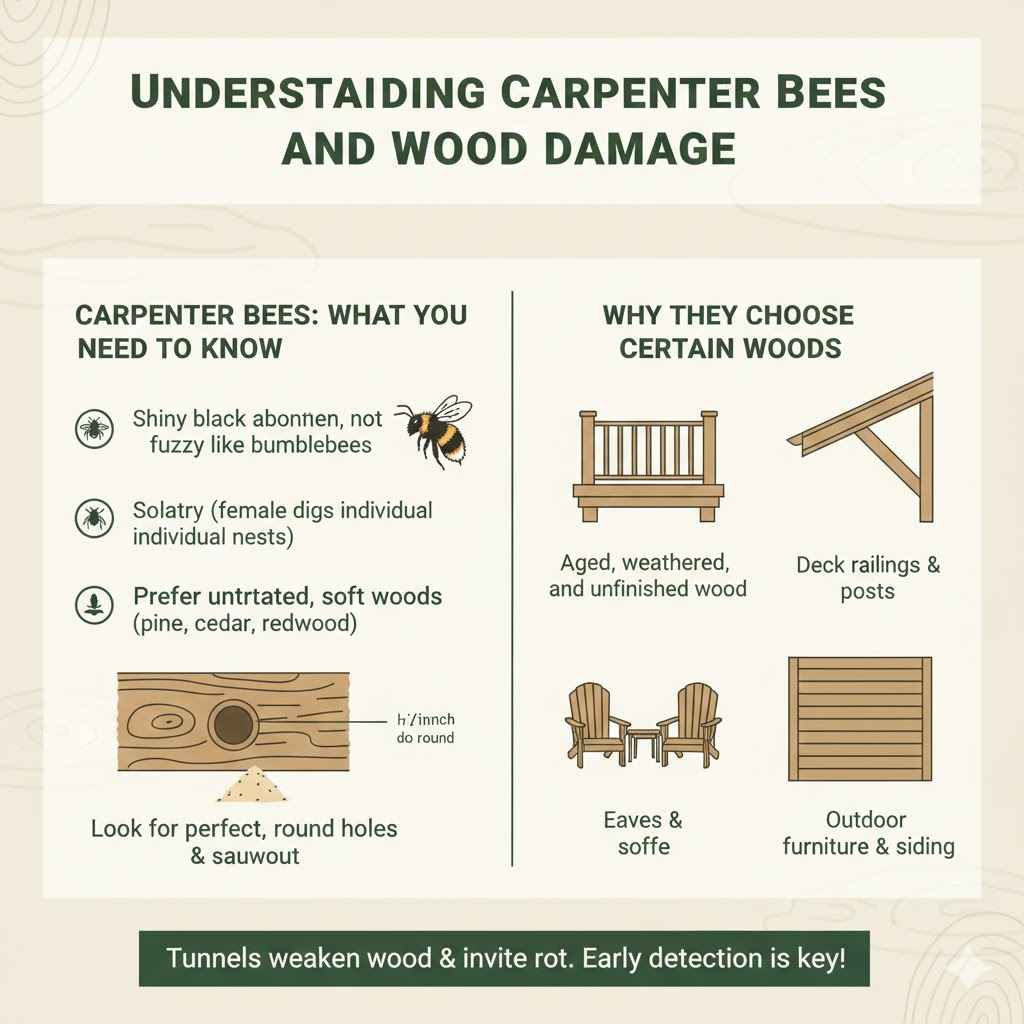
Carpenter bees are often mistaken for bumblebees, but they’re different. The females have shiny, black abdomens, while bumblebees are fuzzy all over. These bees are solitary, meaning each female digs her own nest. They prefer untreated, soft woods like pine, fir, cedar, and redwood. They don’t eat the wood; they tunnel into it to lay their eggs. These tunnels can weaken the wood over time, making it look bad and inviting other problems like rot or more insects.
Why Carpenter Bees Choose Certain Woods
Carpenter bees are attracted to wood that is aged, weathered, and unfinished. They look for areas that are a bit soft and easy to drill into. This includes things like:
- Deck railings and posts
- Fence pickets and posts
- Eaves and soffits of houses
- Outdoor furniture
- Wooden siding
- Play structures
They often start new nests in old, existing holes or cracks. This is why early detection and treatment are so important. If you see perfectly round holes, about half an inch in diameter, with a bit of sawdust underneath, you likely have carpenter bees.
How to Stop Carpenter Bees from Damaging Wood Effective Strategies
Stopping these bees means either deterring them from nesting or treating existing nests. A combination of methods usually works best.
Prevention is Key
The best way to deal with carpenter bees is to stop them from starting in the first place.
Painting and Staining
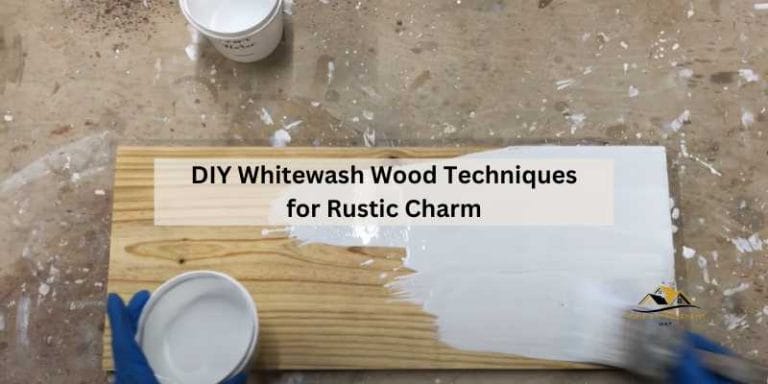
This is one of the simplest and most effective methods. Carpenter bees dislike painted or heavily stained wood. When you paint or stain wood surfaces, it makes them less appealing and harder for the bees to bore into. Make sure to cover all exposed wood, especially the ends and undersides, where they often start. Regular maintenance of your paint or stain will keep these bees away.
Sealing Existing Holes
If you find small, new holes that haven’t been used much, fill them. Use wood putty, caulk, or even wooden dowels. This stops the bees from expanding their tunnels or using them to lay more eggs. It also prevents moisture from getting into the wood, which can cause rot.
Using Hardwoods
While not always practical for existing structures, consider using hardwoods for new projects. Carpenter bees have a much harder time drilling into dense hardwoods like oak or maple.
Natural Deterrents
Some people find success with natural repellents. Sprays made from citrus oils, almond oil, or vinegar can sometimes deter bees. You can also hang old CDs or shiny objects near wooden areas, as the flashing lights may scare them away. However, these methods may not be as reliable as other treatments.
Active Treatment for Infestations
If you already have an active infestation, you need to take steps to eliminate the bees and their nests.
Insecticide Dusts or Foams
For active nests, you can use an insecticide dust or foam. These products are specifically designed to be injected into the entrance holes. When the bee enters or exits the hole, it comes into contact with the insecticide, which it then carries back into the nest. This can kill the bees inside.
Timing is important: Apply these treatments in the evening or early morning when the bees are less active and most likely to be in their nests.
Safety first: Always wear protective clothing, including gloves, long sleeves, and eye protection, when using insecticides. Follow the product instructions carefully.
Sealing Holes After Treatment
Once you’ve treated the holes, it’s crucial to seal them. Wait a few days after applying the insecticide to ensure most of the bees have been exposed. Then, use wood putty, caulk, or dowels to fill the holes. This traps any remaining bees and eggs inside and prevents new bees from taking over the same spot.
Physical Traps
Carpenter bee traps are also a popular option. These are usually made of wood with holes drilled at an angle. Bees fly into the holes and then fall into a collection jar or bottle. You can buy these traps or make them yourself. They work well to reduce the population around your home.
Placement: Hang traps in sunny areas where carpenter bees are commonly found, such as near decks, patios, or eaves.
Maintenance: Empty the traps regularly.
Dealing with Existing Damage
Even after you’ve stopped the bees, you might have some damage to repair.
Repairing Tunnels
Once the bees are gone and the holes are sealed, you can repair any visible damage. Sand down rough spots. If the tunnels are deep, you may need to use wood filler or epoxy to fill them completely before painting or staining the area.
Reinforcing Weakened Wood
In cases of severe damage where the wood has been significantly weakened, you might need to reinforce it. This could involve adding new support beams or replacing entire sections of the wood. Regular inspection of your wooden structures will help you catch damage before it becomes too severe.
Tips for Long-Term Protection
Keeping carpenter bees away requires ongoing effort.
Regular Inspections
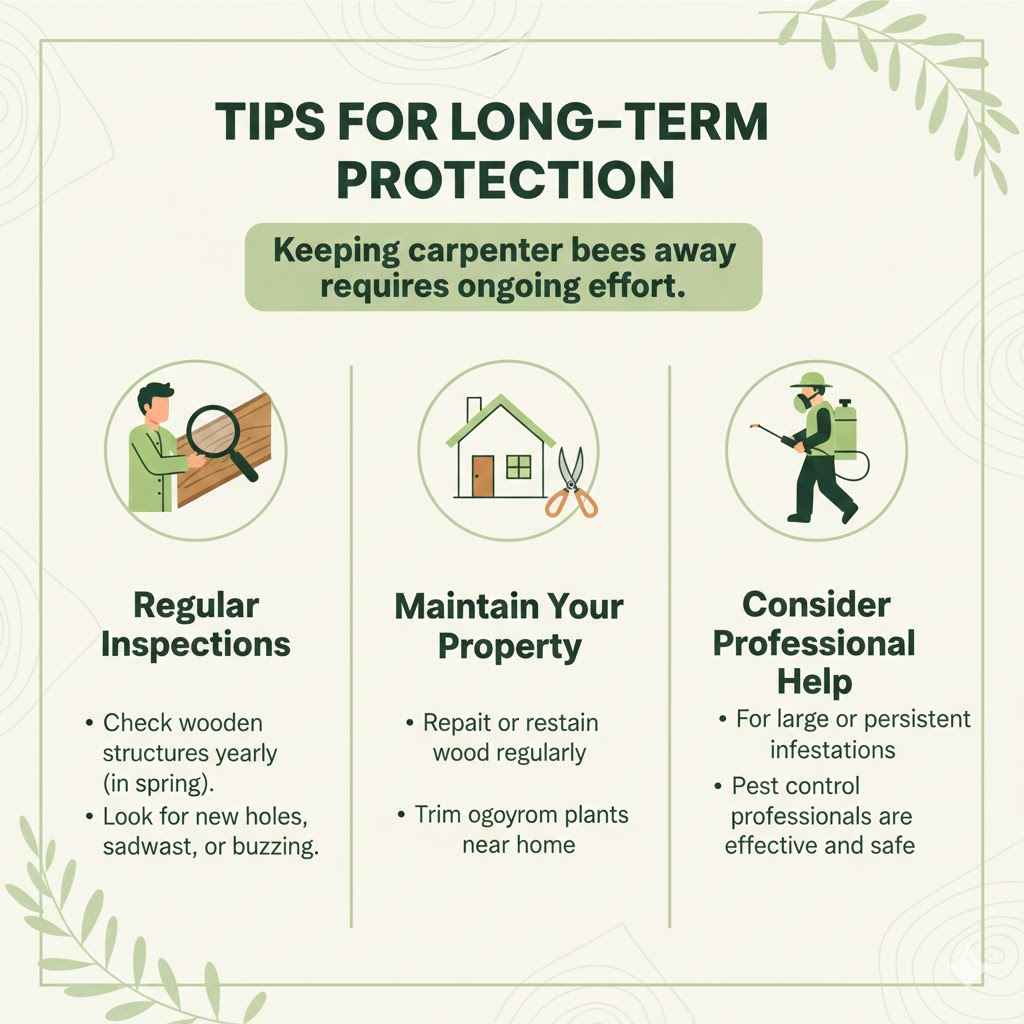
Make it a habit to check your wooden structures at least once a year, preferably in the spring when the bees become active again. Look for new holes, sawdust, or buzzing activity. Early detection makes the problem much easier to manage.
Maintain Your Property
Keep your wooden structures in good repair. Repaint or restain them as needed. Trim back any overgrown bushes or trees that might be providing shade and shelter for bees near your home.
Consider Professional Help
If you have a large or persistent infestation, or if you’re uncomfortable dealing with insecticides, don’t hesitate to call a pest control professional. They have the expertise and tools to handle the problem effectively and safely.
Frequently Asked Questions
Question: How do I know if I have carpenter bees?
Answer: You’ll see perfectly round holes, about half an inch wide, drilled into wooden surfaces. You might also notice fine sawdust below these holes, and you may hear buzzing sounds near them.
Question: Are carpenter bees dangerous?
Answer: Carpenter bees are generally not aggressive and rarely sting unless provoked. The females can sting, but they are more interested in drilling wood than biting people. Males do not have stingers.
Question: Can carpenter bees destroy my house?
Answer: While they can weaken wooden structures over time by creating tunnels, carpenter bees are unlikely to cause catastrophic damage to a well-maintained home. However, significant structural damage can occur with severe, long-term infestations.
Question: What is the best time of year to treat carpenter bees?
Answer: The best time to treat carpenter bees is in the spring, from April to June, when they are most active and mating. Applying treatments in the evening or early morning is also recommended as they are less active and likely inside their nests.
Question: Will painting my deck stop carpenter bees?
Answer: Yes, painting or staining wood surfaces is a highly effective preventative measure. Carpenter bees prefer unfinished or soft wood, so a good coat of paint or stain makes the wood less attractive and harder for them to bore into.
Final Thoughts
Dealing with carpenter bees doesn’t have to be overwhelming. By understanding their habits and using the right prevention and treatment methods, you can effectively stop carpenter bees from damaging your wood. Regular inspections, proper sealing, and timely treatments are your best defense against these persistent pests. Keep your wooden structures protected for long-lasting beauty and integrity.
Wrap Up
Protecting your home from carpenter bees involves prevention and treatment. Sealing holes, painting wood, and using specific insecticides can stop these bees from damaging your property. Regular checks ensure you catch issues early, saving your wood and your peace of mind.