How to Store Ratchet Strap: Best Practices Unveiled
Imagine this: you’ve just finished securing your cargo, and now you’re left wondering what to do with those trusty ratchet straps. You know they’re essential for safe transport, but if they’re not stored properly, they can become tangled, damaged, or weakened.
It’s crucial to take care of your ratchet straps, because doing so not only extends their lifespan but ensures your peace of mind every time you hit the road. Are you tired of rummaging through a messy pile of straps, only to find them knotted and frayed?
If so, you’re not alone. Many people overlook the importance of proper storage, but there’s good news—storing ratchet straps can be simple and effective with the right techniques. By mastering these storage tips, you’ll save time, reduce frustration, and keep your straps in top condition for your next adventure. Keep reading to discover how you can transform the chaos into order and gain confidence knowing your equipment is always ready for action.
Choosing The Right Storage Location
Moisture can damage ratchet straps. Avoid storing them in damp places. Sunlight can weaken the straps. Choose a cool, dark spot for storage. A garage or basement works well. Keep them away from windows. Shelves or cabinets are perfect. Plastic bins can help keep them safe. Moisture-proof bags are also good for storage.
High temperatures can harm straps. Store them in a stable environment. Avoid places that get too hot or cold. Extreme temperatures can make the straps brittle. Room temperature is ideal. A closet or indoor storage is best. Keep away from heating vents. Protect them from freezing too. Regular checks can help maintain quality.
Proper Cleaning Before Storage
Dirt and debris can weaken your ratchet strap. First, shake the strap to remove loose dirt. Use a soft brush to get rid of stubborn grime. Warm water and mild soap help clean sticky spots. Scrub gently to avoid damage. Rinse with clean water. Make sure all soap is gone.
Drying is very important. Hang the strap in a dry place. Let air dry completely. Never store a wet strap. This can lead to mold. Mold can ruin the strap. You can also use a clean towel to pat dry. Always check for any moisture left. Dry straps last longer.
Neat Folding Techniques
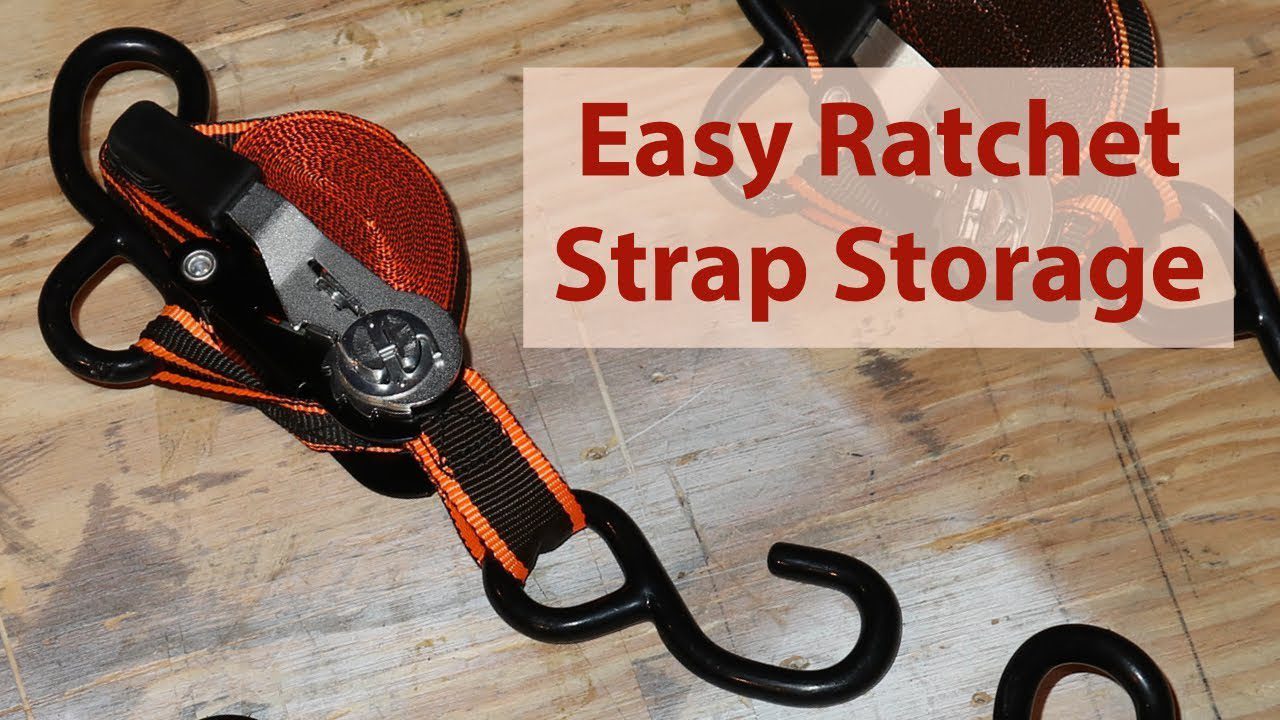
Begin by laying the strap flat on the ground. Then, hold one end and start wrapping it in a circle. Keep the coils tight and even. This helps keep the strap organized. The coiling method is great for preventing tangles. Once done, use a rubber band or twist tie to secure it. This method saves space and keeps the strap ready for next use.
First, fold the strap into a compact bundle. Use Velcro straps to keep it tight. Velcro is easy to use and adjustable. Wrap the Velcro around the folded strap several times. This method is great for keeping the strap neat. Velcro straps are reusable, making them a smart choice. They help keep the strap secure and tidy.
:max_bytes(150000):strip_icc()/102997402-2000-70f34f0b281d4fd8b44488d9db8024b2.jpg)
Credit: www.agriculture.com
Utilizing Storage Solutions
Storage bags are great for keeping ratchet straps tidy. They stop dirt and dust. Containers give more protection. Choose a size that fits your straps. Keep them dry and safe. Plastic containers are strong and durable. They last a long time. Storage bags are lighter. Easy to carry. Both options keep straps organized.
Wall racks save space. They hold straps neatly. Easy to access. Metal racks are sturdy. They can hold heavy straps. Attach racks to a strong wall. Make sure they are secure. Wall racks help keep straps off the floor. This keeps them clean. It’s a smart way to organize.
Labeling And Organization
Color-coding can keep your ratchet straps organized. Bright colors help to sort different sizes. For example, use red for long straps. Use blue for medium ones. Use green for short ones. This makes finding the right strap quick. No more digging through a pile of straps.
Keeping track of your ratchet straps is important. An inventory list can help. Note the number of straps you have. Include their sizes and colors. Update the list when you buy new straps. Update it when straps wear out. This helps you know what you have. It also helps you know what you need. Organization saves you time and money.
Regular Inspection And Maintenance
Ratchet straps must be checked for wear and tear often. Look for frayed edges and cuts. Rust on hooks is bad. If any damage is found, replace the strap. Safe straps keep loads secure. They must be in good condition.
Moving parts on ratchet straps should be lubricated. Lubrication helps parts move smoothly. Use a light oil for best results. This stops parts from sticking. It also reduces rust. Lubricate every few months for best care.
Safety Tips For Long-term Storage
Store ratchet straps away from sunlight. Sunlight can weaken them. Moisture causes rust on metal parts. Keep straps dry. Dirt can wear them out. Clean straps before storing. Rolling straps prevents tangling. Use elastic bands to hold rolls tight. Keep straps off the floor. Use shelves or hooks.
Label each strap. Write lengths and sizes on tags. Easy access saves time. Use clear bins for storage. Transparent bins show contents quickly. Arrange straps by size. Smaller ones on top, larger ones below. Organize straps for fast use. Keep shelves tidy. It helps find straps fast.
Frequently Asked Questions
How Should I Clean Ratchet Straps Before Storing?
Before storing, clean your ratchet straps by wiping them with a damp cloth. Use mild soap if needed. Ensure they are completely dry to prevent mold and mildew. Proper cleaning and drying will extend the lifespan of your straps and keep them in good condition for future use.
Can I Store Ratchet Straps In A Garage?
Yes, you can store ratchet straps in a garage. Ensure they are kept in a dry, cool place away from direct sunlight. Use a storage container or hang them to prevent tangling. This helps maintain their integrity and usability over time.
What Is The Best Way To Prevent Tangling?
To prevent tangling, roll each strap neatly and use a Velcro tie or rubber band to secure it. Store them individually or hang them on hooks. Proper organization will save you time and frustration when you need to use them again.
Are There Special Storage Containers For Ratchet Straps?
Yes, there are storage containers designed for ratchet straps. These containers often have compartments or hooks for organization. They protect your straps from dust, moisture, and UV damage. Investing in a storage container can help prolong the life of your ratchet straps.
Conclusion
Storing ratchet straps properly extends their life. Keep them dry and clean. Use a dedicated storage bag or box. This prevents damage and tangles. Regularly inspect for wear and tear. Replace if damaged. Store them away from sunlight. Sunlight weakens the material over time.
Label your straps for easy identification. This saves time and effort. Following these simple steps ensures reliability. Your cargo stays secure. Ratchet straps are essential tools. Proper care makes them last longer. Enjoy peace of mind on the road. Safe travels and happy hauling!