
Why Storing Urine Matters
I spilled a urine sample once—yep, total mess! Learning how to store urine properly saved me from more chaos. This guide shares easy steps for storing urine safely, whether for medical tests, home experiments, or research. It’s simple, safe, and perfect for beginners or pros.
What Is Urine Storage and Why Care?
Urine storage means keeping a urine sample fresh and safe for testing or use. It’s key for medical checkups, drug tests, or even science projects.
Why It’s Important
Doctors use urine to check your health, like for infections or pregnancy. If stored wrong, the sample can spoil, giving bad results. At home, you might save urine for gardening or testing kits. Doing it right keeps things accurate and clean.
Common Uses
- Medical Tests: Doctors need fresh samples for accurate results.
- Home Testing: Kits for pregnancy or health tracking need proper storage.
- Gardening: Some folks use urine as a natural fertilizer (crazy but true!).
Step-by-Step Guide to Store Urine
Storing urine is a piece of cake if you follow these steps. Here’s how I do it for medical tests or home use.
Step 1: Collect the Sample
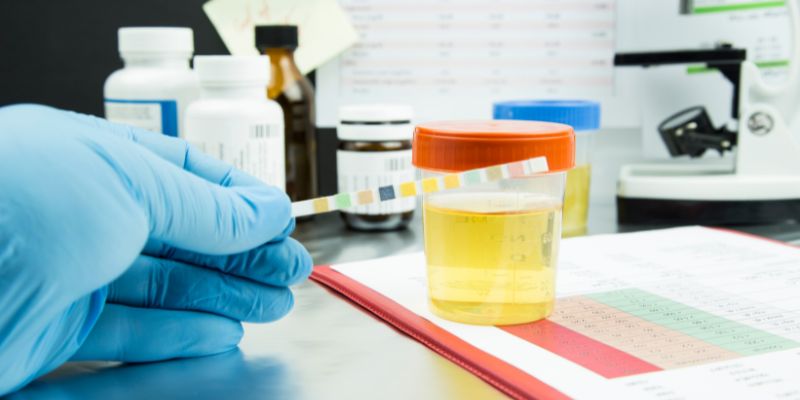
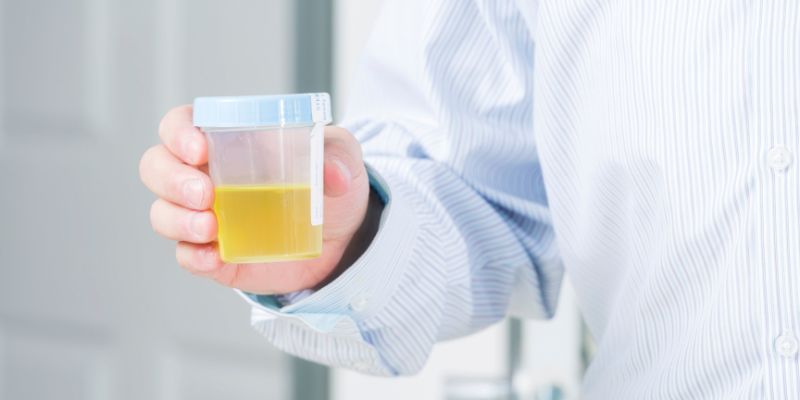
Use a clean, sterile container. I learned this the hard way when I used a random cup—gross! Pharmacies sell cheap sterile cups, or you can get them from your doctor.
Step 2: Seal It Tight
Close the container tightly to avoid leaks. I double-check the lid to prevent spills. Label it with your name and the date using a marker or sticker.
Step 3: Keep It Cool
Store the sample in the fridge at 35-40°F (2-4°C). If you can’t refrigerate, keep it in a cool, dark place for a short time. I once left a sample out too long—yuck, it smelled bad!
Step 4: Deliver or Use Quickly
Most tests need urine within 24 hours. For home use, like gardening, use it within a day or two. Freezing can work for longer storage, but check with your doctor first.
Quick Tips for Success
- Use sterile containers to avoid germs.
- Label clearly to prevent mix-ups.
- Refrigerate immediately for best results.
Tools and Materials You Need
You don’t need fancy stuff to store urine. Here’s what works.
Basic Supplies
- Sterile Container: A clean, leak-proof cup or vial (available at pharmacies for $1-5).
- Labels and Marker: For writing name and date.
- Cooler or Fridge: To keep the sample fresh.
- Gloves (Optional): For hygiene, especially for medical samples.
Where to Get Them
Pharmacies like Walgreens or CVS sell sterile cups. You can also find them online at sites like Amazon. For free options, ask your doctor’s office—they often give containers for tests.
Table 1: Comparing Urine Storage Containers
| Container Type | Cost | Pros | Cons |
|---|---|---|---|
| Sterile Cup | $1-5 | Easy to find, leak-proof | Single-use |
| Reusable Jar | $2-10 | Eco-friendly, cheap | Must be cleaned well |
| Plastic Vial | $0.50-2 | Small, portable | Small volume |
| Caption: Choose a container based on your needs and budget. |
Benefits and Drawbacks of Storing Urine
Storing urine right has big perks, but there are some downsides too.
Benefits
- Accuracy: Proper storage keeps samples fresh for reliable test results.
- Convenience: You can collect at home and deliver later.
- Versatility: Useful for medical, home, or even gardening projects.
Drawbacks
- Spoilage Risk: If not cooled, bacteria grow fast, ruining the sample.
- Time Limits: Most samples must be used within 24-48 hours.
- Hygiene: Spills or poor cleaning can cause contamination.
Alternatives to Traditional Storage
- Freezing: Good for long-term storage, but not all tests allow it.
- Preservatives: Some labs use chemicals to stabilize urine. Ask your doctor.
- Immediate Testing: Test right away to skip storage hassles.
Personal Tips from My Experience
I’ve stored urine for medical tests and home experiments, so here are my best tips. First, always use a sterile container—my first try with a regular jar was a flop! Second, keep a small cooler handy if you’re traveling to the lab. Third, don’t overfill the container; it makes sealing tricky. Lastly, for gardening, dilute urine with water (1:10 ratio) to avoid burning plants. These tricks make the process no sweat!
Table 2: Storage Times for Urine Samples
| Storage Method | Time Limit | Best For |
|---|---|---|
| Room Temp | 1-2 hours | Quick delivery |
| Refrigerated | 24-48 hours | Medical tests |
| Frozen | 1-3 months | Research (check with lab) |
| Caption: Match storage time to your purpose for best results. |
Common Mistakes to Avoid
Here’s what not to do, based on my own goofs:
- Using Dirty Containers: Non-sterile cups can ruin samples.
- Forgetting to Label: Mix-ups happen without clear labels.
- Leaving It Out: Warm urine spoils fast—refrigerate ASAP.
Visual Ideas for Better Understanding
I’d love to include these visuals, but you’ll have to imagine them:
- Labeled Container Diagram: Shows a sterile cup with name, date, and tight lid.
- Storage Timeline: A chart of room temp, fridge, and freezer times.
- Hygiene Checklist: A simple list of steps like “wash hands” and “use gloves.”
Safety Advice for Urine Storage
Safety is key when handling urine. Always wash your hands before and after collecting. Wear gloves if you’re worried about germs. For medical samples, follow your doctor’s instructions to avoid contamination. For gardening, dilute urine properly to keep plants healthy. Check out the CDC’s guidelines for safe handling: CDC Specimen Collection.
Table 3: Cost-Saving Tips for Urine Storage
| Tip | Savings | How to Do It |
|---|---|---|
| Reuse Jars | $1-5 | Clean thoroughly with soap |
| Ask Doctor | Free | Get containers from clinic |
| Buy in Bulk | $5-10 | Order vials online |
| Caption: Save money with these easy storage hacks. |
Why I Love This Process
Storing urine might sound weird, but it’s super useful. I once helped a friend prep samples for a fertility test, and getting it right felt like a win. It’s also fun to experiment with urine as fertilizer—my tomatoes loved it! The key is keeping things clean and cool. Try it, and you’ll see it’s no big deal.
Frequently Asked Questions
What Is a Sterile Container?
A sterile container is a clean, germ-free cup or vial made for storing samples like urine. It prevents bacteria from ruining the sample. You can buy them at pharmacies or get them from your doctor.
How Long Can I Store Urine?
Urine stays fresh for 1-2 hours at room temp, 24-48 hours in the fridge, or 1-3 months frozen. Always check with your lab, as some tests need fresh samples.
Can I Use a Regular Jar?
Regular jars work if cleaned well, but sterile containers are safer. Wash jars with hot, soapy water and dry completely to avoid germs.
Is It Safe to Store Urine at Home?
Yes, it’s safe if you use clean containers and refrigerate promptly. Wash hands, wear gloves, and follow hygiene tips to avoid contamination.
Can I Freeze Urine for Tests?
Freezing works for some tests, but not all. Ask your doctor or lab first, as freezing can change urine composition for certain tests.
How Do I Avoid Spills?
Use a tight lid and don’t overfill the container. Place it in a sealed plastic bag in the fridge to catch any leaks.
Can Urine Be Used for Gardening?
Yes, diluted urine (1:10 with water) is a great fertilizer. It’s rich in nitrogen but must be diluted to avoid harming plants.
Conclusion
Storing urine is easier than it sounds! Use a sterile container, keep it cool, and label it clearly. Whether for a doctor’s visit or a quirky gardening project, these steps work every time. Try it out, and share your tips with friends. Visit Mayo Clinic for more health advice. What’s your next project? Let me know!