How to Tarp a Flatbed Load: A Step-by-Step Guide for Truckers
Hey there, friend! If you’ve ever driven a flatbed truck or watched one cruising down the highway, you’ve probably seen those neatly tarped loads and wondered, “How do they do that?” Well, I’m thrilled you’re curious about how to tarp a flatbed load because it’s a skill that’s both practical and satisfying. I’ve spent years on the road, hauling everything from lumber to machinery, and tarping has become second nature to me.
It’s like wrapping a giant present, but with more stakes—like keeping cargo safe and staying legal. So, grab a seat, maybe a coffee, and let’s dive into this guide together. I’m excited to share my tips and tricks to make tarping a flatbed load easy and stress-free!
What Is Tarping and Why Does It Matter?
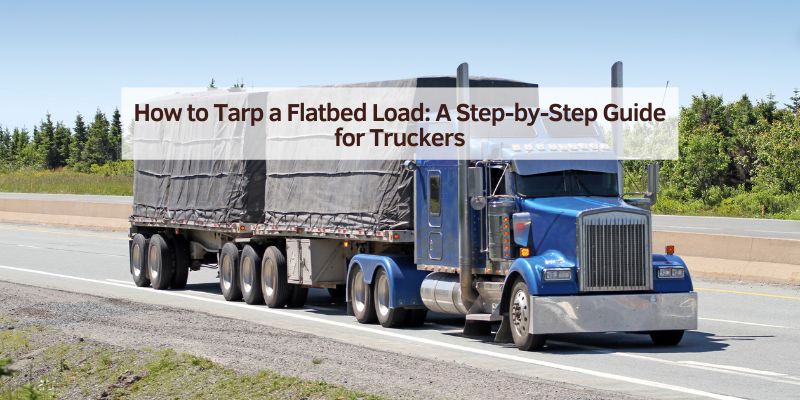
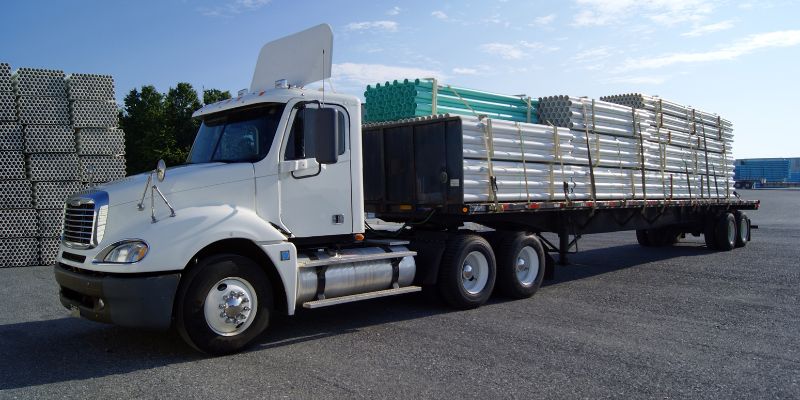
Let’s start simple. Tarping is covering a flatbed truck’s load with a heavy-duty tarp to protect it from weather, road debris, and damage. Flatbed trucks don’t have walls or a roof, so the tarp is the cargo’s shield. I’ve seen rain ruin unprotected loads, like soaking wooden pallets or rusting metal parts. Tarping prevents that.
It’s not just about protection, though. Tarping keeps you legal. Many states in the USA require loads to be covered to prevent debris from flying off and causing accidents. I learned this the hard way early on when I got a warning for an uncovered load. Plus, customers expect their goods to arrive in top shape. A good tarp job shows you’re a pro who cares about the job.
Types of Tarps for Flatbed Loads
Not all tarps are the same, and picking the right one is key. I’ve used a few types over the years, and each has its strengths. Here’s a rundown of the main ones you’ll encounter.
Vinyl Tarps
Vinyl tarps are my go-to. They’re tough, waterproof, and great for most loads. They come in different weights, like 18-ounce or 22-ounce, which means they’re built to last. I’ve used vinyl tarps for everything from steel coils to furniture. They’re a bit heavy, but they hold up in storms.
Canvas Tarps
Canvas tarps are lighter than vinyl and breathable, which is great for loads that need air circulation, like produce or plants. I used a canvas tarp once for a load of nursery trees, and it kept them safe without trapping moisture. They’re not fully waterproof, though, so they’re not ideal for heavy rain.
Poly Tarps
Poly tarps are the budget option. They’re lightweight and waterproof, but not as durable. I keep one as a backup for short hauls or light loads, like hay bales. They tear easily, so I don’t rely on them for heavy-duty jobs.
Lumber Tarps
Lumber tarps are wide and long, designed for big loads like timber or pipes. They often have flaps to cover the ends of the load. I’ve used these for stacks of plywood, and the extra coverage makes securing them a breeze.
Here’s a quick table to compare:
| Tarp Type | Best For | Pros | Cons |
|---|---|---|---|
| Vinyl | General cargo | Waterproof, durable | Heavy, expensive |
| Canvas | Produce, plants | Breathable, lightweight | Not fully waterproof |
| Poly | Light loads, short hauls | Cheap, lightweight | Less durable, tears easy |
| Lumber | Timber, pipes | Wide coverage, flaps | Bulky, specific use |
Tools You Need for Tarping
Before we get to the how-to, let’s talk gear. Tarping isn’t just throwing a cover over a load—you need the right tools. I’ve got a trusty kit I bring on every haul. Here’s what you’ll need:
- Tarps: At least two or three, depending on load size. I carry a vinyl and a lumber tarp.
- Bungee Cords or Rubber Straps: These secure the tarp to the trailer. I prefer rubber straps for their stretch and strength.
- Bungee Hooks or Ratchet Straps: For extra hold, especially in windy conditions. I’ve got ratchet straps for heavy loads.
- Edge Protectors: These go on sharp corners to prevent tarp tears. I learned this after ripping a good tarp on a steel edge.
- Ladder: For reaching high loads. I use a collapsible one for easy storage.
- Gloves: To protect your hands from rope burns or sharp edges. My leather gloves are my best friends.
- Tarp Repair Kit: Patches and tape for quick fixes. I’ve saved many tarps with a quick patch job.
Having these ready makes tarping smoother. I keep them in a toolbox on my truck so I’m never caught off guard.
Step-by-Step Guide to Tarping a Flatbed Load
Alright, let’s get to the meat of it—how to tarp a flatbed load like a pro. I’ve done this hundreds of times, and this method works for most loads. Follow these steps, and you’ll be tarping like a seasoned trucker.
Step 1: Inspect the Load
Before you touch the tarp, check the cargo. Make sure it’s secure and stable. I once tarped a load that wasn’t strapped down properly, and it shifted halfway through the trip. Look for sharp edges or loose items. Use edge protectors if needed.
Step 2: Choose the Right Tarp
Pick a tarp that fits your load. For a tall stack of lumber, I’d grab a lumber tarp. For a small, weather-sensitive load, a vinyl tarp works. Check the weather too—rain calls for waterproof, while dry weather might be fine with canvas.
Step 3: Unfold and Position the Tarp
Unfold the tarp on the ground next to the trailer. I lay it out flat to avoid snags. Climb onto the trailer (use a ladder for safety) and pull the tarp over the load. Start at the front and work back. I usually get a buddy to help, but you can do it solo with practice.
Step 4: Center the Tarp
Make sure the tarp is centered over the load. You want equal overhang on both sides. I tug the edges to adjust it, checking that it covers the entire load. For lumber tarps, drape the flaps over the ends.
Step 5: Secure the Tarp
This is where the magic happens. Use bungee cords or rubber straps to hook the tarp to the trailer’s tie-down points. I start at the front, working my way back, pulling the tarp tight to avoid flapping. For heavy loads, I add ratchet straps for extra security. Check that the tarp isn’t loose—wind can rip a loose tarp to shreds.
Step 6: Check for Gaps
Walk around the trailer and look for gaps or exposed areas. I’ve had rain sneak through small openings and damage cargo. Tuck the tarp tightly and add extra bungees if needed. For tall loads, make sure the top is secure to prevent wind from lifting it.
Step 7: Double-Check Everything
Before hitting the road, do a final walk-around. I check every strap and hook, tugging to ensure they’re tight. Look for tears or loose spots. A quick check now saves headaches later.
Safety Tips for Tarping
Tarping can be dangerous if you’re not careful. I’ve had a few close calls, so here are my top safety tips:
- Use a Ladder: Don’t climb the load itself. I slipped once and nearly sprained an ankle. A sturdy ladder is safer.
- Watch the Weather: Windy days make tarping tough. I wait for calmer moments if possible to avoid fighting a flapping tarp.
- Wear Gloves and Boots: Protect your hands and feet. I’ve gotten rope burns from bare hands and stubbed toes from flimsy shoes.
- Work with a Partner: If you can, have someone help. I’ve tarped solo, but a second pair of hands makes it faster and safer.
- Stay Aware: Keep an eye on traffic or equipment around you. I’ve seen drivers get distracted and bump into trailers.
Common Tarping Mistakes and How to Avoid Them
Even pros mess up sometimes. Here are mistakes I’ve made or seen and how to dodge them:
Using the Wrong Tarp
A poly tarp on a heavy steel load in a storm? Bad idea. I did this once, and the tarp tore within an hour. Match the tarp to the load and weather.
Not Securing Tightly
A loose tarp flaps and tears. I’ve seen tarps shredded on the highway because they weren’t tight. Pull those straps snug and check often.
Ignoring Sharp Edges
Sharp cargo can rip tarps. I ruined a good vinyl tarp on a metal crate’s edge. Always use edge protectors.
Skipping the Walk-Around
Don’t rush off without checking. I missed a loose bungee once, and the tarp flapped loudly the whole trip. A quick walk-around catches these issues.
Tarping Regulations in the USA
Tarping isn’t just about technique—it’s about following the law. The USA has rules to keep roads safe. The Federal Motor Carrier Safety Administration (FMCSA) says loose cargo must be secured to prevent it from falling. Many states require tarps for certain loads, like gravel or debris, to stop flyaways.
I’ve driven through states like California and Texas, where officers check tarps during inspections. If your load isn’t covered properly, you could get a fine or be forced to re-tarp. I always check local regulations before a haul, especially for oversized loads. Some states also require specific tarp colors, like bright ones for visibility.
Tips for Maintaining Your Tarps
Tarps are an investment, so take care of them. I’ve learned a few tricks to keep mine in top shape:
- Clean Regularly: Dirt and grime weaken tarps. I hose mine down after hauls and let them dry completely to prevent mold.
- Store Properly: Fold tarps neatly and store them in a dry place. I keep mine in a tarp bag to avoid damage.
- Patch Tears: Small rips happen. I use a tarp repair kit with patches and tape. It’s saved me from buying new tarps.
- Inspect Before Use: Check for holes or weak spots before tarping. I caught a tear once right before a rainy trip and patched it just in time.
Advanced Tarping Techniques for Odd Loads
Some loads are tricky—think oversized machinery or irregular shapes. I’ve hauled everything from wind turbine blades to giant tires. Here’s how to handle weird loads:
- Use Multiple Tarps: For oversized loads, I overlap two tarps to cover everything. Secure the overlap tightly with extra straps.
- Custom Tarp Folding: For odd shapes, I fold the tarp to fit snugly, tucking edges under cargo straps. It takes practice, but it looks clean.
- Add Extra Straps: Irregular loads need more tie-downs. I use ratchet straps at odd angles to keep the tarp secure.
- Check Clearance: Tall loads need clearance for bridges or tunnels. I measure the height after tarping to avoid surprises.
The Life of a Flatbed Trucker: Why Tarping Is Worth It
Tarping is hard work, but it’s part of what makes flatbed trucking special. I love the challenge of securing a load perfectly. It’s like solving a puzzle. Plus, flatbed drivers often earn more because of the extra effort. I’ve met truckers who take pride in their tarping skills, and it’s a badge of honor in the industry.
There’s something satisfying about hitting the road with a neatly tarped load. I’ve had other drivers give me a thumbs-up at truck stops for a clean tarp job. It’s a small thing, but it feels good.
Conclusion
Well, buddy, we’ve covered the ins and outs of tarping a flatbed load, haven’t we? From picking the right tarp to securing it like a pro, I hope you’re feeling ready to tackle your next haul. Tarping isn’t just about covering cargo—it’s about keeping it safe, staying legal, and showing the world you’re a skilled trucker. I’ve loved sharing my experiences, from rainy days fighting flapping tarps to the pride of a perfect load. Whether you’re a newbie or a seasoned driver, tarping is a skill you can master with practice. So, grab your gloves, unfold that tarp, and hit the road with confidence. Keep on trucking, and I’ll be cheering you on!
FAQs
What kind of tarp is best for a flatbed load?
Vinyl tarps are best for most loads because they’re waterproof and durable. Lumber tarps work great for big loads like timber, while canvas is good for breathable cargo.
How do I keep a tarp from flapping on the highway?
Pull the tarp tight and use plenty of bungee cords or ratchet straps. Check for loose spots before driving, and stop to re-secure if you hear flapping.
Are there laws about tarping in the USA?
Yes, many states require tarps for loose cargo to prevent debris from falling. Check FMCSA rules and local regulations to avoid fines.
How do I tarp a load by myself?
Unfold the tarp on the ground, pull it over the load with a ladder, and secure it step by step. It’s tougher alone, but practice makes it easier.
How do I clean and store my tarps?
Hose them down, let them dry completely, and fold them neatly. Store in a dry place, like a tarp bag, to prevent mold and damage.