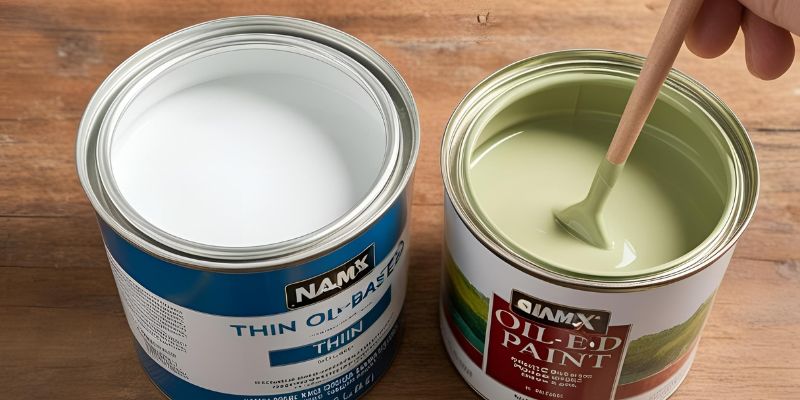
How To Thin Oil Based Paint: Easy Tips And Techniques
Understanding the intricacies of paint viscosity is essential for achieving optimal results in any painting project. When confronted with the challenge of how to thin oil-based paint, one must consider various methods, including the utilization of solvents and additives that alter consistency and flow. The chemical composition of the paint interacts with these thinning agents, impacting not only the application process but also the final finish and durability. Proper thinning can enhance adhesion and improve workability, making it vital for both novice and seasoned painters alike.
Unraveling the art and science of this process reveals critical insights that can elevate your painting endeavors.
How To Thin Oil Based Paint: Tips And Techniques
Thinning oil-based paint is essential for achieving the desired consistency and ensuring smooth application and finish. Various solvents and methods can be employed, depending on the specific project requirements. Understanding the right ratios and techniques not only enhances the paint’s performance but also improves drying times and ease of use. This summary provides key insights and practical steps for effectively thinning oil-based paint, enabling you to achieve optimal results in your painting endeavors.
Understanding Oil Based Paint
Definition and characteristics of oil based paint. Common uses and applications.
Oil based paint is made with pigments and oils. This paint dries slowly but creates a strong finish. Its shine and durability make it suitable for many projects. You can find it in various colors.
- Durability: Stands up to wear and tear.
- Water-resistant: Protects surfaces from moisture.
- Glossy finish: Offers a shiny look that enhances colors.
Common uses include painting furniture, cabinets, and trim. Many people choose oil based paint for outdoor projects because it protects against the weather.
Why Thin Oil Based Paint?
Importance of thinning for optimal application. Benefits for different painting techniques.
Thinning oil-based paint is crucial for getting the best results. It helps the paint spread evenly and adhere better to surfaces. Here are some benefits of thinning:
- Improved Flow: Thinned paint moves smoothly on the brush or roller.
- Faster Drying Time: Thinning helps the paint dry more quickly.
- Better Coverage: It reaches into small crevices and uneven areas.
- Easier Cleanup: Thinner paints are simpler to clean from tools.
These advantages make thinning essential for techniques like spraying, rolling, or brushing.
Step-by-Step Guide to Thinning Oil Based Paint
Gathering necessary materials. Recommended ratios for thinning. Mixing techniques for a smooth consistency.
Before you thin oil based paint, gather your materials. You will need paint thinner, a mixing container, and a stir stick. Follow recommended ratios for thinning: a common mix is one part thinner to three parts paint.
This can vary based on your project. Use a stir stick to mix slowly, ensuring a smooth consistency without bubbles. This technique helps the paint flow better during application.
- Materials to gather: paint thinner, mixing container, stir stick
- Recommended ratio: 1 part thinner to 3 parts paint
- Mix slowly for a smooth finish
Safety Precautions
Essential safety gear and equipment. Ventilation considerations when working with oil based paint.
Staying safe while working with oil-based paint is very important. First, wear the right gear to protect yourself. Use gloves, goggles, and a mask to avoid skin contact and breathing in fumes.
Here’s a quick list of essential items:
- Gloves: Prevent skin irritation.
- Goggles: Protect your eyes.
- Mask: Block harmful fumes.
Good ventilation is also key.
Make sure to open windows and doors to let fresh air in. Using a fan can help circulate air and keep you safe while painting.
Tips for Successful Painting with Thinned Oil Based Paint
Best practices for applying thinned paint. Troubleshooting common issues with application.
Using thinned oil-based paint can improve your results. Here are some tips to help you succeed:
- Use a high-quality brush for a smooth finish.
- Work in small sections to avoid drying too quickly.
- Thin the paint gradually, checking consistency as you go.
- Apply in even strokes for better coverage.
If you encounter issues like bubbles or streaks, try these solutions:
- Allow paint to dry fully before adding another coat.
- Avoid heavy application to minimize bubbles.
- Sand between coats for a smoother surface.
These approaches will help you create beautiful, even finishes!
Alternative Methods of Thinning
Exploring natural or ecofriendly options. When to consider alternatives over traditional thinners.
Many artists look for natural ways to thin oil-based paint. This is because some traditional thinners can be harmful to health and the environment. Here are some eco-friendly options:
- Vegetable oils – Use oils like linseed or safflower. They are safe and effective.
- Natural solvents – Citrus or soy-based products work well without strong fumes.
- Mineral spirits – Choose low-odor versions that are less toxic.
Consider these alternatives if you’re sensitive to chemicals or want to reduce your environmental impact.
Making the switch can help create a safer painting experience.
Frequently Asked Questions
Common queries related to thinning oil based paint. Misconceptions and clarifications.
Many people have questions about thinning oil-based paint. Some think using water is a magic solution. Spoiler alert: it’s not!
Water can ruin the paint. Use a proper thinner like mineral spirits instead. Others wonder if they can just add a splash of thinner. It’s better to follow the label instructions for best results.
Want to know how much? Here’s a handy table!
| Paint Type | Thinner Amount |
|---|---|
| Light Oil-based Paint | 1 part thinner to 4 parts paint |
| Heavy Oil-based Paint | 1 part thinner to 3 parts paint |
Remember, thinning is like giving your paint a refreshing drink, but not too much—don’t turn it into soup!
Final Thoughts on Thinning Oil Based Paint
Recap of key points for successful thinning. Encouragement for practice and experimentation in painting techniques.
Thinning oil-based paint helps it flow better and improves the finish. Remember these key points:
- Use a proper thinner like mineral spirits.
- Add thinner gradually to control thickness.
- Mix well for an even consistency.
Don’t hesitate to practice and try different techniques. Experimenting can lead to exciting results. Keep painting, and enjoy the process!
Conclusion
In summary, thinning oil-based paint is an essential skill for achieving smooth finishes and optimal application. By using the right solvents, such as mineral spirits or paint thinners, and adhering to proper mixing techniques, you can enhance your painting projects. Always remember to test your mixture and work in well-ventilated areas for safety.
Happy painting!
FAQs
What Solvents Can Be Used To Thin Oil-Based Paint Effectively?
Effective solvents for thinning oil-based paint include mineral spirits, turpentine, and white spirit. These solvents help achieve the desired consistency for better application and drying. Always ensure good ventilation when using these solvents, as they can release strong fumes. Additionally, follow the manufacturer’s guidelines for the proper thinning ratio.
How Do You Determine The Appropriate Ratio Of Thinner To Oil-Based Paint?
To determine the appropriate ratio of thinner to oil-based paint, refer to the manufacturer’s guidelines, which often provide recommended mixing ratios based on the specific paint type. Generally, a good starting point is to mix 10% thinner to paint, adjusting as needed for desired viscosity. Conduct a test application to assess the flow and coverage before finalizing the ratio. Always ensure proper ventilation when working with thinned oil-based paints to minimize exposure to fumes.
Are There Specific Techniques For Mixing Thinned Oil-Based Paint To Achieve A Smooth Consistency?
Yes, specific techniques can help achieve a smooth consistency when mixing thinned oil-based paint. Start by thoroughly stirring the paint before adding any thinner to ensure uniformity. Gradually add the thinner, mixing continuously with a stir stick or paint mixer to avoid clumps. Additionally, using a strainer can help remove any lumps or debris for an even smoother finish.
Can Thinning Oil-Based Paint Affect Its Drying Time And Finish Quality?
Yes, thinning oil-based paint can affect its drying time and finish quality. When paint is thinned, it may dry faster due to a reduced viscosity, but this can also lead to a less even application and potential uneven drying. Additionally, excessive thinning can compromise the paint’s binding properties, resulting in a weaker finish and diminished durability. It’s crucial to follow manufacturer guidelines for thinning to maintain optimal performance.
What Safety Precautions Should Be Taken When Working With Solvents To Thin Oil-Based Paint?
When working with solvents to thin oil-based paint, always ensure adequate ventilation by working in a well-ventilated area or using a respirator. Wear appropriate personal protective equipment, including gloves and safety goggles, to prevent skin and eye contact. Store solvents away from heat sources and open flames, as they can be highly flammable. Finally, be aware of the proper disposal methods for hazardous materials and avoid pouring solvents down the drain.