How to Tie Down a 2007 Honda Goldwing for Transport: Your Ultimate Guide
Hey, friend! So, you’ve got a shiny 2007 Honda Goldwing, and you’re wondering how to tie it down for transport? I get it. This bike is a beauty—a touring legend that deserves to be handled with care. I’ve been riding and hauling my Goldwing for years, crisscrossing the USA for rallies, road trips, and even a move or two. Let me tell you, securing a 900-pound motorcycle isn’t something you want to wing (pun intended). I’ve made mistakes, learned lessons, and perfected my tie-down routine. Sit back, and I’ll walk you through everything you need to know to transport your Goldwing safely. By the end, you’ll be ready to hit the road with confidence.
I’ve hauled my Goldwing through mountain passes, desert highways, and stormy backroads. Each trip taught me something new about keeping this beast secure. Whether you’re a new rider or a seasoned Goldwing owner, this guide is packed with my hard-earned tips. We’ll cover gear, prep, loading, and tying down, plus some extras to make your transport smooth. Let’s get your bike strapped down and ready for the journey!
Why Tying Down Your Goldwing Right Is a Big Deal
When I first got my Goldwing, I thought tying it down was simple. Throw on a couple of straps, and you’re good, right? Wrong. On one early trip, a loose strap let my bike shift on the trailer. I pulled over, heart racing, and swore I’d never skimp on tie-downs again. The 2007 Honda Goldwing is heavy, expensive, and packed with delicate chrome and electronics. A bad setup can damage your bike or, worse, cause a road hazard.
Proper tie-downs keep your Goldwing safe. They prevent scratches on the fairing, dents in the frame, or stress on the suspension. They also protect other drivers. A shifting 900-pound bike can unbalance a trailer, leading to accidents. Taking the time to secure your Goldwing right saves money, stress, and maybe even lives. It’s worth doing well.
Gear You’ll Need to Get Started
Before you touch your Goldwing, grab the right tools. I’ve tried cheap straps and flimsy setups, and they’re a headache waiting to happen. Here’s my go-to gear list for tying down my 2007 Goldwing:
- Ratchet Straps: Four heavy-duty straps with at least 2,000-pound breaking strength. I like 1.5-inch-wide nylon straps for extra grip.
- Soft Loops: These protect your bike’s finish. I use four soft loops for the forks and frame.
- Wheel Chock: A front wheel chock holds the bike upright. My Condor chock is a lifesaver.
- Microfiber Towels: Wrap these around strap contact points to avoid scratches.
- Bungee Cords: Great for securing loose strap ends or gear.
- Trailer or Truck Bed: Make sure it’s rated for the Goldwing’s weight (900 pounds plus gear).
I also added tie-down brackets to my Goldwing’s frame. They’re optional but make strapping down easier. Here’s a quick table of the essentials:
| Item | Purpose | Recommended Specs |
|---|---|---|
| Ratchet Straps | Protect the bike’s finish | 2,000-lb strength, 1.5-inch wide |
| Soft Loops | Keep bthe ike upright | Durable nylon, 4 pieces |
| Wheel Chock | Fits a 17-inch front wheel | Keep the ike upright |
| Microfiber Towels | Prevent scratches | Soft, non-abrasive |
| Bungee Cords | Secure loose items | Medium-duty |
Good gear makes all the difference. Don’t skimp here—it’s your Goldwing we’re talking about.
Getting Your Goldwing Ready for Transport
Prepping your bike is just as important as tying it down. I learned this after nearly scratching my fairing in a rush. Here’s how I get my 2007 Goldwing ready:
- Clean It Up: Wash your bike to remove dirt and grime. This helps you spot any scratches later.
- Turn Off Electronics: Switch off the ignition or disconnect the battery. The Goldwing’s electronics are sensitive.
- Check Fuel: Keep the tank under half-full to reduce weight and prevent leaks. I once overfilled and had to clean up a spill.
- Put It in Gear: Leave the bike in first gear to stop it from rolling. I also use the parking brake.
- Remove Accessories: Take off saddlebags, windshields, or loose items. I store mine in padded bags.
- Inspect Everything: Check for loose bolts or existing damage. This way, you know what’s new after transport.
Prepping takes 20 minutes but protects your bike. It’s like giving your Goldwing a little TLC before the trip.
Loading Your Goldwing Onto the Trailer
Loading a 900-pound bike sounds scary, but I’ve done it solo and with friends. Patience is key. Here’s my step-by-step for getting your Goldwing onto a trailer or truck bed:
- Stabilize the Trailer: Park on flat ground and chock the trailer wheels. I use a level to check it’s even.
- Set Up Ramps: Use wide, sturdy ramps rated for 1,000 pounds or more. I prefer aluminum for traction.
- Place the Wheel Chock: Position the chock at the trailer’s front. It’ll hold the bike once loaded.
- Load the Bike: If you’re comfortable, ride the Goldwing up the ramp in first gear with low throttle. I usually push mine with a buddy’s help—it’s safer. Keep it straight and centered.
- Lock in the Chock: Roll the front wheel into the chock until it grips. My Condor chock secures the tire tightly.
Go slow. Rushing can lead to a dropped bike, and that’s a disaster. Once your Goldwing is in the cradle, you’re ready to strap it down.
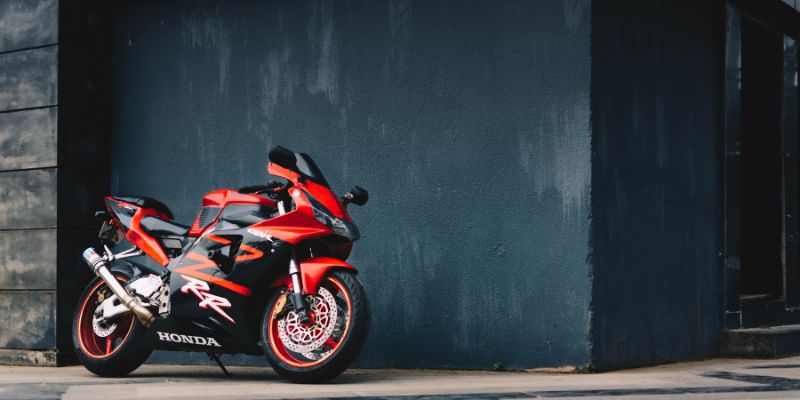
Tying Down the Front of Your Goldwing
The front end carries most of the Goldwing’s weight, so it needs to be bombproof. I’ve tweaked my front tie-down method over the years of hauling. Here’s how I do it:
- Find Anchor Points: On the 2007 Goldwing, the lower triple tree (where the forks meet the frame) is perfect. Don’t use handlebars—they can bend. If you have tie-down brackets, use those.
- Add Soft Loops: Loop a soft loop around each side of the triple tree. I wrap a microfiber towel around it for extra protection.
- Hook Up Straps: Attach a ratchet strap to each soft loop. Run the other end to the trailer’s front corners, pulling forward and slightly outward. This stabilizes the front.
- Tighten Evenly: Ratchet both straps slowly, alternating sides. Compress the front suspension about one-third. Don’t overdo it—too much pressure can damage the forks. I check that the bike stays upright.
This keeps the front locked in place. Always double-check for slack before moving to the rear.
Securing the Rear End
The rear end stops your Goldwing from swaying or tipping. I used to think front straps were enough, but a bumpy road proved me wrong. Here’s my rear tie-down routine:
- Locate Anchor Points: The 2007 Goldwing’s frame is hidden under plastic side covers. Remove them (two screws each) to access the frame near the passenger footpegs. If you can’t, use the passenger grab handles, but they’re less secure.
- Use Soft Loops: Loop a soft loop around each frame point or handle. Add a microfiber towel to avoid scratches.
- Attach Straps: Hook ratchet straps to the soft loops. Run them to the trailer’s rear corners, pulling backward and slightly outward.
- Tighten Straps: Ratchet evenly, compressing the rear suspension just a bit. The bike should feel balanced. I tighten until there’s no movement.
Rear straps balance the front, keeping your Goldwing steady. Recheck all straps after this step.
Checking Your Work
I’ve learned the hard way that checking your setup is non-negotiable. Once, I hit the road without inspecting my straps, and a loose one nearly caused trouble. Here’s my checklist:
- Test the Bike: Push the Goldwing gently side-to-side. It should feel solid.
- Inspect Straps: Look for fraying, loose hooks, or slack. Tighten if needed.
- Check Suspension: The front and rear should be slightly compressed but not maxed out.
- Secure Loose Ends: Tuck strap tails or use bungee cords to stop flapping.
- Test the Trailer: Roll the trailer a few feet to mimic road movement. Recheck everything.
This takes five minutes but saves your bike. I also stop after 15-20 miles to recheck the straps, as they can loosen.
Extra Tips for a Smooth Transport
Hauling a Goldwing is more than just straps. Here are some tricks I’ve picked up:
- Drive Carefully: Take turns slowly and avoid sudden stops. I pretend I’m carrying a glass.
- Cover Your Bike: Use a breathable motorcycle cover to shield from road debris. I learned this after gravel chipped my paint.
- Check Trailer Rating: Your trailer must handle 1,000 pounds (bike plus gear). My trailer’s rated for 2,500 pounds.
- Use a Spotter: Have a friend guide you when loading. It’s saved me from misalignment.
- Pack Spares: Carry extra straps and bungees. A broken strap once left me scrambling.
These habits make transporting your Goldwing stress-free and safe.
Mistakes I’ve Made (So You Don’t Have To)
I’ve goofed up plenty while hauling my Goldwing. Here’s what to avoid:
- Cheap Straps: Thin straps can snap. Always use heavy-duty ones.
- Strapping Handlebars: This can bend them. Stick to the triple tree or frame.
- Over-Tightening: Too much strap tension stresses the suspension. Compress just enough.
- Loose Straps: Slack lets the bike shift. Tighten and check often.
- Strapping Over Plastic: Tying over fairings can crack them. Remove side covers for frame access.
Steer clear of these, and your Goldwing will thank you.
Other Tie-Down Options
I’ve seen Goldwing owners try different setups. Some work, some don’t. Here’s what I’ve explored:
- Tank Straps: These loop under the gas tank. I tried them, but they’re hard to install on the 2007 model.
- Crash Bar Straps: Strapping to engine guards is common but risky—they’re not as strong. I avoid this.
- Canyon Dancer Harness: This grips handlebars for front tie-downs. I don’t use it—too much stress on the bars.
- Custom Brackets: Bolt-on tie-down brackets are awesome. They’re my favorite alternative but need installation.
The triple-tree-and-frame method is safest unless you’ve got brackets. It’s reliable for the 2007 Goldwing.
Protecting Your Goldwing’s Finish
The 2007 Goldwing’s chrome and paint are gorgeous but delicate. I’ve scratched mine before, and it stings. Here’s how I keep it pristine:
- Use Soft Loops: They spread strap pressure and prevent metal-on-metal contact.
- Add Towels: Wrap microfiber towels around strap points. They’re cheap insurance.
- Avoid Plastic: Don’t strap over fairings or panels—they can crack or scratch.
- Cover Chrome: I drape a soft cloth over chrome parts near straps.
- Check After Unloading: Inspect for scratches or dings. Catching them early helps with touch-ups.
A little care keeps your Goldwing looking showroom-new.
Transporting in Different Conditions
I’ve hauled my Goldwing in all kinds of weather. Here’s what I’ve learned:
- Rain: Cover the bike with a waterproof, breathable cover. Check straps more often—wet straps can loosen.
- Wind: Use extra bungees to secure strap ends. I once had a strap tail whip my paint.
- Heat: Avoid leaving the bike in direct sunlight for long. Hot straps can stretch. I park in the shade when possible.
- Cold: Cold straps are stiff and harder to tighten. Warm them in your hands first.
Adjust your setup for the conditions, and your Goldwing will stay secure.
My Favorite Hauling Story
One of my best memories is hauling my Goldwing to a rally in Tennessee. I used a flatbed trailer with a Condor chock and four ratchet straps. The bike didn’t budge over 800 miles, even on winding roads. But I’ve had scares too—like when a strap frayed on a desert highway. Stopping to check saved my bike. Every trip teaches me something, and I’m excited to share those lessons with you.
Conclusion
Tying down a 2007 Honda Goldwing for transport is all about care and preparation. With the right gear, a solid routine, and a few extra checks, you can haul your bike anywhere safely. From prepping and loading to securing the front and rear, each step protects your Goldwing’s beauty and value. Avoid my mistakes, drive smart, and keep your bike covered for extra peace of mind.
I’ve loved every moment with my Goldwing, whether riding or hauling it to new adventures. I hope this guide makes your transport easy and worry-free. Strap down your bike, hit the road, and enjoy the journey!
FAQs
What straps are best for tying down a 2007 Honda Goldwing?
Use four heavy-duty ratchet straps with 2,000-pound breaking strength. I like 1.5-inch-wide nylon straps for strength.
Can I strap my Goldwing to the handlebars?
No, don’t use handlebars. They can bend or stress the steering. Use the lower triple tree or frame instead.Do I need a wheel chock for my Goldwing?
A wheel chock isn’t required, but it makes things easier. It keeps the bike upright while you strap it down.
How tight should the straps be on my Goldwing?
Tighten straps to compress the suspension about one-third. Don’t over-tighten—it can damage forks or shocks.
Should I remove the side panels to tie down my Goldwing?
Removing the side covers gives access to stronger frame points. Strapping over plastic risks cracking
it.How often should I check straps during transport?Check straps before you start, after 15-20 miles, and at every stop. They can loosen from road vibrations.
Can I transport my Goldwing without a cover?
You can, but a breathable cover protects from debris and weather. It’s saved my paint from gravel chips