How to Tie Down a Canoe for Safe Transport
Hey there! If you’re like me, you love hitting the water with your canoe, whether it’s for a peaceful paddle on a quiet lake or an adventurous trip down a winding river. But before you can enjoy the water, you need to get your canoe to your destination safely. That’s where knowing how to tie down a canoe comes in. I’ve learned through trial and error over the years, and I’m excited to share my tips with you. Whether you’re hauling your canoe on a car, truck, or trailer, securing it properly is key to avoiding damage to your canoe, vehicle, or worse—causing an accident. Let’s dive into the step-by-step process of tying down a canoe so you can hit the road with confidence.
Why Properly Tying Down a Canoe Matters
Let me tell you, the first time I tried to transport my canoe, I thought a couple of ropes tossed over it would do the trick. Big mistake! A poorly secured canoe can shift, fall off, or even damage your vehicle. Worse, it could become a hazard on the road. Securing your canoe correctly keeps it safe, protects your investment, and ensures you’re not putting others at risk. Plus, it gives you peace of mind so you can focus on the adventure ahead. The process isn’t complicated, but it does require attention to detail and the right gear. Let’s break it down.
Gear You’ll Need to Tie Down a Canoe
Before you start, you need the right tools. I’ve hauled canoes on everything from a small sedan to a pickup truck, and having the proper equipment makes all the difference. Here’s what you’ll need:
| Item | Purpose |
|---|---|
| Roof rack or foam blocks | Provides a stable base for the canoe on your vehicle. |
| Cam straps or ratchet straps | Secures the canoe to the roof rack or vehicle. |
| Bow and stern lines | Keeps the canoe from shifting forward or backward during transport. |
| Rope or tie-down cords | Additional security for tying the bow and stern to the vehicle’s frame. |
| Padding or pool noodles | Protects the canoe and vehicle from scratches or damage. |
| Red flags or markers | Marks overhanging parts of the canoe for visibility (if required by law). |
I recommend cam straps over ratchet straps because they’re easier to use and less likely to overtighten and damage your canoe. Always check that your straps are in good condition—no fraying or wear. Trust me, a broken strap in the middle of a highway is not fun.
Preparing Your Vehicle for Transport
Getting your vehicle ready is the first step. I’ve learned that a little prep goes a long way. If you have a roof rack, make sure it’s securely attached and rated for the weight of your canoe (most canoes weigh between 50-80 pounds). If you don’t have a roof rack, foam blocks work great for short trips. Just place them on the roof of your car to create a cushioned base.
Clean your vehicle’s roof to remove dirt or debris that could scratch the canoe. I also like to add padding, like pool noodles, over the crossbars of the roof rack for extra protection. If your canoe will overhang the vehicle by more than a few feet, check local laws—some states require a red flag on the end for visibility.
Positioning the Canoe on Your Vehicle
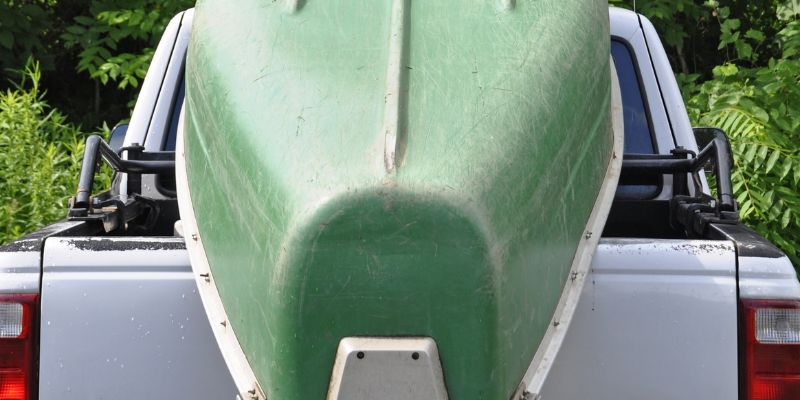
Now, let’s get that canoe on the vehicle. This part can feel tricky, especially if you’re doing it alone, but I’ve got a system that works. First, decide whether you want the canoe right-side up or upside down. I prefer upside down because it’s more aerodynamic and puts less stress on the hull. Here’s how I do it:
- Lift with a friend (or solo with care): If you have someone to help, each of you can grab an end and lift the canoe onto the roof. If you’re alone, lift one end onto the rear of the vehicle, then walk the other end up while sliding it into place. Be gentle to avoid scratching your car.
- Center the canoe: Position the canoe so it’s centered on the roof rack or foam blocks. The weight should be evenly distributed to prevent tipping.
- Check alignment: Make sure the canoe is parallel to the vehicle. A crooked canoe is harder to secure and can catch wind, causing it to shift.
I once made the mistake of rushing this step, and my canoe was slightly off-center. The whole drive, I was paranoid it would slide off! Take your time here—it’s worth it.
Securing the Canoe to the Roof
This is the heart of the process, and where you’ll spend most of your effort. The goal is to make sure the canoe doesn’t budge, no matter how fast you’re driving or how windy it gets. Here’s my step-by-step approach:
- Run cam straps over the canoe: Place two cam straps (or ratchet straps) over the canoe, one near the front and one near the back, looping them through the roof rack crossbars. If you’re using foam blocks, run the straps through the car’s interior, through the doors (not windows).
- Tighten the straps: Pull the straps tight, but not so tight that you dent the canoe. I give them a good tug and then check by pushing on the canoe—it shouldn’t move.
- Double-check the tension: Walk around the vehicle and make sure both straps are equally tight. Uneven tension can cause the canoe to twist.
I like to give the canoe a gentle shake after strapping it down. If it feels rock-solid, you’re good. If there’s any wobble, tighten the straps or reposition them.
Tying Down the Bow and Stern
This step is crucial, especially for longer trips or windy conditions. Bow and stern lines keep the canoe from shifting forward or backward, which can happen during sudden stops or strong gusts. Here’s how I do it:
- Attach bow and stern lines: Use rope or tie-down cords to secure the front (bow) and back (stern) of the canoe to your vehicle’s frame. Most canoes have grab loops or handles for this purpose.
- Find secure anchor points: On the front, I usually tie the line to the vehicle’s tow hook or bumper. On the back, use a hitch or another sturdy point. Avoid tying to plastic parts—they can break.
- Create a V-shape: Angle the lines outward from the canoe to form a V-shape. This stabilizes the canoe and reduces side-to-side movement.
- Tighten securely: Pull the lines taut, but don’t overtighten. You want just enough tension to keep the canoe steady.
I learned the importance of bow and stern lines the hard way when my canoe shifted forward during a sudden stop. Now, I never skip this step, and I recommend you don’t either.
Double-Checking Everything
Before you hit the road, take a moment to double-check your work. I walk around the vehicle, tugging on straps and ropes to make sure nothing’s loose. Look for any signs of wear on the straps or ropes, and ensure the canoe is still centered. If you’re using foam blocks, make sure they haven’t shifted. I also like to check that the bow and stern lines are tight and that any overhanging parts are marked with a flag if needed.
Driving with a Canoe on Your Vehicle
Drivingався
Driving with a canoe on your roof requires extra care. I’ve driven hundreds of miles with my canoe, and here are my top tips for a smooth ride:
- Keep speed in check: High speeds increase wind resistance, which can loosen straps or damage the canoe. I try to stay under 65 mph.
- Avoid sudden stops: Brake gently to prevent the canoe from shifting forward.
- Check periodically: If you’re on a long trip, stop every couple of hours to check the straps and ropes. I’ve had straps loosen slightly over time, so this is a lifesaver.
- Watch for low clearance: Be mindful of low bridges, trees, or parking garages. I once forgot about my canoe and nearly hit a low-hanging branch—lesson learned!
Transporting a Canoe on a Trailer
If you’re using a trailer instead of a roof rack, the process is a bit different but just as straightforward. I’ve used a small utility trailer for longer trips, and it’s great for reducing wear on my vehicle. Here’s how to do it:
- Position the canoe: Place the canoe upside down on the trailer, centered for balance.
- Secure with straps: Use cam straps to tie the canoe to the trailer’s frame or tie-down points. Make sure the straps are tight and evenly spaced.
- Add bow and stern lines: Just like with a roof rack, secure the bow and stern to the trailer to prevent shifting.
- Check for stability: Give the canoe a shake to ensure it’s secure before hitting the road.
Traillers are great for heavy or long canoes, and they’re easier on your vehicle’s roof. Just make sure the trailer is rated for the weight.
Tips for Protecting Your Canoe During Transport
Your canoe is an investment, so you want to keep it in great shape. Here are my go-to tips for protecting it:
- Use padding: Place foam padding or pool noodles between the canoe and the roof rack or trailer to prevent scratches.
- Avoid overtightening: Too much pressure from straps can dent or crack the canoe, especially if it’s made of lightweight materials like fiberglass.
- Cover it up: If you’re transporting in dusty or rainy conditions, consider a tarp or canoe cover to protect the interior.
I once got a nasty scratch on my canoe from a bare roof rack. A little padding would’ve saved me a lot of heartache.
Common Mistakes to Avoid
I’ve made my fair share of mistakes, and I want to help you avoid them. Here are the big ones:
- Using old or worn straps: Frayed straps can break under pressure. Always inspect your gear.
- Skipping bow and stern lines: These are essential for stability, especially on highways.
- Improper balance: An off-center canoe can cause handling issues or even come loose.
- Ignoring local laws: Some states require flags or lights for overhanging loads. Check before you go.
Caring for Your Canoe After Transport
Once you reach your destination, take a moment to care for your canoe. I always give mine a quick rinse to remove road dust or debris. Check for any scratches or dents caused during transport. If you used a tarp, make sure the interior is dry before storing it to prevent mold. A little TLC goes a long way in keeping your canoe ready for your next adventure.
My Personal Experience and Lessons Learned
I’ve been hauling canoes for years, and I’ve had my share of mishaps. One time, I didn’t tie the bow and stern lines tight enough, and my canoe slid forward during a sudden stop. Thankfully, no damage was done, but it was a wake-up call. Another time, I used cheap ropes that frayed halfway through a trip. Now, I always invest in quality gear and double-check everything. These lessons have made me a pro at tying down a canoe, and I hope my tips help you avoid the same mistakes.
Conclusion
Tying down a canoe might seem daunting at first, but with the right gear and a little practice, it becomes second nature. I love the feeling of hitting the road, knowing my canoe is secure and ready for a day on the water. By preparing your vehicle, using quality straps and ropes, and double-checking everything, you’ll ensure a safe and stress-free trip. Whether you’re heading to a nearby lake or a far-off river, you’ll be ready to paddle with confidence. So grab your gear, follow these steps, and get ready for an amazing adventure. Happy paddling!
Frequently Asked Questions
What kind of straps should I use to tie down a canoe?
I recommend cam straps because they’re easy to use and won’t overtighten. Ratchet straps work too, but be careful not to apply too much pressure, as it can damage your canoe. Always check for wear and tear before using any straps.
Can I transport a canoe without a roof rack?
Yes, you can use foam blocks for short trips. Place them on your vehicle’s roof to create a cushioned base, then run cam straps through the car’s interior (through the doors, not windows) to secure the краї