How to Tie Down a Christmas Tree: A Step-by-Step Guide to Safe Transport
The holiday season is my favorite time of year. The smell of fresh pine, twinkling lights, and the joy of picking out the perfect Christmas tree always bring a smile to my face. But after choosing that beautiful evergreen, there’s one task that can feel a bit daunting: getting it home safely. Over the years, I’ve learned the ins and outs of securing a Christmas tree to my vehicle, and I’m excited to share my tips with you. Whether you’re a first-timer or a seasoned tree-hauler, knowing how to tie down a Christmas tree properly ensures it arrives home in one piece, without damaging your car or causing a road hazard. Let’s dive into the details to make your tree transport smooth and stress-free.
Why Properly Tying Down a Christmas Tree Matters
Transporting a Christmas tree isn’t just about tossing it on your car and driving off. A poorly secured tree can slide off, damage your vehicle, or worse, cause an accident. I’ve seen trees tumbling onto highways, creating chaos for drivers. It’s not just about protecting your tree; it’s about keeping everyone safe. A well-tied tree also prevents scratches on your car’s roof and keeps the branches intact for decorating. Taking the time to secure it properly saves you from costly repairs and ensures your tree looks as good at home as it did at the lot.
Choosing the Right Vehicle for Transport
Before you even pick your tree, think about the vehicle you’ll use. I’ve hauled trees on everything from a compact sedan to a pickup truck, and each has its quirks. SUVs and trucks with roof racks or truck beds are ideal, but smaller cars can work too with some extra care. Here’s a quick breakdown of vehicle types and their suitability:
| Vehicle Type | Pros | Cons |
|---|---|---|
| SUV with Roof Rack | Easy to secure with crossbars; spacious | May need padding to prevent scratches |
| Pickup Truck | Large bed for bigger trees; no roof damage | Requires strong tie-downs to prevent sliding |
| Sedan | Common and versatile; roof transport possible | Limited space; risk of roof scratches |
| Hatchback | Trunk can hold smaller trees | Tight fit for larger trees |
If you’re using a sedan or hatchback, measure your tree to ensure it fits. I once tried to squeeze a 7-foot tree onto a compact car, and let’s just say it was a learning experience! Opt for a tree that’s manageable for your vehicle’s size to avoid headaches.

Gathering the Right Supplies
Having the right tools makes all the difference. Over the years, I’ve built a small kit that I keep in my car during tree season. Here’s what you’ll need:
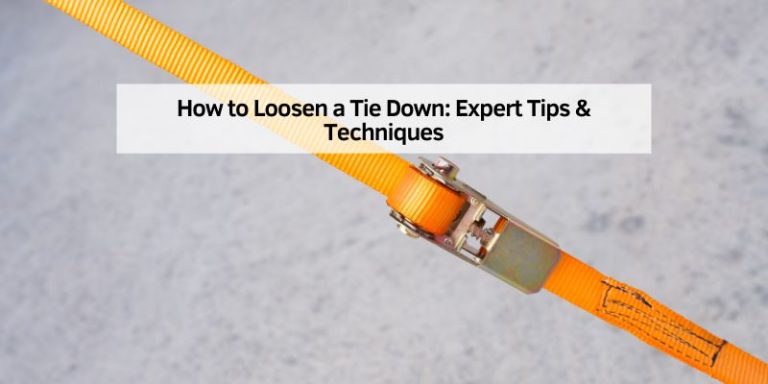
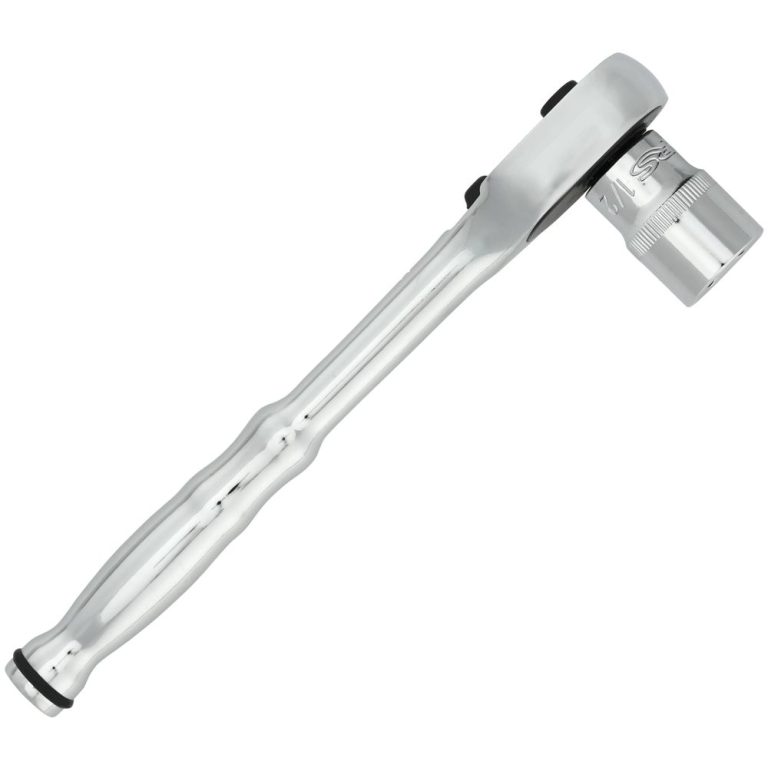
- Rope or Ratchet Straps: I prefer ratchet straps for their strength and ease of use, but strong nylon rope works too. Avoid stretchy bungee cords—they’re not secure enough.
- Tarp or Blanket: This protects your car’s roof from scratches and sap.
- Gloves: Pine needles can be prickly, and gloves keep your hands clean.
- Twine or Netting: Many tree lots wrap trees in netting, which makes them easier to handle.
- Scissors or Knife: Handy for cutting twine or trimming stray branches.
- Bungee Cords (Optional): Useful for extra security but not as the primary tie-down.
I keep these items in a duffel bag in my trunk every December. It’s a small investment that saves time and stress when you’re at the tree lot.
Preparing the Christmas Tree for Transport
Before you tie down your tree, a little prep goes a long way. Most tree lots will offer to wrap your tree in netting, which I highly recommend. Netting compacts the branches, making the tree easier to handle and less likely to catch the wind. If the lot doesn’t offer netting, you can use twine to tie the branches tightly against the trunk.
Once, I skipped this step, thinking I could manage a loose tree. Big mistake—the branches flapped wildly on the highway, and I had to pull over to retie it. If you’re cutting your own tree at a farm, bring some twine or ask the staff to wrap it for you. Also, shake the tree to remove loose needles before loading it. This keeps your car cleaner and reduces mess at home.
Positioning the Tree on Your Vehicle
There are two main ways to transport a Christmas tree: on the roof or in a truck bed. I’ve tried both, and each has its advantages. Here’s how to position your tree correctly:
On the Roof (Cars, SUVs, or Vans)
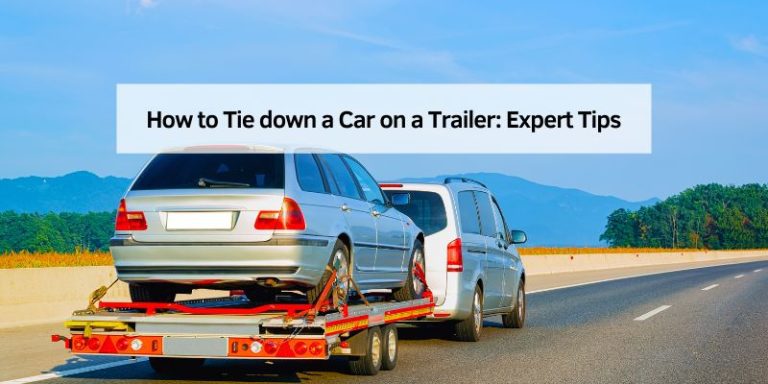
Place a tarp or blanket on the roof to protect the paint. Position the tree with the trunk facing forward and the tip pointing toward the rear of the vehicle. This reduces wind resistance and prevents branches from snapping. I learned this the hard way when I tied a tree tip-first, and the wind bent the branches backward, damaging the tree.
Center the tree on the roof to balance the weight. If your vehicle has a roof rack, align the tree with the crossbars for easier tying. For sedans without racks, you’ll tie the tree through the car’s interior, which I’ll explain later.
In a Truck Bed
For pickup trucks, slide the tree into the bed with the trunk toward the cab and the tip near the tailgate. This keeps the tree stable and prevents it from sliding out. If the tree is longer than the bed, let the tip hang over the tailgate, but secure it tightly to avoid bouncing.
Securing the Tree: Step-by-Step Instructions
Now comes the most important part: tying the tree down. I’ll walk you through how to do this for both roof and truck transport. Follow these steps carefully to ensure your tree stays put.
For Roof Transport
- Lay Down Protection: Spread a tarp or blanket over the roof. I use an old moving blanket—it’s thick enough to prevent scratches.
- Place the Tree: Lift the tree onto the roof, trunk forward. If you’re alone, ask someone at the lot to help—it’s much easier with two people.
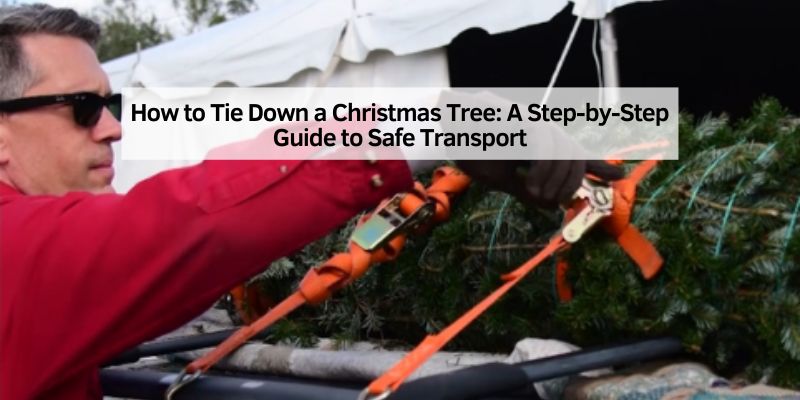
- Secure to Roof Rack (if applicable): Loop ratchet straps or rope over the tree and through the roof rack crossbars. Pull tight and fasten securely. I wrap the straps around the tree at least twice for extra hold.
- Tie Through the Car (no roof rack): Open all four doors. Run the rope or straps over the tree and through the car’s interior, under the roof. Tie tightly, ensuring the doors can still close. This method saved me when I used my sedan!
- Check Stability: Gently shake the tree to ensure it doesn’t move. Tighten straps if needed.
- Secure Loose Ends: Tuck any loose rope or strap ends to prevent them from flapping in the wind.
For Truck Bed Transport
- Position the Tree: Slide the tree into the bed, trunk toward the cab. Ensure it’s centered.
- Tie to Anchor Points: Most truck beds have built-in anchor points. Loop ratchet straps or rope through these and over the tree. Secure at multiple points along the tree’s length.
- Prevent Sliding: If the tree is longer than the bed, tie the overhanging portion to the tailgate or bumper to prevent bouncing.
- Double-Check: Tug on the tree to confirm it’s secure. Tighten any loose straps.
I always do a final walk-around to make sure everything looks tight. It only takes a minute and gives me peace of mind.
Driving Safely with a Christmas Tree
With the tree secured, you’re ready to hit the road—but drive carefully! A tree adds weight and changes your vehicle’s aerodynamics. I stick to a few rules to stay safe:
- Drive Slowly: Keep your speed below 50 mph, especially on highways. Wind can loosen straps or damage the tree at high speeds.
- Avoid Sudden Stops: Brake gently to prevent the tree from shifting.
- Check Periodically: If you’re driving far, stop every 20–30 minutes to check the straps. I once had a strap loosen on a long drive, and a quick stop saved the day.
- Watch for Low Clearances: Trees on the roof increase your vehicle’s height. Avoid low bridges or parking garages.
One year, I got overconfident and sped up on the freeway. The tree stayed put, but the wind stripped off half the needles! Slow and steady is the way to go.
Unloading and Setting Up at Home
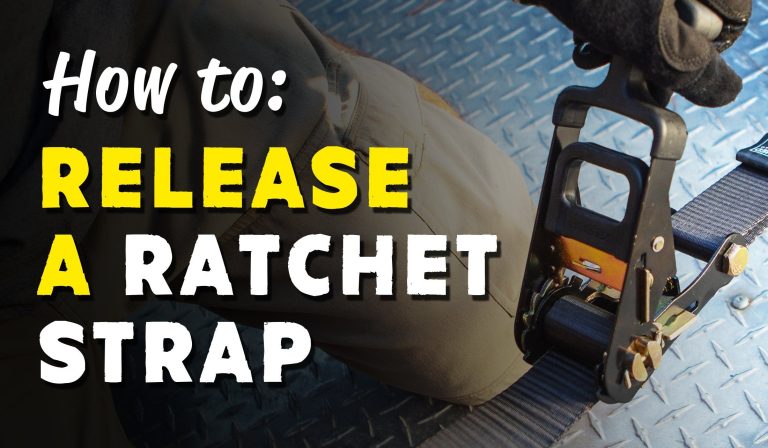
When you get home, unloading is just as important as tying down. Park close to your entrance to minimize carrying distance. Cut the ropes or release the straps carefully—watch for branches springing back! I always wear gloves to avoid sap and needle pricks.
Shake the tree again to remove loose needles before bringing it inside. If it’s wrapped in netting, cut it off carefully to avoid damaging branches. Set up your tree stand first, then slide the trunk in. I’ve found that having a helper makes this part much easier.

Tips for Protecting Your Vehicle and Tree
Through trial and error, I’ve picked up a few tricks to keep both my car and tree in top shape:
- Use a Roof Pad: A yoga mat or thick towel works if you don’t have a tarp.
- Clean Sap Immediately: Pine sap can damage paint. Wipe it off with rubbing alcohol or a specialized cleaner.
- Trim Stray Branches: If branches are rubbing against your car, trim them slightly to prevent scratches.
- Keep the Tree Fresh: Transport your tree as soon as possible after cutting to maintain its freshness.
One year, I left sap on my car’s roof for a week, and it took hours to scrub off. Trust me, clean it right away!
Common Mistakes to Avoid
I’ve made my share of mistakes, and I want you to avoid them. Here are some common pitfalls:
- Using Weak Tie-Downs: Bungee cords or thin rope can snap. Stick to ratchet straps or strong nylon rope.
- Overloading a Small Car: A tree that’s too big for your vehicle is a recipe for disaster. Measure first!
- Ignoring Weather: Rain or snow can make straps slippery. Check the forecast and bring extra supplies.
- Rushing the Process: Take your time to secure the tree properly. A few extra minutes can prevent a big mess.
Conclusion
Tying down a Christmas tree doesn’t have to be stressful. With the right supplies, a little preparation, and careful driving, you can bring your tree home safely and start decorating with joy. I’ve hauled trees for years, and each trip teaches me something new. Whether you’re strapping a tree to your sedan’s roof or tossing it in a truck bed, these steps will keep your tree secure and your holiday spirit bright. So grab your straps, pick out that perfect tree, and enjoy the season knowing you’ve got this!
Frequently Asked Questions
How do I choose the right size Christmas tree for my vehicle?
Measure your vehicle’s roof or truck bed before heading to the lot. For roof transport, aim for a tree no longer than your car’s length. For trucks, ensure the tree fits within the bed or can be secured if it overhangs. I always bring a tape measure to avoid guessing.
Can I transport a Christmas tree inside my car?
Yes, for smaller trees, you can place them in the trunk of a hatchback or SUV with the seats folded down. Wrap the tree in a tarp to avoid needles and sap inside. I’ve done this with a 5-foot tree, and it worked great.
What’s the best way to clean sap off my car?
Use rubbing alcohol or a commercial sap remover with a soft cloth. Wipe gently and wash the area afterward to remove residue. I keep a small bottle of alcohol in my car for quick cleanups.
How do I know if my tree is secure enough?
Give the tree a gentle shake after tying it down. If it moves, tighten the straps or ropes. Check again after driving a short distance. I always tug on the tree before hitting the road.
Can I reuse my tie-down supplies next year?
Absolutely! Ratchet straps, ropes, and tarps can be reused if they’re in good condition. Inspect them for wear and tear before using them again. I’ve used the same straps for three seasons, and they’re still going strong.