How to Tie Tie Down Straps: A Step-by-Step Guide for Secure Loads
Hey there! If you’ve ever loaded up your truck bed with gear, hauled a trailer, or strapped down cargo for a road trip, you know how crucial tie-down straps are. I remember the first time I tried securing a kayak to my SUV roof rack—let’s just say it was a wobbly disaster until I learned how to tie down straps properly. Whether you’re a weekend adventurer, a DIY mover, or someone hauling equipment for work, knowing how to use tie-down straps can save your stuff, your vehicle, and your peace of mind.
In this guide, I’m sharing everything I’ve learned from years of trial and error, hauling everything from furniture to ATVs across the USA. I’ll walk you through the process step by step, share tips to make your loads rock-solid, and help you avoid the mistakes I made. Let’s get started and make sure your cargo stays put, no matter where the road takes you!
Why Tie Down Straps Are a Game-Changer
Picture this: you’re driving down the highway, excited for a weekend getaway, when you glance in your rearview mirror and see your cargo shifting. Yikes! I’ve been there, and it’s not fun. Tie-down straps are the unsung heroes of safe transport. They keep your load secure, prevent damage to your vehicle, and ensure you’re not a hazard on the road. Whether you’re moving a couch across town or hauling a motorcycle cross-country, straps give you control over heavy, bulky items.
Plus, in the USA, road safety laws often require proper load securing to avoid fines or accidents. Learning to tie them right isn’t just practical—it’s essential for keeping everyone safe.
Types of Tie Down Straps: Picking the Right One
When I first started using tie-down straps, I didn’t realize there were so many types. Choosing the right one makes all the difference. Here’s what I’ve learned about the most common options and when to use them.
Ratchet Straps: The Heavy-Duty Choice
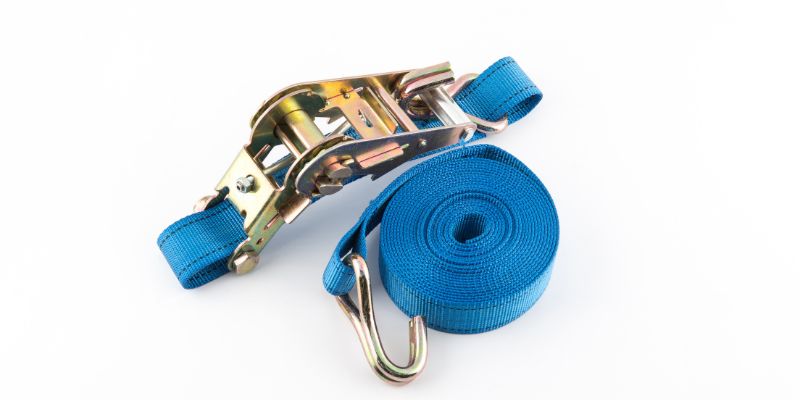
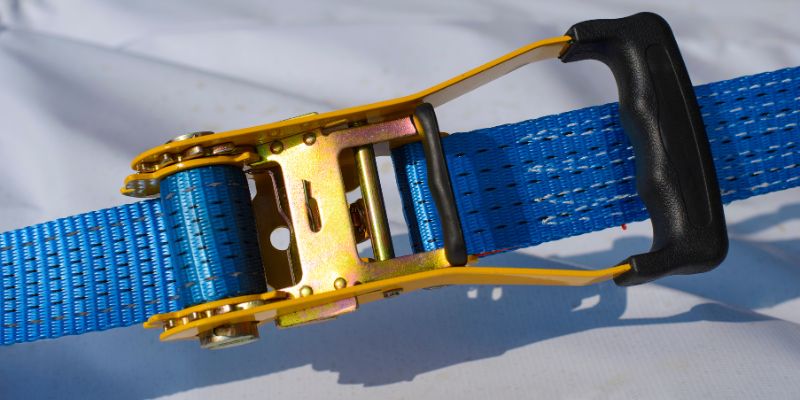
Ratchet straps are my go-to for big loads like furniture, appliances, or vehicles. They have a ratcheting mechanism that lets you tighten the strap with serious force. I used ratchet straps to secure a 500-pound ATV to a trailer, and it didn’t budge an inch over 300 miles. They’re durable, adjustable, and great for heavy-duty jobs, but they take a bit of practice to use correctly.
Cam Buckle Straps: Easy and Lightweight
For lighter loads, like kayaks or camping gear, I prefer cam buckle straps. These use a simple buckle system where you pull the strap through and press to lock. They’re easier to use than ratchet straps and less likely to over-tighten, which can damage delicate items. I’ve found them perfect for securing bikes to a roof rack without scratching the frame.
Bungee Cords: Not True Tie Downs
I’ll be honest—bungee cords aren’t technically tie-down straps, but I see people using them all the time. They’re stretchy and quick to use, but they’re not great for heavy or critical loads. I once used bungee cords for a mattress, and it shifted every time I turned a corner. Stick to ratchet or cam buckle straps for anything that needs to stay put.
Here’s a quick table to help you choose the right strap:
| Strap Type | Best For | Strength | Ease of Use | Price Range |
|---|---|---|---|---|
| Ratchet Straps | Heavy loads (vehicles, furniture) | 1,000–10,000 lbs | Moderate | $10–$50 |
| Cam Buckle Straps | Light to medium loads (bikes, kayaks) | 500–2,000 lbs | Easy | $5–$30 |
| Bungee Cords | Temporary, light loads | Up to 100 lbs | Very Easy | $2–$15 |
Tools and Materials You’ll Need
Before you start tying down your load, gather your gear. Here’s what I keep in my truck for securing cargo:
- Tie down straps: Ratchet or cam buckle, depending on the load.
- Anchor points: Check your vehicle or trailer for built-in hooks or rails.
- Padding or blankets: To protect delicate items from strap damage.
- Gloves: For grip and to avoid rope burns.
- Scissors or knife: To trim excess strap length (be careful!).
- Tarp or netting: For loose items, to keep them contained.
I always buy straps with a higher weight rating than I think I’ll need. A 1,000-pound strap might sound like overkill for a 200-pound load, but it gives you extra security and peace of mind.
Step-by-Step Guide to Tying Tie-Down Straps
Now, let’s get to the fun part—tying down your load. I’ll walk you through how I use ratchet straps, since they’re the most versatile. If you’re using cam buckle straps, the process is similar but simpler.
Step 1: Inspect Your Straps
Before you start, check your straps for wear and tear. I’ve made the mistake of using a frayed strap, and it snapped mid-trip. Look for cuts, frayed edges, or damaged buckles. If anything looks off, replace the strap. Also, make sure the strap’s weight rating matches or exceeds your load.
Step 2: Position Your Load
Place your cargo as close to the center of your vehicle or trailer as possible. I learned this the hard way when a poorly placed box of tools tipped my trailer to one side. For heavy items, keep them low to avoid raising the center of gravity. If you’re using a truck bed, position the load against the cab for stability.
Step 3: Find Anchor Points
Look for strong anchor points on your vehicle or trailer. Most trucks and trailers have built-in hooks, loops, or rails. I’ve used the tie-down loops in my pickup bed for years, and they’re a lifesaver. If your vehicle doesn’t have anchor points, you can buy bolt-on hooks from a hardware store. Make sure they’re rated for your load’s weight.
Step 4: Thread the Strap (Ratchet Straps)
For ratchet straps, open the ratchet handle fully. Feed the strap through the slot in the ratchet’s spool, pulling it through until there’s no slack. I usually leave a few feet of strap on the loose end for adjustments. Attach one end of the strap to an anchor point, then drape it over your load to the opposite anchor point.
Step 5: Secure and Tighten
Hook the strap to the second anchor point. For ratchet straps, pump the handle to tighten the strap until it’s snug. Don’t over-tighten—I once dented a kayak by cranking too hard. For cam buckle straps, pull the strap through the buckle and press to lock. Check that the strap is flat and not twisted, as twists can weaken it.
Step 6: Use Multiple Straps
One strap is rarely enough. I use at least two straps for most loads, crossing them in an “X” pattern for extra stability. For long items like lumber or kayaks, I add a third strap in the middle. This keeps the load from shifting side to side or front to back.
Step 7: Test the Load
Give your load a gentle shake to make sure it’s secure. I always push on the cargo from different angles to mimic road bumps. If anything moves, tighten the straps or add another. Before hitting the road, double-check that all straps are tight and hooks are secure.
Tips for Using Tie Down Straps Like a Pro
After years of hauling gear, I’ve picked up some tricks to make tying down straps easier and safer:
- Use padding: For delicate items like bikes or furniture, place blankets or foam under the straps to prevent scratches.
- Avoid knots: Knots can weaken straps and make them hard to untie. If you need to shorten a strap, wrap the excess around the ratchet or buckle.
- Check during stops: On long trips, I stop every couple of hours to check my straps. Road vibrations can loosen them over time.
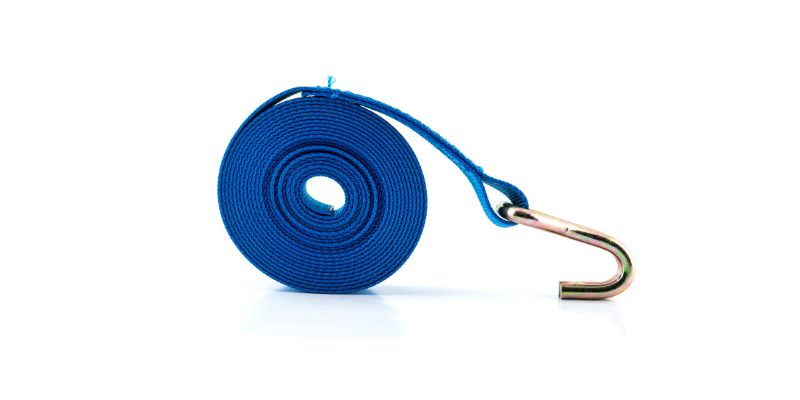
- Store straps properly: I roll my straps and store them in a dry toolbox to prevent damage from moisture or sun exposure.
- Label your straps: I mark mine with the weight rating (like “5,000 lbs”) using a permanent marker. It saves time when I’m in a hurry.
Common Mistakes to Avoid
I’ve made plenty of blunders with tie-down straps, so let me save you some trouble. Don’t use damaged straps—frayed edges or bent buckles are a recipe for failure. Don’t skimp on the number of straps; one or two might not cut it for heavy loads. Don’t ignore your vehicle’s weight limits; overloading can damage your suspension or frame. And don’t assume your load is fine just because it looks secure—always test it before driving.
When to Use Extra Precautions
If you’re hauling in extreme conditions, like high winds or heavy rain, take extra steps. I once drove through a stormy stretch in Texas, and my load stayed put because I used extra straps and a tarp to keep everything dry. For oversized loads, like boats or trailers, check local laws—some states require permits or flags for wide loads. If you’re hauling something valuable, like a vintage motorcycle, consider adding a lock to your straps to deter theft.
My Personal Experience: Lessons from the Road
When I started using tie-down straps, I thought it was as simple as tossing a strap over and pulling tight. Boy, was I wrong. My first big haul—a dining table across state lines—nearly ended in disaster when a cheap strap snapped. Since then, I’ve invested in quality ratchet straps, learned to double-check anchor points, and always carry extras. I’ve hauled everything from dirt bikes to moving boxes, and I’ve driven through rain, wind, and even light snow. The key is preparation: inspect your gear, plan your route, and check your load often. Now, I feel confident hitting the road with any cargo, and I want you to feel that way too.
Choosing the Right Straps for Your Vehicle
Not all straps work for every vehicle. In my pickup truck, I use heavy-duty ratchet straps for the bed and cam buckle straps for the roof rack. For smaller vehicles, like an SUV or car, cam buckle straps are usually enough for roof loads. If you’re towing a trailer, check its anchor points and weight rating before buying straps. I also recommend keeping a mix of strap lengths—short ones (6–10 feet) for small loads and longer ones (15–20 feet) for bigger items like boats.
Maintenance and Storage of Tie Down Straps
Taking care of your straps extends their life and keeps them safe to use. After every trip, I inspect my straps for wear and clean them if they’re dirty. Mud or sand can weaken the fibers, so I rinse them with water and let them air dry. I store mine in a plastic bin in my garage to protect them from sun and rain. If a strap shows signs of fraying or a buckle is bent, I replace it immediately. Good straps aren’t cheap, but they’re worth every penny when your load stays secure.
Legal Considerations for Hauling Loads
In the USA, each state has rules about securing loads. I learned this when I got pulled over in California for a loose tarp flapping on my trailer. Most states require loads to be fully secured with no loose ends or shifting items. Some also require red flags for loads that extend past your vehicle. Check your state’s Department of Transportation website for specifics. For example, Texas requires oversized loads to have permits, while Florida has strict rules for trailer loads. Staying legal keeps you safe and avoids hefty fines.
Conclusion
Tying down straps might seem like a small part of hauling cargo, but it’s the key to safe, stress-free trips. Whether you’re moving across town or hitting the open road, a properly secured load means you can focus on the journey, not the stuff in the back. I’ve shared my tips, tricks, and hard-learned lessons to help you tie down straps like a pro. From choosing the right straps to double-checking your load, these steps will keep your cargo safe and your mind at ease. So, grab your straps, hit the road, and haul with confidence. Here’s to safe travels and secure loads!
Frequently Asked Questions
What’s the difference between ratchet and cam buckle straps?
Ratchet straps are stronger and better for heavy loads like vehicles or furniture. Cam buckle straps are easier to use and great for lighter loads like bikes or kayaks. I choose based on the weight and size of my cargo.
How many tie-down straps do I need?
It depends on the load, but I usually use at least two straps for small items and three or more for larger ones. Crossing straps in an “X” pattern adds extra stability.
Can I reuse tie-down straps?
Yes, as long as they’re not damaged. I inspect mine for fraying or bent buckles after every use. If they’re in good shape, I clean and store them for the next trip.
How tight should tie-down straps be?
Tight enough to hold the load without movement, but not so tight that you damage the item or strap. I check by shaking the load gently—if it doesn’t budge, it’s good.
Are bungee cords safe for securing heavy loads?
Not really. I’ve tried bungee cords, and they stretch too much for heavy items. Stick to ratchet or cam buckle straps for anything that needs to stay secure.
What do I do if my vehicle doesn’t have anchor points?
You can buy bolt-on anchor points or use a roof rack with built-in loops. I’ve added anchors to my truck bed, and they work great for securing straps.