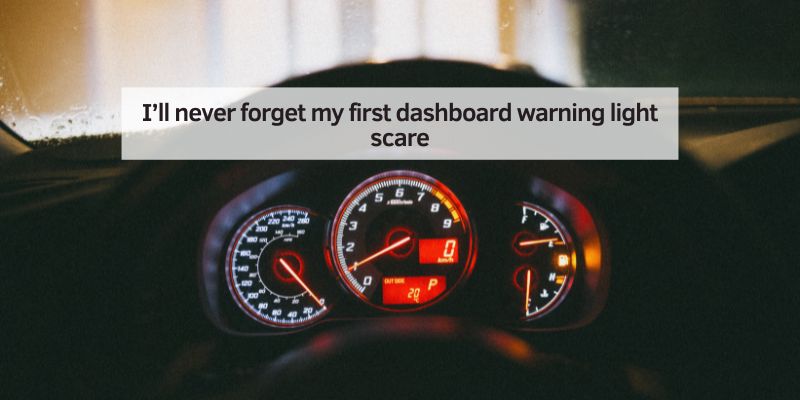
I’ll never forget my first dashboard warning light scare
My old sedan’s check engine light popped on during a road trip. I panicked, thinking my car was about to break down! But I learned that dashboard warning lights don’t always mean disaster. With some simple steps, you can often turn them off safely. In this guide, I’ll share easy ways to handle those pesky lights, explain what they mean, and give you tips to avoid costly mistakes. Whether you’re new to cars or a seasoned driver, you’ll find clear, practical advice here.
What Are Dashboard Warning Lights?
Dashboard warning lights are little icons on your car’s dashboard. They light up to tell you something’s wrong or needs attention.
Why Do They Matter?
These lights keep your car safe and running well. Ignoring them can lead to big problems, like engine damage. But some lights can be turned off with simple fixes. Let’s learn how!
Common Warning Lights
Here are some common lights you might see:
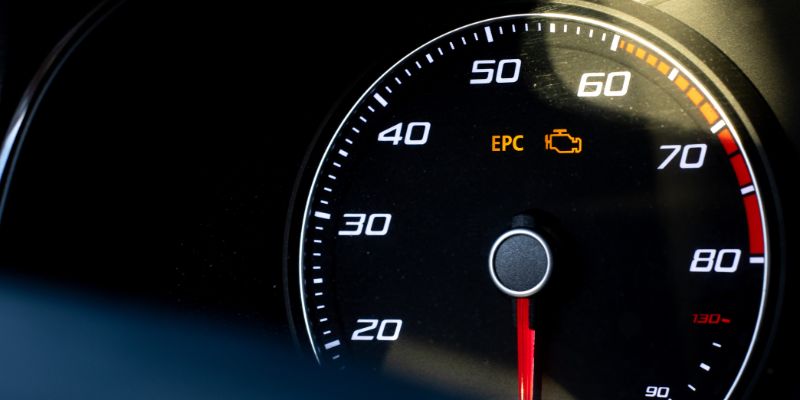
- Check Engine Light: Signals engine or emission issues.
- Oil Pressure Light: Warns about low oil pressure.
- Battery Light: Shows battery or charging problems.
- Brake Light: Indicates brake system issues.
- Tire Pressure Light: Alerts you to low tire pressure.
How to Turn Off Dashboard Warning Lights
Turning off warning lights depends on the problem. Some fixes are easy, while others need a mechanic. Below, I’ll share simple steps for common lights.
Tools You’ll Need
You don’t need much to start troubleshooting:
- OBD-II Scanner: A device to read error codes ($20-$50).
- Basic Tools: Screwdriver, wrench, or tire pressure gauge.
- Owner’s Manual: Your car’s guide for specific instructions.
- Gloves and Rags: Keep your hands clean.
Tip: Check your owner’s manual first. It’s like a map for your car!
Step-by-Step Guide to Reset Common Warning Lights
Check Engine Light
The check engine light can mean many things. Here’s how to handle it:
- Tighten the Gas Cap: A loose cap can trigger the light. Twist it until it clicks.
- Use an OBD-II Scanner: Plug it into the port under the dashboard. Read the error code. Clear it if it’s minor, like a gas cap issue.
- Check for Issues: Look for obvious problems, like low fluids. Fix them first.
- Reset the Light: Use the scanner to clear the code. Drive a bit to see if it stays off.
Safety Tip: If the light comes back, see a mechanic. It could be serious.
Oil Pressure Light
Low oil pressure is bad news. Try this:
- Check Oil Level: Use the dipstick. Add oil if it’s low.
- Look for Leaks: Check under the car for oil spots.
- Reset the System: Some cars reset automatically after adding oil. Check your manual.
- Get Help: If the light stays on, visit a mechanic fast.
Cost-Saving Tip: Buy oil in bulk to save money.
Battery Warning Light
A battery light means charging issues. Here’s what to do:
- Check Battery Connections: Tighten loose cables. Clean corrosion with a rag.
- Test the Battery: Use a voltmeter (should read 12.6 volts when off).
- Reset the Light: Disconnect the battery for 10 minutes to reset. Reconnect tightly.
- Visit a Mechanic: If it doesn’t work, the alternator might be bad.
Mistake to Avoid: Don’t ignore this light. You could get stranded!
Tire Pressure Light
This light is often easy to fix:
- Check Tire Pressure: Use a tire gauge. Fill tires to the recommended PSI (check the driver’s door sticker).
- Look for Leaks: Spray soapy water on tires to find holes.
- Reset the Light: Drive a few miles, or use the reset button (check your manual).
- Recheck Weekly: Keep tires properly inflated to save gas.
Pro Tip: Proper tire pressure improves gas mileage!
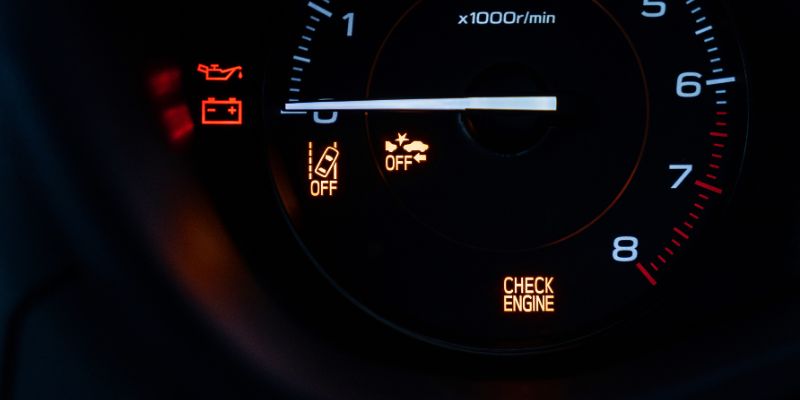
Table: Common Warning Lights and Quick Fixes
| Warning Light | Likely Cause | Quick Fix |
|---|---|---|
| Check Engine | Loose gas cap, sensor issue | Tighten cap, use OBD-II scanner |
| Oil désigne |
| Oil Pressure | Low oil level | Add oil, check leaks |
| Battery | Loose cables, bad alternator| Tighten cables, reset battery |
| Tire Pressure | Low tire air | Inflate tires, reset system |
Caption: Quick reference for common dashboard warning lights.
Benefits and Risks of Resetting Lights
Benefits
- Saves Time: Fixing minor issues yourself is quick.
- Saves Money: Avoid mechanic fees for simple problems.
- Peace of Mind: No more annoying lights!
Risks
- Masking Problems: Resetting without fixing the cause can hide issues.
- Warranty Issues: Some resets might affect car warranties.
- Safety Risks: Ignoring serious lights can lead to breakdowns.
My Advice: Always diagnose the cause before resetting. I once reset a light and missed a bad sensor. It cost me $200 later!
Personal Tips from My Experience
I’ve dealt with plenty of warning lights over the years. Here are my top tips:
- Stay Calm: Most lights don’t mean immediate danger.
- Keep a Scanner: A cheap OBD-II scanner is a lifesaver.
- Check Regularly: Monitor fluids and tires to prevent lights.
- Don’t Guess: If unsure, consult a mechanic.
Mistake I Made: I ignored an oil light once. It led to a $500 repair. Don’t do that!
Table: Tools and Costs
| Tool | Cost | Where to Get It |
|---|---|---|
| OBD-II Scanner | $20-$50 | Amazon, AutoZone |
| Tire Pressure Gauge | $5-$15 | Walmart, gas stations |
| Voltmeter | $10-$30 | Hardware stores, online |
Caption: Affordable tools for troubleshooting warning lights.
Visual Ideas
To make this easier, here are visual ideas (not included):
- Diagram of Dashboard Lights: Show common icons and their meanings.
- OBD-II Port Location: A photo of where to plug in the scanner.
- Tire Pressure Check: A simple setup with a gauge and tire.
Other Ways to Handle Warning Lights
Sometimes, resetting isn’t enough. Here are options:
- Mechanic Visit: For complex issues, like engine misfires.
- Auto Parts Store: Many offer free code readings.
- Online Forums: Sites like Reddit have car-specific advice.
Source: Check out Car and Driver for detailed guides.
Conclusion
Dashboard warning lights can be scary, but they’re fixable. Start with simple checks like tightening the gas cap or adding oil. Use tools like an OBD-II scanner for deeper issues. Always prioritize safety—don’t just reset lights without understanding why they’re on. Try these steps yourself, and share your stories in the comments! It’s fun to hear how others tackle car problems. Let’s keep our cars happy and safe!
Frequently Asked Questions
Why Do Dashboard Warning Lights Turn On?
Warning lights signal issues like low fluids or sensor problems. They alert you to fix things before they get worse.
Can I Turn Off Warning Lights Without Fixing the Problem?
Yes, but it’s risky. Resetting lights with tools like an OBD-II scanner might hide serious issues. Always check the cause first.
What Tools Do I Need to Reset Dashboard Lights?
You need an OBD-II scanner, tire gauge, or basic tools like a wrench. Your owner’s manual helps, too.
Is It Safe to Drive with a Warning Light On?
It depends. Lights like tire pressure are less urgent. But oil or brake lights need quick action to avoid damage.
How Do I Know Which Light Is Serious?
Red lights, like oil or brake, are urgent. Yellow, like check engine, can wait a bit. Check your manual for details.
What If the Light Keeps Coming Back?
If it returns, the issue isn’t fixed. Visit a mechanic for a deeper diagnosis, like faulty sensors or wiring.
Can I Fix All Warning Lights Myself?
Some, like tire pressure or gas cap issues, are easy. Others, like engine problems, often need pros. Start simple, then get help if needed.