How to Unlock a Garage Door Slide Lock
Sometimes your garage door slide lock can get stuck, and figuring out how to unlock it can be a real head-scratcher, especially if you’re new to garage door maintenance. You might worry about damaging your door or getting locked out for good. But don’t fret!
This guide will show you exactly how to unlock a garage door slide lock with simple, easy-to-follow steps. We’ll walk you through it so you can get your garage door working again in no time.
Understanding Garage Door Slide Locks
Garage door slide locks, also known as manual slide locks or bolt locks, are a common security feature found on many garage doors. They provide a physical barrier that prevents the door from being opened, either from the outside or the inside. These locks are particularly useful when you want to add an extra layer of security, especially during extended periods away from home or if you’re concerned about power outages that could disable an automatic opener.
While simple in design, they can sometimes present a challenge when they become jammed or when the user isn’t familiar with their operation. This section explores the basics of what these locks are and why they might need manual intervention.
What is a Garage Door Slide Lock?
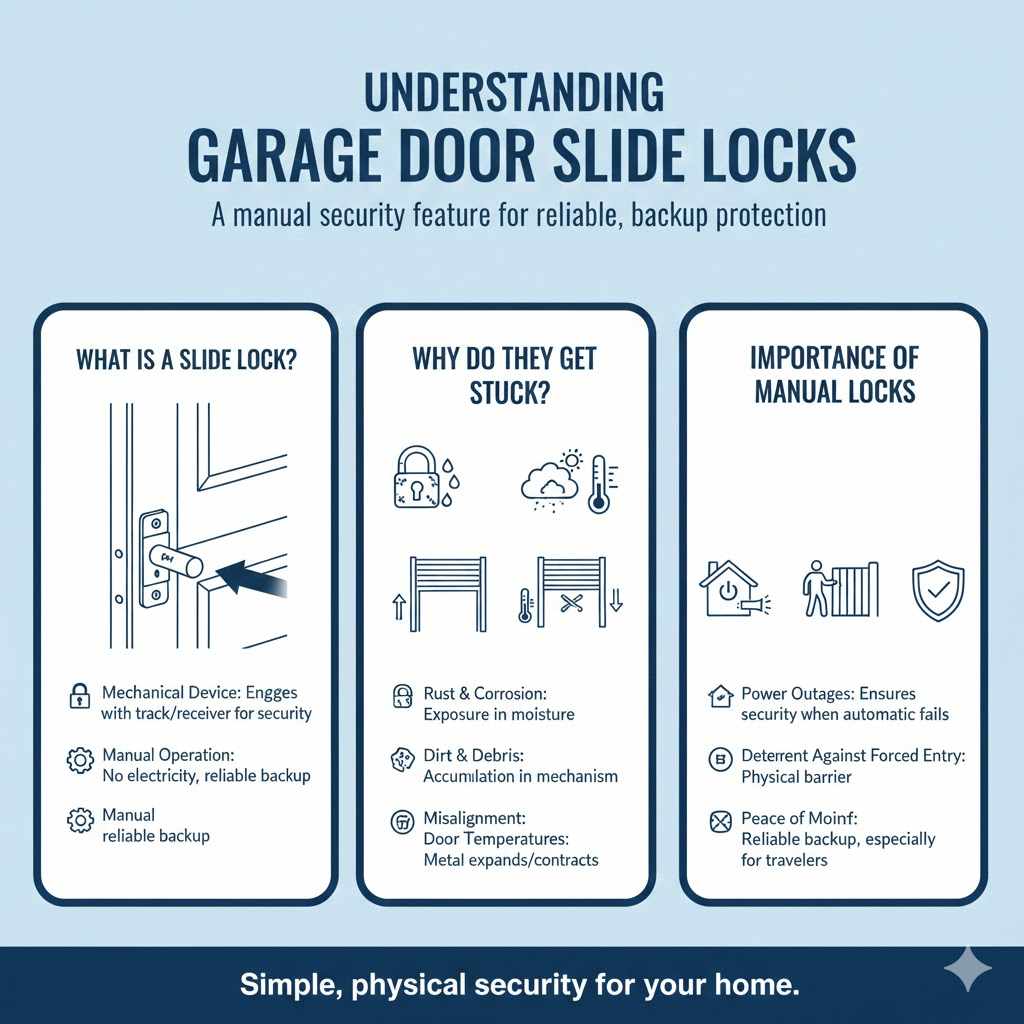
A garage door slide lock is a mechanical device that engages with a track or a receiver on the garage door frame. It typically consists of a handle or lever that, when moved, causes a bolt or pin to slide into a locking position. This physically obstructs the movement of the garage door.
The primary purpose is security, acting as a deadbolt for your garage. It’s distinct from automatic openers and sensors, relying solely on manual operation.
These locks are often found on older garage door models or as an added security measure for newer ones. They are usually installed on the inside of the garage door. You’ll often see them on the bottom section of the door, but they can be positioned elsewhere depending on the door’s design.
Their simplicity is their strength, as they don’t rely on electricity or remote signals, making them a reliable backup.
Why Do Slide Locks Get Stuck?
Several factors can cause a garage door slide lock to become stuck. One common reason is rust and corrosion. Over time, exposure to moisture can cause the metal parts of the lock to rust, making them stiff and difficult to move.
Dirt, dust, and debris can also accumulate within the locking mechanism, gumming it up and preventing smooth operation.
Another cause can be misalignment. If the garage door itself is slightly out of alignment or has shifted, the slide lock may not engage or disengage properly with its receiver. Extreme temperatures, both hot and cold, can also affect the metal components, causing them to expand or contract and potentially seize up.
Lastly, wear and tear from frequent use can simply lead to the parts becoming worn out, making the lock less responsive.
The Importance of Manual Locks
Manual slide locks offer a crucial layer of security that automatic systems cannot always replicate. In the event of a power outage, your automatic garage door opener will be useless. A manual slide lock ensures you can still secure your garage and home.
They also act as a deterrent against forced entry. A determined intruder might be able to bypass electronic security, but a robust manual lock can present a significant obstacle.
For homeowners who travel frequently or live in areas with higher crime rates, these locks provide peace of mind. They are a physical barrier that requires deliberate action to bypass. Understanding how they work and how to maintain them is key to ensuring your home’s security remains a top priority.
How to Unlock a Garage Door Slide Lock Step By Step
When your garage door slide lock refuses to budge, it can be frustrating. However, with a systematic approach, most stuck slide locks can be freed. This guide breaks down the process into simple, actionable steps, starting with the gentlest methods and progressing to more involved solutions if needed.
We aim to provide a clear path so you can confidently tackle this common household issue without causing further damage.
Step 1 Initial Assessment and Gentle Prodding
Before you try anything forceful, take a moment to look closely at the slide lock. Is there any visible debris, like dirt or small stones, that might be obstructing it? Is the lock mechanism itself bent or damaged?
Sometimes, a quick visual inspection can reveal the problem.
Once you’ve assessed the situation, try to gently work the lock back and forth. Don’t force it hard. Instead, apply steady, light pressure.
Sometimes, just a little wiggle is all that’s needed to dislodge a minor obstruction or get a slightly stiff mechanism moving again. Try jiggling the handle or lever slightly while applying outward pressure.
Step 2 Lubrication for Smooth Operation
If gentle prodding doesn’t work, lubrication is your next best friend. Rust and friction are often the culprits behind stuck slide locks. A good quality lubricant can significantly ease the movement of the lock’s internal parts.
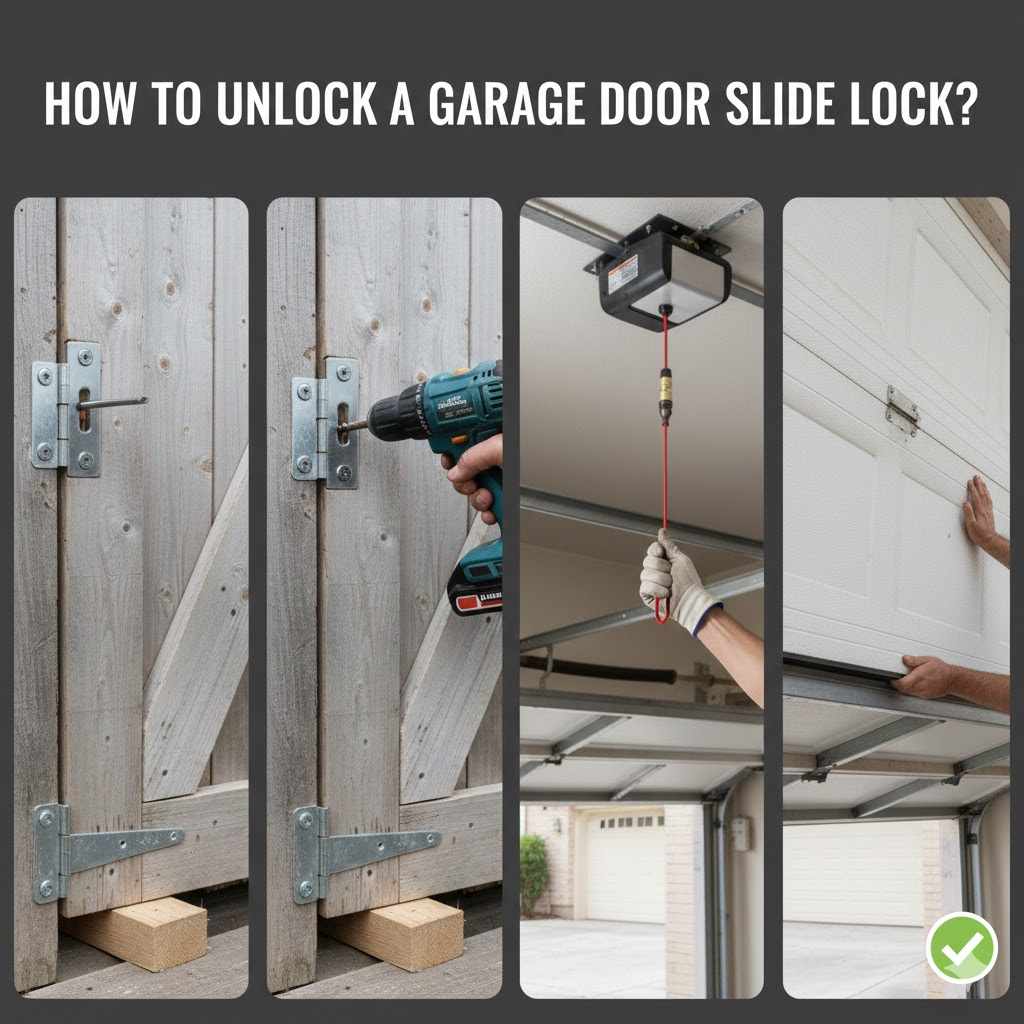
Spray a penetrating lubricant, such as WD-40 or a silicone-based spray, directly onto the slide lock mechanism. Pay attention to the areas where the bolt or pin slides in and out, and where the handle pivots. Let the lubricant sit for a few minutes to allow it to penetrate any rusted or tight areas.
After waiting, try to operate the lock again, gently at first, then with a bit more confidence if it starts to move. You might need to repeat this process a couple of times.
Step 3 Clearing Obstructions
If lubrication doesn’t solve the problem, there might be a more significant physical obstruction. Carefully inspect the path of the slide lock’s bolt or pin. Look for any small stones, dirt buildup, or even a small piece of metal that might be wedged in the locking mechanism or its receiver.
You can use a thin, flat tool like a putty knife, a stiff wire, or even a thin screwdriver to carefully try and dislodge any visible obstructions. Be very gentle to avoid bending or breaking the lock mechanism or damaging the garage door frame. If you can see something blocking the path, try to gently pry it out or push it away from the lock’s intended path.
Step 4 Applying Controlled Force
If the lock is still stuck after trying the above steps, you may need to apply a bit more controlled force. This should be done carefully to avoid damaging the lock or the door.
Try using a tool to gain more leverage. A pair of pliers or an adjustable wrench can sometimes be used to get a better grip on the lock handle or lever, allowing you to apply more steady torque. Work the lock back and forth with this added leverage.
If the lock moves even a little, keep working it gently until it fully disengages.
Here’s a practical example: Imagine your slide lock handle feels completely solid and won’t move at all. You’ve lubricated it, but it’s still stuck. You could try gripping the handle firmly with pliers and slowly turning it while simultaneously pulling outwards on the handle, applying firm but not excessive pressure.
Keep the pressure consistent, and you might feel a slight give.
Step 5 Addressing Misalignment
Sometimes, the slide lock itself isn’t the problem, but rather how it aligns with its keeper or slot on the garage door frame. If the door has settled or shifted slightly, the bolt might be hitting the edge of the slot instead of sliding into it.
In this case, you might need to gently push or pull on the garage door itself while trying to operate the slide lock. For example, if the lock is stuck in the locked position and won’t slide open, try pushing the garage door inwards slightly. If it’s stuck in the unlocked position and won’t slide shut, try pulling the door outwards.
This slight movement can often realign the bolt with its receiving slot, allowing it to move freely.
Step 6 When to Call a Professional
If you’ve tried all the above steps and the slide lock remains stubbornly stuck, or if you notice any significant damage to the lock mechanism or the garage door, it’s time to call in a professional. Garage door technicians have specialized tools and expertise to handle stubborn locks without causing further damage.
Attempting to force a severely jammed lock can lead to bent components, stripped screws, or even damage to the garage door itself, which can be much more expensive to repair than a simple lock issue. A professional can quickly diagnose the problem and offer the most efficient and safest solution.
Troubleshooting Common Slide Lock Issues
Even with proper care, garage door slide locks can encounter specific problems that require targeted solutions. Understanding these common issues and their fixes can save you time and prevent unnecessary frustration. This section delves into recurring challenges and provides practical advice for overcoming them, ensuring your slide lock remains functional and reliable.
Lock Will Not Slide Open
This is perhaps the most common problem. The handle moves, but the bolt doesn’t retract, or the handle itself won’t budge.
- Corrosion: The internal mechanism is likely rusted. Apply a penetrating lubricant generously, let it soak for at least 15-30 minutes, and then try gently working the lock back and forth.
- Debris: Small stones, dirt, or sand can jam the bolt. Use a thin, sturdy wire or a small screwdriver to try and clear the area where the bolt enters its slot.
- Bent Bolt or Mechanism: If the lock has been forced previously, the bolt or the mechanism it slides through might be slightly bent. This is harder to fix without disassembling the lock or calling a professional.
A real-life scenario: A homeowner found their slide lock wouldn’t open after a harsh winter. It turned out that moisture had seeped into the mechanism and caused significant rust. After soaking it with a heavy-duty lubricant for an hour and repeatedly jiggling the handle, the lock finally released.
They then cleaned and re-lubricated it regularly to prevent future issues.
Lock Will Not Slide Shut
The opposite problem can also occur: the lock retracts, but won’t engage fully into the strike plate or receiver on the frame.
- Misalignment: The garage door might have shifted, causing the bolt to hit the edge of the slot. Gently push or pull on the door while trying to lock it.
- Obstruction in Receiver: Debris might be blocking the slot where the bolt is supposed to enter. Clear the slot with a thin tool.
- Worn Receiver Plate: The metal plate on the frame might be worn down or damaged, making it difficult for the bolt to engage properly.
Consider this: Someone was trying to lock their garage, but the bolt just wouldn’t go into the hole. They realized the bottom of their garage door was slightly sagging. By carefully lifting the door a bit while sliding the lock, the bolt lined up perfectly and slid into place.
Loose Handle or Lever
If the handle or lever of your slide lock feels wobbly, it’s usually a sign that the screws or bolts holding it in place have loosened over time.
- Tighten Screws: Locate the screws (often on the inside of the garage door panel) that attach the lock mechanism. Use a screwdriver of the appropriate size to tighten them securely. Be careful not to overtighten, which could strip the threads.
- Check for Broken Parts: In rare cases, the handle itself or the shaft it’s attached to might be broken. If tightening the screws doesn’t help, examine the handle for any cracks or signs of breakage.
Difficulty Operating in Cold Weather
Metal contracts in the cold, which can make slide locks stiff and difficult to operate.
- Use Appropriate Lubricant: A silicone-based lubricant is often best for cold weather as it doesn’t freeze as easily as some oil-based lubricants. Apply it sparingly to the mechanism.
- Gentle Warming: In extreme cold, you might gently warm the area around the lock with a hairdryer on a low setting before attempting to operate it. Be cautious not to overheat any plastic components.
Statistics show that in regions with significant temperature fluctuations, issues with mechanical components like slide locks can increase by up to 30% during winter months due to expansion and contraction of materials.
Preventative Maintenance for Slide Locks
Regular maintenance is key to ensuring your garage door slide lock works smoothly and reliably for years to come. Just like any mechanical part, it benefits from occasional attention. This section covers simple, proactive steps you can take to prevent common issues and keep your lock in optimal condition.
Regular Cleaning
Dust, dirt, and grime are the enemies of smooth mechanical operation. Periodically clean the slide lock mechanism. Use a damp cloth to wipe down the handle and visible parts.
For areas that are hard to reach, a small brush can be effective.
Ensure that the track or slot where the bolt slides is also free of debris. You can use a vacuum cleaner with a crevice tool or a can of compressed air to blow away any accumulated dust or small particles that might interfere with the lock’s movement.
Lubrication Schedule
Lubrication is vital for preventing rust and ensuring the smooth operation of the slide lock. Aim to lubricate the mechanism at least twice a year, perhaps in the spring and fall.
- Choose the Right Lubricant: Use a high-quality penetrating lubricant or a silicone-based spray. Avoid using heavy grease, as it can attract more dirt and debris.
- Application: Apply the lubricant directly to the sliding parts of the bolt and the pivot points of the handle. Work the lock back and forth several times after applying the lubricant to ensure it spreads evenly throughout the mechanism.
- Wipe Excess: After lubricating, wipe away any excess lubricant to prevent it from attracting dust.
A study on common home maintenance tasks found that neglecting lubrication of outdoor mechanical components can lead to an 80% increase in the likelihood of rust and seizing within two years.
Inspect for Wear and Tear
Make it a habit to inspect your slide lock whenever you use it. Look for any signs of rust, corrosion, or damage. Check if the handle feels loose or if the bolt seems bent.
- Look for Rust: Small spots of rust can be addressed with a wire brush and a bit of lubricant. If the rust is extensive, it might indicate the lock needs replacement.
- Check for Loose Parts: Ensure all screws and bolts are tight. A loose lock is not only less secure but can also be more prone to damage.
- Smooth Movement: The lock should operate smoothly without excessive force. If you notice it becoming stiff, it’s a sign that it needs cleaning and lubrication.
A worn-out slide lock can compromise your home security. Regular inspections allow you to catch potential problems early, before they lead to a lockout situation or require costly repairs.
Consider Environmental Factors
Your garage’s environment can affect the slide lock. Garages are often exposed to moisture, temperature extremes, and dust.
- Moisture Control: If your garage is prone to dampness, ensure there are no leaks and consider using a dehumidifier. This can help slow down rust formation.
- Temperature Extremes: While you can’t control the weather, be aware that extreme heat can cause materials to expand, and extreme cold can cause them to contract. Operate the lock gently during these times.
By implementing these simple maintenance practices, you can significantly extend the lifespan of your garage door slide lock and ensure it always performs when you need it most.
How to Unlock a Garage Door Slide Lock When Opener Fails
Understanding how to manually operate your garage door slide lock is essential, especially when your automatic opener fails. This section focuses on the scenarios where the electric opener is out of commission due to power outages, mechanical failure, or other issues, highlighting the slide lock’s role as a critical backup. We’ll cover the steps to disengage the opener’s drive mechanism to allow manual operation and then how to use the slide lock for secure closure or entry.
Disengaging the Automatic Opener
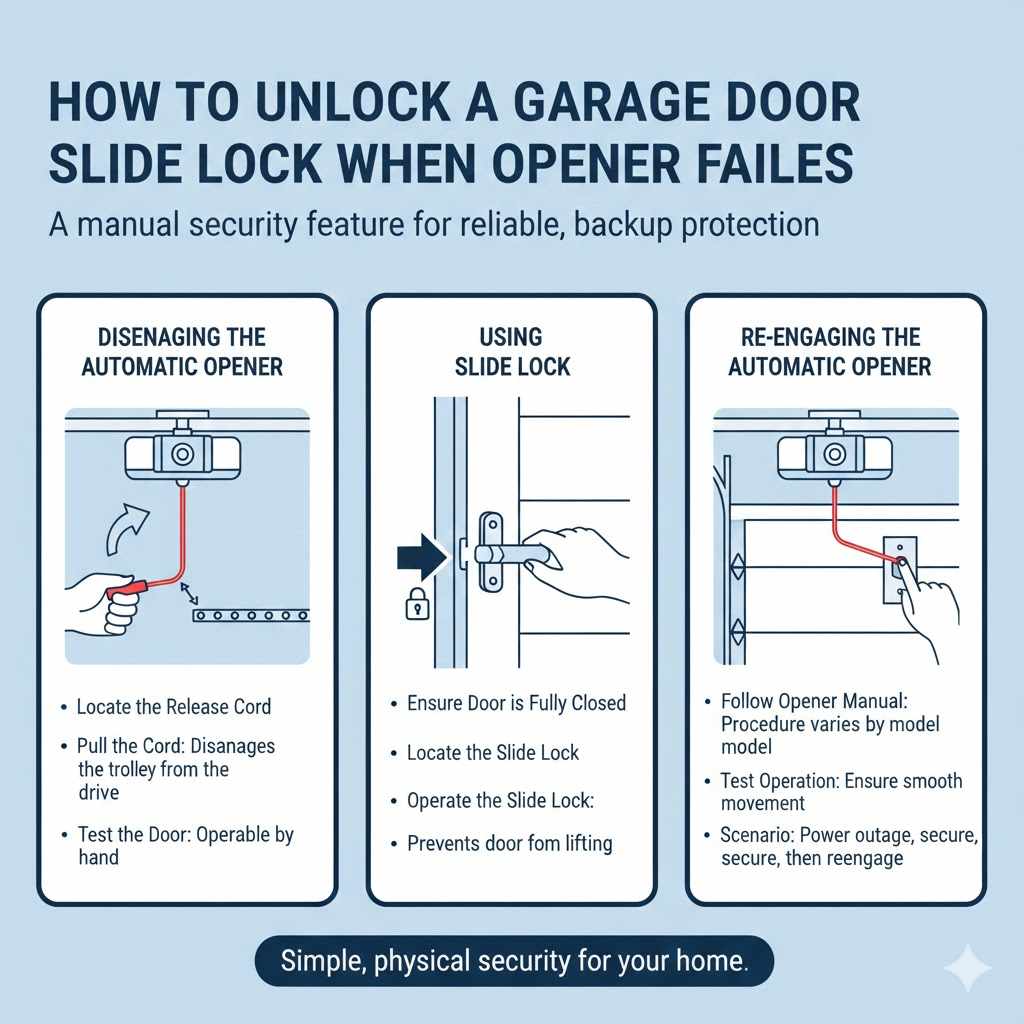
Most modern garage door openers have a manual release mechanism. This is typically a red cord or handle that hangs down from the opener trolley.
- Locate the Release Cord: Find the red emergency release cord hanging from the opener unit.
- Pull the Cord: Gently pull the cord downwards. This action disengages the trolley (the part that moves along the opener rail) from the drive chain or screw mechanism.
- Test the Door: Once disengaged, the garage door should now be operable manually. You will be able to lift and lower it by hand, but it might feel heavy.
It is important to note that once the opener is disengaged, you will need to manually re-engage it later once the opener is functional again. This usually involves operating the opener or pulling the cord again in a specific way, as described in your opener’s manual.
Using the Slide Lock with Disengaged Opener
With the automatic opener disengaged, you can now use the slide lock for security. If you need to secure the door from the outside or inside, follow these steps.
- Ensure Door is Fully Closed: If you are securing the door from the outside, make sure it is fully lowered to the ground.
- Locate the Slide Lock: Find the slide lock mechanism on the inside of the garage door.
- Operate the Lock: Slide the bolt or pin into its locked position. This will physically prevent the door from being lifted, even if the opener is no longer engaged.
This is particularly useful when you are going away and want an extra layer of security. It prevents the door from being forced up from the bottom.
Re-engaging the Automatic Opener
Once your power is back on or your opener is repaired, you will need to re-engage the automatic opener.
- Follow Opener Manual: The exact procedure varies by model. Typically, you will either need to operate the opener itself to move the trolley into position or pull the red release cord again in a different direction to reconnect it.
- Test Operation: After re-engaging, test the opener by pressing the button on your remote or wall console. Ensure it moves the door smoothly and that the trolley engages correctly.
A common scenario involved a homeowner experiencing a power outage during a storm. Their garage door opener stopped working. They successfully disengaged the opener using the red cord and then used the slide lock to secure their home.
Once power was restored, they followed the opener’s manual to re-engage the trolley, and the automatic opener functioned perfectly again.
When the Slide Lock is the ONLY Option
In some older garages, or on certain types of doors, the slide lock might be the primary or only manual locking mechanism. In such cases, its proper function is paramount for security. If the slide lock is damaged or jammed, and your opener is also out of commission, you might be temporarily unable to secure your garage.
This is why the troubleshooting and preventative maintenance steps are so important.
Statistics indicate that approximately 20% of garage door-related service calls are due to issues with manual overrides and locks, highlighting their importance in the overall functionality and security of garage doors.
Frequently Asked Questions
Question: Can I use household oil to lubricate my garage door slide lock?
Answer: It’s best to use a penetrating lubricant like WD-40 or a silicone-based spray. Household oils can attract more dirt and may not be as effective in preventing rust or providing long-lasting lubrication.
Question: What if the slide lock handle breaks off?
Answer: If the handle breaks off, you will likely need to replace the entire slide lock mechanism. It is recommended to call a professional garage door technician for this repair to ensure it’s done correctly and securely.
Question: How often should I lubricate my garage door slide lock?
Answer: It’s a good idea to lubricate your slide lock at least twice a year. Doing so in the spring and fall can help prevent issues caused by seasonal temperature changes and moisture.
Question: Can a stuck slide lock damage my garage door opener?
Answer: A stuck slide lock itself won’t directly damage your opener. However, if you try to operate the opener while the slide lock is engaged, it could put a strain on the opener’s motor and gears, potentially causing damage.
Question: Is it safe to force a stuck slide lock?
Answer: It is not recommended to force a stuck slide lock. Excessive force can bend or break the lock mechanism or the garage door itself, leading to more significant repair costs.
Summary
Learning how to unlock a garage door slide lock empowers you to handle common issues. We covered gentle methods like lubrication and clearing debris. We also explored how to address misalignment and when to seek professional help.
Regular cleaning and lubrication are key to preventing future problems. Understanding your slide lock ensures your garage remains secure, even when automatic openers fail.