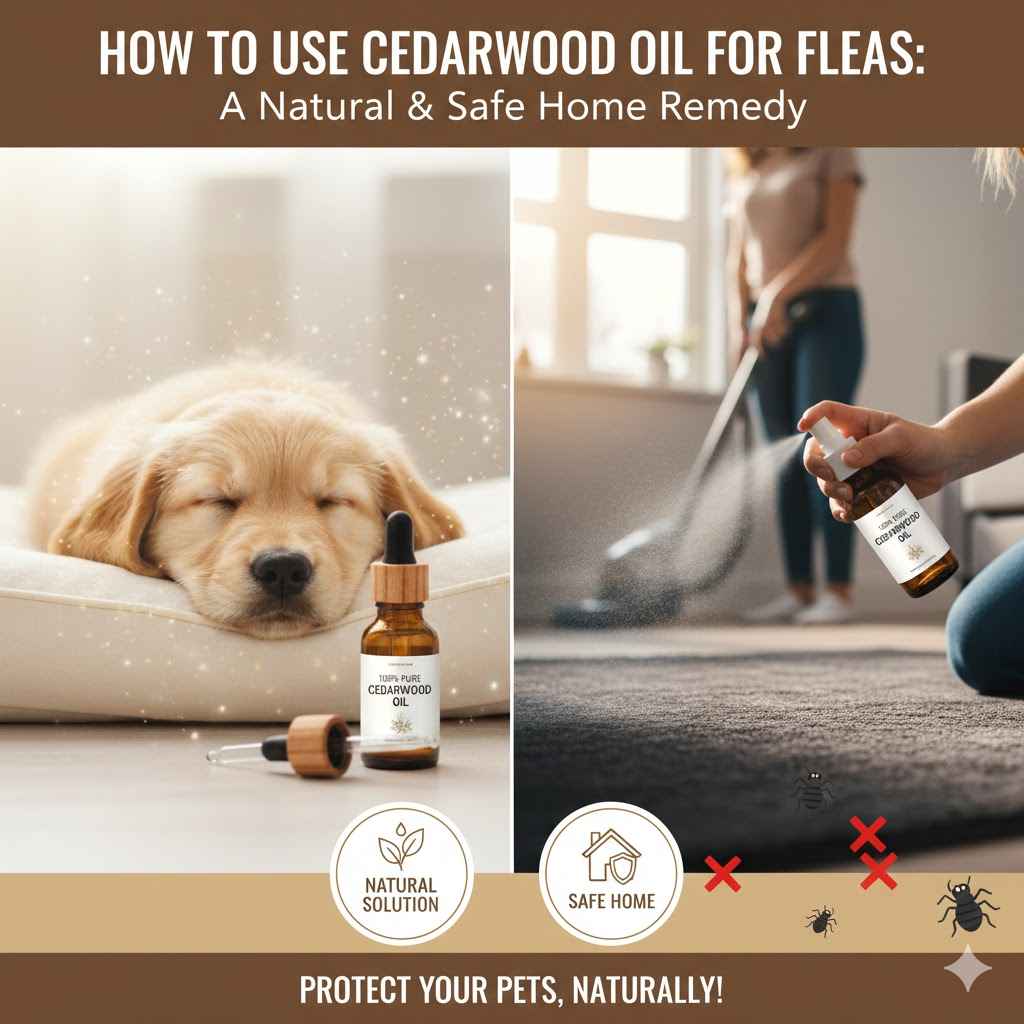
How to Use Cedar wood Oil for Fleas
Dealing with fleas can be a real hassle, and figuring out effective, natural ways to get rid of them is something many people wonder about. It might seem tricky at first to know exactly How to Use Cedarwood Oil to Kill Fleas at Home, especially if you’re new to using essential oils for pest control. But don’t worry, we’re going to walk through it step by step.
You’ll see how simple it can be to make your home flea-free with this natural solution. Let’s explore how cedarwood oil works and exactly what you need to do.
Understanding Cedarwood Oil For Flea Control
Cedarwood oil is a natural insecticide derived from the wood of cedar trees. It’s been used for centuries to repel and kill insects, and fleas are no exception. The oil contains compounds like cedrol and cedrenol, which are responsible for its insecticidal properties.
These natural chemicals disrupt the fleas’ life cycle and can even kill them on contact. It works by interfering with their respiratory system and acting as a repellent, making your home less inviting for them. This makes it a great option for pet owners who want to avoid harsh chemicals.
Many people turn to cedarwood oil because it’s a safer alternative to chemical flea treatments. These chemical products can sometimes cause adverse reactions in pets and humans, and they often have strong odors. Cedarwood oil, on the other hand, has a pleasant, woodsy scent that many people find appealing.
It’s also biodegradable, which is better for the environment. The challenge for beginners is often understanding how to dilute it properly and where to apply it for maximum effectiveness without overdoing it.
We’ll cover how to identify the best types of cedarwood oil for pest control. We’ll also explain why its scent is so effective against fleas. Understanding its natural properties helps build confidence in using it.
You’ll learn about the science behind why fleas dislike cedarwood oil. This knowledge will guide you in applying it correctly and safely around your home and for your pets. It’s all about using nature’s power effectively.
Types Of Cedarwood Oil And Their Effectiveness
There are several types of cedarwood oil, but for flea control, it’s important to choose the right one. The most common and effective for pest control are derived from Virginian Cedar (Juniperus virginiana) and Texas Cedar (Juniperus mexicana). These oils are rich in the sesquiterpenes that give cedarwood its insect-repelling qualities.
Another common type, Atlas Cedar (Cedrus atlantica), also has some repellent properties but is generally considered less potent against fleas compared to Virginian or Texas cedarwood oil. It’s important to select 100% pure, therapeutic-grade essential oil. Avoid fragrance oils or synthetic versions, as these will not have the desired insecticidal effect and could even be harmful.
Look for oils clearly labeled with their botanical name and origin.
The concentration of active compounds varies between cedarwood species. Virginian and Texas cedarwood oils have higher levels of cedrol and cedrenol, which are the primary components that target flea nervous systems. These compounds can be toxic to fleas even in small amounts.
This is why opting for these specific types ensures you’re using the most effective natural tool available for your flea problem. When purchasing, check the label for these indicators of quality and species.
Using the wrong type of cedarwood oil means you won’t get the results you want. It’s like trying to use the wrong tool for a job; it just won’t work as well. Focusing on the oils known for their high cedrol content ensures you’re using a product that is scientifically proven to be effective against fleas.
This makes the entire process much simpler and more successful for you and your home.
The Science Behind Cedarwood Oil And Fleas
Fleas have a complex sensory system that allows them to find hosts. Cedarwood oil’s scent compounds, particularly cedrol, interfere with these systems. Cedrol acts as an irritant and a neurotoxin to fleas.
When fleas inhale the oil vapor or come into direct contact with it, the compounds disrupt their nerve function. This can lead to paralysis and ultimately death for the fleas. For larvae and eggs, the oil can dehydrate them or interfere with their development.
This disruption makes it difficult for fleas to survive and reproduce in an environment treated with cedarwood oil. It’s not just a repellent; it’s a natural killer. The compounds in cedarwood oil are lipophilic, meaning they can easily penetrate the waxy outer layer of insects.
This allows the active ingredients to reach vital organs and disrupt their biological processes more effectively. The effectiveness is enhanced when the oil is applied to areas where fleas are likely to hide and breed.
The natural origin of these compounds is key to their safety. Unlike synthetic pesticides that can leave harmful residues, cedarwood oil breaks down into harmless substances. This makes it a sustainable and safe choice for the environment and for use around children and pets when properly diluted.
The dual action of repelling and killing makes it a powerful tool in natural flea management.
How Cedarwood Oil Repels Fleas
Fleas rely on scent to locate their hosts. The strong, woody aroma of cedarwood oil overwhelms their senses. It masks the scent of animals, making it harder for fleas to detect potential hosts.
This repellent effect is significant, creating a barrier that fleas are unwilling to cross. This means fleas are less likely to jump onto pets or inhabit areas treated with cedarwood oil.
The aromatic compounds in cedarwood oil act as a natural deterrent. Fleas have sensory organs that are sensitive to certain volatile organic compounds. Cedarwood oil releases these compounds, creating an environment that fleas perceive as hostile.
This forces them to avoid the treated areas. This natural defense mechanism is part of why cedarwood has been used historically to protect textiles and other items from pests like moths and beetles. The same principle applies to fleas.
The pleasant smell for humans is a welcome bonus. It offers an alternative to the often-unpleasant chemical smells of conventional flea products. This makes cedarwood oil a more enjoyable and natural option for maintaining a flea-free home.
The constant release of scent from diluted oil provides ongoing protection. This persistent aroma is what keeps fleas at bay over time.
Applying Cedarwood Oil Around Your Home
Applying cedarwood oil correctly is key to its effectiveness. The goal is to create zones that fleas will avoid and to treat areas where they might be hiding. This involves strategic application rather than broad coverage.
You want to saturate areas where fleas are likely to reside and reproduce. This includes pet bedding, carpets, upholstery, and even cracks and crevices in your home. Dilution is crucial to ensure safety and effectiveness.
Begin by understanding where fleas tend to congregate. They love warm, dark, and undisturbed places. This often means under furniture, in pet resting areas, and along baseboards.
Applying cedarwood oil in these spots helps to target the flea population directly. Remember that fleas have a life cycle that includes eggs, larvae, and adults, so treating all potential breeding grounds is important for complete eradication.
We will outline specific dilution ratios for different applications. This will help you make the most of the oil. You will learn how to make sprays, diffusers, and direct application methods work for you.
Proper preparation and application ensure you are not wasting the oil and that you get the best results for a pest-free environment. This section focuses on practical, actionable steps.
Diluting Cedarwood Oil For Safety And Effectiveness
Cedarwood oil is highly concentrated. Using it undiluted can irritate skin and surfaces, and it’s not necessary for effectiveness. A common dilution for home use is about 10-20 drops of cedarwood essential oil per ounce of water.
For stronger applications or for treating specific areas like carpets, you might use up to 30 drops per ounce. Always use distilled or filtered water to prevent contaminants.
For pet bedding or areas where pets frequently lie, a weaker dilution of 5-10 drops per ounce of water is recommended. This is to avoid any potential sensitivities your pet might have. Always shake the mixture well before each use, as oil and water do not naturally mix.
You can add a small amount of a natural emulsifier like unscented castile soap or witch hazel (about a teaspoon per cup of water) to help the oil disperse more evenly in the water.
A general guideline for creating a spray is to mix 15-20 drops of cedarwood oil with 1 cup of water. For spot treatments, you can use a cotton ball or cloth dipped in a slightly stronger solution (e.g., 10 drops in 2 tablespoons of water) and wipe it onto surfaces. The correct dilution ensures the oil is potent enough to kill fleas but safe for use in your home and around your family and pets.
Example Dilution Ratios
- General Home Spray: 20 drops cedarwood oil + 1 cup water (+ optional 1 tsp castile soap/witch hazel)
- Pet Bedding Spray: 10 drops cedarwood oil + 1 cup water (+ optional 1 tsp castile soap/witch hazel)
- Spot Treatment Concentrate: 10 drops cedarwood oil + 2 tbsp carrier oil (like fractionated coconut oil)
- Carpet Treatment: 30 drops cedarwood oil + 1 cup water (ensure good ventilation after application)
These ratios provide a good starting point. You can adjust them slightly based on the severity of the flea infestation and your comfort level. Always do a small patch test on an inconspicuous area of fabrics or surfaces before applying widely to ensure they don’t stain or react negatively.
Creating Cedarwood Oil Flea Sprays
Making your own flea spray with cedarwood oil is simple and effective. You will need a clean spray bottle, preferably glass as essential oils can degrade plastic over time. Combine the water and your chosen emulsifier (if using).
Then, add the cedarwood essential oil. Shake the bottle vigorously before each use to ensure the oil is properly dispersed.
Spray this mixture liberally on carpets, upholstery, curtains, and pet bedding. Focus on areas where fleas are likely to hide, such as under furniture, along baseboards, and in pet sleeping spots. For furniture and fabrics, test in an inconspicuous area first to ensure it doesn’t cause staining.
Open windows for ventilation, especially if you are treating large areas or if you have sensitive individuals or pets in the home.
This spray acts as both a repellent and a killer. The fine mist disperses the cedarwood oil’s active compounds into the air and onto surfaces. This creates an environment that fleas find inhospitable.
Regular application, perhaps every few days or weekly, will help maintain a flea-free home. It is especially important after initial treatments to reapply as new fleas may hatch.
Spray Application Scenarios
- Living Room Treatment: After vacuuming your carpets and furniture, liberally spray the cedarwood oil mixture. Pay attention to the areas under sofas and chairs, and along the edges of the room. Ensure good airflow in the room for at least 30 minutes.
- Pet Bedding Refresh: Wash your pet’s bedding regularly. Once dry, lightly mist it with the diluted cedarwood oil spray before your pet uses it. This adds an extra layer of protection and a pleasant scent.
- Car Doors and Trunk: If you suspect fleas may have hitched a ride in your car, lightly mist the floor mats and fabric seats. Again, ensure good ventilation before driving.
These practical uses help you integrate the spray into your regular cleaning routine. The ease of application makes it a convenient tool for ongoing pest management.
Using Cedarwood Oil For Pet Flea Treatment
When using cedarwood oil for pets, extreme caution and proper dilution are paramount. Never apply undiluted essential oils directly to your pet’s skin. A safe way to use it is to apply a few drops of diluted cedarwood oil to a comb or brush and then comb through your pet’s fur.
This can help deter fleas and make grooming more effective.
Another method is to add a few drops of diluted cedarwood oil to a carrier oil like fractionated coconut oil or jojoba oil. Apply this mixture sparingly to your pet’s back, along their spine, from neck to tail. Avoid the face, eyes, and genital areas.
This creates a zone that fleas will want to avoid.
Always observe your pet for any signs of skin irritation, lethargy, or unusual behavior after application. If you notice any adverse reactions, discontinue use immediately and consult your veterinarian. Some animals can be more sensitive to essential oils than others.
It’s always best to start with a very weak dilution and observe your pet closely.
Sample Pet Treatment Scenario
Imagine your dog, Max, has been scratching a lot. You suspect fleas. Instead of a chemical dip, you decide to try cedarwood oil.
You mix 5 drops of cedarwood oil with 1 ounce of fractionated coconut oil. After a gentle bath and drying, you apply this mixture along Max’s back, avoiding his head. You also use a flea comb lightly misted with a very dilute solution (2 drops cedarwood oil per ounce of water) to comb through his fur.
Max seems more comfortable, and over the next few days, you notice less scratching.
This scenario highlights a gentle, preventative approach. It’s not about drenching your pet, but about creating an environment that fleas dislike. Remember, this method is often more effective as a repellent and for mild infestations.
For severe infestations, it’s best to consult a veterinarian for a comprehensive treatment plan that might include other measures.
Cedarwood Oil For Flea Larvae And Eggs
Cedarwood oil is not only effective against adult fleas but can also help manage their immature stages. While it might not kill all flea eggs and larvae on contact, the volatile compounds can dehydrate them or disrupt their development. When applied to areas where eggs and larvae are likely to be found, like carpets and pet bedding, the oil’s vapors can create an inhospitable environment.
Regular application of diluted cedarwood oil sprays to these areas is important. This helps to break the flea life cycle by targeting the unseen stages. Unlike adult fleas, eggs and larvae are immobile and rely on their surroundings.
If those surroundings are permeated with cedarwood oil, their chances of survival and maturation decrease significantly.
To maximize effectiveness against larvae and eggs, combine cedarwood oil treatments with thorough vacuuming. Vacuuming removes adult fleas, eggs, and larvae from surfaces. After vacuuming, applying the cedarwood oil spray to carpets and other fabrics can further inhibit the hatching of any remaining eggs and the survival of larvae.
This multi-pronged approach is crucial for complete flea control.
Natural Ways To Boost Cedarwood Oil Effectiveness
While cedarwood oil is a powerful natural flea killer on its own, combining it with other natural methods can significantly boost its effectiveness. This integrated approach tackles fleas from multiple angles, making it harder for them to survive and thrive in your home. It’s about creating a holistic defense system against these pesky insects.
Think of it as layering your defenses for maximum impact.
These complementary methods often involve cleaning, environmental control, and other natural repellents. By working together, they create an environment that is hostile to fleas at every stage of their life cycle. This strategy is particularly important for dealing with persistent or severe flea infestations.
It ensures that you are addressing not just the adult fleas but also their eggs and larvae.
We will explore simple cleaning routines that enhance the impact of cedarwood oil. You’ll learn about other natural repellents that work well alongside it. Understanding how these elements combine will give you a comprehensive strategy for a completely flea-free home.
This section provides actionable tips to amplify your efforts.
Deep Cleaning And Vacuuming Strategies
Vacuuming is one of the most critical steps in any flea control program, and it works wonders with cedarwood oil. Before applying any cedarwood oil treatments, thoroughly vacuum all carpets, rugs, upholstery, and floors. Pay special attention to areas where pets spend most of their time, as well as cracks and crevices where fleas and their eggs like to hide.
Vacuuming physically removes adult fleas, eggs, larvae, and pupae from your home.
After vacuuming, immediately empty the vacuum cleaner bag or canister outside. This prevents any fleas or eggs that were sucked up from escaping back into your home. You can even add a few drops of cedarwood oil to the vacuum bag or filter to help kill any remaining fleas and leave a pleasant scent.
This step ensures that what you remove stays removed and that the environment is prepared for the cedarwood oil treatment.
Regular vacuuming, at least once every few days, is essential during a flea infestation. This continuous removal of flea life stages, combined with the repellent and killing properties of cedarwood oil, creates a powerful deterrent. Consider this a fundamental part of your strategy.
It’s a simple but highly effective way to reduce the flea population significantly before and after applying your natural remedies.
Vacuuming Routine Example
- Daily Vacuum: Focus on high-traffic pet areas like living room carpets and pet beds.
- Weekly Deep Vacuum: Cover all rooms, including under furniture, along baseboards, and in closets.
- Post-Treatment Vacuum: Vacuum again 24 hours after applying cedarwood oil sprays to pick up any dislodged fleas.
- Empty Canister Outdoors: Always dispose of vacuum contents immediately outside to prevent re-infestation.
This routine helps catch fleas at different stages of their life cycle. It makes your cedarwood oil treatments more effective by reducing the overall flea population.
Complementary Natural Repellents
While cedarwood oil is excellent, other natural ingredients can enhance flea repellency. Diatomaceous earth, for example, is a fine powder made from fossilized aquatic organisms. It works by physically scratching the exoskeleton of fleas, causing them to dehydrate.
Sprinkle food-grade diatomaceous earth lightly on carpets and pet bedding (ensuring pets don’t inhale it heavily). Let it sit for a few hours, or overnight, then vacuum thoroughly.
Vinegar can also be useful. A dilute solution of white vinegar (1 part vinegar to 1 part water) can be sprayed on surfaces as a repellent. Fleas dislike the acidic nature of vinegar.
It can also be used to clean pet bowls and areas. The smell dissipates for humans but remains an irritant for many insects. It’s another safe, natural option to layer into your flea control efforts.
Certain herbs are also known to repel fleas. Mint, rosemary, and lavender can be planted around your home’s exterior to deter fleas from entering. You can also place dried herbs in sachets around the house, especially near pet resting areas.
These natural aromas create an unwelcoming environment for fleas, working in conjunction with your cedarwood oil applications.
Comparison Of Natural Repellents
| Method | How It Works | Application | Pros | Cons |
|---|---|---|---|---|
| Cedarwood Oil | Disrupts nervous system, repels with scent | Sprays, diffusers, diluted topical application | Kills and repels, pleasant scent for humans, natural | Requires dilution, can be potent |
| Diatomaceous Earth (Food Grade) | Dehydrates fleas by damaging exoskeleton | Light dusting on carpets, bedding, pet areas | Effective against all stages, safe if used properly | Can be messy, avoid inhalation |
| White Vinegar Spray | Repels with acidic scent | Spray on surfaces, diluted cleaning | Cheap, readily available, safe | Strong initial odor, less effective as a killer |
| Herbs (Mint, Rosemary, Lavender) | Repels with strong natural aromas | Planted outdoors, dried sachets indoors | Pleasant scent, natural deterrent | Primarily a repellent, not a killer |
Combining these methods offers a comprehensive, multi-faceted approach to flea control. It maximizes the chances of eradicating fleas naturally and safely.
Environmental Control With Cedarwood
Beyond direct application, incorporating cedarwood in other forms can create an overall less hospitable environment for fleas. Cedarwood chips or blocks can be placed in areas like closets, under furniture, or even in outdoor pet shelters. The natural oils slowly release into the air, creating a subtle repellent effect that discourages fleas from settling.
Cedarwood shavings can also be used in pet bedding, either mixed with existing bedding or as a standalone layer. Ensure the shavings are untreated and natural. The scent helps mask animal odors that attract fleas and actively repels them.
This continuous, low-level exposure to cedarwood oil can make your home and your pet’s space less appealing to flea populations.
This environmental control is a passive but effective strategy. It complements active treatments like sprays and direct application. By making your entire living space less attractive to fleas, you create a stronger barrier against infestations.
It’s a natural way to make your home less welcoming to unwelcome guests.
Dealing With Severe Infestations And Prevention
When you face a serious flea infestation, it’s crucial to be persistent and thorough. Severe infestations often require a multi-stage approach that combines immediate action with long-term prevention. Cedarwood oil can be a key part of this strategy, but it needs to be applied consistently and in conjunction with other measures to be fully effective.
This is where patience and a consistent effort pay off.
The flea life cycle can be challenging, with eggs hatching over time. This means that even after you seem to have cleared the adult fleas, new ones can emerge. Therefore, a strategy that targets all life stages and prevents re-infestation is essential.
Cedarwood oil’s ability to repel and its potential impact on eggs and larvae make it a valuable tool in this ongoing battle.
We will cover how to intensify your cedarwood oil treatments for severe cases. You will also learn about preventative measures to keep fleas from returning. This section focuses on maintaining a flea-free home long-term.
It’s about getting the fleas out and keeping them out for good.
Intensifying Cedarwood Oil Treatments
For a severe infestation, you’ll need to be more aggressive with your cedarwood oil applications. This means increasing the frequency and possibly the concentration of your sprays. Apply your diluted cedarwood oil spray more often, perhaps every day for the first week, focusing on all areas where fleas might be found.
Ensure good ventilation after each application.
You can also use cedarwood oil more strategically. For example, soak cotton balls in a slightly more concentrated solution of cedarwood oil (use a carrier oil like fractionated coconut oil for a stronger, longer-lasting application, about 15-20 drops per ounce of carrier oil) and place them in areas where fleas are highly concentrated, such as under furniture or in dark corners. Replace these cotton balls every few days as the scent fades.
Consider using a cedarwood essential oil diffuser in rooms where pets spend the most time. Running the diffuser for several hours a day can help maintain a continuous repellent and killing vapor in the air. Remember to use caution with diffusers around pets, ensuring they have an escape route from the scented area if they become overwhelmed.
Consistency is your best ally here.
Intensive Treatment Schedule Example
- Day 1-3: Daily vacuuming of all surfaces. Spray diluted cedarwood oil in all rooms. Place cedarwood-infused cotton balls in problem areas. Diffuse cedarwood oil in main living spaces.
- Day 4-7: Vacuum every other day. Continue daily spraying of high-traffic areas. Replace cotton balls. Continue diffusing.
- Week 2: Vacuum every 2-3 days. Spray cedarwood oil every other day. Continue diffusing as needed.
- Ongoing: Maintain a weekly vacuuming schedule and bi-weekly cedarwood oil spraying for prevention.
This intensive schedule targets fleas at all stages, breaking the life cycle and reducing the population rapidly.
Preventing Flea Re-infestation
Prevention is key to keeping your home flea-free. Once you have successfully eradicated the current infestation, maintaining a consistent flea prevention routine is crucial. This involves ongoing cleaning and regular use of natural repellents.
Continue to vacuum your home regularly, at least once a week, to catch any stray fleas or newly hatched eggs. Wash pet bedding frequently in hot water. You can also add a few drops of cedarwood oil to the wash cycle or place cedarwood sachets in laundry areas.
Consider a monthly application of diluted cedarwood oil spray to key areas of your home as a preventative measure. This creates a continuous barrier that deters fleas from establishing a new population. Regularly grooming your pets and checking them for fleas, especially after they have been outdoors, is also an important preventative step.
Key Prevention Steps
- Regular Vacuuming: Maintain a weekly vacuuming routine to remove eggs and larvae.
- Routine Pet Grooming: Check your pets for fleas during daily grooming sessions.
- Consistent Cleaning: Wash pet bedding and blankets regularly in hot water.
- Monthly Cedarwood Spray: Apply diluted cedarwood oil spray to carpets and furniture monthly.
- Outdoor Management: Keep your yard tidy and consider natural flea repellents for outdoor pet areas.
By incorporating these habits, you significantly reduce the risk of fleas returning and maintain a healthy, comfortable living environment.
Frequently Asked Questions
Question: Is cedarwood oil safe for all pets
Answer: Cedarwood oil is generally considered safe for dogs and cats when properly diluted. However, some pets can be more sensitive. Always use a very weak dilution for topical application and observe your pet closely for any adverse reactions.
Avoid using it on very young, old, or ill animals without consulting your veterinarian. Never let pets ingest the oil.
Question: How long does the flea-killing effect of cedarwood oil last
Answer: The scent and effectiveness of cedarwood oil dissipate over time as the volatile compounds evaporate. For sprays, reapplication every few days to a week is typically recommended, especially during an infestation. Diffusers and sachets offer a more continuous, lower-level release of scent.
Question: Can I use cedarwood oil on my furniture and carpets
Answer: Yes, you can use diluted cedarwood oil spray on furniture and carpets. It is always best to test on an inconspicuous area first to ensure it does not cause staining or discoloration. Allow treated areas to dry completely and ensure good ventilation.
Question: What is the best type of cedarwood oil for fleas
Answer: The most effective types of cedarwood oil for flea control are derived from Virginian Cedar (Juniperus virginiana) and Texas Cedar (Juniperus mexicana). These varieties have higher concentrations of the compounds that are toxic to fleas.
Question: How often should I vacuum when using cedarwood oil
Answer: During a flea infestation, vacuuming daily or every other day is recommended. Once the infestation is under control, vacuuming at least once a week is sufficient for prevention.
Final Thoughts
You now know how to use cedarwood oil to kill fleas at home. Diluting it correctly and applying it to flea hot spots makes a real difference. Consistent treatment, combined with thorough cleaning, tackles fleas effectively.
This natural method is safe and pleasant for your home. Keep up the treatments, and your home will be flea-free soon.