How To Use Ryobi Circular Saw: Tips & Techniques
The Ryobi circular saw is a pivotal tool in modern carpentry, offering precision and efficiency for both novice and seasoned woodworkers. Understanding the intricacies of its functionalities—such as adjusting the bevel angle, calibrating the depth of cut, and managing blade speed—can significantly enhance project outcomes. This powerful handheld tool serves a variety of applications, from framing to detailed woodworking, providing versatility with its various blade options.
However, mastering its operation requires a comprehensive grasp of safety protocols and maintenance techniques. Delve further to explore the essential steps and tips on how to use a Ryobi circular saw effectively.
How To Use Ryobi Circular Saw: A Complete Guide
This summary provides essential insights on how to use a Ryobi circular saw effectively and safely. Detailed instructions will cover the saw’s components, safety precautions, and essential techniques for achieving precise cuts. Whether you’re a beginner or an experienced user, mastering the Ryobi circular saw can enhance your woodworking projects significantly. Gain confidence in utilizing this powerful tool to improve efficiency and craftsmanship in your DIY tasks, ensuring both safety and quality in every cut.
Preparing for Your Project
Selecting the right blade for your task. Setting up a safe work environment. Necessary safety gear and precautions.
Before you dive into cutting wood, pick the perfect blade for your project. A sharp blade makes everything smoother! Next, set up your workspace.
Keep it tidy and clear of distractions. You wouldn’t want a stray cat claiming your saw space, right?
Don’t forget about safety gear! A good pair of goggles is a must; flying wood is not the new confetti!
Also, ear protection is a great idea unless you enjoy the sound of your own yelling. Here’s a quick safety checklist:
| Safety Gear | Purpose |
|---|---|
| Goggles | Protect your eyes from debris |
| Ear Protection | Save your eardrums from loud noises |
| Gloves | Keep your hands safe and sound |
| Dust Mask | Don’t inhale that sawdust surprise |
Remember, being safe means cutting smart!
Setting Up the Ryobi Circular Saw
How to adjust the depth and angle of the cut. Tightening and replacing the blade. Checking the battery or cord connection.
Before you start cutting, make sure your Ryobi circular saw is ready to go! First, adjusting the depth is easy. Just turn the knob until the blade sticks out just enough to cut through your material.
Want to change the angle? Give the pivot knob a twist and angle it like a pro making a pizza slice!
Next up, tightening or replacing the blade. Use the included wrench to make sure the blade doesn’t start a dance party while you’re cutting.
Happy blades are sharp blades!
Finally, check your battery or cord connection. Is it in place? If not, a little wiggle can save the day.
Think of it as giving your saw a quick pep talk!
| Action | Steps |
|---|---|
| Adjust Depth | Turn the depth knob to your preference. |
| Adjust Angle | Twist the pivot knob to select the angle. |
| Tighten/Replace Blade | Use the wrench to secure or switch the blade. |
| Check Connection | Ensure the battery or cord is firmly connected. |
Basic Operating Techniques
How to hold and stabilize the saw. Proper stance and body positioning. Starting and stopping the saw safely.
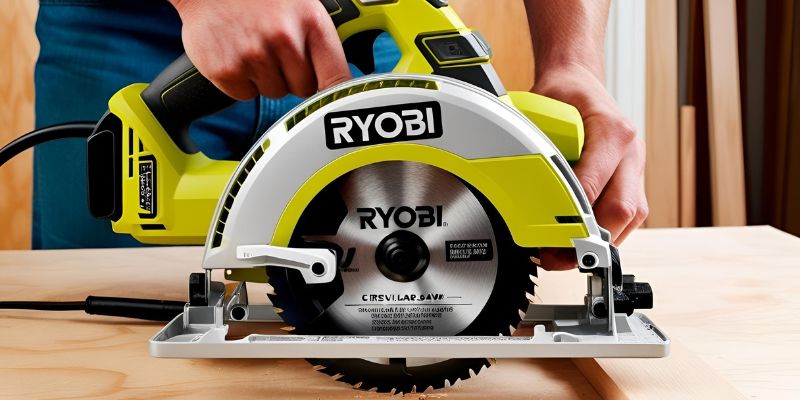
To keep your Ryobi circular saw steady, hold the handle firmly with one hand while gripping the front knob with the other. Stand with your feet shoulder-width apart, balancing like a superhero ready to take off! Before turning it on, ensure both hands are ready and your body is clear of the blade.
When you’re ready, press the trigger to start the saw and release it to stop. Always keep your eyes on the blade—it’s not a magic trick, just a sharp tool!
| Technique | Key Point |
|---|---|
| Hold & Stabilize | Grip both handles firmly. |
| Body Positioning | Stand shoulder-width apart. |
| Starting & Stopping | Press trigger to start, release to stop. |
Step-by-Step Cutting Instructions
Marking your cut line. Aligning the saw with the cut line. Techniques for smooth cuts and minimizing splintering.
First, grab your pencil and mark your cut line on the material. Make it straight, like an arrow aiming for a target! Next, align the saw with that line. Your saw should feel like it’s on a tightrope—steady and balanced.
For smooth cuts, go slow and steady, like a turtle on a mission. To avoid splintering, place masking tape along the cut line. This is like giving your wood a warm hug!
When you start cutting, let the saw do the work. Don’t force it; it’s not a race. If all goes well, you’ll have a perfect cut with no splinters dancing around!
| Steps | Tips |
|---|---|
| Mark your cut line | Keep it straight! |
| Align the saw | Make sure it’s steady. |
| Cut slowly | No rushing allowed! |
| Use masking tape | It’s a wood hug! |
Common Mistakes to Avoid
Overcutting vs. undershooting. Ignoring safety protocols. Not maintaining the saw regularly.
Using a Ryobi circular saw can be a blast, but watch out for some common blunders! Overcutting can waste wood, while undershooting leaves you with awkward gaps. Picture it: a tree grows back in frustration!
Next, ignoring safety protocols is akin to inviting trouble to your workspace. Always wear goggles and keep fingers clear. And don’t forget, neglecting regular maintenance is like skipping breakfast—you’ll run out of energy fast. Keep your saw clean and sharp!
| Mistake | Consequence |
|---|---|
| Overcutting | Wasting material |
| Undershooting | Unfinished cuts |
| Ignoring safety | Injuries |
| Not maintaining | Poor performance |
Maintenance and Care for Your Ryobi Circular Saw
Cleaning and storing the saw properly. Regular blade maintenance and replacement. Troubleshooting common issues.
Keeping your electric buddy in shape is key! First, cleaning after each use helps prevent dust build-up. A small brush works wonders! Store it in a safe spot where it won’t trip anyone—no one likes a saw surprise!
Next, check the blade. A sharp blade makes cleaner cuts and is safer for your fingers. Don’t wait until it looks like a saw tooth monster; replace it regularly.
| Common Issues | Troubleshooting Tips |
|---|---|
| Blade not spinning | Check the power source and switch. |
| Unusual noises | Check for loose parts or debris. |
Follow these tips, and your Ryobi saw will thank you—maybe not with a “thank you,” but it’ll sure keep cutting like a champ!
Advanced Techniques for Experienced Users
Utilizing guide rails for precision cuts. Creating bevel cuts and compound angles. Tips for cutting different materials (wood, laminate, etc.).
For precise cuts, use guide rails. They help you cut straight lines and improve accuracy. Try these advanced techniques:
- To create bevel cuts, adjust the saw’s angle. This lets you make angled cuts for a better fit.
- Compound angles are easy. Set the base for a tilt, then adjust the angle for added depth.
- Different materials need special attention.For wood, use a sharp blade. For laminate, a fine-tooth blade prevents chipping.
Practice makes perfect, so take your time to master these skills.
FAQs About Using a Ryobi Circular Saw
Addressing common user questions. Safety concerns and troubleshooting tips. Recommendations for upgrades and accessories.
Many users wonder about safety first. Always wear protective goggles and keep your hands clear of the blade. If the saw stops, check the power source and the blade for any issues.
Feeling like a lumberjack? That’s great! But consider these handy accessories:
| Accessory | Benefit |
|---|---|
| Laser Guide | Helps you cut straight, no more squiggly lines! |
| Extra Blades | For different materials, because wood isn’t the only thing out there! |
Remember, practice makes perfect. Don’t rush; your wood (and fingers) will thank you! Any more questions? Just ask – I’m here to help, not to saw your fun!
Conclusion
In conclusion, mastering the use of a Ryobi circular saw can significantly enhance your woodworking projects. By following safety precautions, understanding the essential features, and practicing proper cutting techniques, you’ll achieve precise cuts with confidence. Whether you’re a DIY enthusiast or a seasoned pro, this versatile tool will undoubtedly become a staple in your toolkit, transforming your cutting experience.
FAQs
What Safety Precautions Should I Take Before Using A Ryobi Circular Saw?
Before using a Ryobi circular saw, ensure you wear appropriate personal protective equipment, including safety goggles, hearing protection, and gloves. Check the saw for any damage or defects, and make sure the blade is sharp and properly installed. Familiarize yourself with the user manual and understand the saw’s features and settings. Lastly, keep your work area clean and free of obstacles to maintain a safe working environment.
How Do I Properly Set The Blade Depth On My Ryobi Circular Saw For Different Materials?
To set the blade depth on your Ryobi circular saw, first adjust the depth so that the blade extends about 1/4 inch below the material you’re cutting. For plywood, set the blade depth slightly less than the thickness of the sheet, typically around 1/8 inch deeper than the material. For hardwood or thicker materials, adjust the depth to allow the blade to penetrate fully while still having a small margin. Always ensure the saw is unplugged or the battery removed while making adjustments for safety.
What Are The Best Cutting Techniques To Ensure A Straight, Clean Cut With A Ryobi Circular Saw?
To achieve a straight, clean cut with a Ryobi circular saw, ensure that you use a sharp blade suited for the material you’re cutting. Always guide the saw along a straight edge or use a saw guide to maintain accuracy. Apply steady pressure without forcing the saw, allowing it to do the work. Lastly, mark your cut line clearly and double-check your measurements before starting.
How Can I Maintain And Care For My Ryobi Circular Saw To Extend Its Lifespan?
To maintain your Ryobi circular saw, regularly clean the blade and housing to remove dust and debris, which can impede performance. Keep the blade sharp and replace it when necessary to ensure clean cuts and reduce strain on the motor. Check and tighten all screws and components periodically to prevent any loose parts during operation. Finally, store the saw in a dry place and avoid exposure to moisture to prevent rust and damage.
What Types Of Blades Are Compatible With My Ryobi Circular Saw For Various Cutting Applications?
Your Ryobi circular saw is typically compatible with standard circular saw blades, usually 7-1/4 inches in diameter. For various cutting applications, you can use carbide-tipped blades for wood, diamond blades for masonry, and specialized blades for metal or laminate. Ensure the blade has the correct arbor size and tooth count for your specific cutting needs. Always check the owner’s manual for any specific compatibility guidelines.