How to Wire Recessed Lighting: A Step-by-Step Guide
Are you ready to transform the ambiance of your home with sleek, modern recessed lighting? Imagine stepping into a room where the lighting feels just right—neither too dim nor too harsh.
Recessed lighting can create that perfect balance, highlighting your favorite spaces and adding a touch of elegance. But the thought of wiring it yourself might seem daunting. Fear not! This guide is here to simplify the process for you. We’ll break down each step into easy-to-follow instructions, ensuring you feel confident and empowered to tackle this project.
By the end, you’ll not only enhance your living space but also save money by avoiding professional installation fees. Let’s shed some light on how you can wire recessed lighting like a pro!
Tools And Materials
To install recessed lighting, you need several important tools. A voltage tester helps ensure safety. Wire strippers remove insulation from wires. A drill makes holes for lights. Screwdrivers tighten or loosen screws. Tape measure checks distances.
Materials are needed too. Recessed light fixtures are the main item. Electrical wire connects the lights. Wire nuts secure the wires together. Cable clamps hold wires safely. Switch box controls the lights. Circuit breaker protects from electrical overload.
Each tool and material plays a role. They work together to make the job easier. Understanding each item helps in successful installation.
Safety Precautions
Always turn off the powerbefore starting. Use a voltage tester to check wires. Avoid touching live wires. Wear rubber gloves for safety. Keep children and pets away from work area. Make sure you have the right tools. A ladder, wire cutters, and screwdriver are needed. Read the instructions carefully. Follow each step slowly. Check all connections twice. Never force wires into place. If unsure, ask a professional. Safety is more important than speed. Do not rush the job. Plan your work well.
Planning The Layout
Decide where you want your lights. Think about the room’s purpose. A kitchen needs more light than a bedroom. Avoid placing lights near vents or ceiling fans. These can block light. Measure the room’s height and size. This helps in choosing the right light size.
Keep lights evenly spaced for good light spread. A good rule is to space lights the same distance apart as their diameter. For example, six-inch lights should be six feet apart. Look at furniture placement. Don’t put lights directly over chairs or tables. Test with a flashlight before drilling. This helps you see how the light will look.
Preparing The Ceiling
Use a pencil to mark the spots. Draw circles where the lights will go. Make sure to check for wires and beams. Use a stud finder. It helps to locate beams. Avoid placing lights on beams. Keep them at least 6 inches away.
Use a drywall saw to cut holes. Follow the pencil marks. Be careful, cut slowly and gently. Check the size of the light fixture. It must fit perfectly. Use a template if needed. Avoid making holes too big. Test the fit before finalizing.
Wiring The Fixtures
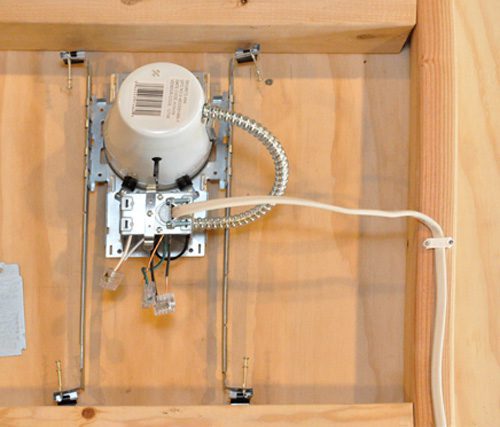
Start by turning off the power. This is important for safety. Locate the circuit breaker and switch it off. Now, you can safely work with wires. Next, measure the distance between the power source and the fixture. Cut the electrical cable to match this distance. Use wire cutters for a clean cut. Run the cable through the walls. Make sure it is hidden but reachable. Use a fish tape if needed. Keep the cable straight and secure. This prevents future problems.
Strip the ends of the wires with a wire stripper. This removes the outer layer. Expose the copper wire for connection. Twist the copper ends together. Use wire nuts to secure them. Connect black to black and white to white. These colors must match. Attach the ground wire last. Check all connections are tight. Loose connections can be dangerous. Turn the power back on. Test the light switch. Ensure the light works as expected.

Credit: www.aspectled.com
Installing The Housings
First, make a hole in the ceiling. This hole should fit the light can. Next, place the can into the hole. Ensure it fits snugly. Use screws to secure the can. Make sure it does not move. Tighten each screw carefully. The can must be stable.
Check the type of insulation. Some lights need extra care. If there is insulation, use IC-rated cans. These cans are safe with insulation. Keep insulation away from non-IC cans. This prevents fire risks. Always follow safety rules. Safety comes first.
Attaching The Trim
Attaching the trim completes your recessed lighting setup. Slide the trim into place after wiring is finished. This final step ensures a neat and polished look for your lights.
Selecting Trim Styles
Trim styles come in many options. Choose a style that fits your room. Some popular types are baffle, reflector, and lensed trims. Baffle trims help cut glare. Reflector trims are shiny. They increase light spread. Lensed trims protect bulbs. They are good for damp places. Pick a style that matches your room’s needs. Consider your room’s light and look.
Securing Trim Pieces
Trim pieces must be secured well. They keep the light fixture in place. Start by placing the trim over the fixture. Ensure it aligns properly. Press the trim into the housing. It will click into place. Check it does not wobble. A stable trim ensures safety. Make adjustments if needed.
Testing The Setup
Testing the setup ensures your recessed lighting is wired correctly. Check connections for safety and functionality. Adjustments may be needed for optimal performance. Proper testing helps avoid future issues and enhances lighting efficiency.
Checking Electrical Connections
Always ensure safety first. Turn off the power at the breaker. Use a voltage tester to check wires. Make sure no electricity flows. Connect the wires tightly. Loose connections can cause problems. Match the wire colors correctly. Black to black, white to white. Green or bare wire is for grounding. Check each connection twice. Use wire nuts to secure them. Finally, cover the junction box properly. Ensure no wires stick out.
Adjusting Light Direction
Position the light for the best effect. Aim it at important areas. Keep it away from shadows. Adjust the angle carefully. Use your hand to test the direction. Make sure it lights up the right spot. Avoid glare by pointing it correctly. Ensure all lights face the same direction. This gives a uniform look. Check the brightness level. Adjust if needed.
Troubleshooting Common Issues
Encountering issues with recessed lighting wiring is common. Ensure power is off before checking connections. Inspect wire nuts and junction boxes for loose wires or improper connections. Follow safety guidelines to prevent electrical hazards.
Flickering Lights
Flickering lights can be annoying. Loose bulbs might cause flickering. Check if bulbs are tight. Sometimes, loose wires are the problem. Inspect connections carefully. Dust can also affect lighting. Clean fixtures regularly. Bad dimmer switches might be the issue. Replace dimmer if needed. Voltage fluctuations cause flickering too. Consider contacting an electrician. Safety is important, so take precautions.
Inconsistent Brightness
Inconsistent brightness confuses many. Different bulb types affect brightness. Use matching bulbs for uniform light. Loose connections might result in uneven brightness. Check all wire connections. Dimmer switches also affect brightness levels. Ensure dimmer compatibility with bulbs. Dirty or dusty fixtures can dim lights. Clean fixtures for better light output. Sometimes, voltage issues may cause brightness changes. An electrician can help solve voltage problems. Regular checks prevent further issues.
Frequently Asked Questions
How Do I Choose The Right Recessed Lights?
Choosing recessed lights involves considering room size, ceiling height, and lighting purpose. Opt for adjustable trims for flexibility and LED bulbs for energy efficiency. Measure the area to determine the number of lights needed. Ensure the style complements your room decor for a cohesive look.
What Tools Do I Need For Installation?
For installation, you’ll need a drill, wire cutters, a voltage tester, and a screwdriver. Gather a ladder for ceiling access. Ensure you have electrical tape and a junction box. Check your local codes for any additional tools required. Safety gear, like gloves and goggles, is recommended.
Can I Install Recessed Lights Myself?
Yes, you can install recessed lights yourself with basic electrical skills. Follow safety precautions carefully and turn off the power. Refer to wiring diagrams for guidance. If unsure, consult a professional. DIY installation can save money but requires patience and precision.
How Do I Wire Recessed Lighting Safely?
To wire recessed lighting safely, turn off power at the circuit breaker. Use a voltage tester to ensure safety. Connect wires securely using wire connectors. Follow all local electrical codes. Double-check connections before restoring power. Hire an electrician if you’re uncertain about any step.
Conclusion
Wiring recessed lighting can brighten any room beautifully. Follow each step carefully. Gather the right tools and materials. Ensure safety measures are in place. Check connections for secure fitting. Test the lights before finalizing installation. Seek help if needed. Patience and precision lead to great results.
Enjoy the warm glow and enhanced ambiance. Proper lighting transforms spaces effectively. Recessed lights add elegance and charm. They’re practical and stylish. You’ve now gained the skills. Illuminate your home with confidence and creativity. Happy lighting!