Is Blue Light Good For Fish At Night? Essential Guide
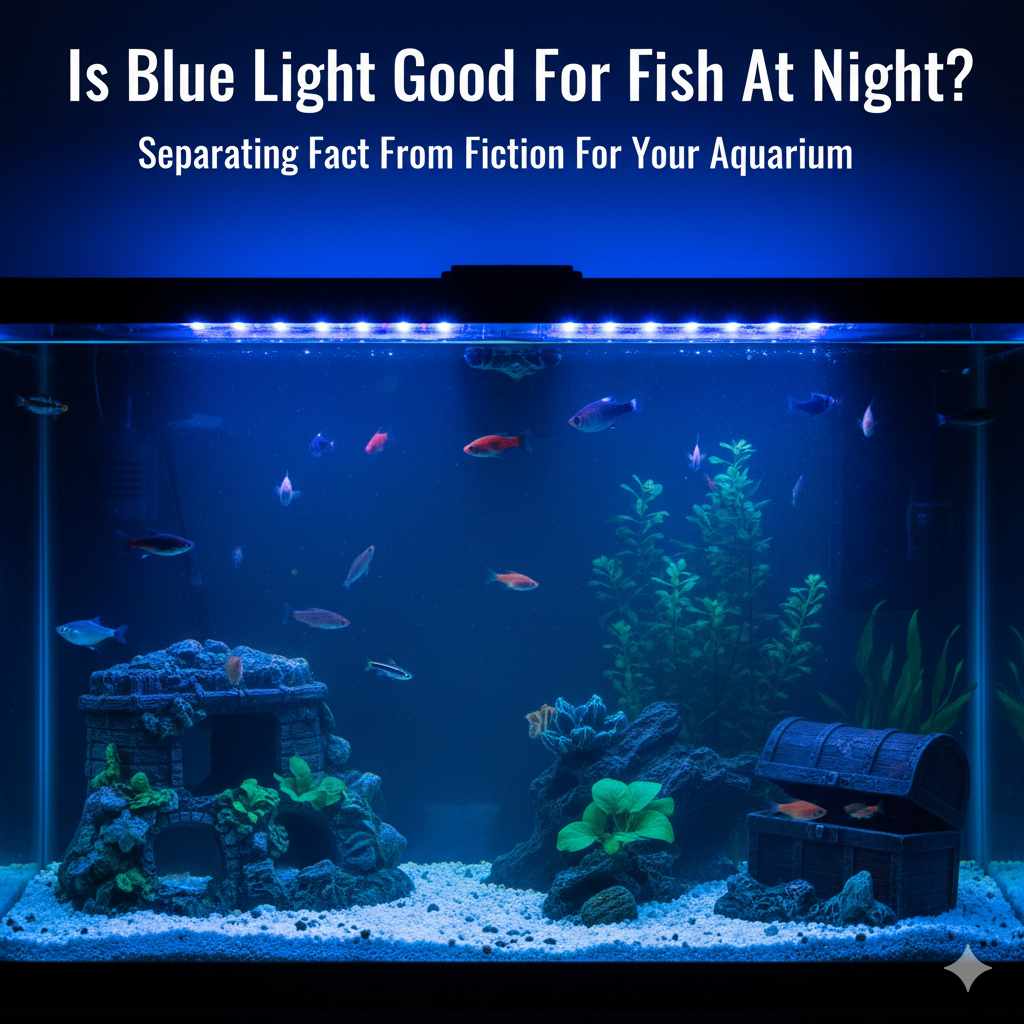
Quick Summary: Generally, blue light is not good for fish at night. Fish, like most living things, need a natural day-night cycle. Constant blue light disrupts this, stressing fish and negatively impacting their health and behavior. Understanding your fish’s needs is key to a thriving aquarium.
Welcome, fellow home improvers and DIY enthusiasts! Today, we’re diving into a question that might seem a bit unusual at first glance: “Is blue light good for fish at night?” If you’ve ever looked at an aquarium with its colorful lights, you might wonder what’s best for the little swimmers inside. It’s easy to think that bright lights make things look pretty, but for our aquatic friends, it’s a different story. Just like we need sleep, fish need their rest periods too. Getting this wrong can cause stress and health problems for them. Don’t worry, though! We’ll break down exactly why this matters and what you can do to keep your fish happy and healthy. Let’s get your aquarium lighting just right!
Understanding Fish Sleep Cycles and Light
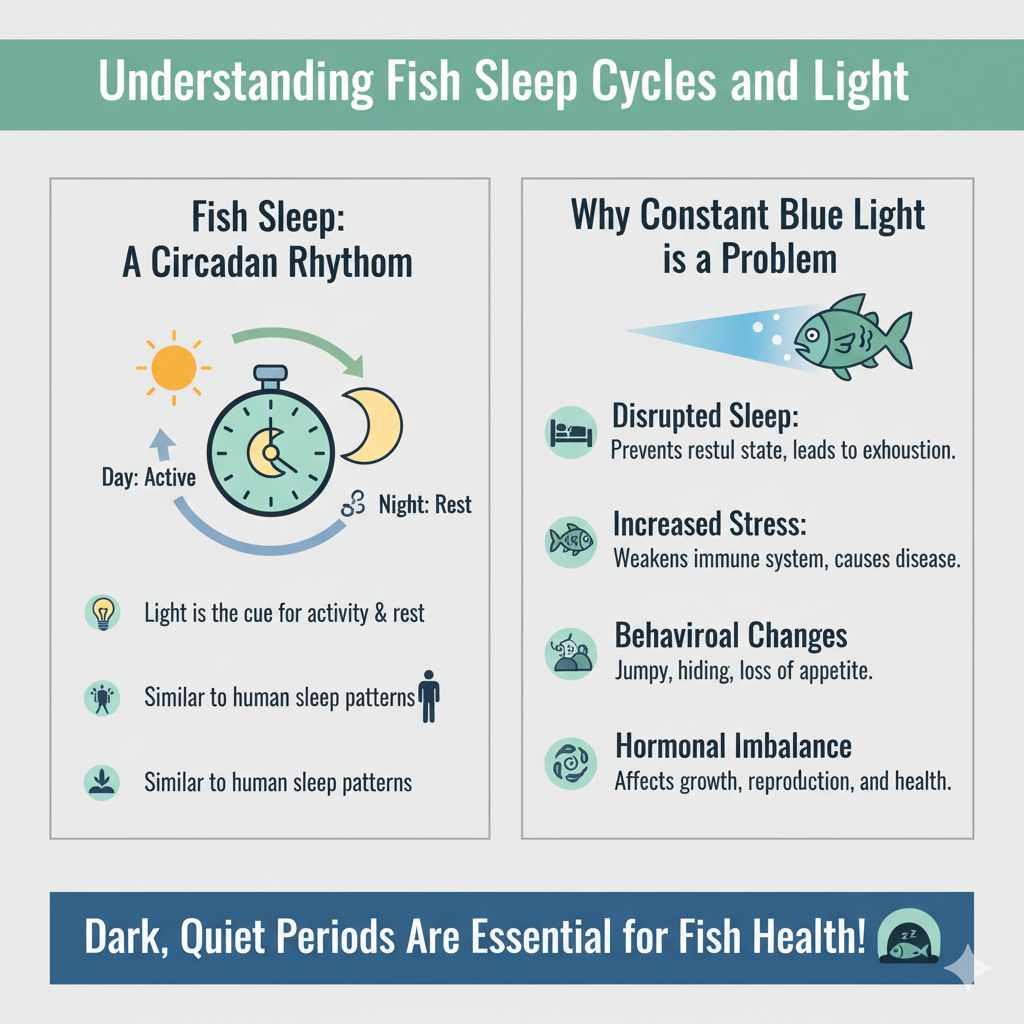
Think about your own day. You wake up, you’re active, and then as it gets dark, you wind down and go to sleep. Fish work on a similar rhythm, known as a circadian rhythm. This internal clock tells them when to be active and when to rest. Light is the biggest cue for this cycle. During the day, natural light (or your aquarium lights) signals it’s time to explore, find food, and socialize. When the lights go out, it signals that it’s time to relax, hide, and conserve energy.
The color of light matters a lot. While natural sunlight has a full spectrum of colors, artificial lights can be more specific. Blue light, in particular, is very stimulating. It’s the kind of light that’s present during daylight hours and can even help regulate our own sleep patterns (which is why we’re told to limit screen time before bed!). For fish, constant blue light at night can trick their brains into thinking it’s still daytime. This is where the problems start.
Why Constant Blue Light is a Problem for Fish
Imagine if your bedroom light stayed on all night, or if someone kept shining a bright flashlight in your eyes. You wouldn’t get much restful sleep, right? Fish experience something similar when exposed to blue light after their natural “lights out” period.
- Disrupted Sleep: The most direct impact is on their ability to rest. Fish need periods of inactivity to recover and stay healthy. Constant light, especially stimulating blue light, prevents them from entering this restful state.
- Increased Stress: When fish can’t sleep properly, they become stressed. Stressed fish are more prone to diseases, have weaker immune systems, and can even become aggressive or lethargic.
- Behavioral Changes: You might notice changes in how your fish act. They might become jumpy, hide more than usual, or stop eating. Some fish might even try to “escape” the light, leading to injuries.
- Hormonal Imbalance: Like many creatures, fish have hormones that are regulated by light cycles. Disrupting these cycles can affect their growth, reproduction, and overall well-being.
It’s crucial to remember that fish don’t have eyelids to close. They rely entirely on their environment to tell them when it’s time to rest. A dark, quiet period is essential for their survival and health.
The Role of Aquarium Lighting
Aquarium lights are more than just for show. They play a vital role in the health of your fish and the growth of your aquatic plants. However, the type and timing of lighting are critical. While many modern aquarium lights offer a range of colors, including blue, it’s important to use them correctly.
Many aquarists use blue light for specific purposes, such as simulating moonlight or enhancing the colors of certain fish. However, these should be used sparingly and at the right times. Think of it like a night light for humans – it’s usually dim and not the primary light source. For fish, a complete absence of light during their “night” period is usually the best approach.
Different Types of Aquarium Lights
When setting up or maintaining an aquarium, you’ll encounter various lighting technologies. Each has its pros and cons, and understanding them can help you make the best choice for your tank.
Here’s a quick look at common aquarium lighting types:
| Light Type | Description | Pros | Cons |
|---|---|---|---|
| Fluorescent (T5/T8) | Uses tubes that emit light when an electric current passes through gas. | Affordable, good for plant growth (with the right spectrum), widely available. | Shorter lifespan, can be bulky, less energy-efficient than LEDs. |
| LED (Light Emitting Diode) | Solid-state lights that are very energy-efficient and long-lasting. | Highly energy-efficient, long lifespan, customizable colors and intensity, low heat output. | Higher initial cost, can be complex to set up, quality varies greatly. |
| Metal Halide | High-intensity discharge lights that produce a strong, bright light. | Excellent for plant growth, creates a shimmering effect. | Very high heat output, high energy consumption, expensive, short lifespan compared to LEDs. |
For most beginner aquarists, LED lighting is often the recommended choice due to its efficiency, longevity, and flexibility. Many LED systems allow you to control the color and intensity of the light, which is perfect for mimicking natural cycles.
Creating a Natural Day-Night Cycle for Your Fish
The key to happy, healthy fish is to mimic their natural environment as closely as possible. This means providing a consistent and appropriate day-night cycle. Here’s how you can do it:
Step-by-Step Guide to Proper Aquarium Lighting
- Determine Your Fish’s Needs: Research the specific types of fish you have or plan to get. Some fish species might have slightly different requirements based on their natural habitat. For example, fish from deep, shaded rivers might tolerate lower light levels than those from shallow, open waters. A great resource for understanding fish needs is the Aquarium Science website, which offers extensive research and data on aquatic life.
- Set a Consistent Light Schedule: Fish thrive on routine. Aim for 8-10 hours of light per day. Any more than that can encourage algae growth and stress your fish. Any less, and your plants might suffer (if you have them) and fish might not get enough “daytime” activity.
- Use a Timer: This is your best friend for maintaining a consistent schedule. Plug your aquarium light into an automatic timer. This ensures the lights turn on and off at the exact same times every day, without you having to remember. It’s a simple tool that makes a huge difference.
- Avoid Blue Light at Night: Once your main lights turn off, the tank should be dark. If you want a subtle light for viewing or to create a “moonlight” effect, use a very dim, blue LED specifically designed for this purpose. These should only be on for a couple of hours after the main lights go out, and they should be significantly dimmer than your primary lighting. Many high-quality LED systems have built-in timers and dimming functions for this very reason.
- Consider Tank Placement: Where you place your aquarium can also affect its light cycle. Avoid placing your tank in direct sunlight, as this can cause rapid algae blooms and temperature fluctuations. If your tank is in a room that gets a lot of ambient light late into the evening, you might need to adjust your schedule or use heavier curtains.
- Observe Your Fish: Pay attention to your fish’s behavior. Are they active during the day and resting at night? Are they showing signs of stress (like rapid breathing, clamped fins, or loss of appetite)? Adjust your lighting schedule if you notice any issues.
Creating this natural rhythm is one of the simplest yet most effective ways to ensure your fish are happy and healthy. It’s all about respecting their natural biology.
What About “Moonlight” or Blue LED Strips?
You might have seen specialized blue LED strips or “moonlight” fixtures designed for aquariums. These are often marketed to enhance the colors of fish or create a calming ambiance. So, is this kind of blue light okay at night?
The answer is: use with extreme caution and moderation.
Here’s the breakdown:
- Purpose: These lights are typically much dimmer than primary aquarium lights. Their intention is to simulate moonlight, which is a very low-intensity light.
- Duration: If you use them, they should only be on for a short period, perhaps 1-2 hours after your main lights have turned off. They should not be on all night.
- Intensity: The key is dimness. If the blue light is bright enough to clearly illuminate the tank and make your fish actively swim around as if it were daytime, it’s too bright and will disrupt their sleep.
- Fish Species: Some fish species might be more sensitive than others. Fish that naturally come from very dark environments or are nocturnal might be more affected by any light at night.
Think of it this way: a faint glow from a distant moon is very different from having a bright lamp on. If you’re unsure, it’s often safer to skip the nighttime blue light altogether and allow the tank to be completely dark. A completely dark period is essential for fish to truly rest and recover. If you do opt for a moonlight, ensure it’s part of a controlled schedule managed by a timer and is very low in intensity. For more information on light spectrums and their effects, the Advanced Aquarist website provides detailed insights into aquarium lighting science.
Signs Your Fish Might Be Stressed by Light
Your fish are your best indicators of whether your lighting setup is working for them. If you notice any of the following, it might be time to reassess your aquarium’s light schedule and intensity:
- Constant Hiding: Fish that are always hiding in caves, behind plants, or under decorations, even when it’s “daytime,” might be feeling overwhelmed or stressed by the light.
- Rapid Breathing or Gasping: While sometimes related to water quality, stressed fish can exhibit rapid gill movements.
- Clamped Fins: Fins that are held tightly against the body instead of being spread out can be a sign of stress or illness.
- Loss of Appetite: Stressed fish often lose interest in food.
- Erratic Swimming: Fish might dart around the tank erratically, bump into things, or seem agitated, especially when the lights come on or stay on too long.
- Paleness or Darkening of Colors: Stress can cause fish to lose their vibrant colors or become unusually dark.
- Increased Aggression: In some species, stress can lead to bullying or fighting among tank mates.
If you observe these signs, the first thing to check is your lighting. Is it on for too long? Is it too intense? Is there blue light present after dark? Making adjustments to the light schedule is often a simple fix that can significantly improve your fish’s well-being.
The Importance of Darkness for Fish
We’ve talked about why light is important, but let’s emphasize why darkness is just as crucial. Darkness isn’t just the absence of light; it’s an active signal for rest, recovery, and essential biological processes in fish.
- Rest and Recovery: Just like we need sleep to repair our bodies and minds, fish need darkness to rest. This allows them to conserve energy, repair tissues, and consolidate memories.
- Hormonal Regulation: Many hormones in fish are released or suppressed based on the light-dark cycle. Melatonin, the sleep hormone, is produced in darkness. Disrupting this can throw off their entire system.
- Natural Behavior: Many fish species are naturally active during the day (diurnal) and rest at night. Others are active at dawn and dusk (crepuscular) or even at night (nocturnal). A consistent dark period allows all types of fish to engage in their natural sleep-wake patterns.
- Preventing Algae Blooms: While not directly about fish health, prolonged light exposure fuels algae growth. Excessive algae can make your tank look unsightly and can compete with fish for oxygen, especially at night.
Think of the night period as a vital part of the aquarium ecosystem. It’s when the tank can truly be a peaceful sanctuary for your fish. A completely dark period, free from artificial stimulation, is the best way to honor this natural need.
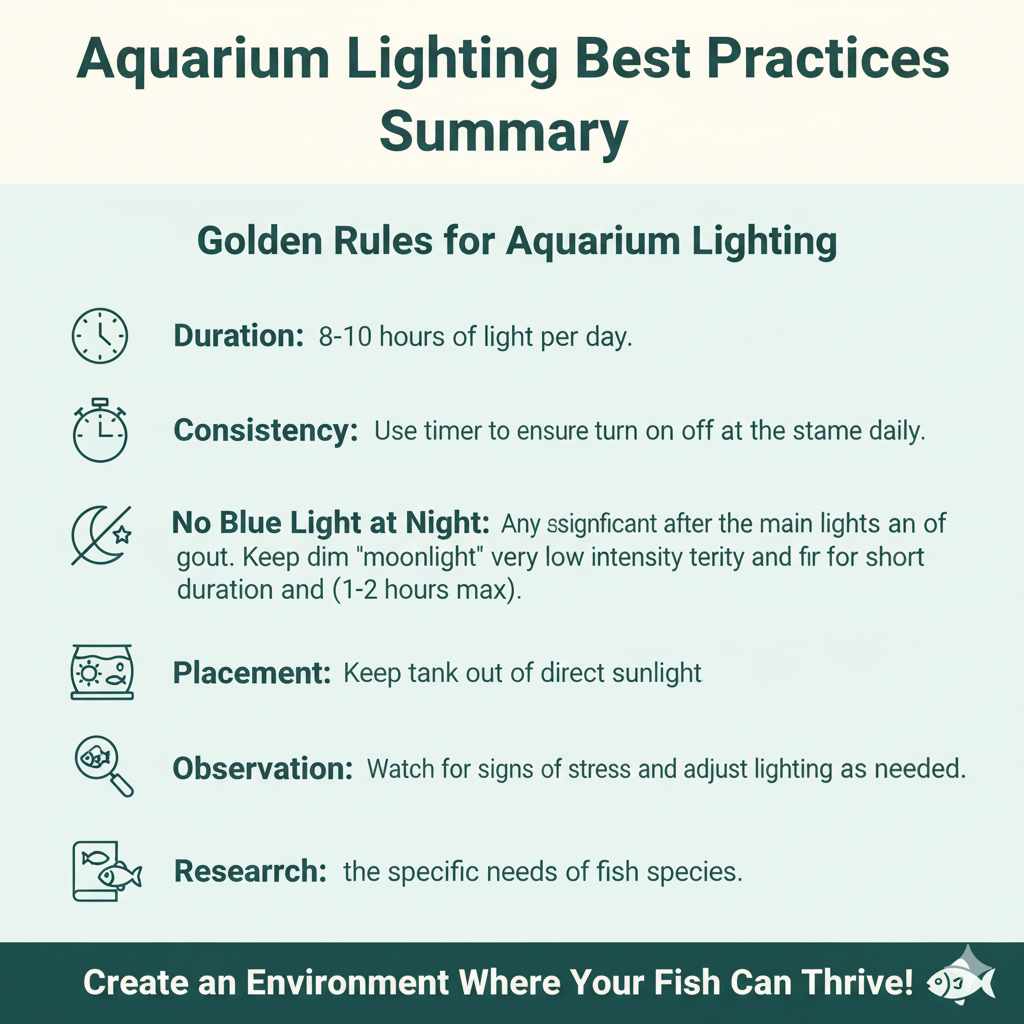
Aquarium Lighting Best Practices Summary
To wrap things up and make it super easy to remember, here are the golden rules for aquarium lighting:
- Duration: Stick to 8-10 hours of light per day.
- Consistency: Use a timer to ensure the lights turn on and off at the same time daily.
- No Blue Light at Night: Avoid any significant blue light after the main lights go out. If you use a dim “moonlight,” keep it very low intensity and for a short duration (1-2 hours max).
- Placement: Keep the tank out of direct sunlight.
- Observation: Watch your fish for signs of stress and adjust lighting as needed.
- Research: Understand the specific needs of your fish species.
By following these simple guidelines, you can create an environment where your fish can thrive, exhibiting natural behaviors and maintaining good health.
Frequently Asked Questions (FAQ)
Q1: Can I leave my aquarium lights on 24/7?
No, absolutely not. Leaving aquarium lights on 24/7 is detrimental to your fish. It disrupts their natural day-night cycle, causes stress, and can lead to health problems. It also promotes excessive algae growth. Fish need a period of darkness to rest and recover.
Q2: What is the best color light for fish at night?
The best “color” for fish at night is no light at all. A completely dark environment is ideal for their rest. If you want a dim light for viewing, a very low-intensity, dim blue LED can be used for a short period (1-2 hours) after the main lights go out, but it’s not essential and should be used cautiously.
Q3: How many hours a day should aquarium lights be on?
For most aquariums, 8 to 10 hours of light per day is sufficient. This provides enough time for fish activity and plant photosynthesis (if you have plants) without causing issues like stress or excessive algae growth.
Q4: My aquarium has a “moonlight” setting. Can I use it all night?
No, you should not use the “moonlight” setting all night. While dimmer than main lights, continuous low light can still disrupt your fish’s natural sleep patterns. Use it sparingly, for only a couple of hours after your main lights have turned off, and ensure it’s very dim.
Q5: How can I tell if my fish are getting too much light?
Signs include fish constantly hiding, erratic swimming, loss of appetite, rapid breathing, clamped fins, or increased aggression. You might also notice a significant increase in algae growth on your tank glass and decorations.
Q6: Does blue light affect fish differently than other colors?
Yes, blue light is generally more stimulating and can mimic daylight. This makes it particularly disruptive if used at night, as it can trick fish into thinking it’s still daytime, preventing them from resting properly. While other colors can also be disruptive if too intense or left on too long, blue light is often highlighted for its stimulating properties.
Q7: Is it okay to use natural sunlight to light my aquarium?
It’s generally not recommended to place an aquarium in direct natural sunlight. While natural light is the ultimate source, direct sunlight can cause rapid and uncontrollable temperature spikes in the tank and lead to severe algae blooms. It’s much easier to control the light intensity and duration with artificial aquarium lights.
Conclusion
So, to directly answer our main question: “Is blue light good for fish at night?” The clear answer is no. Just like we need a dark, quiet night to get proper rest, our fish companions need the same. Disrupting their natural day-night cycle with constant or overly bright blue light can lead to stress, illness, and behavioral problems. By understanding the importance of a consistent light schedule, using timers, and ensuring a dark period each night, you’re providing the best possible environment for your aquatic pets.
Creating a healthy aquarium isn’t about complex setups or expensive gadgets; it’s often about respecting the natural needs of the creatures you’re caring for. By implementing the simple steps we’ve outlined – setting a schedule, avoiding nighttime blue light, and observing your fish – you can ensure your aquarium is a peaceful and healthy home for them. Happy fishkeeping, and enjoy the beautiful, thriving underwater world you’ve created!