Is Engineered Hardwood Waterproof? All You Need To Know!
In the realm of modern flooring solutions, engineered hardwood has emerged as a popular choice for its aesthetic appeal and structural stability. However, a critical consideration for homeowners and designers alike is the question of whether engineered hardwood is waterproof. Understanding the composition of engineered hardwood, which typically consists of a hardwood veneer layered over high-density fiberboard, can illuminate its performance in various environments.
Additionally, exploring the finishes and treatments applied to this flooring can greatly influence its water resistance. Delving deeper into these aspects will clarify the limitations and advantages of engineered hardwood in moisture-prone areas, ensuring you make an informed decision for your next project.
Is Engineered Hardwood Waterproof? Exploring The Trut
Engineered hardwood has gained popularity for its aesthetic appeal and durability, but a common question arises: is engineered hardwood waterproof? Understanding the water resistance of this flooring option is crucial for homeowners considering it for moisture-prone areas. While engineered hardwood offers better moisture resistance than traditional hardwood, it isn’t entirely waterproof. Factors such as the quality of construction, finish, and maintenance play significant roles in its performance against water damage. This summary will clarify the nuances of engineered hardwood’s waterproof capabilities.
1. What is Engineered Hardwood Flooring?
Definition and composition of engineered hardwood. Differences between engineered hardwood and traditional hardwood. Common uses and applications of engineered hardwood flooring.
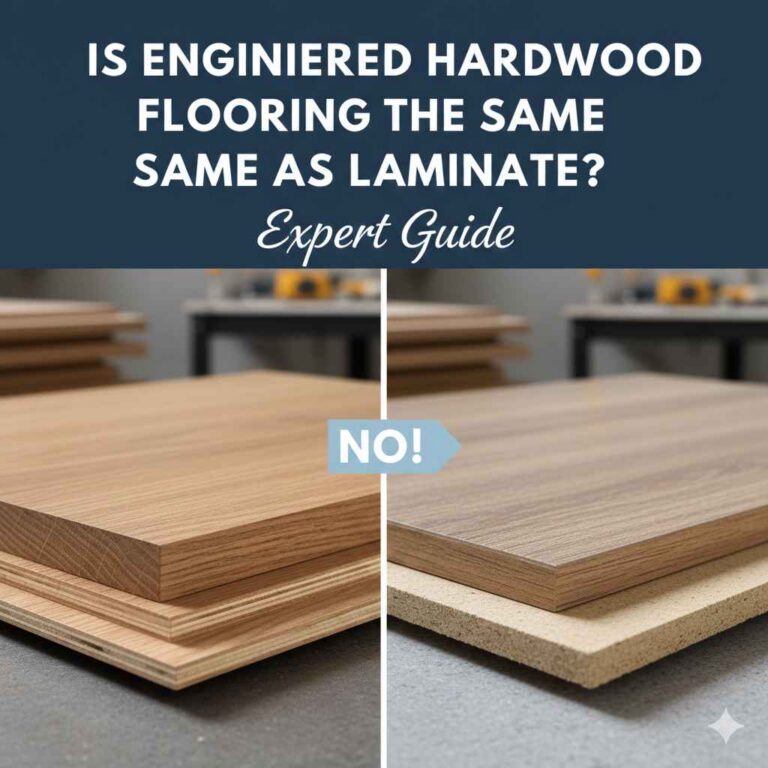
Engineered hardwood flooring is a type of flooring made from layers of wood. The top layer is real hardwood, while the inner layers are plywood or high-density fiberboard. This design makes it strong and stable.
Compared to traditional hardwood, engineered hardwood is more resistant to moisture and temperature changes.
It can be used in many places, such as:
- Kitchens
- Basements
- Living rooms
Its versatility and durability make it a popular choice for homeowners. With easy installation and various styles, it suits many designs.
2. The Science Behind Water Resistance in Flooring
Explanation of water resistance vs. waterproof. How engineered hardwood is manufactured to resist moisture. Comparison of engineered hardwood with other flooring options regarding water resistance.
Understanding water resistance is key. Water-resistant means a surface can handle some moisture, while waterproof means it can withstand water completely. Engineered hardwood is made by layering real wood over a high-density core, which helps it resist moisture better than solid hardwood. It performs well against spills compared to options like laminate and vinyl.
Here’s how they stack up:
- Engineered Hardwood: Good water resistance
- Laminate: Limited water resistance
- Vinyl: Fully waterproof
This makes engineered hardwood a great choice for homes, balancing beauty and durability.
3. Factors Affecting the Water Resistance of Engineered Hardwood
Types of finishes used and their impact on moisture resistance. Quality and thickness of the wear layer. Installation methods and their role in water exposure.
Several factors can influence how well engineered hardwood resists water. First, the type of finish used plays an important role. Some finishes create a barrier against moisture, while others do not. Next, the quality and thickness of the wear layer matter.
A thicker, high-quality layer can offer better protection against spills and humidity. Lastly, the installation method affects water exposure. Properly sealing edges and using moisture barriers can improve durability.
- Finishes: Waterproof vs. water-resistant
- Wear Layer: Thickness impacts protection
- Installation: Proper sealing is key
4. Maintenance Tips for Keeping Engineered Hardwood Water Resistant
Cleaning techniques to prevent water damage. Recommended products for maintaining engineered hardwood. Importance of proper humidity control in living spaces.
To keep your engineered hardwood sparkling and safe from water, use a damp cloth for cleaning. Avoid soaking it like a sponge! Try using pH-neutral cleaners to wipe away dirt without the drama. For those stubborn spots, a little bit of elbow grease will help, but don’t go too hard; we want to clean, not create more problems!
Check out some products that love your floors as much as you do:
| Product | Use |
|---|---|
| pH-Neutral Cleaner | Safe cleaning solution. |
| Microfiber Mop | Great for gentle cleaning. |
| Wood Moisture Meter | Checks humidity levels. |
Keeping the humidity in check is also key. Too much moisture can turn your lovely floors into sad puddles. Aim for a humidity level around 30-50%. Your hardwood will thank you by looking fabulous for years!
5. Real-Life Case Studies: Engineered Hardwood in Wet Areas
Experiences of homeowners in kitchens and bathrooms. Analysis of performance in basements and entryways. Expert opinions on the longevity of engineered hardwood in moistureprone environments.
Homeowners have mixed feelings about using engineered hardwood in wet areas like kitchens and bathrooms. Some love the stylish look, but others found out the hard way that spills can be tricky. In basements and entryways, moisture levels can lead to unexpected surprises—like bowing planks!
Experts suggest checking humidity levels and proper sealing. This table shows real-life performances:
| Location | Homeowner Experience | Expert Opinion |
|---|---|---|
| Kitchens | A few water spots, but easy to clean! | Watch for spills! |
| Bathrooms | Some had to replace planks. | Not ideal without good ventilation. |
| Basements | Moisture caused warping. | Use a dehumidifier! |
| Entryways | Stylish but needs regular care. | Sealants help, but keep cleaning! |
Overall, it seems like engineered hardwood can work, but keep a watchful eye on moisture!
6. Recommendations for Choosing Engineered Hardwood for High-Moisture Areas
Key features to look for when selecting moistureresistant products. Brands known for their waterresistant engineered hardwood. Installation tips to enhance water resistance.
Choosing the right engineered hardwood for high-moisture areas is essential. Look for products that offer moisture resistance, such as those made with high-density fiberboard. Consider brands like Mohawk and Shaw, known for their durable, water-resistant options.
- Check for a waterproof finish.
- Verify the warranty offers moisture protection.
- Opt for a floating installation method for better sealing.
Installing with a moisture barrier can also improve water resistance.
With these tips, you can enjoy beautiful flooring in wet areas.
7. Myths and Misconceptions About Engineered Hardwood and Water
Debunking common myths related to waterproof claims. Clarifying the difference between waterdamaged and waterresistant flooring. What to consider when encountering misinformation in the market.
Many people believe engineered hardwood is completely waterproof, but this is not true. Here are some key points to understand:
- Water-resistant means it can handle spills but isn’t safe for standing water.
- Water damage can ruin both engineered hardwood and regular hardwood if soaked.
- Be cautious of misleading ads that exaggerate claims about waterproof flooring.
Always check product details and ask experts before making a choice. Understanding these myths helps you choose the right flooring for your home.
Conclusion
In summary, while engineered hardwood offers enhanced durability and moisture resistance compared to traditional hardwood, it is not completely waterproof. Homeowners should take precautions to prevent water damage, such as using mats in high-moisture areas and promptly addressing spills. With proper care, engineered hardwood can maintain its beauty and functionality, making it a popular choice for many residential settings.
FAQs
Certainly! Here Are Five Related Questions About Whether Engineered Hardwood Is Waterproof:
Engineered hardwood is not fully waterproof, but it is more resistant to moisture than traditional hardwood. It can handle minor spills and humidity, making it suitable for areas like kitchens and bathrooms with proper care. However, prolonged exposure to water can still damage it, so it’s advisable to clean up spills promptly and avoid excessive moisture. For completely waterproof options, consider luxury vinyl or tile flooring instead.
Of course! Please provide the question you’d like me to answer.
**What Materials Are Used In The Construction Of Engineered Hardwood That Affect Its Water Resistance?**
Engineered hardwood is primarily made from a core of plywood or high-density fiberboard (HDF), which contributes to its stability and water resistance. The top layer consists of real hardwood veneer, while some products may include protective coatings like urethane or moisture-resistant finishes that enhance durability against water. Additionally, the quality of adhesive used in the construction can affect its overall resistance to moisture. Together, these materials and treatments improve the flooring’s ability to withstand humidity and occasional spills.
Of course! Please provide the question you’d like me to answer.
**Can Engineered Hardwood Withstand Spills And Moisture Compared To Traditional Hardwood?**
Engineered hardwood is generally more resistant to spills and moisture compared to traditional hardwood due to its layered construction, which provides greater stability and reduces the risk of warping. The top layer of engineered hardwood is real wood, giving it the appearance of traditional hardwood, but the underlying layers are often made of plywood or high-density fiberboard that can better handle humidity changes. However, while it can withstand some moisture, it’s still important to clean spills promptly and avoid excessive water exposure. Traditional hardwood, on the other hand, is more susceptible to damage from moisture and requires more careful maintenance to prevent warping and staining.
Of course! Please provide the question you’d like me to answer.
**What Care And Maintenance Practices Can Enhance The Water Resistance Of Engineered Hardwood Floors?**
To enhance the water resistance of engineered hardwood floors, ensure proper sealing and finishing with high-quality water-repellent coatings. Regularly clean the floors using a damp mop rather than excess water to prevent moisture accumulation. Promptly address any spills or moisture to minimize damage, and use area rugs in high-traffic or spill-prone areas. Additionally, maintain consistent indoor humidity levels to prevent the wood from expanding and contracting excessively.
Sure! Please provide the question you’d like me to answer.
**Are There Specific Brands Or Products Of Engineered Hardwood That Are Marketed As Waterproof?**
Yes, several brands offer engineered hardwood products specifically marketed as waterproof or water-resistant. Notable brands include Shaw, Mohawk, and Pergo, which design their products with enhanced moisture-resistant features. These floors often use advanced coatings and technologies to protect against spills and humidity. However, it’s important to check the manufacturer’s specifications to understand the level of water resistance provided.
Of course! Please provide the question you’d like me to answer.
**How Does The Water Resistance Of Engineered Hardwood Compare To That Of Luxury Vinyl Flooring?**
Engineered hardwood typically offers better water resistance than traditional hardwood, but it is generally not as water-resistant as luxury vinyl flooring. Luxury vinyl is designed to be completely waterproof, making it suitable for areas prone to moisture, such as bathrooms or basements. In contrast, while engineered hardwood can withstand some moisture, extensive exposure can lead to warping or damage. Therefore, for high-moisture environments, luxury vinyl flooring is the more durable option.