Is It Illegal to Turn Off a Street Light: Essential Facts
Quick Summary: Yes, it is generally illegal to turn off a street light. Tampering with public property, including street lights, can lead to fines, legal charges, and even jail time. These lights are crucial for public safety and are maintained by local authorities.
Ever found yourself bothered by a flickering or overly bright street light outside your home? You might have wondered if you could just… turn it off. It’s a common thought, especially when a light is disrupting your sleep or seems to be on unnecessarily. But before you even think about reaching for a switch, it’s really important to know the facts. Messing with public infrastructure, like street lights, isn’t just a bad idea; it can actually land you in legal trouble. Let’s break down why these lights are there, who’s in charge of them, and what the real consequences are if you decide to tamper with them. We’ll cover everything you need to know to stay safe and out of hot water.
Why Street Lights Exist: More Than Just Light
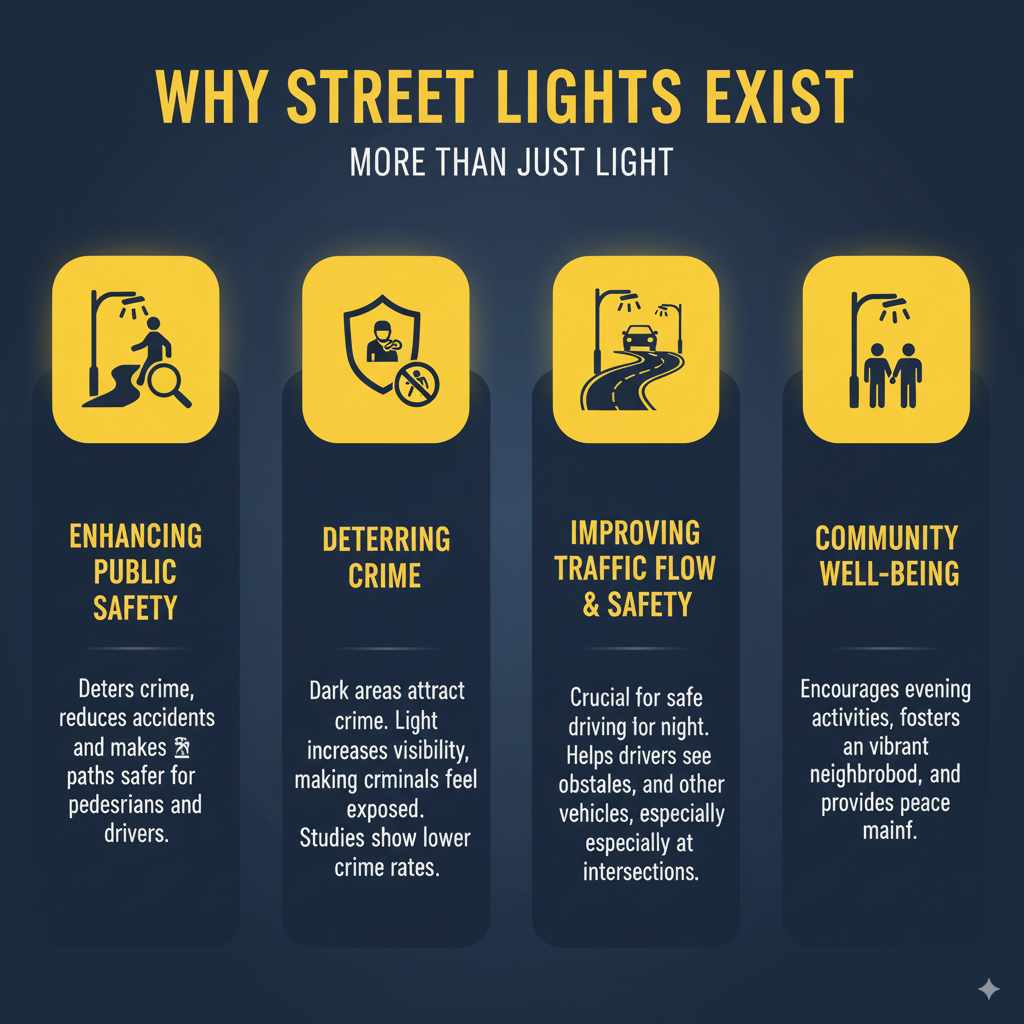
Street lights are a vital part of our community’s infrastructure. They do more than just illuminate our paths; they play a critical role in keeping us all safe. Think about them as silent guardians of our neighborhoods after the sun goes down.
Enhancing Public Safety
The primary reason for street lights is to improve safety for everyone. Well-lit streets help deter criminal activity by reducing hiding spots for potential wrongdoers. Visibility is key for both pedestrians and drivers. When streets are properly lit, it’s easier to see potential hazards, such as potholes, debris, or uneven surfaces, preventing trips and falls. For drivers, street lights improve visibility of the road, other vehicles, pedestrians, and cyclists, significantly reducing the risk of accidents, especially at intersections and curves.
Deterring Crime
Dark areas can unfortunately attract crime. The presence of street lights makes potential criminals feel more exposed, acting as a natural deterrent. Studies have shown a correlation between adequate street lighting and lower crime rates in residential areas. The National Institute of Justice has highlighted how lighting can be a crime prevention tool.
Improving Traffic Flow and Safety
During nighttime hours, street lights are essential for safe driving. They help drivers distinguish between the road, sidewalks, and other obstacles. This improved visibility is crucial for maintaining safe speeds and preventing collisions, particularly in areas with heavy traffic or complex road layouts.
Community Well-being
Beyond safety, street lights contribute to a sense of community well-being. They make evening walks more pleasant and encourage people to be out and about, fostering a more vibrant neighborhood atmosphere. Knowing your street is well-lit can provide peace of mind.
Who Controls Street Lights?
It’s a common misconception that individual homeowners have any say or control over the street lights on their block. The reality is that street lights are part of a larger public utility system. Understanding who manages them is key to knowing why you can’t just switch them off.
Municipal Authority
In most cities and towns, the responsibility for installing, maintaining, and operating street lights falls under the purview of the local government. This is often managed by a public works department, a transportation department, or a dedicated utility service. These bodies are responsible for the entire network of street lights within their jurisdiction.
Utility Companies
In many cases, the actual electrical utility company that provides power to your home is also contracted by the municipality to manage the street lighting system. They handle the electrical infrastructure, bulb replacements, and repairs. The city or town pays the utility company for these services.
Reporting Issues
If you notice a street light that is out, flickering, or causing problems, you should not attempt to fix it yourself. Instead, you need to report it to the correct authority. Most municipalities and utility companies have specific hotlines or online portals for reporting street light issues. This ensures the problem is addressed by trained professionals who can do so safely and effectively.
Is It Illegal to Turn Off a Street Light? The Legal Ramifications
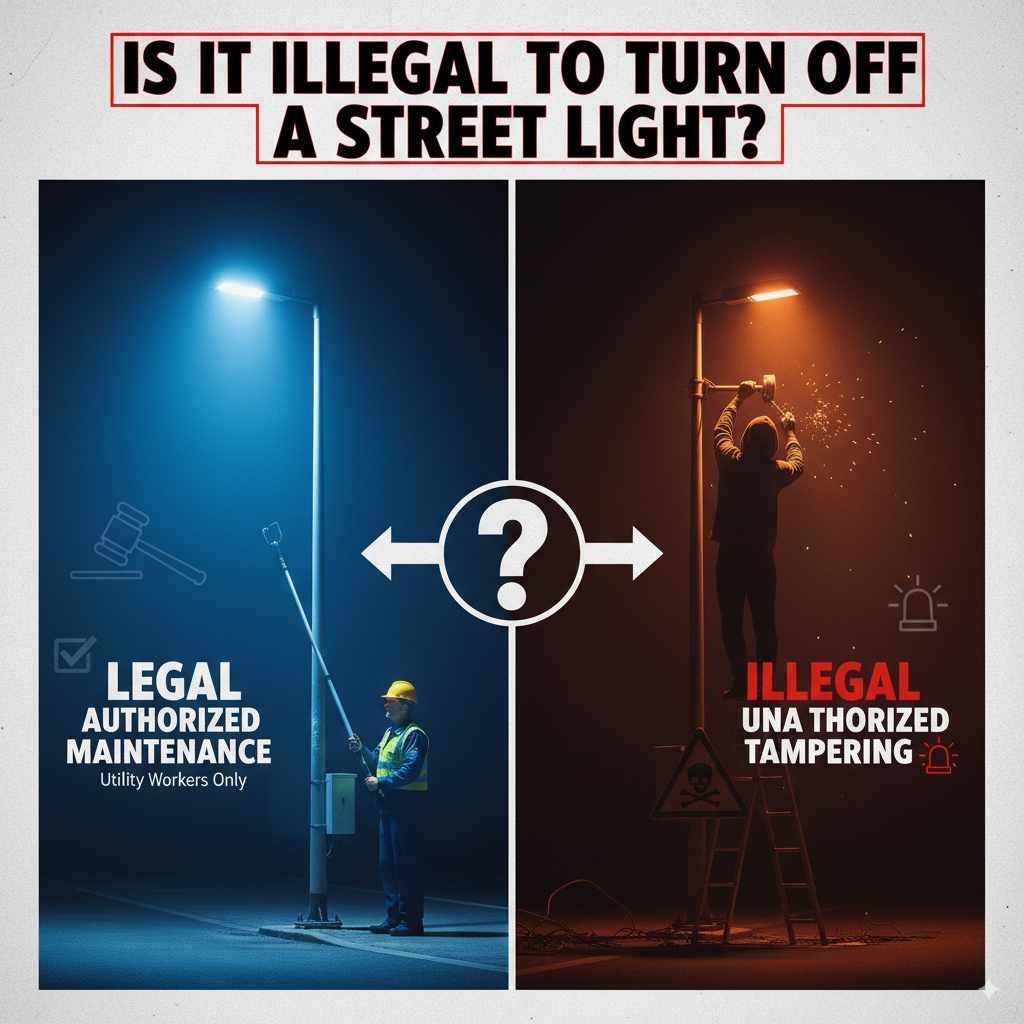
So, to get to the heart of the matter: is it illegal to turn off a street light? The short answer is a resounding yes. Tampering with public property is a serious offense, and street lights fall squarely into that category. The legal consequences can be significant.
Vandalism and Property Damage
Turning off or otherwise interfering with a street light is often classified as vandalism or property damage. This is because you are intentionally altering or disabling a piece of public infrastructure that belongs to the community. Laws against vandalism are in place to protect public property and ensure it remains functional for everyone’s benefit.
Potential Fines and Legal Charges
Depending on your location and the severity of the act, you could face substantial fines. In some cases, especially if the act is deemed malicious or causes significant disruption, it could lead to more serious legal charges, including misdemeanors or even felonies. These charges can result in a criminal record, which can impact future employment and other opportunities.
Jail Time
While less common for a first-time offense of simply flipping a switch, more egregious acts of tampering or repeated offenses could potentially lead to jail time. The legal system takes the disruption of public services and the damage to public property very seriously.
Civil Liability
Beyond criminal charges, you could also be held civilly liable for damages. If your actions lead to an accident or crime due to the lack of lighting, you could be sued for the damages incurred. This could include medical expenses, property damage, or even compensation for loss of life.
Understanding Local Ordinances
It’s important to remember that specific laws and penalties vary by state, county, and city. However, the overarching principle that tampering with public utilities is illegal is almost universal. You can usually find information about local ordinances regarding public property and vandalism on your city or county government’s website.
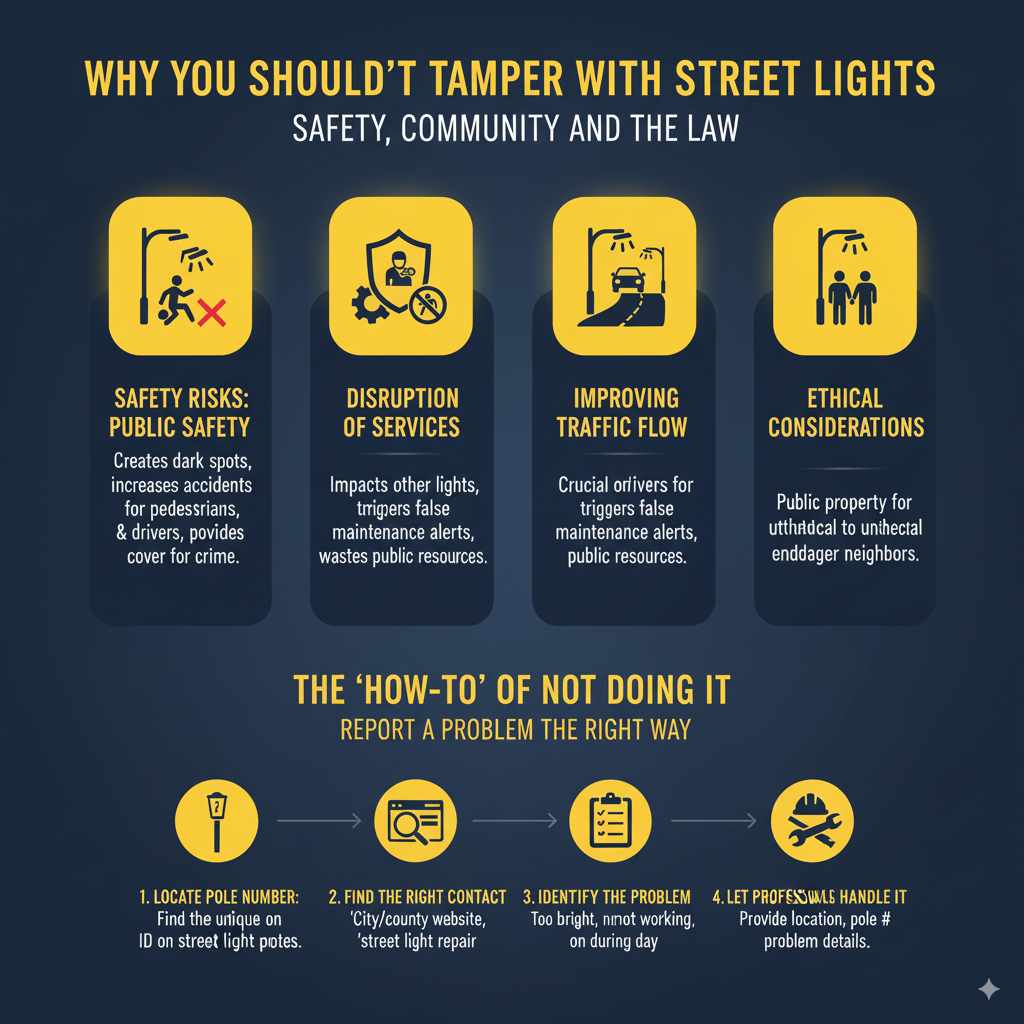
Why You Shouldn’t Tamper with Street Lights
Beyond the strict legal reasons, there are several practical and ethical considerations that make tampering with street lights a bad idea. These lights are there for a reason, and their absence can have ripple effects you might not anticipate.
Safety Risks
As we’ve discussed, street lights are crucial for safety. Turning one off creates a dark spot, which can increase the risk of accidents for pedestrians and drivers. It also provides cover for potential criminal activity, making your neighborhood less safe for everyone.
Disruption of Services
Street lights are part of a coordinated system. Tampering with one can sometimes affect others or trigger alerts for maintenance that isn’t actually needed, wasting valuable public resources. Public works departments and utility companies rely on accurate information to maintain these systems efficiently.
Ethical Considerations
Public property is for the benefit of the entire community. Taking action that negatively impacts the safety and well-being of your neighbors is not only illegal but also unethical. We all share a responsibility to maintain our public spaces.
The “How-To” of Not Doing It
If you’re struggling with a street light that is too bright, flickering, or simply seems to be on at odd hours, the correct approach is always to report it. Don’t try to solve the problem yourself. Here’s a simple process:
- Locate the Light Pole Number: Most street light poles have a unique identification number or sticker. This is crucial for the authorities to locate the specific light.
- Find the Right Contact: Search your city or county’s official website for “street light repair,” “public works,” or “report a problem.” You should find a phone number or an online form. Utility company websites also often have a section for reporting street light outages.
- Identify the Problem: Note exactly what the issue is (e.g., light is too bright, not working, flickering, on during the day).
- Provide Clear Information: When you report the issue, be specific. Give the location (street name, nearest cross-street, address), the pole number, and a clear description of the problem.
- Let the Professionals Handle It: The city or utility company will schedule a repair or adjustment by trained personnel.
Understanding Street Light Technology and Issues
Street lights have evolved significantly over the years, from simple incandescent bulbs to advanced LED systems. Understanding these changes can help you appreciate why they are managed the way they are and what might be causing certain issues.
Types of Street Lights
You’ll encounter different types of street lights, each with its own characteristics:
- High-Pressure Sodium (HPS): These are common and emit a distinctive yellowish-orange light. They are energy-efficient but have poor color rendering.
- Metal Halide (MH): These produce a whiter light and better color rendering than HPS, often used in areas where color accuracy is important.
- Light Emitting Diode (LED): Increasingly, municipalities are switching to LED street lights. They are highly energy-efficient, have a long lifespan, and offer better control over light distribution and color temperature. They can also be dimmed or controlled remotely.
Common Street Light Problems and Their Causes
Here are some common issues and what might be causing them:
| Problem | Potential Causes | What You Should Do |
|---|---|---|
| Light is out completely | Bulb failure, ballast issue, power interruption, faulty photocell, wiring problem. | Report to your local authority with the pole number. |
| Light is flickering | Loose connection, failing bulb or ballast, voltage fluctuations, issues with the timer or photocell. | Report to your local authority. |
| Light is too bright or shining into windows | Incorrect fixture, wrong shield/shielding, light pollution from modern LED fixtures with poor design. | Report to your local authority. They may be able to adjust shielding or, in some cases, dim the light if it’s an advanced system. |
| Light is on during the day | Faulty photocell (the sensor that detects daylight), timer malfunction, wiring issue. | Report to your local authority. |
| Light is buzzing | Ballast issues, loose components, or electrical interference. | Report to your local authority. |
The Role of Photocell Sensors
Most modern street lights use a photocell sensor (also called a dusk-to-dawn sensor). This small device on top of the light fixture detects ambient light levels. When it gets dark enough, it completes a circuit, turning the light on. When daylight returns, it breaks the circuit, turning the light off. If this sensor malfunctions, the light might stay on during the day or not turn on at night. It’s a component that requires professional replacement.
LEDs and Light Pollution Concerns
While LEDs offer many benefits, some older or poorly designed LED fixtures can contribute to light pollution. This happens when light is cast upwards or outwards unnecessarily. Many cities are now implementing “Dark Sky” friendly lighting ordinances and retrofitting fixtures to direct light downwards where it’s needed, reducing waste and improving the night sky view. If you’re concerned about light pollution from street lights, you can often find information on your city’s sustainability or planning department’s website regarding their lighting policies. For example, the International Dark-Sky Association provides resources on responsible lighting practices.
Frequently Asked Questions (FAQ)
Q1: Can I cover a street light that shines into my bedroom window?
No, you absolutely cannot cover or tamper with a street light. Doing so is illegal and can result in fines or other legal penalties. The proper way to address this is to report the issue to your local municipality or utility company.
Q2: What if a street light is out and my street feels unsafe?
If a street light is out and you feel your street is unsafe, you should report it immediately. Look for the pole number and contact your city’s public works department or the relevant utility company through their official reporting channels.
Q3: Who pays for street lights?
Street lights are typically paid for by taxpayers through municipal budgets. Cities contract with utility companies to install, maintain, and power these lights. So, in a way, we all contribute to their cost through our local taxes.
Q4: How long do street lights typically last?
The lifespan of a street light varies depending on the technology. Incandescent bulbs might last a few thousand hours, while High-Pressure Sodium (HPS) bulbs can last 15,000-24,000 hours. Modern LED street lights are designed to last much longer, often 50,000 to 100,000 hours or more, which translates to many years of service.
Q5: What should I do if a street light is damaged by a car accident?
If a street light is damaged due to an accident, it’s crucial to report it immediately to the authorities (police and your city’s public works department). Do not approach or touch a damaged light pole, as it could be a safety hazard due to downed power lines or structural instability.
Q6: Can I request a new street light be installed in my area?
Yes, in many municipalities, you can request a new street light. This usually involves submitting a formal request to your local government or public works department. They will assess the need based on factors like crime rates, pedestrian traffic, and traffic safety. Be aware that there might be a cost associated with new installations, which could be borne by the city or, in some cases, by the residents requesting it.
Q7: What if a street light is attracting bugs or wildlife?
While street lights can attract insects, this is generally considered a side effect of necessary public lighting. If you notice specific wildlife concerns that you believe are directly exacerbated by a particular light, you can report it to your local environmental or animal control agency, though direct action on the light itself would still require municipal approval.
Conclusion: Respecting Public Property for a Safer Community
As we’ve explored, the question of “is it illegal to turn off a street light” has a clear and firm answer: yes, it is illegal. Tampering with public property like street lights is a serious matter with potential legal consequences, including fines and criminal charges. These lights are not just decorative; they are essential tools for public safety, crime deterrence, and smooth traffic flow. They are managed by local authorities and utility companies who are responsible for their upkeep and operation.
If you encounter an issue with a street light—whether it’s too bright, not working, or causing a nuisance—the only correct course of action is to report it. By contacting your local municipality or utility company, you ensure that trained professionals can address the problem safely and effectively. This process not only keeps you out of legal trouble but also contributes to the well-being and safety of your entire community. Let’s all do our part to maintain our public infrastructure responsibly. Your proactive reporting helps keep our streets safer for everyone.