Is Ratchet Offensive? Exploring the Term in Automotive and Cultural Contexts
Hey there! If you’re reading this, you’re probably wondering about the word “ratchet” and whether it’s offensive. Maybe you’ve heard it tossed around in a car garage, seen it in a meme, or caught it in a song. As someone who’s spent years geeking out over cars and diving into the cultural side of language, I’ve explored this term from every angle.
It’s a word with layers—used in automotive shops, slang, and even pop culture. But does it carry a negative or offensive weight? Let’s dive into this together and unpack what “ratchet” really means, where it comes from, and how it’s used today. My goal is to make this clear, engaging, and useful for you, whether you’re a car enthusiast or just curious about language.
What Does “Ratchet” Mean in the Automotive World?
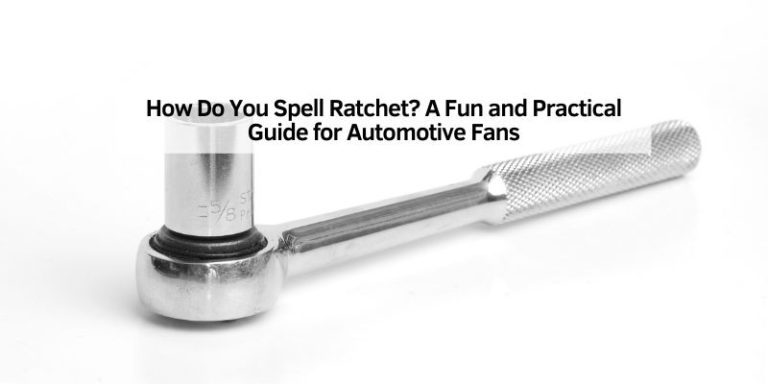
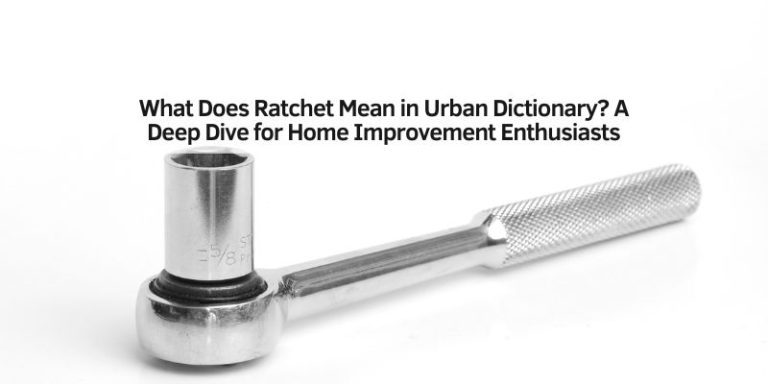
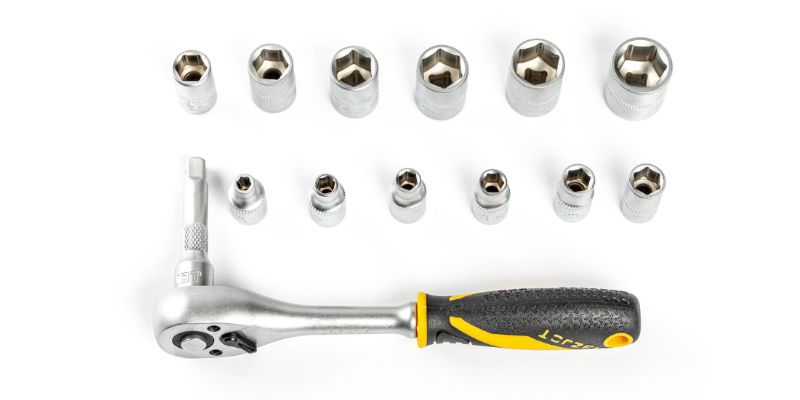
Let’s start with my favorite part—the automotive side. In the world of cars and mechanics, a ratchet is a tool. It’s that trusty wrench with a mechanism that lets you turn a bolt in one direction without repositioning the tool. If you’ve ever worked on a car, you know how handy it is. The clicking sound it makes is satisfying, like a little victory with every turn.
In the garage, “ratchet” is a neutral term. It’s not offensive at all—it’s just a tool that gets the job done. Mechanics use it to tighten or loosen bolts, and it’s a staple in any toolbox. There are different types, like socket ratchets, torque ratchets, and even air-powered ones for heavy-duty jobs. I remember the first time I used a ratchet wrench to swap out a car battery—it felt like I was unlocking a secret superpower.
But here’s where it gets interesting: the word “ratchet” doesn’t stay in the garage. It’s made its way into everyday language, and that’s where things get complicated. Let’s explore how this mechanical term took on a whole new life.
The Evolution of “Ratchet” in Slang
Outside the automotive world, “ratchet” has a completely different vibe. It’s slang, and it’s been around in pop culture for a while. I first heard it in a hip-hop song years ago, and it confused me at first. Was it about a tool? Nope. In slang, “ratchet” describes something or someone that’s messy, low-class, or out of control—often in a negative way.
The term started gaining traction in the early 2000s, especially in African American Vernacular English (AAVE). It was popularized by songs, social media, and reality TV. Think of a loud, chaotic scene at a party or someone acting over-the-top—that might get labeled “ratchet.” For example, I’ve seen people on social media call out “ratchet behavior” when someone’s being dramatic or making poor choices.
But here’s the catch: the slang version of “ratchet” can carry a judgmental tone. It’s often used to criticize people, especially women, for their appearance, behavior, or lifestyle. This is where the question of offensiveness comes in. Let’s dig deeper.
Is “Ratchet” Offensive? The Cultural Debate
So, is calling someone or something “ratchet” offensive? It depends. I’ve spent time researching this, talking to friends, and scrolling through online debates to get a sense of how people feel. The answer isn’t black-and-white—it hinges on context, intent, and who’s hearing it.
In some cases, “ratchet” is used playfully. I’ve heard friends joke about a “ratchet night out” when things got a little wild but fun. In this sense, it’s lighthearted, like saying, “We were a hot mess!” But in other situations, it’s not so innocent. Calling someone “ratchet” to shame their appearance, speech, or actions can feel like a personal attack. It’s especially problematic when the term is used to stereotype or mock marginalized groups, like low-income communities or people of color.
I’ve noticed that some people—especially women—find it hurtful when “ratchet” is thrown at them. It can imply they’re “less than” or not respectable. For example, labeling someone’s outfit or behavior as “ratchet” on social media can sting, especially if it’s meant to embarrass them. On the flip side, some folks embrace the term, using it to describe their bold, unapologetic style. It’s like they’re saying, “Yeah, I’m ratchet, and I own it!”
The cultural debate around “ratchet” reminds me of how language evolves. Words can start in one place—like a mechanic’s toolbox—and end up somewhere else entirely. To understand why “ratchet” can be offensive, we need to look at its roots and how it’s been used over time.
The Origins of “Ratchet” in Slang
To get to the bottom of this, I dug into where the slang version of “ratchet” came from. Some linguists trace it back to Louisiana, specifically Shreveport, in the 1990s. It’s thought to be a variation of “wretched,” meaning something broken-down or miserable. Over time, “wretched” got slurred into “ratchet” in local dialects, and the term stuck.
By the 2000s, artists like Lil Boosie and Hurricane Chris were using “ratchet” in their music, giving it a wider audience. From there, it spread like wildfire through hip-hop, reality TV, and platforms like Twitter (now X). I remember hearing it in songs like “Ratchet” by Megan Thee Stallion, where it’s used to describe a bold, carefree attitude. But not everyone hears it the same way.
Because “ratchet” often targets specific groups—like Black women or people from certain communities—it can feel like a slur in the wrong hands. It’s not the word itself but how it’s used. If someone calls a person “ratchet” to degrade them, it’s no surprise they’d take offense. But if it’s used to celebrate someone’s confidence or vibe, it’s a different story.
How Context Shapes the Meaning of “Ratchet”
Let’s talk about context, because it’s everything. I’ve learned this from years of chatting with car enthusiasts, music fans, and even strangers online. The same word can mean different things depending on who’s saying it, who’s hearing it, and where it’s said.
In a car shop, “ratchet” is just a tool. No one’s offended when a mechanic says, “Pass me the ratchet.” It’s straightforward. But in a social setting, it’s trickier. If I jokingly call my friend’s messy car “ratchet,” they might laugh. But if I use it to describe someone I don’t know, especially in a critical way, it could come off as rude or even classist.
Here’s a quick breakdown of how context changes the word’s impact:
| Context | Meaning | Offensive Potential |
|---|---|---|
| Automotive | A mechanical tool, like a wrench | Not offensive |
| Playful slang | Describing fun, chaotic behavior | Rarely offensive |
| Critical slang | Judging someone’s appearance or actions | Often offensive |
| Cultural celebration | Embracing bold, unapologetic style | Not offensive |
This table shows how “ratchet” can shift from harmless to hurtful. It’s all about intent and audience. I’ve learned to be careful with slang like this, especially when I’m not sure how it’ll land.
The Role of Pop Culture in Spreading “Ratchet”
Pop culture has a huge influence on how words like “ratchet” spread. I’ve seen it everywhere—music videos, TV shows, and social media. Reality shows like Love & Hip Hop or Bad Girls Club often use “ratchet” to describe drama or over-the-top behavior. It’s become a shorthand for “messy” or “extra.”
Music is another big driver. Artists like Nicki Minaj and Cardi B have used “ratchet” in their lyrics, sometimes to reclaim it as a badge of confidence. I love how music can take a word and give it new life, but it also spreads stereotypes. When “ratchet” is tied to certain images—like loud women in flashy outfits—it can reinforce negative ideas about race, class, or gender.
Social media platforms like X amplify this. I’ve scrolled through countless posts where people debate whether “ratchet” is offensive or just a joke. Some users defend it as a fun term, while others call it out for being disrespectful. It’s a mixed bag, and it shows how divided people are on the word’s meaning.
So, how do you use “ratchet” without stepping on toes? I’ve had to figure this out myself, especially when talking to people from different backgrounds. My rule of thumb is to think about the setting and the people around me. If I’m in a casual setting with friends who get the slang, I might use “ratchet” to describe a wild night out. But in a professional or unfamiliar setting, I avoid it altogether.
If you’re a car enthusiast like me, you probably won’t run into issues using “ratchet” to talk about tools. But if you’re using the slang version, be mindful. Ask yourself: Am I punching down? Am I judging someone unfairly? If the answer’s yes, it’s probably best to pick a different word.
I also try to listen to how others react. If someone seems uncomfortable when I say “ratchet,” I take note and adjust. Language is about connection, not division. The last thing I want is to make someone feel bad because of a word I used carelessly.
Why Language Matters in the Automotive Community
As someone who loves cars, I think the automotive community is a great place to talk about language. We’re a diverse group—mechanics, racers, hobbyists, and everyday drivers. Words like “ratchet” can bridge the gap between our love for cars and the culture around us. But they can also create misunderstandings if we’re not careful.
I’ve been to car meets where people throw around slang without thinking. Most of the time, it’s all in good fun. But I’ve also seen moments where a word like “ratchet” sparked an argument because someone felt disrespected. It’s a reminder that words carry weight, even in a laid-back setting like a car show.
By being thoughtful about how we use terms like “ratchet,” we can keep the automotive community welcoming. Whether you’re wrenching on a classic Mustang or debating slang over a beer, it’s about respect. That’s what keeps our community strong.
How to Respond if “Ratchet” Offends Someone
If you accidentally offend someone by calling them “ratchet,” don’t panic. I’ve been there, and it’s not the end of the world. The key is to listen and learn. If someone calls you out, apologize sincerely and ask how you can do better. For example, I once used “ratchet” to describe a friend’s messy car interior as a joke, but they didn’t laugh. I apologized and explained I meant it playfully, and we moved on.
If you’re on the receiving end and someone calls you “ratchet” in a way that feels mean, speak up. You can say something like, “Hey, that didn’t feel great. Can we talk about it?” Most people don’t want to hurt feelings, and a quick conversation can clear things up.

Conclusion
After exploring the word “ratchet” from every angle, I’ve come to see it as a fascinating example of how language evolves. In the automotive world, it’s a trusty tool that makes our lives easier. In slang, it’s a loaded term that can be fun, critical, or even hurtful depending on how it’s used. Whether you’re a gearhead or just someone curious about words, understanding “ratchet” means looking at context, intent, and culture.
I hope this deep dive has answered your questions and given you a clearer picture of what “ratchet” means today. It’s a word that can spark laughter, pride, or offense, so let’s use it thoughtfully. Next time you’re in a garage or scrolling through X, you’ll know exactly how to navigate this tricky term. Thanks for joining me on this journey—now go out there and keep the conversation rolling, whether it’s about cars or culture!
FAQs
What does “ratchet” mean in a car shop?
In a car shop, “ratchet” refers to a wrench with a mechanism that allows it to turn in one direction without repositioning. It’s a common tool for tightening or loosening bolts and is not offensive at all.
When did “ratchet” become slang?
The slang version of “ratchet” started in the 1990s, likely in Louisiana, as a variation of “wretched.” It gained popularity in the 2000s through hip-hop music and pop culture.
Can “ratchet” be a compliment?
Yes, sometimes! Some people use “ratchet” to describe a bold, confident style or attitude, especially playfully or positively. It depends on the context and tone.
How do I know if “ratchet” will offend someone?
Consider the setting and your audience. If you’re using it to judge or mock someone’s appearance or behavior, it’s more likely to offend. When in doubt, choose a different word.
It depends on how you use it. Playful or positive uses are usually fine, but avoid using it to shame or stereotype others, as it can come across as disrespectful.