Is Rust-Oleum Spray Paint Oil-Based? Guide
Most standard Rust-Oleum spray paints are oil-based, but the can decides it: if the cleanup directions call for mineral spirits or acetone, it is solvent-based; if the label says soap-and-water cleanup or water-based acrylic, it is not. Use the wrong cleaner or recoat too soon and you can get wrinkling, poor adhesion, or a finish that never cures right. This guide shows how to identify the base type, pick the right cleanup solvent, and know when it is safe to repaint.
Is Rust-Oleum spray paint oil-based?

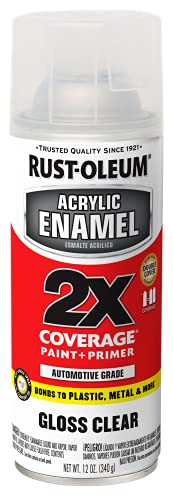

Most common Rust-Oleum spray paint lines are oil-based alkyd, but not all of them are. The practical difference is plain: oil-based alkyd dries by oxidation, needs mineral spirits for cleanup, and usually leaves a harder shell. Water-based acrylic versions typically clean up with soap and water and can be easier to manage indoors.
What oil-based and water-based mean in practice
Alkyd means the coating cures as oxygen reacts with the resin. A water-based coating works differently. It loses water first, then finishes curing. On a job, that changes odor, cleanup, and how long you should wait before handling or recoating.
Rust-Oleum’s oil-based spray paint is described as an alkyd-resin formula. The water-based version is the exception, not the rule, so check the can every time you buy a new SKU.
Which Rust-Oleum spray paint lines are oil-based?
Painter’s Touch and 2X Ultra Cover are identified as oil-based alkyd. Stops Rust and Universal are also oil-based alkyd, and American Accents falls in the same oil-based group on the lines covered here. One water-based exception may be a low-odor premium version, and a specialty marking paint line should be checked on the can itself.
📊 2X Ultra Cover is identified as oil-based alkyd. Source: Is Rust-Oleum Spray Paint Oil-Based? Depends on the Line.
How to tell from the can label before you spray
Current cans may print the base type on the label, and the safest move is to read the product’s own can before spraying. Front labels often hint at the formula family, but the back label and cleanup directions tell you what you actually bought. That matters when a line gets reformulated or renamed.
Front label clues to look for
Look for the exact line name first: Painter’s Touch, 2X Ultra Cover, Stops Rust, Universal, American Accents, Low Odor Premium, or Industrial Choice marking paint. Then read for words such as oil-based, water-based, acrylic, or alkyd. If the front label is vague, do not guess from the brand name.
Back label wording for oil-based, water-based, and cleanup directions
The back panel usually gives the clearest proof. Oil-based cans may call for mineral spirits or another solvent in the cleanup directions. Water-based cans usually call for plain water or soap and water. If the back label says one thing and the front suggests another, trust the cleanup instructions and the base-type wording on the can in hand.
How to verify reformulated or renamed SKUs
Do not rely on old blog posts or memory. A reordered shelf can hide a reformulated can with the same family name. Check the front label, then the back label, then the cleanup note. If the can you bought differs from the one you used before, treat it like a new product until the label proves otherwise.
Rust-Oleum spray paint line-by-line guide
Use the line name as a starting point, then confirm the formula on the can. Most of the standard Rust-Oleum spray lines listed here are oil-based alkyd, but Low Odor Premium is water-based instead. Cleanup, surface prep, and drying expectations should follow the base type, not just the brand family.
| Rust-Oleum spray line | Base type | Cleanup method | Best surface | Common misuse to avoid |
|---|---|---|---|---|
| Painter’s Touch | Oil-based alkyd | Mineral spirits | Wood, metal, previously coated surfaces | Cleaning the nozzle and tools with plain water |
| 2X Ultra Cover | Oil-based alkyd | Mineral spirits | Wood, plastic, metal | Recoating too soon before the film has set |
| Stops Rust | Oil-based alkyd | Mineral spirits | Metal | Using it on bare wood without the right prep |
| Universal | Oil-based alkyd | Mineral spirits | Wood, plastic, metal, previously coated surfaces | Assuming every “universal” label means any surface without prep |
| American Accents | Oil-based alkyd | Mineral spirits | Craft surfaces, previously coated surfaces | Skipping adhesion prep on slick finishes |
| Low Odor Premium | Water-based acrylic | Soap and water | Indoor craft work, low-odor projects | Cleaning with solvent when water would work |
| Industrial Choice marking paint | Check the can label | Check the can label | Job-specific marking surfaces | Assuming it matches a standard decorative spray paint |
Best use cases for wood, metal, plastic, and previously coated surfaces
For bare wood, oil-based spray paint can work well if the surface is sanded, dust-free, and sealed as needed. For metal, Stops Rust is the clearest fit from the lines listed here. For plastic, choose a can labeled for plastic adhesion instead of assuming any Rust-Oleum spray will bite into the surface.
Previously coated surfaces are where label reading matters most. A sound old finish can be painted over if it is clean, dull, and compatible. A glossy or soft layer needs more prep. Oil over sound oil is usually easier than trying to cover a damaged layer with a fast, thin coat.
Oil-based vs water-based Rust-Oleum: cleanup, odor, and dry time

Oil-based Rust-Oleum cleanup uses mineral spirits, while water-based cleanup uses plain water. Oil-based coatings usually smell stronger and build a harder shell, while water-based products are better for indoor work where lower odor matters. Drying is not the same as curing, and those terms should stay separate.
Mineral spirits vs soap and water
For oil-based spray paint, mineral spirits are the correct cleanup solvent for valves, caps, nozzles, and tools. For water-based spray paint, soap and water are enough for cleanup before the film sets. Using the wrong cleaner can smear the finish, which can leave gloss loss, streaking, or a gummy edge.
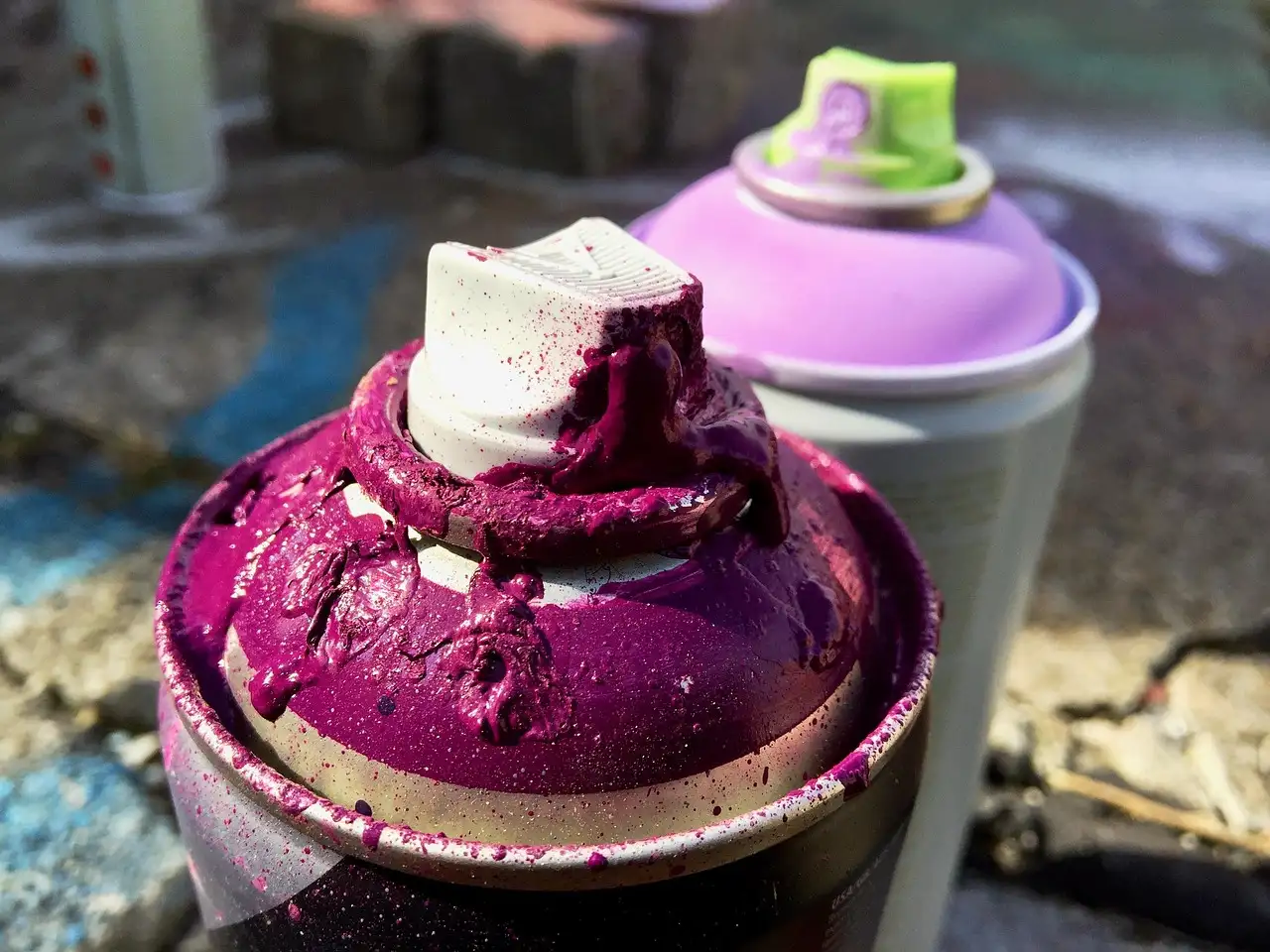
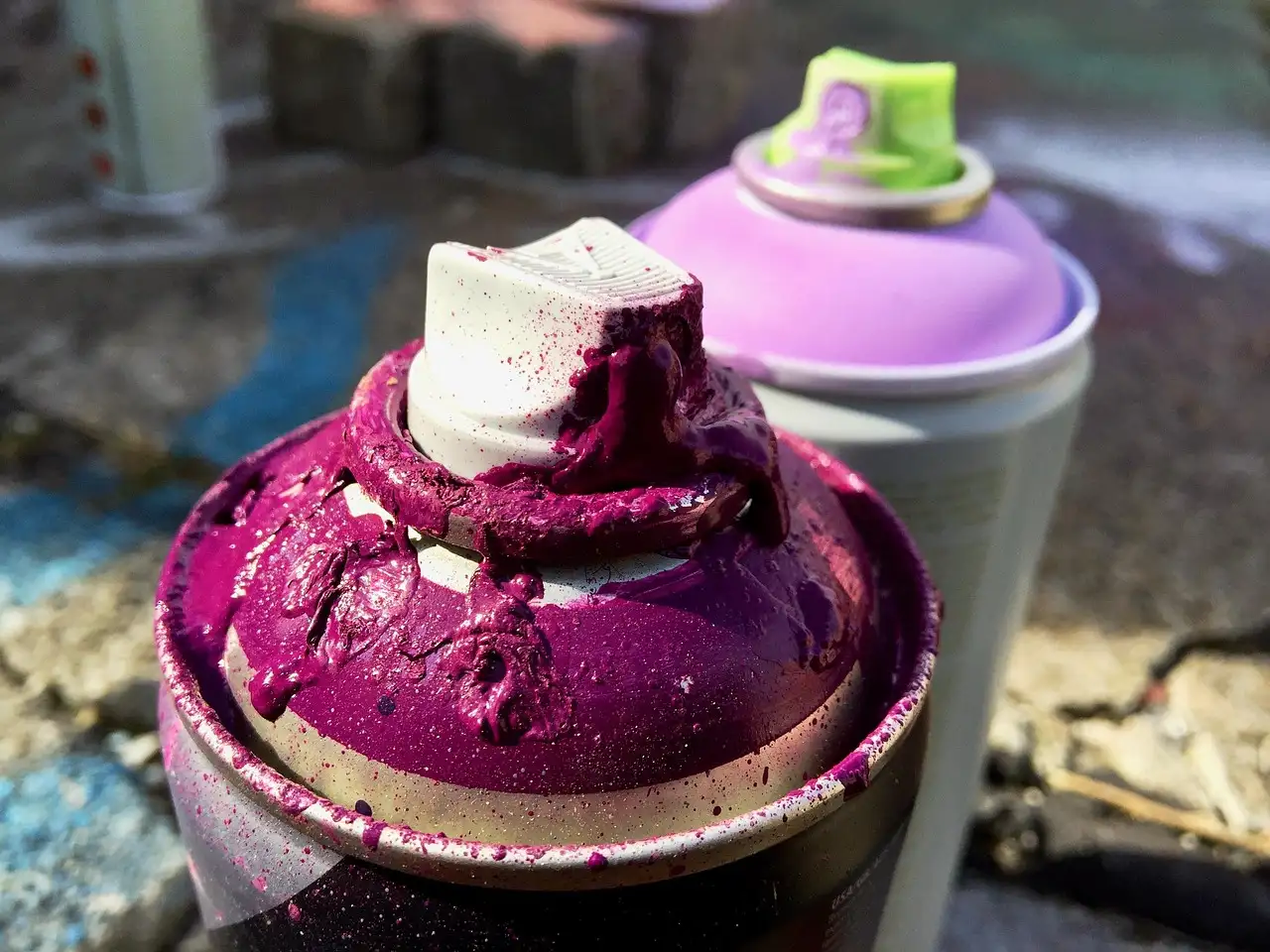
A spray can trigger handle helps with control, but it does not change the cleanup rules. Once paint gets into the trigger assembly or nozzle, clean it while the coating is still fresh. Waiting too long makes both formulas harder to clear, and the wrong solvent only makes the mess worse.
Touch dry, full cure, and oxidation versus evaporation
Touch dry means the surface can be lightly handled. Full cure means the coating has reached its harder final state. Oil-based alkyd dries by oxidation rather than evaporation, so it can feel dry on top before it is fully ready underneath. Water-based acrylic usually gets past the wet stage faster, but that does not mean it is cured.
Do not stack parts, tape over them, or pack them away too early. A finish that is only touch dry can still mark, print, or bond to itself. Give recoating time that matches the label, then allow extra cure time before hard use.
Why low odor matters for indoor work
Low Odor Premium is the clearest water-based option in this group, and that matters for enclosed spaces. Lower odor makes it easier to use on indoor craft pieces, furniture touch-ups, and other projects where ventilation is limited. It is not a free pass to skip prep, but it does change the work environment.
Can you spray one type over the other?
Yes, water-based Rust-Oleum can go over oil-based Rust-Oleum if the oil-based coat is fully cured, clean, and dulled enough for adhesion. Oil-based over water-based can also work, but only after the lower layer has dried and passed a scratch test. If in doubt, sanding and a compatible primer are safer than guessing.
Water-based over oil-based Rust-Oleum
In practice, water-based over oil-based is often the more common repaint path. The old oil layer must be clean, fully cured, and scuffed. If the surface still feels slick or soft, the new coat can fisheye, bead, or peel. When the prior coat is questionable, light sanding and primer are the safer move.
Oil-based over water-based Rust-Oleum
Oil-based over water-based can work if the underlying coating is fully dry and no longer soft. Trouble starts when a solvent-heavy topcoat bites into a weak or undercured water-based layer. If the old finish dents with a fingernail or leaves residue on sanding dust, stop and prime instead of pushing ahead.
When sanding or primer is the safer move
Use primer when the surface is bare, patchy, stained, or mixed with old coatings of unknown type. Sanding helps mechanical grip, especially on plastic, glossy paint, and previously coated trim. Primer is not busywork. It keeps the new coat from sitting on a weak or contaminated base.
What base type should you use for your project?
Choose oil-based Rust-Oleum when durability, harder shell formation, and outdoor or metal-friendly performance matter most. Choose water-based Rust-Oleum when lower odor and easier cleanup are more important, especially for indoor work. For bare wood, metal, plastic, and old finishes, the right choice depends on the surface, not the logo.
Bare wood and priming
Does oil-based Rust-Oleum need a primer on bare wood? Often yes, especially on porous or uneven wood that would soak up the coating or telegraph grain. Bare wood can drink paint unevenly and leave patchiness. A primer seals the surface and gives the topcoat a more even place to sit.
Metal and outdoor durability
For metal, Stops Rust is the first line to check because it is listed as oil-based and tied to metal use. Oil-based coatings are often chosen when the job needs a tougher shell and better weather tolerance than a light indoor craft finish. Clean metal still needs rust removal and a sound substrate first.
Plastic and indoor craft work
For plastic, the label matters more than the brand family. Some Rust-Oleum spray paints are made for plastic adhesion, while others are better on wood or metal. For indoor craft work, Low Odor Premium is the practical water-based choice when smell and cleanup matter more than a heavy-duty shell.
Frequently asked questions
Is Rust-Oleum spray paint oil-based or water-based?
Most Rust-Oleum spray paint lines are oil-based alkyd, but not every line is. Low Odor Premium is water-based instead. The can label is the safest guide because current cans may print the base type directly, and reformulated SKUs can differ from older versions.
Which Rust-Oleum spray paint lines are oil-based?
Painter’s Touch, 2X Ultra Cover, Stops Rust, Universal, and American Accents are the main oil-based lines covered here. Industrial Choice marking paint should be verified on the can because it is a specialty line. Always check the exact label before spraying or cleaning tools.
How can I tell if my Rust-Oleum can is oil-based from the label?
Check the front label for the line name, then read the back label for oil-based, water-based, acrylic, or alkyd wording. Cleanup instructions are the clearest clue: mineral spirits point to oil-based, while soap and water point to water-based. If those cues disagree, trust the actual can.
What is Rust-Oleum Low Odor spray paint made of?
Rust-Oleum Low Odor Premium is water-based. That usually means easier soap-and-water cleanup and lower odor than oil-based spray paint. It is a better fit for indoor work where ventilation is limited, but it still needs proper surface prep and enough drying time before handling.
Can I clean Rust-Oleum spray paint with mineral spirits?
Yes, if the can is oil-based alkyd. Mineral spirits are the correct cleanup solvent for oil-based Rust-Oleum. If the product is water-based, mineral spirits are the wrong choice and can smear the finish. For water-based paint, use soap and water instead.
How long does Rust-Oleum spray paint take to dry?
Dry time depends on whether the paint is oil-based or water-based, but touch dry is not full cure. Oil-based alkyd dries by oxidation, so it can feel dry before it is truly ready. Water-based paint usually clears the wet stage faster, but both need the label’s recoating and cure guidance.
What are the differences between oil-based and water-based Rust-Oleum spray paints?
Oil-based Rust-Oleum usually has stronger odor, mineral spirits cleanup, and a harder final shell. Water-based Rust-Oleum has lower odor, soap-and-water cleanup, and is often easier for indoor use. The right pick depends on the surface, the workspace, and how much cleanup control the project needs.
Sponsored / affiliate links. As an Amazon Associate I earn from qualifying purchases. I may earn additional commission from eligible campaigns.