Is Turpentine Oil Good to Use on Wood?
Turpentine oil can be used on wood. It has been a common choice for many years.
But is it the best option? Woodworkers and DIY enthusiasts often seek effective solutions for wood care. Turpentine oil, derived from pine trees, has a long history in the woodworking world. Known for its ability to clean and condition wood, it offers several benefits.
But with so many products available today, it’s essential to understand its pros and cons. This blog post will explore whether turpentine oil is good to use on wood. We’ll look at its properties, benefits, and potential drawbacks. By the end, you’ll have a clearer idea of whether turpentine oil is the right choice for your woodworking projects.

Credit: www.amazon.com
Introduction To Turpentine Oil
Turpentine oil comes from trees, mainly pines. It has a strong smell. This oil is clear and thin. People use it for cleaning and painting. The oil can also remove sticky stuff from surfaces. It is natural and often used in art.
Long ago, people used turpentine oil for many things. They used it to make paint and varnish. It was also used as a medicine. People thought it could help with coughs and colds. Some even used it to clean wounds. Over time, its use in medicine has changed. But it is still popular in art and wood care.

Credit: en.wikipedia.org
Properties Of Turpentine Oil
Turpentine oil contains terpenes. These are organic compounds. They are found in many plants. Pine trees are a common source. Alpha-pinene is one of the main terpenes. It has a strong smell. Beta-pinene is also present. It has a different scent. Turpentine oil also has camphene. These chemicals give turpentine its unique properties.
Turpentine oil is a clear liquid. It sometimes looks yellow. The oil is very thin. It flows easily. The smell is strong and sharp. Some people find it pleasant. Others do not. Turpentine oil is flammable. It can catch fire easily. This makes it important to store safely. The oil is also volatile. It evaporates quickly. This helps it dry fast when used on wood.
Benefits Of Using Turpentine Oil On Wood
Turpentine oil helps in preserving wood. It stops the growth of mold and fungi. This makes the wood last longer. Protection from pests is another benefit. It creates a barrier against insects. Wood treated with turpentine oil stays strong. It does not decay easily. Moisture is kept at bay. So, the wood stays dry and firm. Using turpentine oil is a good practice for wood care.
Turpentine oil makes wood grain stand out. It gives the wood a rich look. The oil seeps in and highlights the grain. This makes the wood look beautiful. It adds a natural shine. The oil brings out the wood’s true color. This makes furniture and floors look elegant. Turpentine oil enhances the wood’s beauty. Applying it is an easy way to improve the appearance of wood.

Credit: www.amazon.com
Application Methods
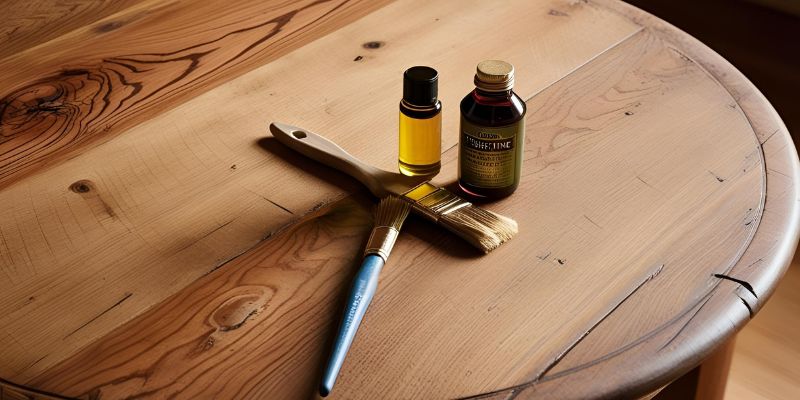
Use a clean cloth to apply turpentine oil to wood. Rub gently. This helps remove dirt and old polish. Let it dry for a few hours. Repeat if needed.
Turpentine oil can mix with linseed oil. This mix makes a strong polish. Use a 1:1 ratio. Apply with a soft cloth. Rub in small circles. Allow to dry completely. This will protect and shine the wood.
Precautions And Safety Measures
Turpentine oil should be handled with care. Always use gloves to protect your skin. Keep it in a cool, dry place. Make sure the container is tightly closed. Never store it near flames or heat sources. It is flammable. Keep it out of reach of children. Use it in well-ventilated areas to avoid breathing fumes. Proper storage and handling can prevent accidents.
Turpentine oil can cause health problems. Breathing the fumes can irritate your lungs. It can also irritate your eyes and skin. If swallowed, it is very dangerous. It can cause nausea, vomiting, and even death. Always wear protective gear. If you feel dizzy or sick, move to fresh air immediately. Avoid direct contact to stay safe.
Comparing Turpentine Oil With Other Wood Treatments
Linseed oil is popular for treating wood. It penetrates deep into the wood. This helps to protect it from damage. Linseed oil is also natural and safe. It gives wood a warm, rich color. But, it takes a long time to dry. This can be a drawback for some projects.
Mineral spirits clean and prepare wood surfaces. They remove dirt and grease. This makes it easier to apply paint or varnish. Mineral spirits dry quickly. They do not offer protection like turpentine oil. They are more of a cleaning agent.
Common Myths And Misconceptions
Turpentine oil is often thought to be a good wood finish. This is not true. Turpentine oil is mainly a solvent. It cleans wood but does not protect it. Many believe it makes wood shine. This is another myth. It does not give a long-lasting shine.
Turpentine oil has a strong smell. It can be harmful to breathe. It is not eco-friendly. It comes from pine trees. Cutting trees for oil harms the environment. Safer options exist. Beeswax and natural oils are better choices. They are safer for you and the planet.
Case Studies And Expert Opinions
Many woodworkers love using turpentine oil. It cleans wood well. They say it removes dirt and old finishes. Some believe it helps new finishes stick better. Others think it brings out the wood grain. This makes wood look very nice.
Experts have mixed views. Some say it is safe for wood. Others warn that it can dry out wood. They suggest mixing it with other oils. This can protect wood better. Always test on a small area first. This helps avoid damage.
Frequently Asked Questions
Will Turpentine Damage Wood?
Turpentine can damage wood finishes and varnishes. Test on a small area first. Use sparingly and with caution.
How To Use Turpentine Oil On Wood?
Clean the wood surface thoroughly. Apply turpentine oil using a soft cloth. Rub gently in circular motions. Allow it to dry completely. Repeat if necessary.
Is Turpentine Oil Good For Wood?
Turpentine oil is good for wood. It cleans, preserves, and enhances the wood’s natural appearance. Use it sparingly for the best results.
Why Is Turpentine Banned?
Turpentine is banned due to its toxicity and health hazards. It can cause skin irritation, respiratory issues, and other health problems.
Conclusion
Turpentine oil can benefit wood. It cleans and preserves it well. Always test on a small area first. This ensures no damage occurs. Use it in a well-ventilated space. This helps avoid strong fumes. Remember, proper care keeps wood looking great.
So, consider using turpentine oil wisely. Your wood will thank you.