Is Venice Sinking? A Simple Guide for Travelers
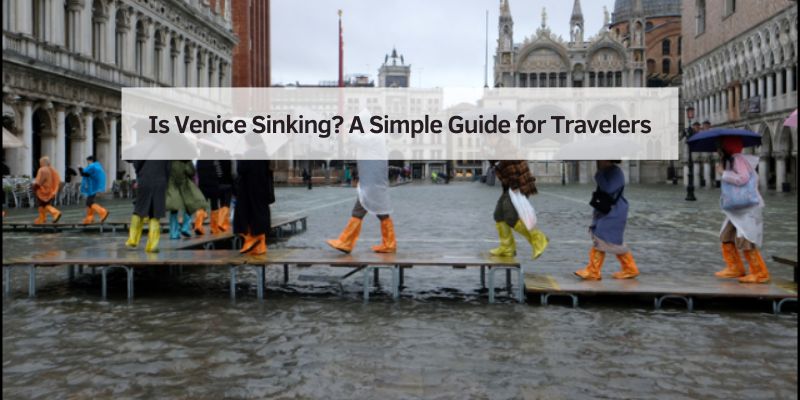
I stood in St. Mark’s Square, my shoes wet from a puddle. The water crept up during an “acqua alta” flood, a high tide that covers Venice’s streets. I wondered, Is Venice sinking? This magical city, with its canals and old buildings, faces a big challenge. In this article, I’ll explain why Venice sinks, how it affects the city, and what’s being done to save it. I’ll also share easy tips for visiting Venice, even during floods. Whether you’re a curious kid or a travel lover, you’ll learn something new!
What Does “Is Venice Sinking” Mean?
Venice is a city in Italy built on water. It sits on wooden poles in a muddy lagoon. When people ask, “Is Venice sinking?” they mean the city is slowly going down into the water. This happens because of natural and human causes. The city also floods often, which makes it seem like it’s sinking faster. Understanding this helps us see why Venice needs help.
Why Venice Sinks
Venice sinks for a few reasons. Let me break it down simply.
Natural Causes
The ground under Venice is soft mud. It’s like a sponge that squishes under the city’s weight. Over time, this mud packs down, making Venice sink about 1-2 millimeters each year. The city also sits on a tectonic plate that tilts slightly, making the east side sink faster. Rising sea levels from climate change make the water higher, too.
Human Causes
People made things worse. Long ago, they pumped water from under the ground for factories. This left empty spaces, and the ground sank more. Big ships, like cruise ships, stir up waves that hurt Venice’s foundations. Building projects, like docks, also changed how water moves in the lagoon.
How Sinking Affects Venice
Sinking and flooding hurt Venice in big ways. Here’s what happens.
Damage to Buildings
Water creeps into old buildings, like St. Mark’s Basilica. Salt in the water eats away at bricks and mosaics. I saw faded art in churches, damaged by floods. Over time, this could ruin Venice’s beauty.
Problems for Locals
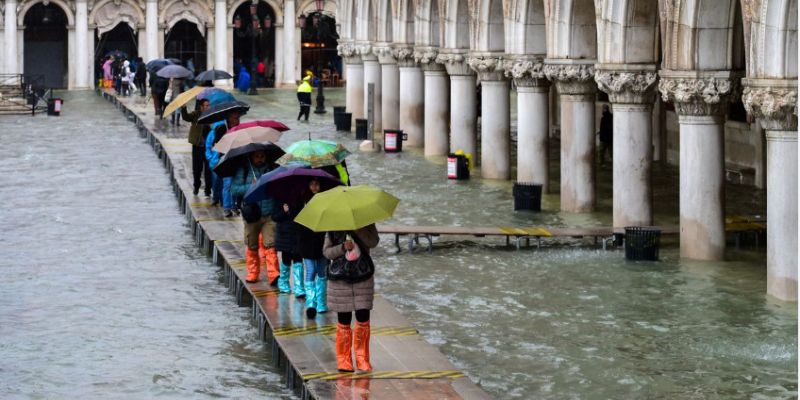
Floods make life hard for people living in Venice. Many ground-floor homes are too wet to use. Locals use raised walkways to get around during high tides. I walked on these boards, feeling like I was on a bridge over water!
Tourism Challenges
Tourists love Venice, but floods can make visiting tricky. St. Mark’s Square often floods first, making it hard to explore. Yet, Venice’s charm still shines, even with wet streets.
Solutions to Save Venice
People are working hard to protect Venice. Here are some big ideas.
The MOSE Project
The MOSE project is a set of giant gates under the water. When tides get high, these gates rise to block the sea. I learned about MOSE while visiting, and it’s already helped during big floods in 2022. But some worry it won’t work forever as sea levels rise. MOSE Project
Other Efforts
Venice is trying other fixes, too. They’re raising streets, like St. Mark’s Square, to keep them dry. Salt marshes around the lagoon are being restored to act like natural shields. Big ships are also banned from some canals to stop waves from hurting buildings.
| Solution | How It Helps | Challenges |
|---|---|---|
| MOSE Gates | Blocks high tides | Expensive, may not last |
| Raised Streets | Keeps areas dry | Costly, slow to build |
| Marsh Restoration | Shields city naturally | Takes time to grow |
Table 1: Ways Venice Fights Sinking
Tips for Visiting Venice
You can still visit Venice and have fun, even with floods! Here are my tips.
- Visit in Spring or Summer: Floods are less common from April to September. I loved Venice in May, with sunny canals and fewer puddles.
- Wear Waterproof Shoes: If floods happen, rubber boots keep your feet dry. I forgot mine once and regretted it!
- Use Raised Walkways: During acqua alta, follow wooden boards to stay above water. They’re wobbly but fun!
Budget Travel Ideas
Venice can be pricey, but you can save money.
- Stay in Mestre: This nearby town has cheaper hotels than Venice’s islands. I stayed there and took a short train to Venice.
- Eat Local Food: Skip touristy spots. Try sarde in saor at small cafes for less money.
- Walk or Use Vaporettos: Gondolas cost a lot. Public boats or walking are cheaper and fun.
| Travel Option | Cost | Why Choose It? |
|---|---|---|
| Mestre Hotel | $50-100/night | Cheaper than Venice |
| Vaporetto Pass | $25/day | Unlimited boat rides |
| Walking Tour | Free | See canals up close |
Table 2: Budget Ways to Enjoy Venice
Common Mistakes to Avoid
Don’t make these mistakes when visiting Venice.
- Ignoring Flood Warnings: Check weather apps for acqua alta alerts. I almost got stuck in a flood without checking!
- Choosing Cruise Ships: Big ships harm Venice’s lagoon. Pick smaller tours or stay on land.
- Visiting Only in Peak Season: Summer crowds make Venice busy. Try late spring for fewer people.
My Personal Venice Story
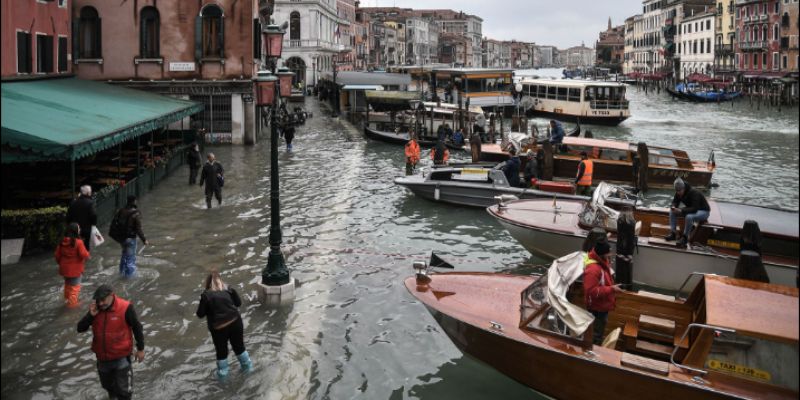
Last year, I visited Venice during a small flood. The water was ankle-deep in some streets, but the city felt alive. I sipped coffee at a cafe while gondolas floated by. Locals were kind, sharing stories about living with water. Venice’s magic is real, even with challenges. Visit soon to see it yourself! National Geographic
Visual Ideas for Understanding
To make this easier, imagine these visuals:
- A map showing Venice’s flood-prone areas, like St. Mark’s Square.
- A diagram of MOSE gates rising from the sea to block tides.
- A photo of raised walkways during acqua
alta, showing tourists walking safely.
Conclusion
Venice is sinking slowly, about 1-2 millimeters a year, due to soft ground, rising seas, and human actions. Floods, called acqua alta, make it tough for locals and tourists, but projects like MOSE gates help. You can visit Venice and enjoy its canals, art, and charm with simple tips like wearing boots or staying in Mestre. Don’t wait too long—Venice is worth seeing now! Share your travel plans in the comments or plan a trip to this magical city. UNESCO Venice
Frequently Asked Questions
Why Does Venice Sink?
Venice sinks because its soft, muddy ground compacts under the city’s weight. Rising sea levels and past groundwater pumping make it worse. The city drops 1-2 millimeters yearly, and high tides flood streets often.
What Is Acqua Alta?
Acqua alta means “high water” in Italian. It’s when tides rise and flood Venice’s streets, especially in winter. Places like St. Mark’s Square get wet, but raised walkways help people move around safely.
Can Tourists Visit During Floods?
Yes, you can visit during floods! Wear waterproof shoes and use raised walkways. Check flood alerts before going. I visited during acqua alta and still loved Venice’s beauty. It’s an adventure
How Does the MOSE Project Work?
MOSE is a system of underwater gates at Venice’s lagoon entrances. When tides are high, gates rise to block the sea. It’s helped since 2022, but some say it’s not a permanent fix.
Is Venice Safe to Visit?
Venice is safe, even with floods. Stick to raised paths during acqua alta and check weather apps. The city’s charm and history make it worth visiting, but go prepared.
When Is the Best Time to Visit Venice?
Spring (April-May) or early fall (September) are best. Floods are less common, and crowds are smaller. I loved May’s sunny weather and calm canals. Avoid winter for fewer floods.
Will Venice Be Underwater Soon?
Venice won’t vanish soon. It sinks slowly, and projects like MOSE help. Experts say parts may be underwater by 2100 if sea levels rise a lot. Visit now to enjoy it