Laminate vs. Engineered Hardwood: Genius Difference
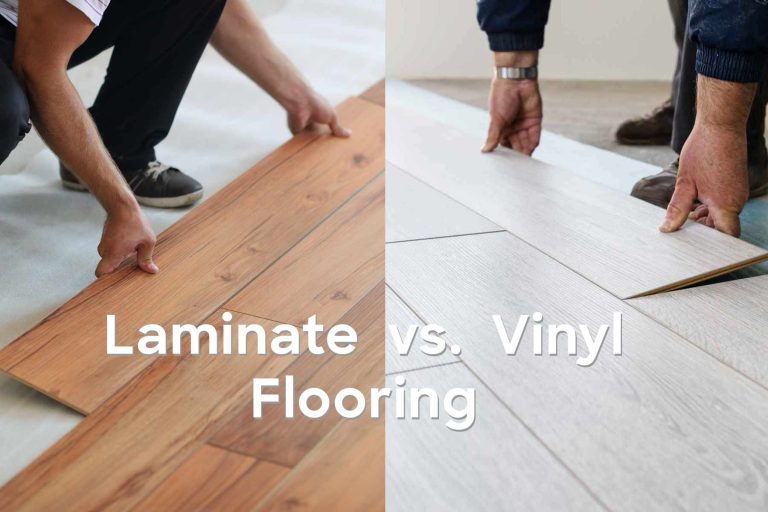
Laminate vs. Engineered Hardwood: The Genius Difference is how they’re made. Laminate uses printed images for looks, while engineered hardwood has a real wood veneer. Both offer style, but engineered wood is more durable and valuable.
Deciding on new flooring can feel like navigating a maze, right? You see all these beautiful options, and they start to look pretty similar. Two popular choices often get mixed up: laminate and engineered hardwood. They both give you that gorgeous wood look without the hefty price tag of solid hardwood. But what’s the real scoop? What’s the genius difference that makes one a better fit for your home than the other? Don’t sweat it! We’re going to break down exactly what makes these two flooring types tick, so you can pick the perfect floor for your space with total confidence.
Understanding Your Flooring Options: Laminate vs. Engineered Hardwood
Let’s get down to brass tacks. When you’re choosing between laminate and engineered hardwood, you’re essentially looking at two different ways to achieve a beautiful wood-inspired floor. Think of it like this: one is a master of disguise, and the other is the real deal, just built smarter.
We’ll dive deep into what each one is made of, how they stand up to daily life, and what that means for your wallet and your home. By the end, you’ll know precisely what the “genius difference” is and how to make the best choice for your next home project.
What Exactly IS Laminate Flooring?
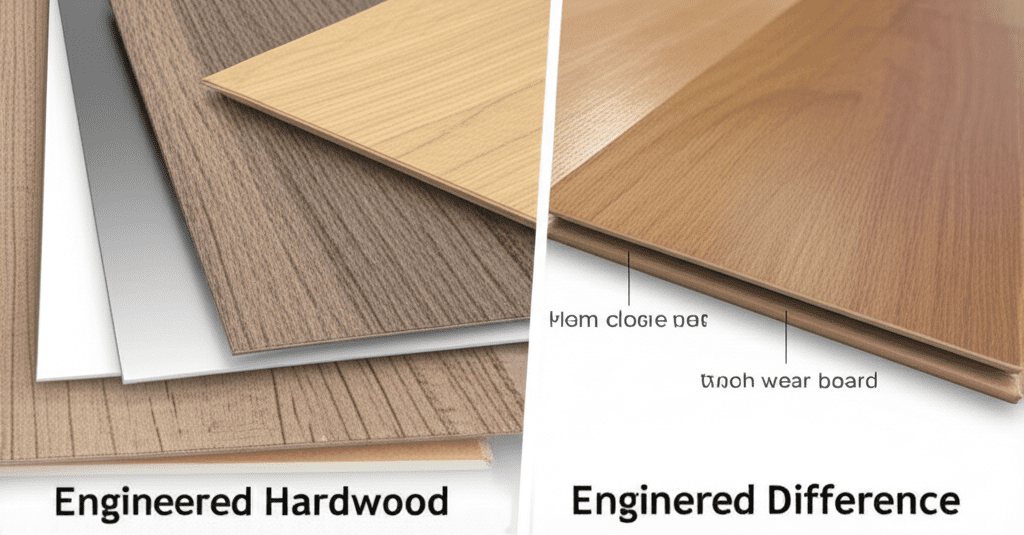
Laminate flooring is a fantastic option for many homeowners, especially those on a budget or who want a floor that’s easy to maintain. It’s a multi-layer synthetic product that’s fused together with a lamination process. Here’s a breakdown of its layers:
- Wear Layer: This is the top, clear protective coating. It’s like a shield against scratches, stains, and fading. The thickness and quality of this layer really determine how durable the laminate will be.
- Design Layer: This is where the magic happens visually. It’s a high-resolution photograph of wood (or stone, or tile!). So, when you look at laminate, you’re admiring a picture, not actual wood grain.
- Core Layer: This is the sturdy middle part, usually made from a high-density fiberboard (HDF) or medium-density fiberboard (MDF). This layer gives the plank its structure and resistance to impact.
- Backing Layer: The bottom layer provides stability and moisture resistance, acting as a barrier against moisture from the subfloor.
The genius of laminate is its ability to mimic the look of real wood at a fraction of the cost. It’s also incredibly DIY-friendly, often featuring a click-lock system that makes installation a breeze, even for beginners. You can learn more about different flooring installation techniques from resources like This Old House.
Pros of Laminate Flooring
- Cost-Effective: Generally more affordable than engineered hardwood.
- Easy Installation: Often uses a click-lock system, making it great for DIYers.
- Durability: The wear layer offers good resistance to scratches and stains.
- Variety of Designs: Available in countless styles, colors, and patterns.
- Low Maintenance: Easy to clean with a damp mop.
Cons of Laminate Flooring
- Not Waterproof: Can be damaged by standing water; not ideal for bathrooms or basements prone to moisture.
- Cannot Be Refinished: Once the wear layer is damaged, the plank needs to be replaced.
- Can Sound Hollow: May require a good underlayment to reduce echoing.
- Resale Value: Doesn’t add as much to home resale value as real wood.
What Exactly IS Engineered Hardwood Flooring?
Engineered hardwood is a bit more like its solid hardwood cousin, but with a clever construction that makes it more stable and versatile. It’s a type of real wood flooring, but it’s built differently.
Here’s how it’s typically constructed:
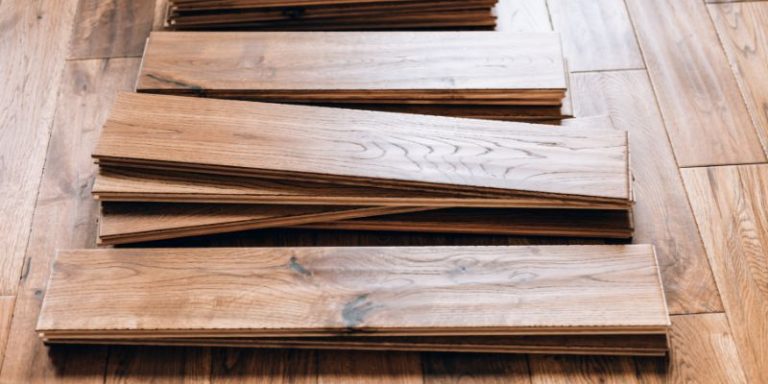
- Real Wood Veneer: This is the top layer you see and walk on. It’s a thin slice of actual hardwood, like oak, maple, or walnut. This is what gives it that authentic wood look and feel. The thickness of this veneer can vary, affecting its durability and refinishing potential.
- Core Layers: Beneath the veneer are several layers of plywood or high-density fiberboard (HDF). These layers are cross-grained and glued together, which provides exceptional stability. This cross-graining is key to preventing the wood from expanding and contracting too much with changes in humidity and temperature.
- Backing Layer: Similar to laminate, a backing layer provides extra stability and moisture resistance.
The genius of engineered hardwood lies in its real wood top layer combined with its stable core. This construction makes it more resistant to warping and cupping than solid hardwood, especially in environments with fluctuating humidity. This makes it a suitable option for areas like basements or kitchens where solid hardwood might not perform as well. The U.S. Department of Agriculture (USDA) Forest Products Laboratory provides insights into wood properties that are relevant to flooring construction.
Pros of Engineered Hardwood Flooring
- Authentic Wood Look: Features a real wood veneer, offering a genuine hardwood aesthetic.
- Stability: Less prone to expanding and contracting with humidity changes than solid hardwood.
- Versatility: Can be installed in more areas of the home, including basements and over concrete.
- Can Be Refinished: Thicker veneers can be sanded and refinished one or two times to remove scratches and refresh the look.
- Adds Value: Generally adds more resale value to a home than laminate.
Cons of Engineered Hardwood Flooring
- Cost: Typically more expensive than laminate flooring.
- Veneer Thickness Matters: Thinner veneers cannot be refinished.
- Susceptible to Deep Scratches: While durable, deep gouges can go through the veneer.
- Moisture Sensitivity: While more stable than solid hardwood, it’s still wood and can be damaged by prolonged exposure to excessive moisture.
The Genius Difference: A Side-by-Side Comparison
So, what’s the big takeaway? The “genius difference” really boils down to what’s on top and how it’s built underneath. Here’s a quick comparison to help solidify your understanding:
| Feature | Laminate Flooring | Engineered Hardwood Flooring |
|---|---|---|
| Top Layer | Printed image of wood | Thin veneer of real wood |
| Core Material | High-density fiberboard (HDF) or Medium-density fiberboard (MDF) | Multiple layers of plywood or HDF, cross-grained |
| Authenticity | Mimics wood look | Is real wood |
| Moisture Resistance | Generally low; susceptible to water damage | Moderate; more stable than solid hardwood, but still wood |
| Refinishing Capability | No | Yes, if veneer is thick enough (1-2 times) |
| Installation | Easy, often click-lock | Can be click-lock, glue-down, or staple; slightly more involved |
| Cost | Lower | Higher |
| Durability (Scratch/Wear) | Good to excellent (wear layer) | Good (depends on veneer and finish) |
| Resale Value Impact | Minimal | Moderate |
Think of laminate as a high-quality photograph of a steak – it looks just like the real thing, but it won’t satisfy your hunger. Engineered hardwood is like a perfectly cooked steak that’s been expertly trimmed – it’s the real deal, with a structure that makes it perform beautifully.
Installation Considerations: DIY Friendliness
As a DIY enthusiast, I know how important installation ease is. Both laminate and engineered hardwood have become much more DIY-friendly over the years, but there are still some nuances.
Installing Laminate Flooring
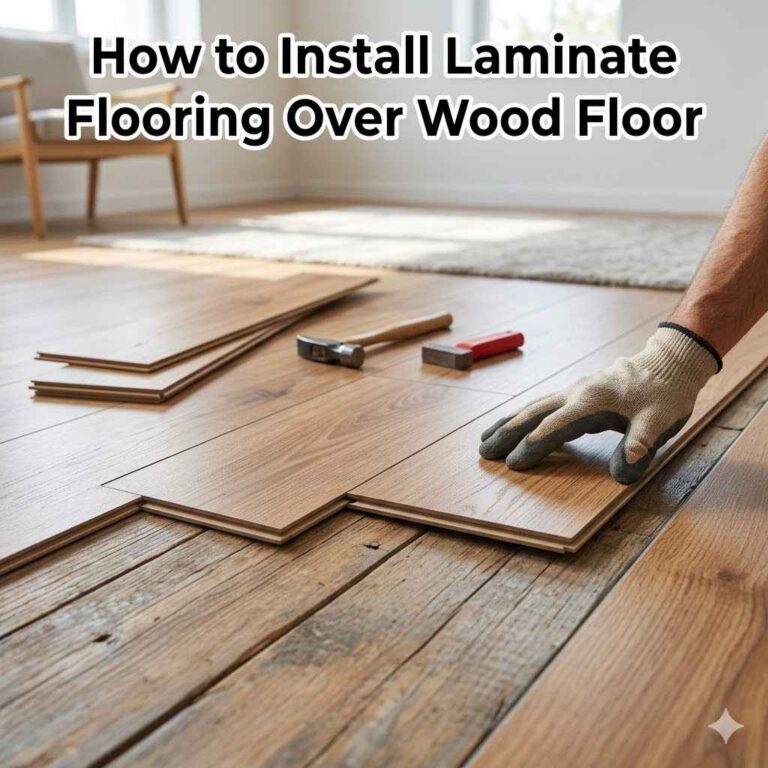
Laminate flooring is renowned for its ease of installation, largely due to its popular click-lock or floating floor system. Here’s a simplified look at the process:
- Prepare the Subfloor: Ensure your subfloor is clean, dry, and level. Any imperfections can transfer to the laminate, so a good prep job is crucial.
- Install Underlayment: A foam or felt underlayment is usually required. This adds cushioning, reduces noise, and provides a moisture barrier.
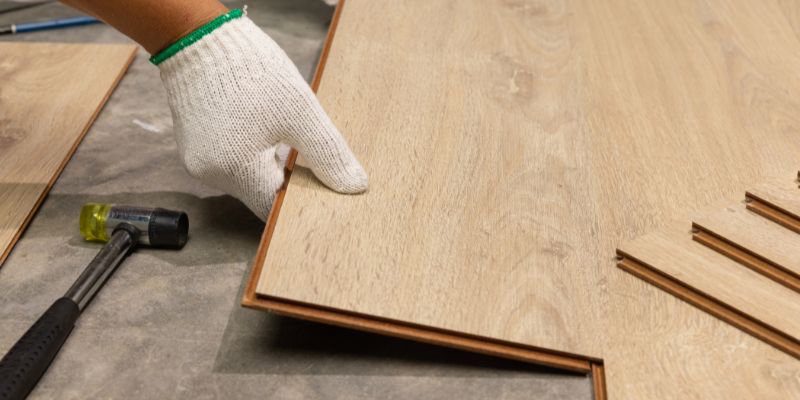
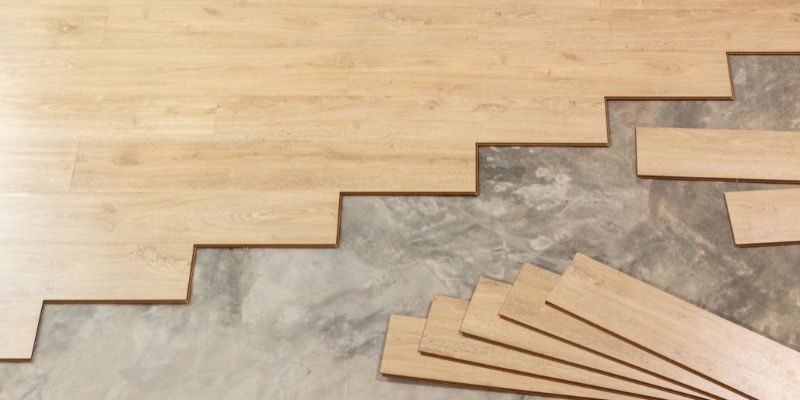
- Lay the Planks: Start in a corner. Each plank typically has a tongue-and-groove system that clicks into the previous one. You’ll work your way across the room, cutting planks to fit as needed. A tapping block and pull bar are helpful tools here.
- Acclimate the Flooring: Before installation, let the laminate planks sit in the room where they will be installed for at least 48 hours. This allows them to adjust to the room’s temperature and humidity, preventing expansion or contraction issues after installation.
Tools you might need include a tape measure, utility knife, tapping block, pull bar, jigsaw or miter saw for cuts, and safety glasses.
Installing Engineered Hardwood Flooring
Engineered hardwood offers a few installation methods, which can make it slightly more involved than laminate, but still very achievable for a confident DIYer.
- Floating Floor (Click-Lock): Similar to laminate, many engineered hardwoods feature a click-lock system. The process is almost identical: prepare the subfloor, lay underlayment, and click the planks together. This is the most DIY-friendly method.
- Glue-Down: This method involves applying a special flooring adhesive to the subfloor and then pressing the engineered hardwood planks into the glue. This creates a very secure bond and can be quieter underfoot. It requires a good quality adhesive and a notched trowel for even application.
- Nail-Down/Staple-Down: This is more common with thicker engineered hardwoods and requires a specialized flooring nailer or stapler. The planks are secured directly to a wooden subfloor. This method is generally less DIY-friendly and might require renting specific tools.
Regardless of the method, proper subfloor preparation and acclimation of the wood are just as, if not more, important for engineered hardwood to ensure its longevity and stability.
Durability and Maintenance: Which Holds Up Better?
When it comes to daily life, how do these two flooring types stack up in terms of wear and tear?
Laminate Flooring Durability
Laminate’s strength lies in its tough top wear layer. This layer is typically made from aluminum oxide, a very hard substance. This makes laminate highly resistant to:
- Scratches: It’s excellent at resisting surface scratches from pets, furniture, and everyday traffic.
- Stains: The non-porous surface prevents most common household spills from soaking in.
- Fading: It’s also treated to resist fading from sunlight.
However, this protective layer is fixed. If you get a deep gouge or a severe scratch that penetrates the wear layer, you can’t sand it down and fix it like real wood. The plank would need to be replaced.
Maintenance is simple: sweep or vacuum regularly, and use a slightly damp mop for cleaning. Avoid excessive water, as it can seep into the seams and damage the core.
Engineered Hardwood Flooring Durability
Engineered hardwood’s durability is a bit of a dual story. The real wood veneer is subject to the same wear and tear as any solid hardwood floor:
- Scratches: It can be scratched or dented by sharp objects, pet claws (if not protected), and heavy furniture. The quality of the wood species and the finish applied will affect its scratch resistance.
- Wear: Over time, the finish can wear down in high-traffic areas.
The advantage comes from the stable core. It’s less likely to warp or cup due to moisture fluctuations, which is a common issue with solid hardwood. If the veneer is thick enough (usually 2mm or more), you can sand down and refinish engineered hardwood one or two times. This is a huge advantage if you want to refresh your floor’s look or repair significant damage.
Maintenance is similar to solid hardwood: sweep or vacuum, and use a wood floor cleaner or a slightly damp mop. Again, avoid excessive water.
Water Resistance: Where Do They Stand?
This is often a crucial factor for homeowners, especially for kitchens, bathrooms, or basements.
- Laminate: Standard laminate flooring is generally not waterproof. While the surface is resistant to spills, if liquid sits on the floor for too long or seeps into the seams, it can cause the HDF core to swell and warp. There are some newer “water-resistant” or “waterproof” laminates on the market that use improved core materials and tighter locking systems, but they are not the same as truly waterproof options like luxury vinyl plank (LVP).
- Engineered Hardwood: Engineered hardwood is more stable than solid hardwood in the face of humidity changes, but it is still made of real wood. Prolonged exposure to standing water can cause swelling, warping, and delamination of the layers. It’s generally not recommended for full bathrooms or areas that experience frequent or heavy water exposure. Some manufacturers offer specially treated engineered wood for increased moisture resistance, but it’s important to check the product specifications.
For areas where water is a significant concern, you might want to explore options like luxury vinyl plank (LVP) or tile. You can find detailed information on moisture-resistant flooring choices from sources like the U.S. Environmental Protection Agency when considering basement renovations.
Cost and Value: What’s the Investment?
Let’s talk money. Flooring is a significant home investment, so understanding the cost and long-term value is essential.
Laminate Flooring Costs
Laminate flooring is typically the more budget-friendly option. Prices can range from $1 to $5 per square foot for the material itself, depending on the quality, thickness, and the realism of the design. Installation costs can add another $1 to $4 per square foot if you hire a professional.
While the upfront cost is lower, it’s important to consider its lifespan and potential replacement needs. Since it cannot be refinished, if the wear layer is significantly damaged, you’ll need to replace the entire floor.
Engineered Hardwood Flooring Costs
Engineered hardwood is a step up in price. Material costs can range from $3 to $10+ per square foot, with the price often correlating to the thickness of the real wood veneer and the type of wood species. Installation costs are similar to laminate, typically $1 to $4 per square foot for professional installation.
The higher upfront cost is often offset by its longevity and the fact that it can be refinished. A good quality engineered hardwood floor can last for decades with proper care, and the ability to refinish it means you can update its look or repair damage, extending its life and preserving your investment.
Which Flooring is Right for Your Home?
The “genius difference” should now be clear, but how do you apply this to your specific needs? Here’s a guide to help you decide:
Choose Laminate if:
- You have a tight budget.
- You want an easy DIY installation.
- You need a floor that is highly resistant to scratches and stains for a busy household with kids and pets.
- You are flooring a room that doesn’t experience significant moisture (e.g., living rooms, bedrooms, hallways).
- You prefer to change your flooring style more frequently without a huge investment.
Choose Engineered Hardwood if:
- You want the authentic look and feel of real wood.
- You are willing to invest a bit more for a higher-quality, more natural product.
- You plan to stay in your home for a long time and want flooring that can be refreshed and maintained over the years.
- You want to add significant resale value to your home.
- You need a floor that is more stable in areas with moderate humidity changes (like kitchens or basements, but still with caution regarding water).
Frequently Asked Questions (FAQs)
Q1: Can laminate flooring be repaired if it gets scratched?
A1: Minor scratches on laminate can sometimes be hidden with touch-up pens or kits specifically designed for laminate. However, if the scratch penetrates the wear layer, the plank usually needs to be replaced, which can be tricky with click-lock systems.
Q2: How long does engineered hardwood flooring typically last?
A2: With proper care and maintenance, a good quality engineered hardwood floor can last anywhere from 25 to 100 years. The lifespan depends heavily on the thickness of the real wood veneer and how many times it can be refinished.
Q3: Is laminate flooring truly waterproof?
A3: Standard laminate flooring is not waterproof. It’s water-resistant to spills if wiped up quickly. Some newer products are marketed as “water-resistant” or “waterproof,” but it’s crucial to check the manufacturer’s specifications, as they often still have limitations.
Q4: Can I install engineered hardwood in a bathroom?
A4: While engineered hardwood is more stable than solid hardwood, it is still real wood and not ideal for areas with constant moisture like bathrooms. If you want a wood look in a bathroom, luxury vinyl plank (LVP) or tile are much safer bets.
Q5: Does the thickness of the veneer on engineered hardwood matter?
A5: Yes, significantly! A thicker veneer (e.g., 3mm or more) can be sanded and refinished multiple times, extending the life and beauty of the floor. Thinner veneers (e.g., 1mm) can only be refinished once, if at all, and are more susceptible to damage.
Q6: Which is better for pets, laminate or engineered hardwood?
A6: Laminate generally has a harder, more scratch-resistant wear layer, making it a good choice for homes with pets. Engineered hardwood can also be good, but the real wood veneer can be scratched or dented by pet claws if not protected or if the wood species is softer.
Conclusion: Making Your Smart Flooring Choice
So there you have it! The genius difference between laminate and engineered hardwood lies in their construction and the materials used in their top layers. Laminate offers a budget-friendly, durable, and easy-to-install option with a printed wood design, perfect for busy homes where scratch resistance is key. Engineered hardwood, on the other hand, provides the authentic beauty of real wood with enhanced stability, the potential to be refinished, and the ability to add more value to your home.
By understanding these distinctions, you’re now equipped to choose the flooring that best suits your lifestyle, budget, and design aspirations. Whether you’re aiming for maximum durability and cost savings with laminate or the timeless elegance and longevity of engineered hardwood, you can move forward with confidence. Happy flooring!