LVP Flooring Vs Hardwood: Which Is Best for Your Home?
When it comes to choosing the perfect flooring for your home, you might find yourself torn between the timeless elegance of hardwood and the modern appeal of Luxury Vinyl Plank (LVP) flooring. Each option offers its own unique set of benefits and challenges, making the decision far from straightforward.
Are you looking for a flooring choice that stands up to the test of time, or do you prioritize affordability and versatility? Maybe you’re concerned about maintenance or how well your flooring will handle the daily hustle and bustle of life.
In this guide, we’ll dive into the key differences between LVP flooring and hardwood, helping you to make an informed decision that aligns perfectly with your lifestyle and budget. Get ready to discover which flooring option truly resonates with your home’s needs and your personal style. Keep reading to unlock the secrets behind these popular choices and find out which one is the ultimate fit for you.
Credit: www.garrisoncollection.com
LVP Flooring Basics
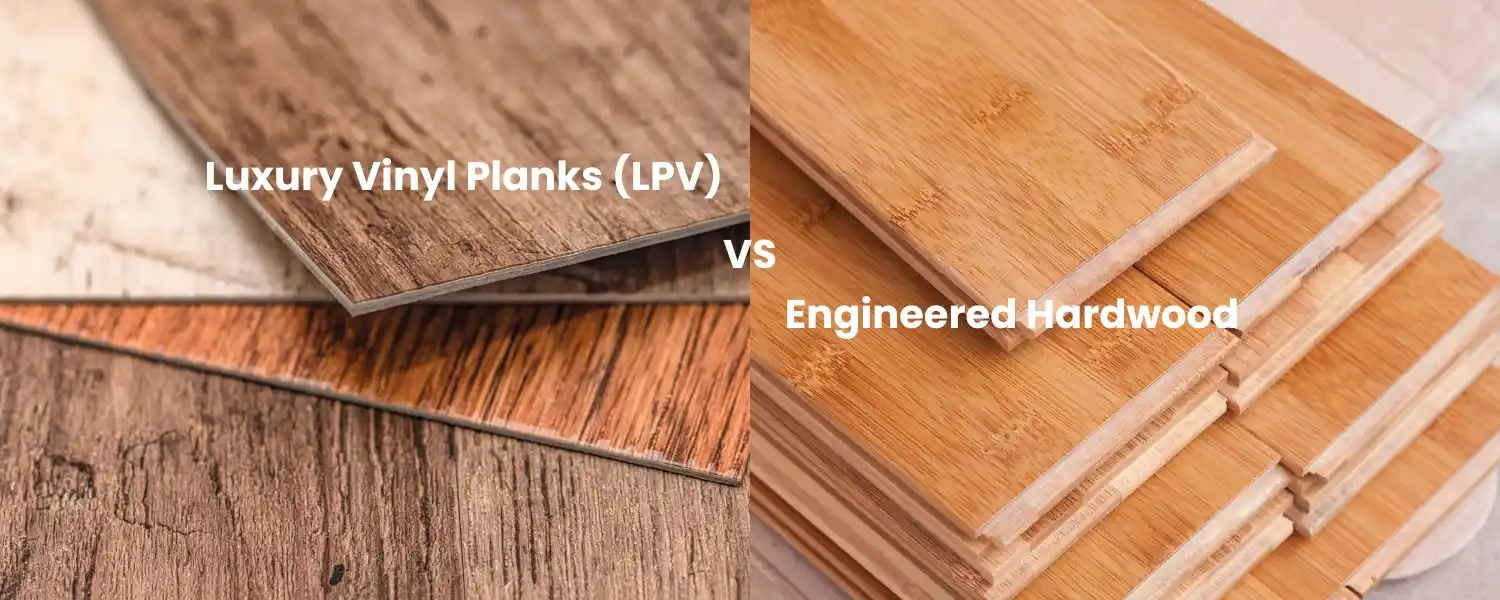
LVP flooring, known as luxury vinyl plank, is made from layers. The top layer is a protective coating. It guards against scratches and stains. Underneath is a vinyl layer. This layer mimics the look of wood. Below that is the core layer. It’s strong and stable. Lastly, a backing layer provides support. Each layer has a role. Together, they create durable flooring.
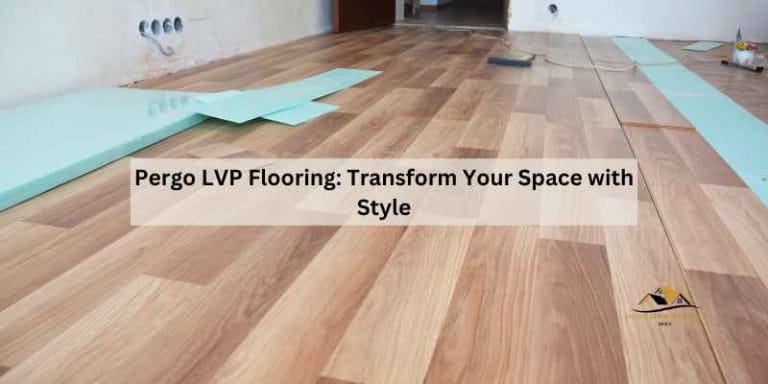
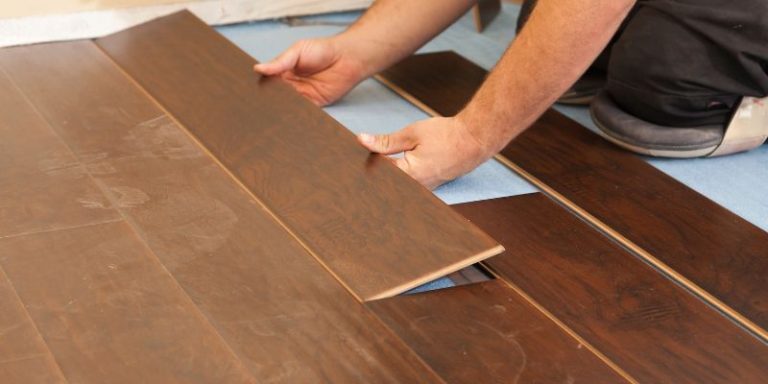
Installing LVP is simple. Click-lock is one method. Planks snap together easily. Another method is glue-down. Planks are glued to the floor. Loose lay is also an option. Planks lay without glue or nails. Each method suits different needs. Choose based on your preference. Installation can be quick and easy.
Hardwood Flooring Essentials
Hardwood floors come from trees like oak, maple, and cherry. Each type has a unique look. Oak is popular for its durability. Maple is smooth and light-colored. Cherry is rich and dark. The grain patterns of hardwood add beauty to homes. Some types are more expensive. Oak is the most affordable. Cherry can be costly. Choose the type that fits your style and budget.
Installing hardwood can be a bit tricky. There are different methods to use. Nail-down is common for solid wood floors. Glue-down works well with engineered wood. Floating installation is fast and easy. It doesn’t need nails or glue. Professionals often do the job. This ensures quality and long-lasting floors. DIY installation is possible but needs care. Always follow the instructions carefully.
Aesthetic Appeal
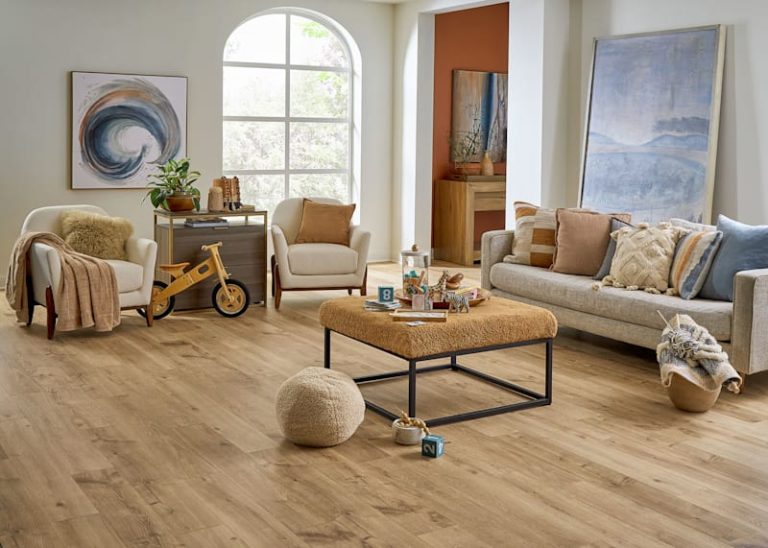
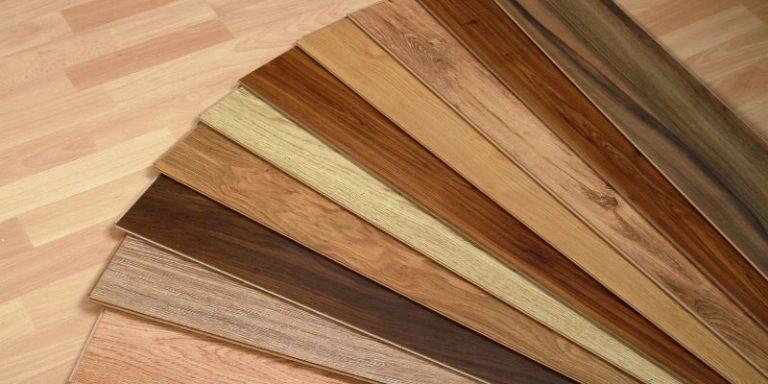
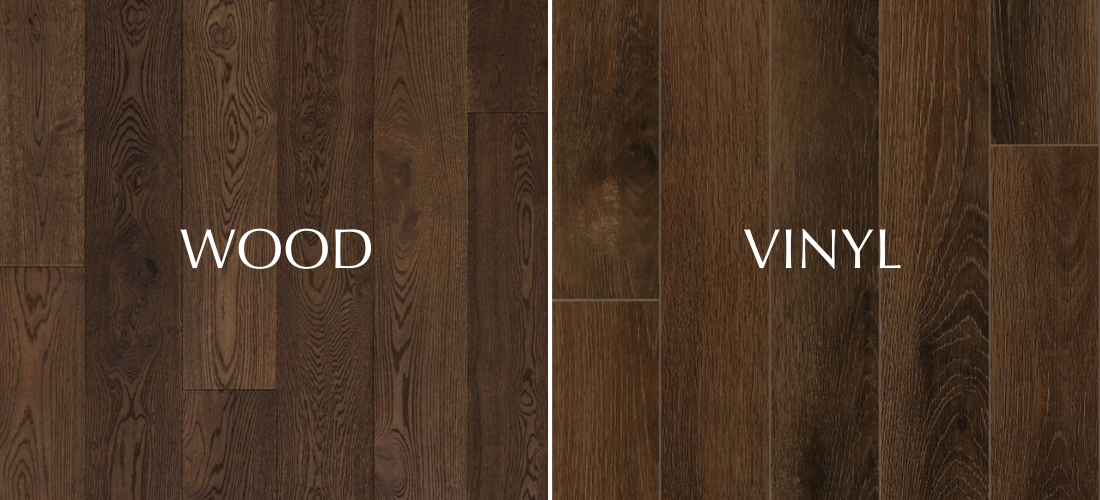
LVP flooring offers a wide range of designs. You can find styles that mimic wood, stone, or tiles. There are different colors, patterns, and textures. This makes it easy to match any room theme. LVP can look like real wood or marble. It fits well with modern or classic designs. This variety gives you many choices to create a unique space. LVP is also durable and easy to maintain. It’s perfect for busy households.
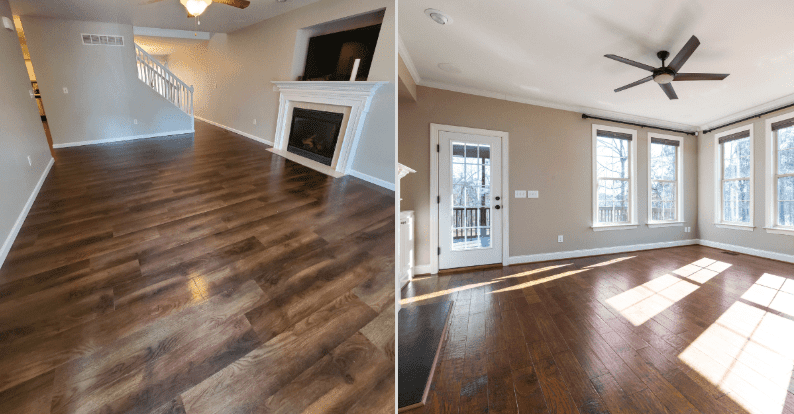
Hardwood flooring is known for its natural beauty. It comes from real wood, giving each plank a unique look. The grains and knots add character. Hardwood adds warmth and elegance to any room. It can last for many years with proper care. This flooring can increase your home’s value. It offers a timeless look that never goes out of style. Hardwood matches well with various furniture styles. It’s a classic choice for many homeowners.

Credit: buildmyplace.com
Durability And Longevity
Lvp flooringhandles scratches and dents very well. It’s strong and lasts long. Kids and pets can play on it safely. No need to worry about damage. Hardwoodlooks nice but can scratch easily. Heavy furniture can leave marks. It’s important to be careful with it.
Lvp flooringis easy to clean. Just sweep and mop it. Stains are not a big problem. Hardwoodneeds more care. It can get water damage. Use special cleaners for it. Keep it dry for a long life. Both types need care but in different ways. Choose what fits your lifestyle.
Cost Considerations
LVP flooring is cheaper at first. Hardwood flooring costs more to buy. LVP is made of vinyl. Hardwood comes from trees. This makes hardwood more pricey. Installation costs are less for LVP. It’s easy to install. Hardwood needs expert help. This adds to the cost. Many choose LVP to save money.
Hardwood flooring lasts longer. It can last for many decades. LVP flooring might need replacing sooner. Hardwood can increase a home’s value. Some people prefer it over LVP. This makes homes more attractive to buyers. Choosing between LVP and hardwood depends on budget and needs.
Environmental Impact
Choosing between LVP flooring and hardwood impacts the environment differently. LVP flooring uses synthetic materials, which can be less eco-friendly. Hardwood is natural but requires cutting down trees, affecting forests.
Sustainability Of Lvp
LVP flooringis often made from synthetic materials. Some brands use recycled materials in LVP. This helps reduce waste. But, it can take a long time to break down. Not all LVP is made sustainably. Some are produced in ways that harm nature. Check with brands for their eco-friendly practices.
Eco-friendliness Of Hardwood
Hardwoodcomes from trees. Trees are a natural resource. Cutting trees affects forests. Responsible brands plant new trees. This balances the impact. Hardwood is biodegradable. It breaks down naturally over time. Look for certified brands. They follow good environmental rules.
Comfort And Acoustics
LVP flooringfeels soft. It’s comfortable on feet. Hardwood feels firm. It provides a solid feel. Some say hardwood feels cold. Others find it cozy. LVP is warmer to touch. It feels gentle. Both are nice. Choose what feels best.
Sound is important. LVP absorbs sound well. It makes rooms quieter. Hardwood reflects sound. Rooms may echo. Some love this. Others don’t. LVP reduces noise. Hardwood can be loud. Think about your space. Choose what fits your need.
Credit: villagiowoodfloors.com
Suitability For Different Areas
LVP flooring suits high-moisture areas like kitchens and bathrooms due to its water resistance. Hardwood enhances living rooms with its timeless elegance and durability, ideal for spaces needing warmth and charm.
High-traffic Areas
LVP flooringis a solid choice for busy places. It stands up well to lots of foot traffic. You don’t have to worry about scratches or dents. Hardwoodcan get worn out faster in these areas. It looks lovely but may need more care. LVPis easier to clean and maintain. It’s durable and keeps its look longer.
Moisture-prone Spaces
In places with lots of water, LVP flooringworks great. It handles moisture without damage. Bathrooms and kitchens benefit from this type. Hardwoodcan warp or stain when wet. Water can harm it easily. LVPis waterproof and stays strong in wet spots. It’s safe and keeps floors looking nice.
Resale Value
Market preferencescan change over time. Many people love the look of real wood. Hardwood floors often make homes more appealing. This can lead to a higher resale price. But not everyone prefers hardwood.
LVP flooring is gaining popularity too. It is known for being durable and water-resistant. Some buyers may like these features. It is also cheaper than hardwood. This can attract budget-conscious buyers.
Home Value Impactvaries with flooring choice. Hardwood floors usually add more value. They are seen as a luxury. LVP flooring can still boost home value. But maybe not as much as hardwood. Both options can improve a home’s look and feel.
Frequently Asked Questions
What Are The Disadvantages Of LVP Flooring?
LVP flooring can be prone to scratches and dents. It may fade under prolonged sunlight exposure. Moisture can cause warping if not installed properly. Low-quality options might emit VOCs, affecting indoor air quality. It can feel less warm and soft compared to natural wood flooring.
What Costs More, Hardwood Or LVP?
Hardwood flooring generally costs more than luxury vinyl plank (LVP). Hardwood prices range from $6 to $12 per square foot, whereas LVP costs between $2 and $7 per square foot. Installation costs may vary, but hardwood usually requires a higher investment due to material and labor costs.
Does LVP Lower Home Value?
LVP, or Luxury Vinyl Plank, does not typically lower home value. It offers durability and aesthetic appeal. Many homebuyers appreciate its affordability and resemblance to hardwood. The impact on home value depends on quality and installation. Ensure professional installation to maintain property value.
Is Lvp Used In High End Homes?
Yes, Luxury Vinyl Plank (LVP) is popular in high-end homes. It offers durability, style, and easy maintenance. Homeowners appreciate its realistic wood-like appearance and versatility. LVP fits various design aesthetics, making it a top choice for upscale interiors.
Conclusion
Choosing between LVP flooring and hardwood can be tricky. Both offer unique benefits. Hardwood boasts natural beauty. It adds elegance to any room. LVP flooring provides durability. It’s water-resistant and budget-friendly. Consider your lifestyle and budget. Think about maintenance too.
Hardwood needs more care. LVP is easier to clean. Each option offers style and comfort. So, weigh your needs carefully. Make a choice that fits your home. Enhance your space with the right flooring. Enjoy the beauty and comfort it brings.