LVP Flooring Vs Laminate: Ultimate Comparison Guide
Choosing the right flooring for your home can feel like a daunting task, especially when faced with options like LVP (Luxury Vinyl Plank) and laminate. You’ve likely heard of both, but do you know which is the best fit for your lifestyle and budget?
Imagine walking into your living space and feeling the perfect harmony between aesthetics and functionality. This is what the right flooring can offer you. LVP and laminate each have their unique advantages, and understanding these can transform your decision-making process.
By the end of this article, you’ll not only be informed but confident in your choice, ensuring you invest in a floor that perfectly complements your home and meets your needs. Dive in, and discover which option is the true winner for you.
Materials And Composition
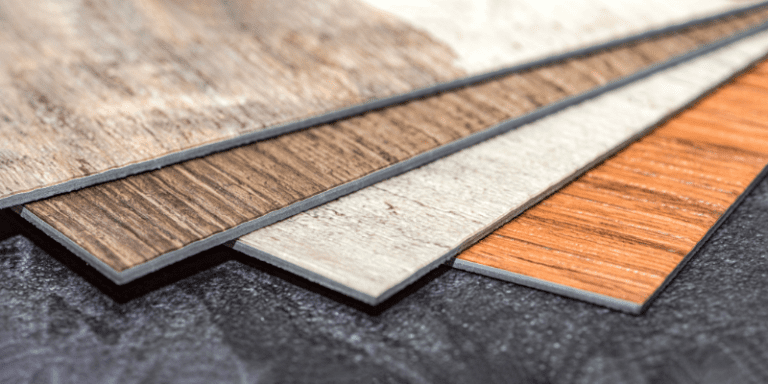
Vinyl Plank Constructioninvolves layers. The top layer is a clear protective coat. This layer guards against scratches and stains. Beneath it is the design layer. It mimics wood or stone patterns. The core layer provides stability. It is usually made from PVC. This core is waterproof, making it ideal for damp areas. The backing layer is the bottom. It offers support and helps with installation.
Laminate Structureconsists of four main layers. The top layer is a clear wear layer. It protects against daily wear and tear. Below it is the design layer. This layer shows the printed image, often wood-like. The core layer is made from high-density fiberboard. It gives strength and durability. The bottom layer is the backing. It prevents moisture from seeping in.

Credit: homeguide.com
Durability
LVP flooringis highly resistant to scratches. This makes it ideal for homes with pets. Laminate flooringcan scratch more easily. It requires extra care. Both flooring types are durable but have different strengths. Always consider the environment and use before choosing.
LVP flooringcan handle impacts better than laminate. It absorbs shocks well. Laminate flooring might crack under heavy objects. It is less forgiving. Strong impacts can leave dents. Choose based on your needs.
Water Resistance
LVP flooring is good at keeping water away. It can handle wet areas like kitchens or bathrooms. Laminate flooring is not as good with water. It may swell or get damaged if it gets wet. Always dry spills quickly on laminate.
LVP flooring is great for rooms with lots of water, like laundry rooms. It works well in basements too. Laminate flooring is better for dry spaces. Living rooms and bedrooms are good choices for laminate. Both types look nice, but choose based on water needs.
Installation Process
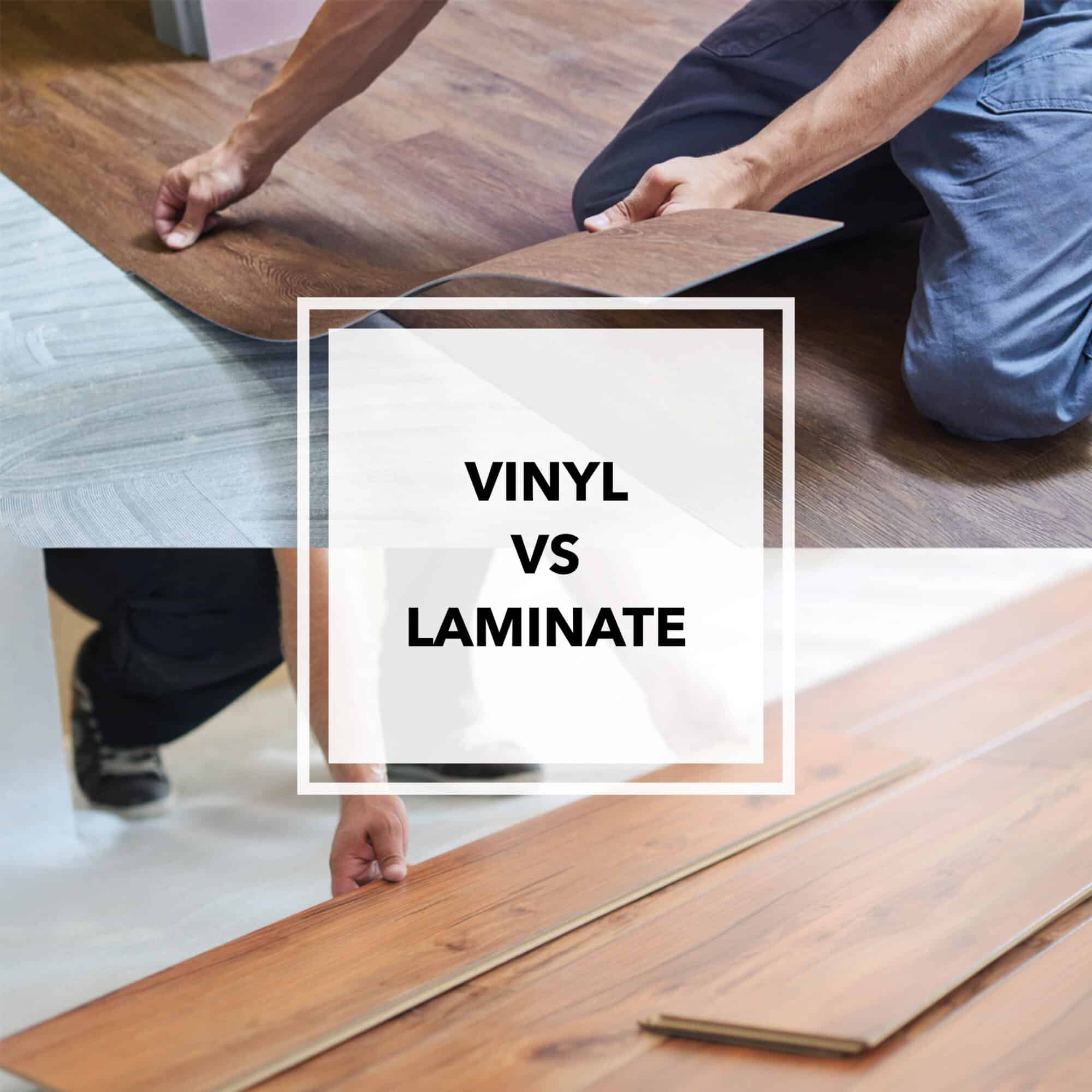
Both LVP flooring and laminate are easy to install. Click-lock systems make them great for beginners. No need for glue or nails. LVP is more flexible and can fit uneven floors. Laminate requires a smooth base. It may need more tools. Both options save money with DIY installation.
Professional installation ensures a perfect fit. LVP flooring takes less time to install than laminate. Laminate may need extra steps. Professionals handle these well. Hiring experts can be more costly. Yet, it offers peace of mind. Your floor will look great and last longer.
Maintenance And Care
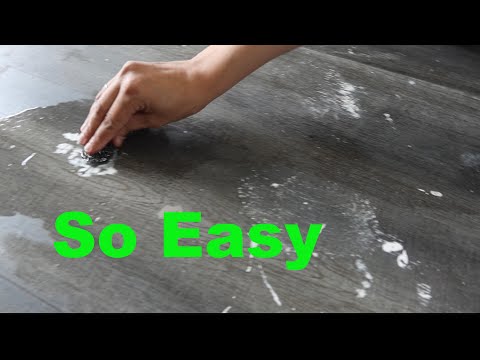
LVP flooring is easy to clean. Use a damp mop or cloth. Laminate needs more care. Keep it dry. Water can cause damage. Dust both floors often. Use a soft broom or vacuum. Avoid strong chemicals. They can harm the floor. Use gentle cleaners instead.
LVP flooring is strong. It handles wear well. Laminate needs more attention. Protect it from heavy items. Use furniture pads. Check for scratches often. Repair them quickly. Both floors need care. This makes them last longer.
:max_bytes(150000):strip_icc()/vinyl-vs-laminate-flooring-1822800_0372-5de7d94ebd85420f98f8c45e5bf8f670.jpg)
Credit: www.thespruce.com
Aesthetic Appeal
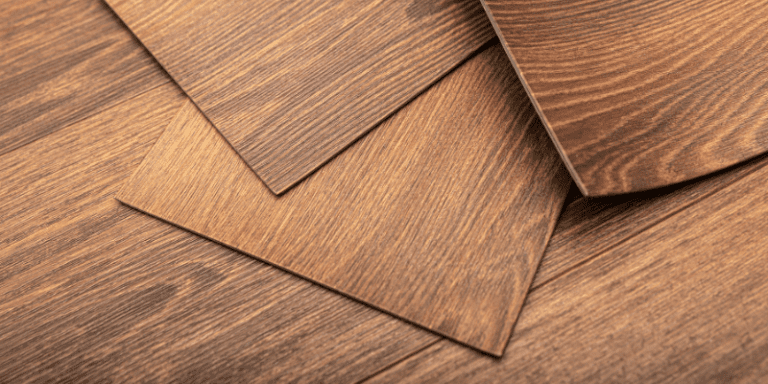
LVP flooring offers a broad range of designs. Wood, stone, or tile patterns are available. Laminate flooring also provides many design choices. Both options can mimic natural materials. You can find unique styles in both. Bright colors or subtle tones are possible.
LVP flooring often has a smooth texture. Some designs have embossed finishes. Laminate flooring can feel more textured. It offers matte or glossy finishes. Both types have realistic looks. You might see grain patterns on both. Touch and feel are important. Choose the best for your space.
Cost Analysis
LVP flooring often costs more upfront than laminate. Laminate is cheaper but LVP is durable. Installation can change the final price. LVP needs professional help, which adds cost. Laminate is easy to install. You can do it yourself. This saves money.
LVP flooring lasts longer and handles moisture better. It stays good for years. Laminate might need replacing sooner. It can get damaged by water. LVP keeps its look for a long time. Laminate can fade and wear out quickly. Think long term. LVP can be a better deal over time.
Environmental Impact
LVP flooring is made from PVC, which can be recycled, reducing waste. Laminate often uses wood by-products, impacting deforestation. Both materials offer eco-friendly options, but LVP generally has a lower environmental impact due to its recyclability.
Material Sustainability
LVP flooring uses vinyl. This is not from natural sources. Vinyl production can harm the earth. Laminate flooring is made from wood fibers. These fibers come from trees. They are more sustainable. Wood can grow again.
Recycling Options
Recycling is good for nature. LVP flooring recycling is hard. It is not easy to recycle vinyl. Laminate flooring can be recycled. The wood can be used again. It helps reduce waste. Better for the planet.
User Reviews
Many people like LVP flooring for its waterprooffeature. It is good for wet areas. Some say it feels like real wood. Laminate is often cheaperthan LVP. It is a good choice for tight budgets. Some users say it scratches easily. But, it is still popular.
Experts often praise LVP for its durability. It lasts a long time. They recommend it for busy homes. Laminate is seen as a cost-effective option. It is easy to install. Experts note that it can fade in strong sunlight. Both options have their own strengths.
Credit: refloor.com
Frequently Asked Questions
Is LVP Or Laminate Better?
LVP is more water-resistant and durable, ideal for high-moisture areas. Laminate offers a more affordable and easy-to-install option. Choose LVP for longevity and moisture resistance, while laminate suits budget-friendly, low-moisture spaces. Consider your budget and room conditions to decide which flooring fits best.
What Is The Downside Of LVP Flooring?
LVP flooring can be prone to scratching and denting. It may fade under direct sunlight. The material can also be less eco-friendly compared to natural options. Moisture can sometimes seep through the seams, causing damage. Installation on uneven surfaces might lead to issues.
Do High End Homes Use Laminate Flooring?
High-end homes often prefer hardwood or stone flooring for elegance. Laminate can be used for durability and design variety. It offers cost-effective alternatives but is less common in luxury settings. Quality laminate can mimic expensive materials, providing style without high costs.
Does Laminate Or LVP Scratch Easier?
Laminate tends to scratch easier than Luxury Vinyl Plank (LVP). LVP is more scratch-resistant due to its durable wear layer. For homes with pets or children, LVP offers better protection against scratches. Always check product specifications for scratch resistance when choosing flooring.
Conclusion
Choosing between LVP flooring and laminate can be tough. Both options offer durability and style. LVP resists water better, great for wet areas. Laminate can be more affordable, offering a wide range of styles. Consider your lifestyle and budget. Think about where the flooring will be used.
Each has its unique benefits. Your decision depends on personal preferences and needs. Either way, both options enhance home aesthetics. Choose the one that fits your space best. Your floor choice will make a big difference. Enjoy your beautiful new floors!