LVP Vs LVT Flooring: Unravel the Ultimate Flooring Choice
Are you considering a fresh new look for your floors but find yourself tangled in the web of flooring options? You’re not alone.
With so many choices out there, it’s easy to feel overwhelmed. Two popular contenders in the flooring arena are LVP (Luxury Vinyl Plank) and LVT (Luxury Vinyl Tile). But how do you decide which one is right for your home?
This decision could transform the heart of your living space, making it both stylish and functional. By diving into the details of LVP and LVT flooring, you’ll uncover which option can best meet your needs, enhance your home’s aesthetic, and provide long-lasting durability. Stick around, and by the end of this article, you’ll not only understand the differences but also feel confident in making the perfect choice for your lifestyle.
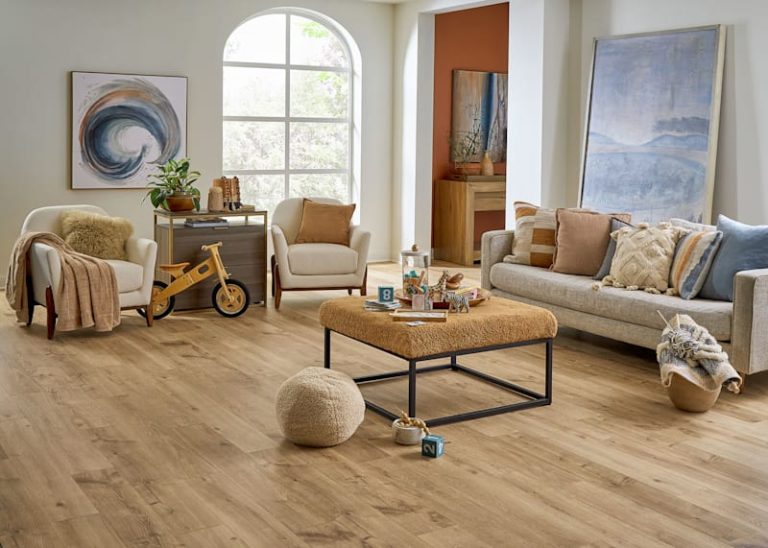
Credit: www.dolphincarpet.com
What Is LVP Flooring?
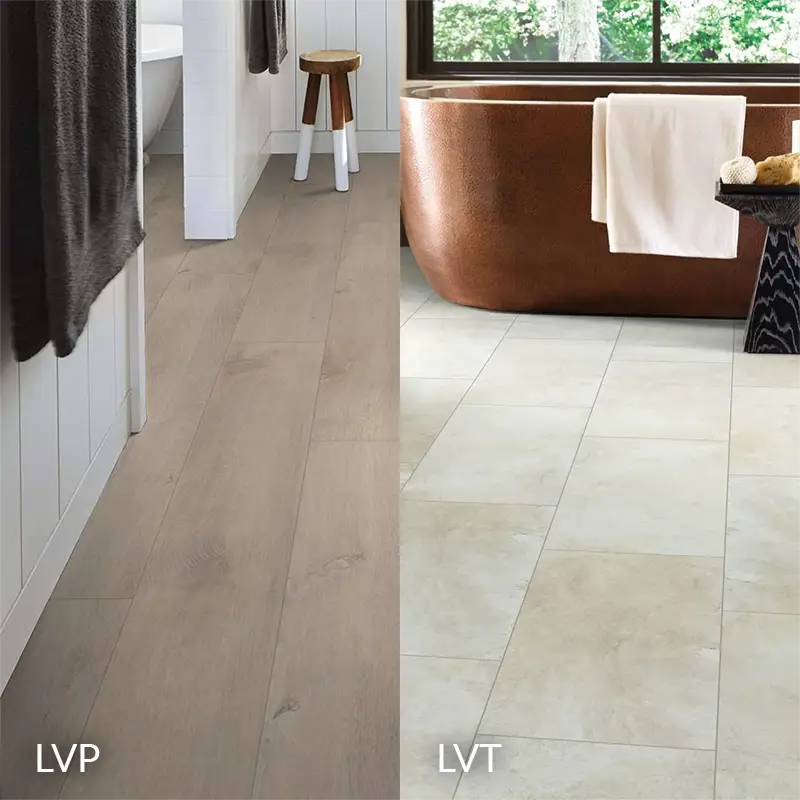
LVP stands for Luxury Vinyl Plank. It looks like real wood. LVP is made of multiple layers. The top layer is clear and protective. It helps against scratches and stains. Underneath is a printed design layer. It shows the wood look. The base is vinyl. It gives strength and durability.
LVP is water-resistant. It works well in wet areas. It’s easy to clean. No special products needed. LVP is affordable. Looks like real wood but costs less. It is soft underfoot. Provides comfort when walking. LVP is easy to install. No glue required. Click and lock system.
LVP is great for kitchens and bathrooms. Works well in basements too. Living rooms and bedrooms are popular spots. It’s good for high-traffic areas. Holds up well over time. Perfect for homes with kids and pets.
What Is LVT Flooring?
LVT flooringis made from vinyl. It looks like real wood or stone. This flooring is designed in layers. The top layer is a clear wear layer. Below that is the design layer. It shows the pattern. The next layer is the core. It gives strength. Finally, there is the backing layer. This helps with stability.
LVT is water-resistantand durable. It lasts for many years. Cleaning is easy. A mop and water can do the job. It is soft underfoot. This makes walking on it comfortable. Noise is reduced when you walk on it.
LVT is used in kitchens and bathrooms. It is good for living rooms too. It works well in places with high foot traffic. Offices and shops can use LVT flooring. It looks nice and is practical.
Comparing Durability
Wear and Tear Resistanceis key in flooring choices. Lvp stands for luxury vinyl plank. Lvt stands for luxury vinyl tile. Both offer strong protection against scratches. Lvp tends to be thicker than Lvt. Thickness gives better durability. Lvp handles heavy foot traffic well. Lvt is also durable but may scratch easier. Furniture movement affects Lvt more. Both are long-lasting flooring options.
Moisture and Water Resistanceis important for floors. Lvp and Lvt resist water well. Lvp is often fully waterproof. Perfect for kitchens and bathrooms. Lvt resists water too, but less than Lvp. Both options prevent mold growth. Great for areas with water spills. Easy to clean and maintain. Choose based on area needs.
Installation Differences
LVPand LVT flooringare both easy to install. Many people can do it themselves. LVP often uses a click-lock system. This means the pieces snap together. It’s like a puzzle. No glue needed. LVT might need glue sometimes. But it is also simple.
Toolsare few. A utility knife, tape measure, and square are useful. A rubber mallet can help. These tools make the job easier. Techniques are straightforward. Measure the room first. Start laying from a corner. Align pieces carefully. This ensures a neat finish.
Cost Analysis
LVP flooringoften costs less than LVT flooring. This makes it a good choice for tight budgets. Both offer great looks at affordable prices. LVP is made of plastic, while LVT has vinyl and tiles. LVT may need more money upfront, but it adds unique styles to rooms. Choose based on your budget and what you want your floor to look like. Many stores offer both options. Check prices before buying.
LVP flooringLVT flooring lasts longer if maintained well. It withstands scratches and spills. Both options resist water. This is great for kitchens and bathrooms. Consider how long you want your floor to last. Good care increases the life of both types. Think about wear and tear in your home. It affects which flooring is best for you.

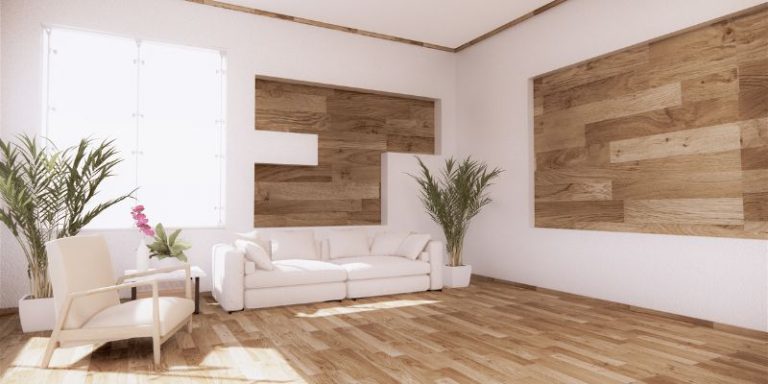
Credit: www.woodandbeyond.com
Design And Aesthetic Options
LVPand LVTflooring offer many styles. You can find wood, stone, and tile looks. Each style has its unique charm. Some styles look like real wood. Others mimic stone tiles. There are many colors to choose from. Light colors make rooms feel bigger. Dark colors give a cozy look. Patterns add fun to the floor. Many options for every taste.
These floors can be customized. You choose the design and color. Mix different styles for unique looks. Many options to match your home decor. Some people prefer simple designs. Others like bold patterns. It’s easy to create a personal space. Customization helps make your home special. Personalize your floor with ease.
Maintenance And Care
Keep your floors clean to make them last longer. Use a soft broom or a vacuum with a hard floor setting. This helps remove dust and dirt. Avoid harsh chemicals; they can damage the floor. A damp mop works well for deep cleaning. Use warm water and mild soap. Dry the floor after cleaning to prevent water spots.
Minor scratches can be fixed easily. Use a repair kit designed for vinyl flooring. These kits have everything you need. Replace broken tiles as soon as possible. Replacement is simple if you have extra tiles. Remove the damaged tile carefully. Replace with a new tile. Make sure it fits snugly.
Environmental Impact
LVT and LVP floors both offer good looks. But what about sustainability? LVT often uses more plastic. This can be bad for the earth. LVP uses less plastic. It’s a better choice for the planet. Recyclablematerials are a good option too. Many people choose floors made from recycled stuff. These floors help save nature. Always check the label. Some floors have eco-friendly marks. Look for these to make smart choices.
Some floors use nature-friendly parts. Bamboo and cork are two examples. These grow back fast and are gentle on the earth. They are called renewablebecause they grow again quickly. This makes them kind to nature. Choose floors that last long. Durable floors need changing less often. That means less waste. Think about the impactof each choice. Nature matters. Every good choice helps the planet stay healthy.
Choosing The Right Flooring
Choosing flooring depends on many things. Think about how it looks. Also, how it feels is important. Some floors are soft. Others are hard. Durability matters too. Some floors last long. Others don’t. Cost is a big factor. Some floors are cheap. Others are expensive. Think about maintenance. Some floors need much care. Others need little. Installation is key. Some floors are easy to install. Others are not. Consider room use. Is it for a kitchen? Or a bedroom? Think about safety. Some floors are slippery. Others are not. Environmental impact is also vital. Some floors are eco-friendly. Others are not.
Everyone has unique tastes. Some like wood. Others prefer tile. Color is important. Bright or dark? Texture is a choice too. Smooth or rough? Feel underfoot matters. Do you want warmth? Or coolness? Noise is another factor. Some floors are quiet. Others make noise. Pet owners have special needs. Some floors are pet-friendly. Others aren’t. Allergies can affect choices too. Some floors trap dust. Others don’t. Lifestyle matters. Do you have kids? Or live alone?
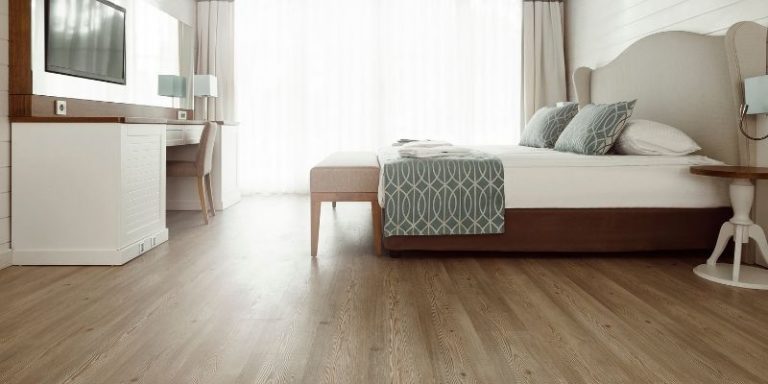
Credit: www.dustram.com
Frequently Asked Questions
Which Is Better LVP Or LVT Flooring?
LVP is more durable and water-resistant, ideal for high-traffic areas. LVT offers more design options, perfect for aesthetic purposes. Choose based on your specific needs and preferences. Both are great flooring choices.
Is LVT Or LVP More Expensive?
LVT (Luxury Vinyl Tile) is generally more expensive than LVP (Luxury Vinyl Plank). LVT offers varied designs and textures, often costing more. Prices can vary based on quality and brand, so comparing options is essential. Always check for deals and promotions to find the best price.
What Are The Disadvantages Of LVT Flooring?
LVT flooring can be susceptible to scratches and dents. It may fade under direct sunlight exposure. Some products can emit VOCs, affecting indoor air quality. Installation on uneven surfaces can cause issues. Moisture can lead to warping or peeling. It may not add significant resale value to a home.
Is LVP Ok For High End Homes?
Yes, LVP is suitable for high-end homes. It offers durability, luxury aesthetics, and versatility, enhancing interior design. Its affordability doesn’t compromise quality, making it a preferred choice for upscale residences. Easy maintenance and water resistance add to its appeal, ensuring a sophisticated look without extensive upkeep.
Conclusion
Choosing between LVP and LVT flooring depends on your needs. Both options offer durability and style. LVP is great for areas prone to moisture. It mimics the look of wood. LVT offers varied designs like stone or ceramic. Consider your budget and room usage.
Think about maintenance and installation. Both flooring types provide excellent value. They enhance home aesthetics. Making the right choice improves comfort and functionality. Explore options at local stores. Compare samples. Decide based on your lifestyle and preferences. Your perfect floor is within reach.
Make your space inviting and practical.