LVP Vs Wood Flooring: Which Is Best for Your Home?
Are you planning to revamp your home’s flooring but find yourself torn between luxury vinyl plank (LVP) and traditional wood flooring? You’re not alone.
This common dilemma can leave you scratching your head, wondering which option will best suit your lifestyle, budget, and taste. Both LVP and wood flooring have their unique charms and drawbacks, and the choice you make can significantly impact the look and feel of your home.
Imagine walking into your living room and feeling the warmth beneath your feet, or admiring the elegant look of your new floor as it complements your décor. Choosing the right flooring is more than just a design decision; it’s about creating an environment that reflects your personality and meets your practical needs. By understanding the key differences, benefits, and drawbacks of LVP and wood flooring, you can make an informed choice that brings you joy every time you step through the door. So, are you ready to discover which flooring option is the perfect fit for you? Let’s dive in!
Credit: villagiowoodfloors.com
Comparison Of LVP And Wood Flooring
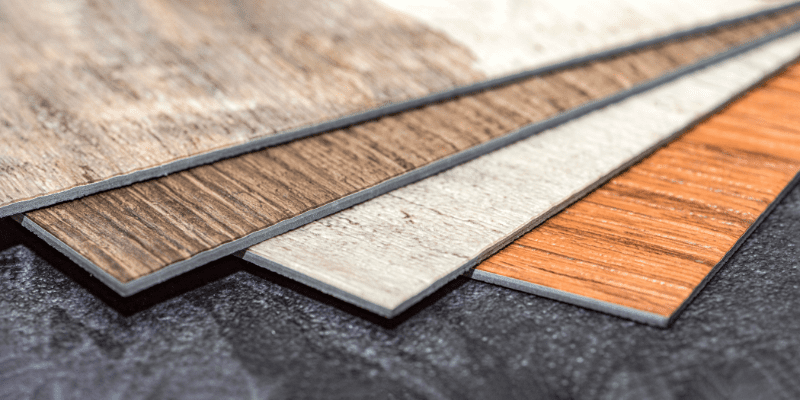
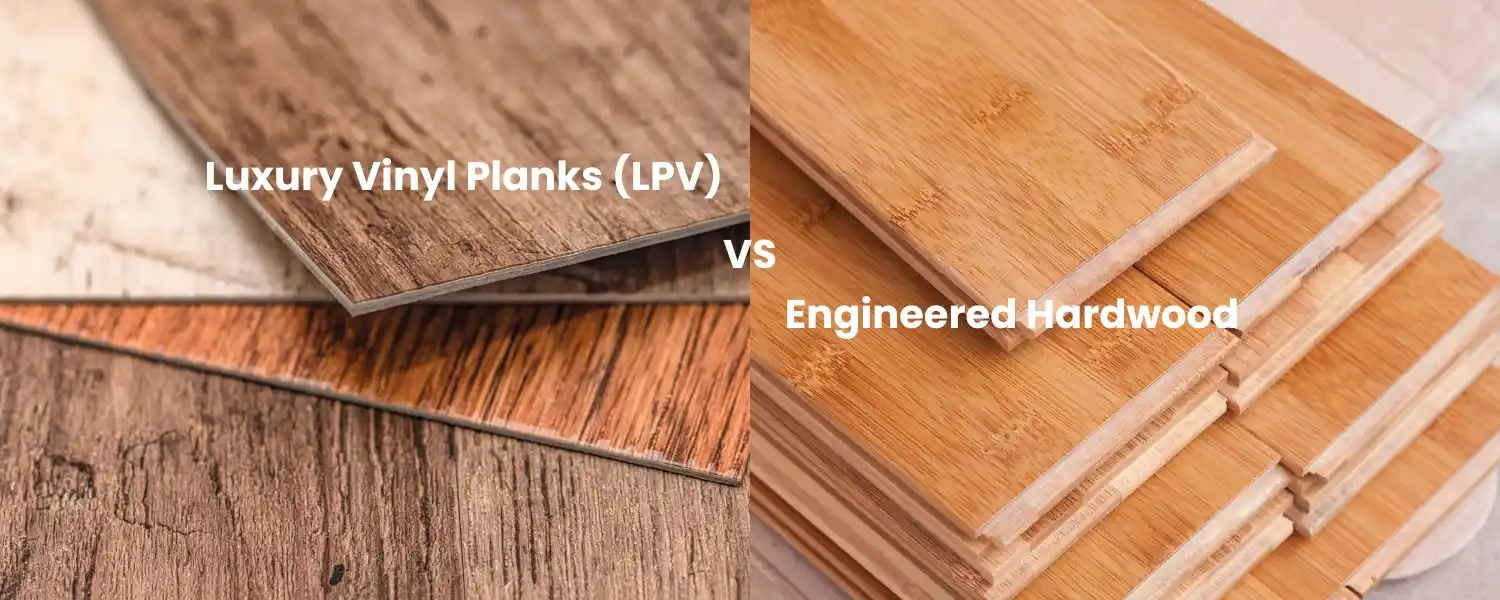
LVP, or luxury vinyl plank, is made of plastic. It has a core of PVC and a print layer on top. Wood flooring comes from real trees. It can be oak, maple, or cherry. Wood is natural and feels warm underfoot. LVP is synthetic but looks like real wood.
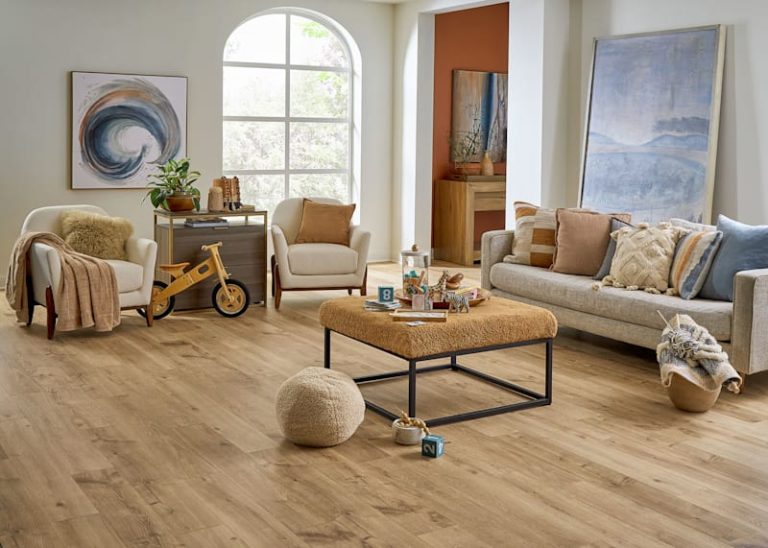
Both floors are beautiful. LVP can mimic any wood style. It comes in many colors and designs. Wood flooring has a unique grain. Every piece is different. LVP has a smooth surface. Wood might have knots and patterns. This makes it look natural.
LVP is tough and resists water. It is good for kitchens and bathrooms. Wood can scratch or dent. But, it can last a long time with care. LVP does not need much maintenance. Wood needs more care and polishing. Both floors can last for years.
Installation Process
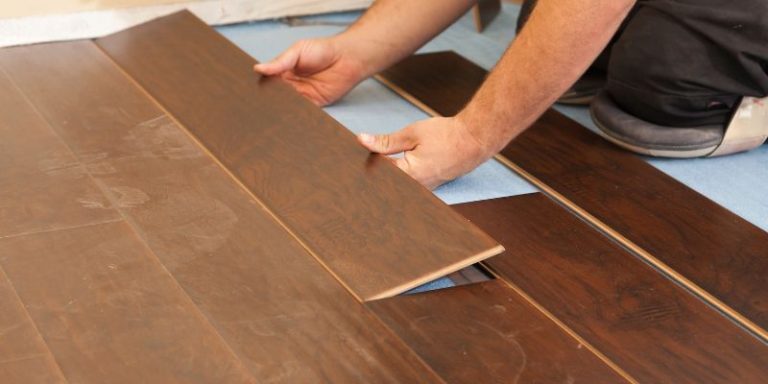
LVP flooringoften comes with a simple installation process. Many pieces click together. This is called a floating floor. Tools needed are basic. A tape measure, utility knife, and straight edge are enough.
Wood flooringcan be harder to install. It needs nails or glue. Tools are more complex. A hammer, saw, and nail gun are often necessary. Sometimes, a professional is required.
LVP flooringrequires less technique. Click and lock pieces make it easy. Most people can do it.
Wood flooringneeds more skill. Boards must be cut precisely. Proper alignment is crucial. Mistakes can ruin the look.
Cost Analysis
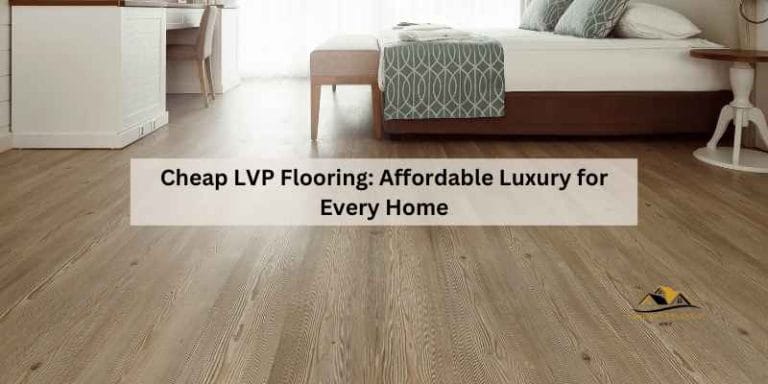
LVPflooring often costs less than wood. You can get good quality LVP for a lower price. This makes it a popular choice for many homes. Wood flooring, especially hardwood, is usually more expensive. It might be too costly for some budgets. But, wood flooring can add value to your home. It looks classic and elegant. Both options have their own charm. Choose what fits your budget best.
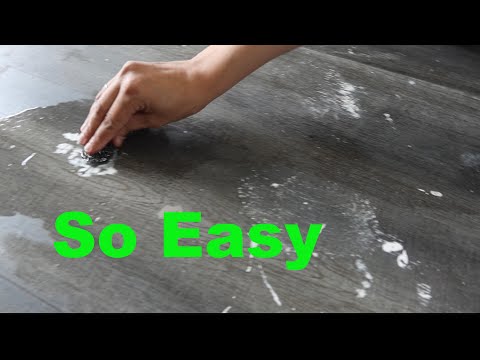
LVPflooring is easy to clean. It does not need special cleaners. Just a mop and water will do. Wood flooring needs more care. It can get scratched easily. You might need to polish or refinish it. This can cost money over time. LVP is more resistant to spills. Wood can warp with water. Think about how much time and money you want to spend on upkeep.
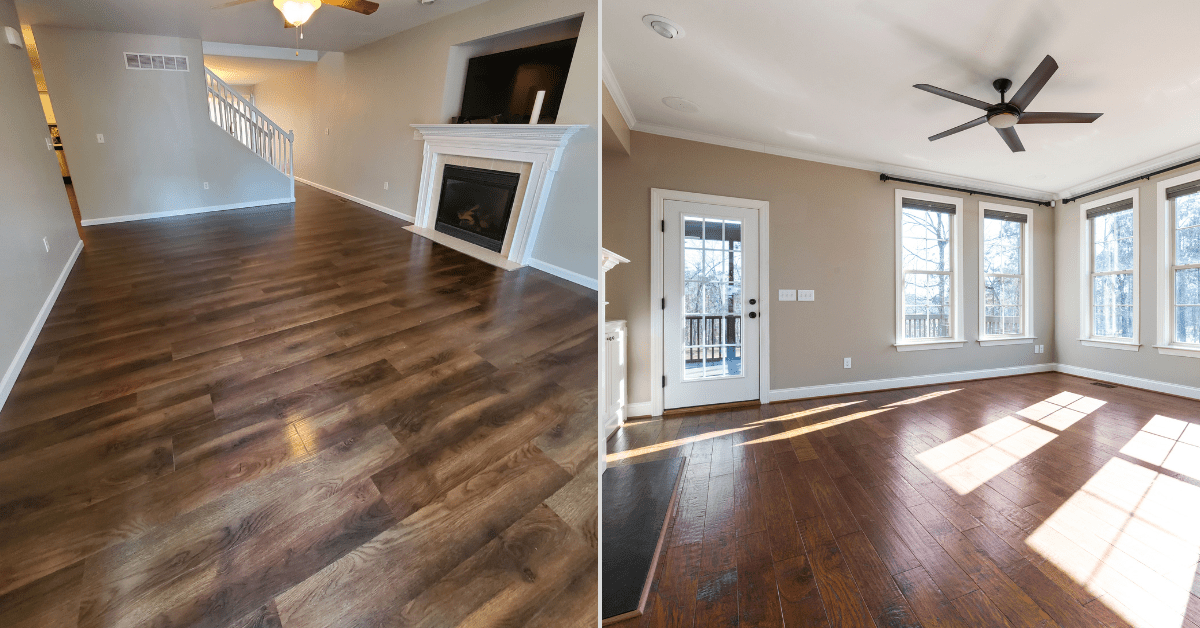
Credit: casediscountflooring.com
Environmental Impact
Choosing between LVP and wood flooring impacts the environment differently. LVP, made from synthetic materials, often uses fewer natural resources. Wood flooring, though natural, can contribute to deforestation if not sourced sustainably. Each option carries its own environmental considerations.
Sustainability Factors
Wood flooringcomes from trees. Trees take many years to grow. Cutting them affects forests. People must plant new trees. This helps forests stay healthy. LVP flooringis made from plastic. Plastic comes from oil. Oil is not renewable. It takes millions of years to form. This makes LVP less green.
Recycling And Disposal
Wood floorscan be reused. They can be sanded and refinished. This makes them last long. At the end, they decompose naturally. LVP floorsare harder to recycle. They can end up in landfills. This can harm the environment. Finding ways to recycle LVP is important. Both types have pros and cons.
Performance In Different Areas
LVPstands for luxury vinyl plank. It is highly resistant to water. This makes it great for kitchens and bathrooms. Wood flooring can swell when wet. It may get damaged by water spills. In damp places, LVP is a safer choice. Wood floors need care to avoid water damage. A spill on wood should be cleaned quickly. LVP is less likely to get damaged by water.
Both LVP and wood can change with temperature. Wood can expand or shrink. This happens with hot or cold weather. LVP handles temperature changes better. It stays stable in most conditions. Wood may need special care in extreme heat or cold. You might see gaps or tight spots in wood floors. LVP provides a more consistent look throughout the year.
Style And Design Options
LVP flooring has many color choices. Bright colors make rooms look bigger. Dark colors add warmth and coziness. Wood flooring also offers many shades. Light wood is popular for modern homes. Dark wood fits traditional styles. Both flooring types can match different decor styles.
LVP can mimic wood textures. Smooth surfaces are easy to clean. Rough textures hide dirt better. Wood flooring has natural textures. Some are smooth; others are rustic. Texture affects the feel of a room. Choose what feels best underfoot. Both options offer unique textures.
Lifestyle Considerations
Choosing between LVP and wood flooring involves weighing lifestyle factors. LVP offers durability and easy maintenance, making it ideal for busy households. Wood flooring provides a natural, elegant look but requires regular care to maintain its beauty. Consider your daily routine and aesthetic preferences when deciding.
Family And Pets
Families with kids and pets often need durable floors. LVP flooring stands up to scratches and spills. Wood flooring can get easily scratched. LVP is water-resistant, making it ideal for messy playtime. Wood needs careful cleaning to avoid water damage. LVP is softer underfoot, great for toddlers. Wood can feel hard and cold.
High Traffic Areas
Busy homes need floors that can handle traffic. LVP flooring is perfect for high traffic spots. It resists wear and tear. Wood flooring can show signs of wear faster. LVP is easy to clean after muddy shoes. Wood requires more care and maintenance. LVP keeps its look longer in busy areas. Wood might need refinishing over time.
:max_bytes(150000):strip_icc()/SPR-lvp-vs-engineered-hardwood-8401038-hero-d7dc36cd86194378987555bc491d03ec.jpg)
Credit: www.thespruce.com
Long-term Value
LVPfloors are popular today. Many buyers like them. They are easy to clean. They resist scratches. They often look like real wood. Wood floors are classic. They can last for many years. Buyers love real wood. It adds charm and warmth. Homes with wood floors sell well. Choosing between LVP and wood affects home value. Both have good resale potential.
Wood flooringadds beauty and warmth. Each plank is unique. It creates a cozy feel. LVP offers many styles. It mimics real wood and stone. It can fit any decor. Both options enhance home aesthetics. LVP can be colorful and modern. Wood is timeless and elegant. Choose based on the desired look.
Frequently Asked Questions
What Are The Disadvantages Of LVP Flooring?
LVP flooring can dent under heavy furniture. It may fade with prolonged sun exposure. Installation requires a smooth subfloor. It can feel less warm than natural wood. Some low-quality options might emit VOCs, affecting indoor air quality. Regular maintenance prevents scratches and wear.
Is LVP Used In High End Homes?
Yes, luxury vinyl plank (LVP) is used in high-end homes. It offers durability, versatility, and aesthetic appeal. Homeowners appreciate its water resistance, easy maintenance, and realistic wood or stone look. LVP is a cost-effective alternative to traditional hardwood or stone flooring, making it popular in upscale interiors.
Does LVP Lower Home Value?
LVP, or luxury vinyl plank, typically enhances home value. It’s durable, cost-effective, and resembles high-end materials. Buyers appreciate its easy maintenance and aesthetic appeal. Proper installation and quality selection are key for maximizing its impact on home value. Consider market trends and preferences for optimal results.
What Costs More, Hardwood Or LVP?
Hardwood flooring generally costs more than Luxury Vinyl Plank (LVP). Hardwood offers natural beauty and durability. LVP is more budget-friendly and mimics wood appearance. Consider installation, maintenance, and longevity when choosing.
Conclusion
Both LVP and wood flooring have their unique benefits. LVP offers great durability and water resistance. Wood flooring provides timeless beauty and a natural feel. Consider your lifestyle and budget when choosing. LVP is budget-friendly and easy to maintain. Wood flooring may require more care but adds value.
Both options are wonderful for enhancing your home. Think about what suits your space best. Each choice brings its own charm and warmth. Make an informed decision that aligns with your needs and preferences. Your flooring choice will impact the look and feel of your home.
Choose wisely.