MDF Vs Birch Plywood: Choosing the Right Material
When you’re diving into a new DIY project or planning the next stage of your home renovation, choosing the right material is crucial. You might find yourself standing in a hardware store, contemplating between MDF and birch plywood.
It’s a common dilemma that can leave you feeling overwhelmed with options. Each material has its unique strengths and potential drawbacks, and understanding these can save you time, money, and frustration. In this guide, we’ll break down the differences between MDF and birch plywood, helping you make an informed decision that suits your needs.
By the end of this article, you’ll know exactly which material aligns with your project goals, and why making the right choice will enhance the quality and longevity of your work. Ready to dive deeper? Let’s unravel the mystery of MDF vs Birch Plywood together!
Material Composition
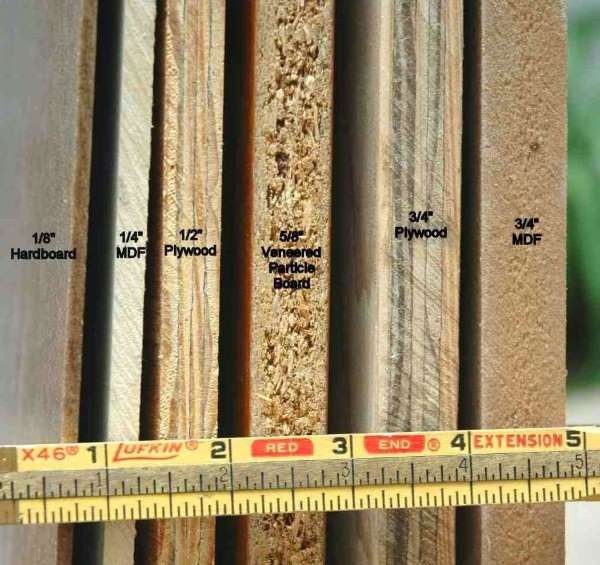
MDF stands for Medium Density Fiberboard. It is made from wood fibers. These fibers are mixed with glue. The mixture is then pressed into sheets. This makes MDF strong and smooth. It is often used in furniture. MDF is heavier than regular wood. It can be painted easily. It is not good in wet places. MDF can swell with water. Always keep it dry.
Birch plywood is made from thin layers of birch wood. These layers are called plies. The plies are glued together. Each ply is placed crosswise. This makes plywood very strong. Birch plywood is lighter than MDF. It is used in cabinetry and flooring. It looks nice with a natural finish. Birch plywood can handle some moisture. It is more durable in wet places.
Durability And Strength
MDF offers consistent density and smoothness, suitable for painting and indoor use. Birch plywood excels in strength and durability, ideal for structural applications. Both have distinct advantages, depending on usage needs.
Impact Resistance
MDF absorbs impacts better. It is less likely to dent. Birch plywood is tougher. It can resist scratches and impacts. Birch is harder. It lasts longer in rough conditions. MDF might chip or crack under pressure. Birch is strong and reliable. Perfect for floors and walls.
Load Bearing Capacity
Birch plywood supports more weight. It is ideal for heavy furniture. MDF can hold weight but is not as strong. Birch is better for shelves and cabinets. It does not bend easily. MDF is softer. It might sag over time. Birch keeps its shape. It is best for building projects.
Cost Considerations
Understanding cost differences between MDF and birch plywood is crucial. MDF generally offers a budget-friendly choice, while birch plywood might be pricier due to its durability and aesthetic appeal. Balancing cost with long-term benefits is essential for making an informed decision.
Price Comparison
MDF is often cheaper than Birch Plywood. It is made from wood fibers and glue. Birch Plywood is more expensive because it uses real wood layers. This makes Birch Plywood stronger and more durable. MDF can be a great choice for budget projects. Birch Plywood is better for quality and strength. Choosing between MDF and Birch Plywood depends on the budget. Some people prefer a cheaper option. Others want long-lasting materials. Both have their uses in different projects.
Long-term Value
Birch Plywood lasts longer than MDF. It resists bending and breaking. MDF may warp or swell if wet. Birch Plywood’s durability adds value over time. MDF is fine for indoor use. Birch Plywood works well outside too. Investing in Birch Plywood can save money later. It needs less replacing or fixing. MDF is still useful for short-term needs. Each material has its place in woodworking projects.
Aesthetic Appeal
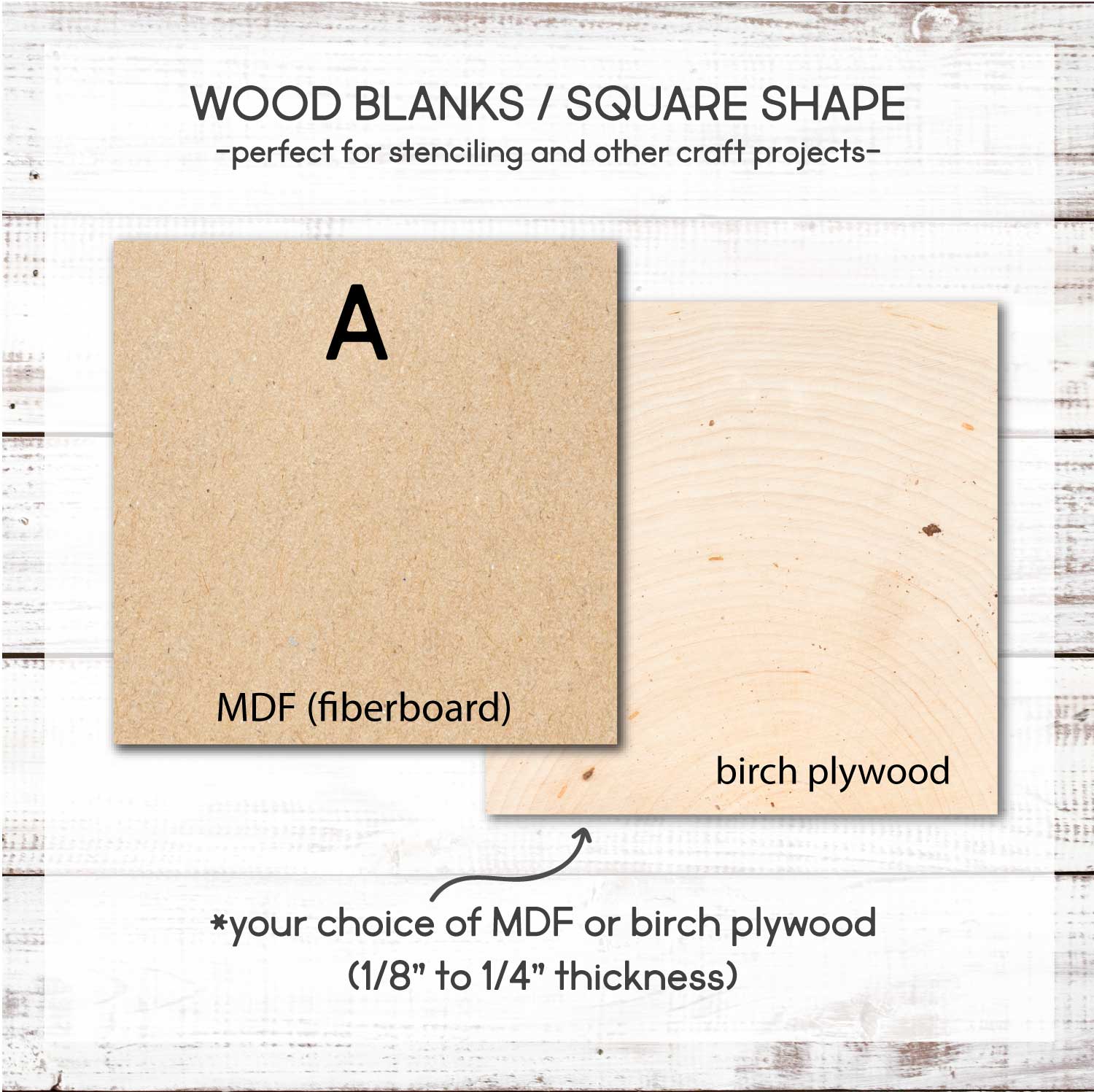
MDF offers a smooth surfacethat is easy to paint. It is popular for creating colorful designs. Birch plywood has a more natural look. It shows a beautiful wood grain. This adds a warm feel to the space. People often choose birch for a classic style. Both materials can be stained. This enhances their appearance. MDF is more uniform. Birch has unique patterns.
MDF does not have a visible grain. It feels very smooth. Birch plywood has a rich texture. Its grain is distinctand eye-catching. Kids might say it looks like a tree. MDF is good for a clean look. Birch is good if you like nature. Each has its own charm. Choose based on your taste.
Workability And Ease Of Use
MDFis soft and easy to cut. It does not splinter much. This makes it easy to shape. Birch plywoodis stronger. It can splinter when cut. Using sharp tools is best. It is also heavier than MDF.
MDF holds screws well. Use pilot holes to avoid splitting. Gluing is also effective. Birch plywood is strong with screws. It needs pilot holes too. Gluing is strong with it as well.

Credit: www.craftcuts.com
Environmental Impact
MDFis made from wood fibers mixed with resin. It uses leftover wood parts. This process can help reduce waste. But the resin can be harmful. It often contains chemicals. Birch plywooduses thin layers of wood. These layers are glued together. Birch trees grow quickly. This makes them a good option. They are renewable. Birch plywood is often safer. It uses natural glue. Both materials have pros and cons.
MDF is harder to recycle. It has chemicals and resins. These are not easy to remove. Birch plywoodis better for recycling. It is mostly natural wood. Less chemicals are used. Recycling helps the planet. It reduces waste. Think about recycling before buying. Choose materials that are easy to recycle. Protect our environment.
Applications In Construction
MDF is great for making cabinets and shelves. It is smooth and easy to paint. Birch plywood is strong and durable. It is used for floors and walls. It has a nice wood pattern. MDF is cheaper and lighter. Birch plywood costs more but lasts longer. Choose MDF for simple projects. Choose birch plywood for strong furniture.
Birch plywood is often used outside. It handles weather well. MDF is not good for outside. It can get damaged by rain. Birch plywood is good for outdoor furniture. It is strong and resists water. MDF is better indoors. Use it for dry areas. Birch plywood can be painted or stained. It stays nice outside for years.
Moisture Resistance
MDFabsorbs water quickly. It can swell if it gets wet. This makes it less useful in wet places. Birch plywoodis better with water. It does not swell as much. It stays strong and flat.
MDFdoes not like humid air. It can lose shape. It might warp. Birch plywoodhandles humidity better. It stays stable. This makes it a better choice for bathrooms or kitchens.
Sound Insulation Properties
MDFis known for its good sound insulation. It can absorb sound well. This makes it a popular choice in music studios. On the other hand, birch plywoodis not as effective. It allows more sound to pass through. So, it is less preferred for soundproofing.
MDF panels are dense. This helps in reducing noise. They provide a quieter environment. Birch plywood is lighter. It does not block noise as efficiently. For better noise control, MDF is often the go-to choice.

Credit: www.craftcuts.com
Fire Resistance
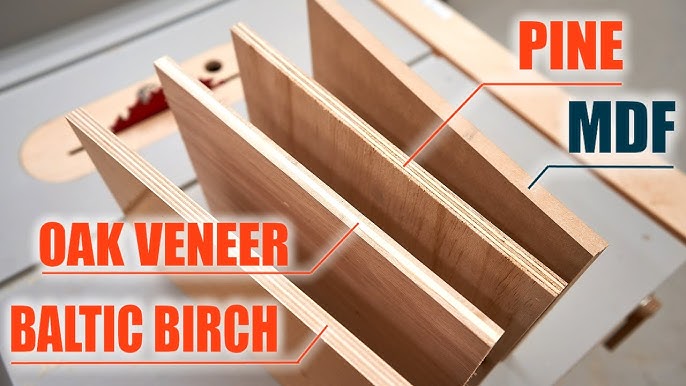
MDF and Birch Plywood react differently to fire. MDF is more combustible. It can catch fire easily. Its fibers are held by glue. This glue burns faster. Birch Plywood is less combustible. It has layers. These layers make it stronger against fire. Fire spreads slower in plywood. It is safer in fire-prone areas.
Safety rules help keep us safe. MDF meets basic fire safety rules. But it does not have top ratings. Birch Plywood often meets higher safety standards. It is tested more for fire safety. Buildings use plywood for better fire protection. It is a safer choice. Choose wisely for your needs.
Credit: www.youtube.com
Frequently Asked Questions
Is MDF Better Than Birch Wood?
MDF is cost-effective and smooth but less durable than birch wood. Birch wood offers better strength and natural aesthetics. MDF suits indoor projects while birch wood excels in furniture and cabinetry. Choose MDF for affordability; opt for birch wood for quality and resilience.
Consider project needs for the best choice.
What Are The Disadvantages Of Birch Plywood?
Birch plywood can be expensive compared to other plywood types. It may not be as water-resistant, leading to potential warping. Its surface can be prone to scratches and dents. Some birch plywood might contain voids or knots, affecting its overall quality and appearance.
Which Is Better MDF Or Plywood?
MDF offers a smooth finish, ideal for painting, and is more affordable. Plywood is stronger, more durable, and moisture-resistant, suitable for structural projects. Choose MDF for indoor furniture and plywood for construction or outdoor use. Consider your project’s specific needs to determine which material is better.
Is MDF Better Than Birch Plywood For Sub Box?
MDF offers better sound quality and is more affordable for sub boxes. Birch plywood is stronger and more durable. Choose MDF for sound performance and cost-effectiveness. Select birch plywood for strength and longevity. Consider your priorities in sound and durability for the best choice.
Conclusion
Choosing between MDF and birch plywood depends on your needs. MDF is smooth and great for painting. Birch plywood is strong and has a natural look. MDF suits indoor projects well. Birch plywood works for furniture and structures. Consider costs and project requirements.
Each material has unique benefits. Think about durability and appearance. Choose wisely based on your specific goals. Both options serve different purposes. Evaluate your project carefully. Make an informed decision for the best outcome.