MDF Vs Plywood: Ultimate Guide to Choosing Right
Choosing the right material for your next project can be a daunting task, especially when you’re faced with the decision between MDF and plywood. Both have their own unique advantages and potential drawbacks, but which one is truly the best fit for your needs?
You might find yourself wondering if MDF’s smooth surface will bring out the best in your paint job, or if plywood’s durability is worth the investment. This article aims to take the guesswork out of your decision-making process. By the end, you’ll have a clear understanding of how each material can impact not only the quality of your project but also your overall satisfaction.
Curious about which material will elevate your work to new heights? Keep reading to discover the hidden truths about MDF and plywood that can transform the way you approach your projects.
MDF Characteristics
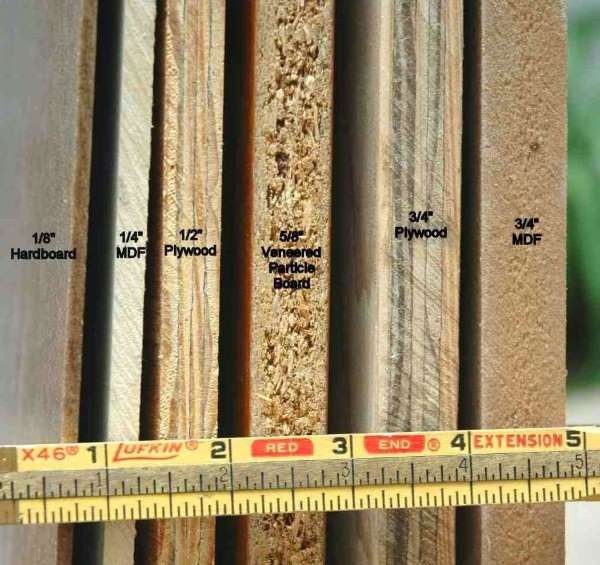
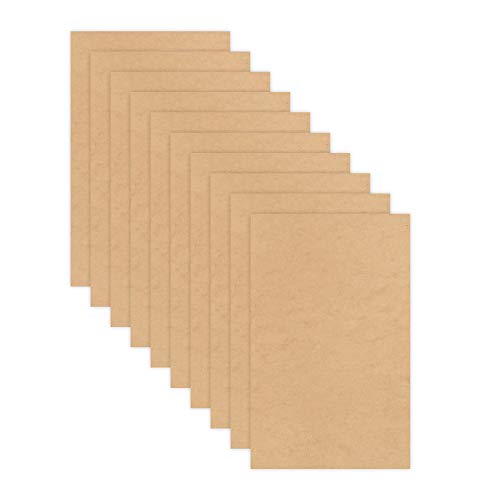
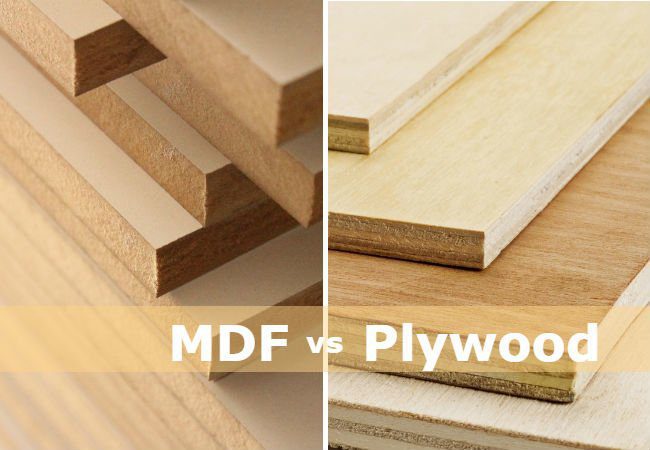
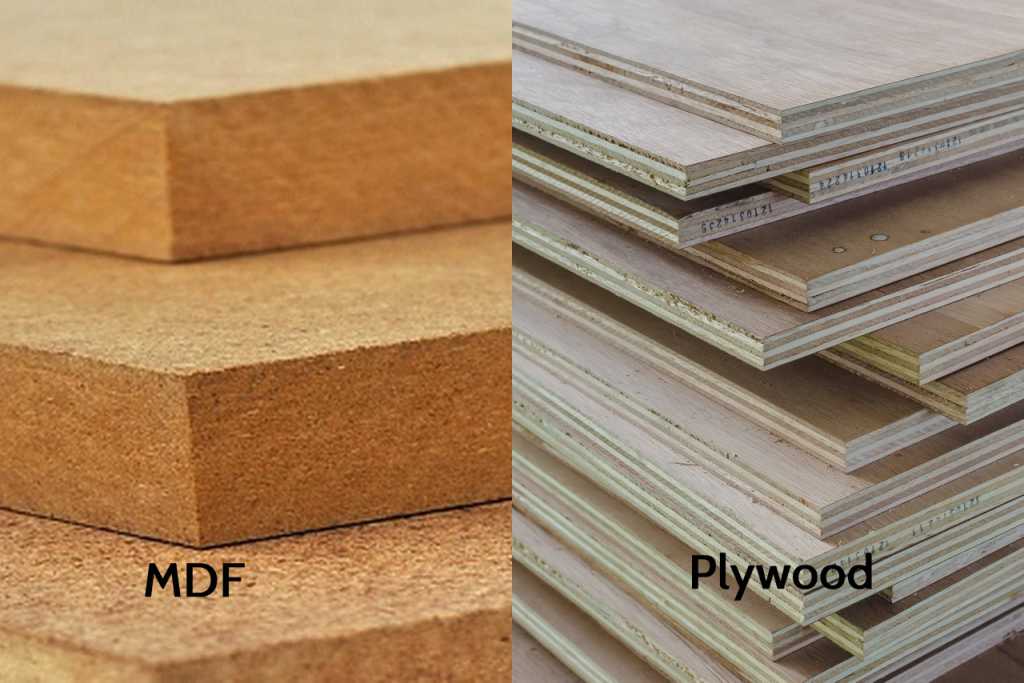
MDF stands for Medium Density Fiberboard. It is made from wood fibers. These fibers are mixed with glue and pressed into sheets. The surface is smooth and even. It is denser than many other wood products.
MDF is used in furniture and cabinetry. It is often used for shelves and doors. It is also popular for paneling and moldings. The smooth surface is great for painting.
MDF is affordable and easy to work with. It can be cut and drilled without chipping. The surface is ideal for painting and veneering. It is available in large sheets.
MDF is not as strong as solid wood. It can swell with water exposure. It is heavier than plywood. The dust from cutting can be harmful.
Plywood Characteristics
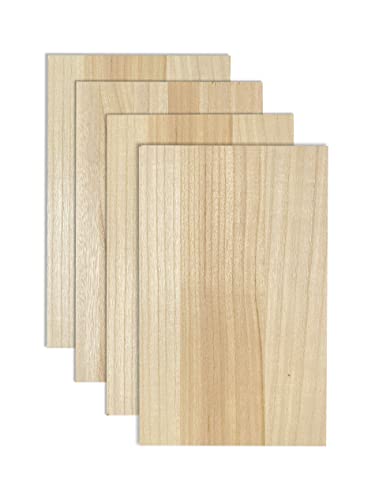
Plywood is made from thin wood layers. They are called veneers. These layers are glued together. The grains of each layer are at different angles. This makes plywood strong. The number of layers can change. More layers mean more strength. Plywood is usually made from softwood or hardwood. The outer layers are smooth and strong.
Plywood is used in many places. Furniture like tables and chairs often use plywood. Construction uses plywood for floors and walls. Plywood is also in boats and airplanes. It is very versatile. It can be cut easily. Plywood does not bend much. It is used for roofing too. Cabinets often have plywood.
Plywood is strong and durable. It can handle weight well. It is resistant to cracking. Plywood is lightweight. It is easy to move. Plywood is cost-effective. It is not expensive. Waterproof plywood is available. It lasts long in wet places. Plywood can be painted or stained.
Plywood can have voids inside. These are empty spaces. Voids make it weak. It can get damaged by water. Not all plywood is waterproof. Edges may look rough. They need finishing. Heavy plywood is hard to cut. It can be expensive sometimes. Bending can cause cracks.
Cost Comparison
MDF is usually cheaperthan plywood. This makes it a good choice for projects where cost matters. MDF costs less because it is made from wood fibersand resin. Plywood is made from thin sheets of wood glued together. This makes plywood more expensivethan MDF. But plywood is often stronger. MDF is best for indoor furniture. Plywood is good for outdoor projects. Both have their own uses. Choose MDF for saving money. Choose plywood for strength. Plywood can cost more to cut and shape. MDF is easier to work with. Both are useful for different tasks.

Credit: truww.com
Durability And Strength
MDFis made from wood fibers and glue. It’s smooth and strong. But it can break if it gets wet. Not ideal for outdoor use.
Plywoodis layers of wood glued together. It’s tougher than MDF. It resists water better. Perfect for building things outside.
Plywood bends without breaking. MDF stays flat. Both have their uses. Pick based on your needs.
Environmental Impact
MDFuses wood fibers and glue. This glue releases formaldehyde. Formaldehyde can harm air quality. Plywoodis made from thin wood layers. These layers are glued together. Glue used for plywood is less harmful. MDF is made from recycled wood. This helps reduce waste. Plywood uses real wood. This can lead to deforestation. MDF production uses less energy. Plywood needs more energy. Both materials have pros and cons. Think about the environment before choosing. Choose wisely for a better future.
Ease Of Use
MDFis soft and smooth. It cuts easily. You can shape it without much effort. Plywoodis tougher. Cutting it needs more care. Tools might dull quickly. MDF is great for curves. Plywood works well for straight lines.
Nails hold MDF strongly. Screws work well too. Plywood is strong. It holds nails tightly. Finishing MDF is easy. Paint sticks well. Plywood needs more sanding. It can be polished. Both are good for furniture.
Moisture Resistance
MDFabsorbs water quickly. It swells easily. This makes it weak in wet places. Avoid using MDF in bathrooms. It is not good for kitchens either. MDF loses its strength in damp areas.
Plywoodis stronger against water. It does not swell like MDF. This makes plywood better for wet places. Bathrooms and kitchens are okay for plywood. It stays strong even when damp.
Choose plywood for places with water. MDF is fine for dry areas. Remember, water weakens MDF.
Credit: gharpedia.com
Aesthetic Appeal
MDF and plywood differ in appearance. MDF has a smooth surface. It offers a consistent texture. Plywood, however, has a natural wood grain. This gives it a more rustic look.
MDF is ideal for painted finishes. Its surface is easy to paint. Plywood is often stainedto show its grain. Many people love this look.
Both materials offer unique styles. MDF is good for modern designs. Plywood suits traditional settingsbetter. Choose based on your style.
Choosing For Specific Projects
MDF is smooth and easy to cut. It’s great for intricate designs. Plywood is stronger and holds screws better. It’s best for making sturdy furniture. Both materials are useful in different ways.
MDFoffers a smooth finish for cabinets. It works well for painted surfaces. Plywoodis durable and resists moisture. It is ideal for kitchen or bathroom cabinets. Think about where your cabinets will go before choosing.
Plywood is the preferred choice for floors. It’s strong and stable. MDF is not recommended for flooring. It can swell if it gets wet. Always consider water exposurewhen choosing materials.
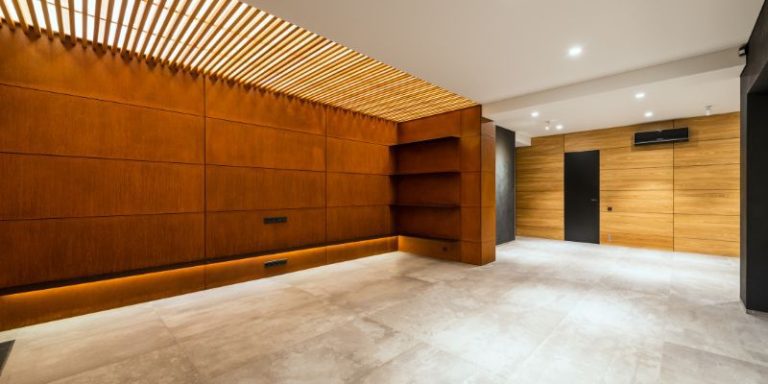
MDF is great for wall panels. It gives a smooth finish. Easy to paint or decorate. Plywood adds a natural wood look. It’s perfect for rustic designs. Choose based on the style you want.
Credit: castacabinetry.com
Frequently Asked Questions
Which Is Better Plywood Or MDF?
Plywood is stronger and more durable, ideal for furniture and construction. MDF offers a smoother finish and is cost-effective, suitable for indoor projects and decorative purposes. Choose based on project needs and budget.
Does Plywood Last Longer Than MDF?
Plywood generally lasts longer than MDF. It offers greater durability and resistance to moisture and impact. Plywood’s layered construction enhances strength, making it ideal for long-term use. MDF is less resilient, susceptible to damage from moisture and heavy loads. Choose plywood for projects requiring longevity and robustness.
Does MDF Get Termites?
MDF is less likely to get termites compared to natural wood. Its dense composition and resin binders deter termite infestation. Always ensure proper sealing and treatment for added protection. Regular maintenance and inspections can help keep MDF termite-free.
What Are 5 Disadvantages Of MDF?
MDF is prone to water damage and swelling. It emits formaldehyde, affecting indoor air quality. It has lower strength than solid wood. Fasteners may loosen over time. MDF may chip or crack easily during installation.
Conclusion
Choosing between MDF and plywood depends on your specific needs. MDF is smooth and great for painting. Plywood offers strength and durability. Both have pros and cons. Consider your project type, budget, and environmental conditions. MDF suits indoor furniture well.
Plywood works best for structural projects. Each material serves different purposes effectively. Weigh your options carefully. Your project success depends on the right choice. Make informed decisions for best results.