Miter Saw 12 Inch Vs 10 Inch: Which One Cuts Best?
Are you struggling to choose between a 12-inch and a 10-inch miter saw? You’re not alone.
This decision can feel overwhelming, especially when each size promises to be perfect for your cutting needs. The truth is, the right choice depends on what you plan to accomplish. Imagine cutting through wood with ease, achieving precise angles every time.
This is what you can expect when you select the miter saw size that perfectly fits your projects. By the end of this article, you’ll have a clear understanding of which saw will bring your woodworking dreams to life. So, let’s cut through the confusion and get to the details that matter most to you.
Credit: www.youtube.com
Miter Saw Basics
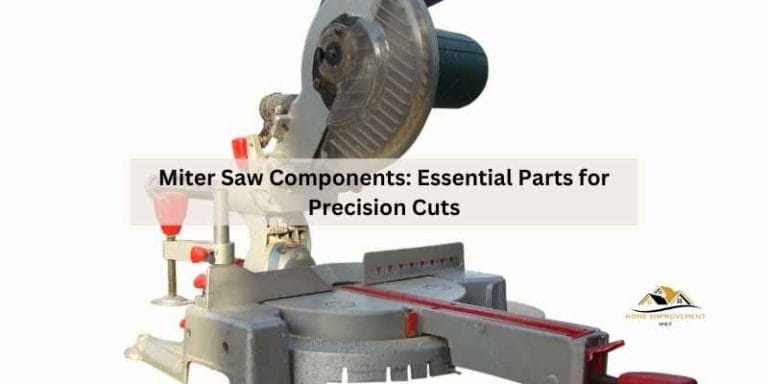
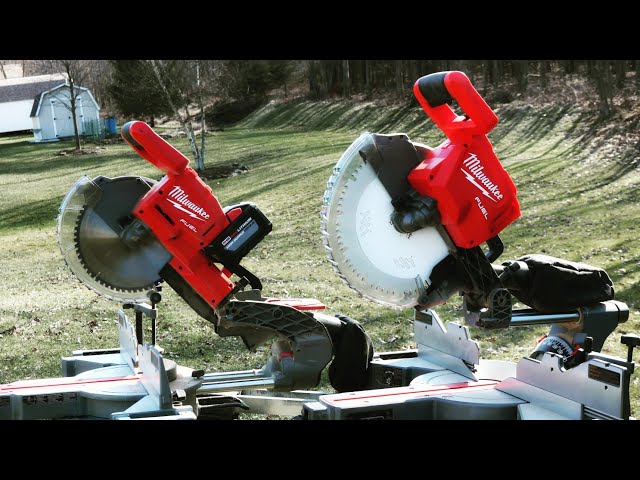
Miter saws help cut wood at angles. They are great for making frames. The 12-inch saw cuts larger pieces. It works well for big projects. The 10-inch saw is smaller. It fits in tighter spaces. Both types are easy to use. Each has a spinning blade. You can tilt the blade for angled cuts. Safety is important. Always wear goggles. Keep fingers away from the blade.
Both saws are powerful. The 12-inch saw is heavier. It can cut thicker wood. The 10-inch is lighter. It is easier to carry. Each saw has a dust bag. This keeps the area clean. Some saws have a laser guide. This shows where the blade will cut. The 12-inch saw usually costs more. But it can do more jobs. Choose the right saw for your needs.
10-inch Miter Saw
The 10-inch miter sawis perfect for small projects. It is often more lightweightand easy to handle. Great for quick cutsand small spaces. It’s usually less expensive. Good for those on a budget. Most users find it simple to operate. Ideal for beginners and small tasks.
This saw cannot cut larger pieces. It struggles with thick wood. Not suited for big projects. Its cutting capacity is limited. Users may need multiple passes. Sometimes, it can’t reach desired angles. It might require more effort. Not the best for heavy-duty tasks. Consider its limitations before buying.
12-inch Miter Saw
The 12-inch miter saw can handle larger cuts. It is perfect for thick wood. This saw can cut through hard materialswith ease. It is very powerful and efficient. It is great for professional use.
The 12-inch miter saw is heavyand difficult to move. It is more expensivethan smaller saws. This saw takes up more space. It may not be necessary for small projects. The blades can be costlyto replace.
Cutting Capacity Comparison
A 12-inch miter saw can cut thicker materials. It is perfect for larger wood pieces. It can manage up to 4 inches thick. The 10-inch miter saw handles smaller tasks. It cuts up to 3 inches thick. Choose based on your project size.
Both saws can cut different angles. The 12-inch offers more flexibility. It handles wider boards. The 10-inch is good for smaller pieces. Each saw supports common angles like 45 degrees. Pick the one that suits your needs.
Portability And Weight
A 10-inch miter saw is usually lighter. Easy to carry from place to place. Ideal for small jobs and workshops. Perfect for quick setup. Less muscle needed to move around.
A 12-inch miter saw is heavier and larger. Needs more effort to transport. Better for big projects. It might require extra help to move. Challenging for small spaces.
10-inch saw fits well in tight spots. Saves space in crowded workshops. Suitable for compact areas.
12-inch saw takes up more room. Needs bigger storage. Better for larger workspaces. Not ideal for tiny corners.
Cost Considerations
A 12-inch miter saw often costs more. It has bigger blades. Bigger blades mean higher price. A 10-inch saw is usually cheaper. It’s good for smaller jobs. Think about what you need. Spending more might be worth it. Bigger saws can cut larger pieces. Smaller saws save money. Bigger saws are not always better.
Maintenance costs can vary. Larger blades wear out faster. Bigger saws need more care. Smaller saws often need less upkeep. Blade replacements for 12-inch saws cost more. A 10-inch blade is cheaper to replace. Check parts regularly. Keep the saw clean. Proper care saves money over time.
Power And Performance
Motor Strengthof miter saws is very important. A 12-inch miter saw usually has a stronger motor. This is because it needs more power to cut larger materials. The 10-inch miter saw uses less power. It is good for small projects. Choosing the right motor strength can save energy and time.
Cutting Speedis the time a saw takes to cut. A 12-inch saw can cut faster. It helps in cutting through thick wood quickly. The 10-inch saw cuts slower. It is better for smaller and detailed cuts. Speed matters when you have many pieces to cut. A fast saw can finish tasks quickly. But for small tasks, a slower saw is enough.
Best Applications
A 10-inch miter saw is ideal for most DIY projects. It’s light and easy to move. Great for cutting smaller wood pieces. Perfect for home improvement tasks. It takes up less space in your workshop. It works well for making picture frames and furniture.
12-inch miter saws are perfect for professionals. They can cut larger pieces of wood. Strong and durable for heavy-duty tasks. Ideal for construction jobs. Suitable for cutting thick beams and large boards. A reliable tool for serious woodworkers.
Credit: www.luxuryhomestuff.com
User Reviews And Feedback
Many users love the power of the 12-inch miter saw. It cuts thicker wood with ease. The versatility impresses a lot of users. They can tackle bigger projects. The 10-inch saw is praised for its lightweight design. It’s easy to move around. Users also appreciate its precision for smaller tasks. The smooth cuts are a big hit.
Some users find the 12-inch saw too heavy. It’s hard to transport. It also takes up more space. For the 10-inch, a few users mention its limited cutting capacity. It struggles with thicker materials. Some also say it lacks power for heavy-duty tasks. A few report vibration issues during use. Both saws have their strengths and weaknesses.
Choosing The Right Saw
A 12-inch miter sawcuts bigger wood pieces. It’s great for large projects. Think of big furniture or decking. A 10-inch miter sawis smaller. It fits well with smaller tasks. Crafting small cabinets or shelves is ideal. Each saw has its own special use. Choose based on what you build.
A 12-inch saw usually costs more. It’s big and powerful. For those on a budget, a 10-inch saw might be better. It is less expensive. But still works well. Think about how much you want to spend. Sometimes, smaller is smarter for saving money. Both saws offer good value. Pick one that fits your pocket.

Credit: www.tylerbrownwoodworking.com
Frequently Asked Questions
Which Is Better, A 10-inch Or 12-inch Miter Saw?
A 10-inch miter saw is suitable for small projects and costs less. A 12-inch saw offers deeper cuts, ideal for larger tasks. Choose based on your project’s size and budget. Both have advantages, but project requirements and personal preferences should guide your decision.
Why Would I Need A 12-inch Miter Saw?
A 12-inch miter saw is ideal for cutting larger pieces of wood with precision. It offers greater cutting capacity, making it suitable for heavy-duty tasks like framing, molding, and cabinetry. This tool enhances efficiency and accuracy in projects requiring clean, precise cuts on large materials.
How Big Of A Board Can You Cut With A 12-inch Miter Saw?
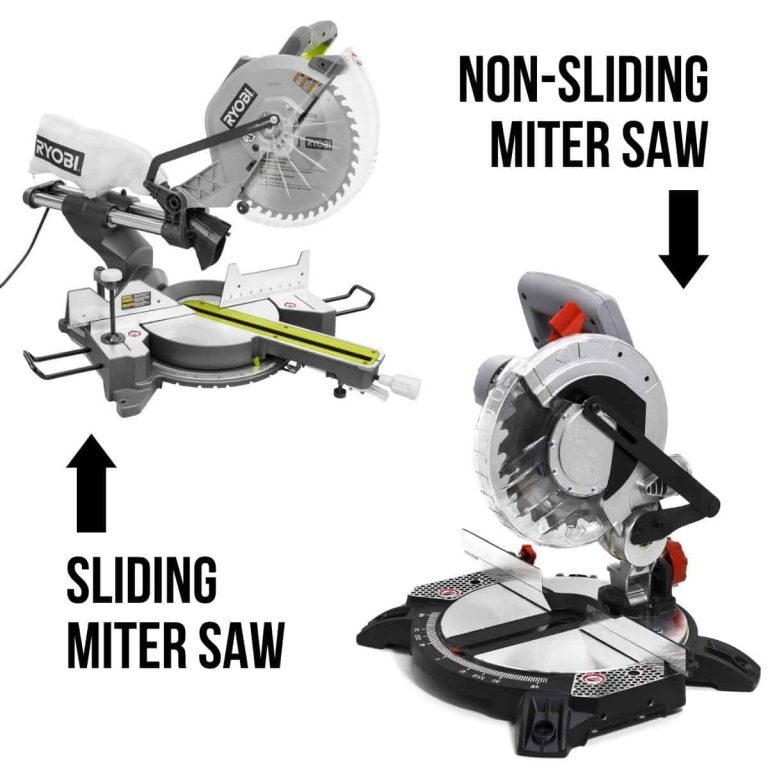
A 12-inch miter saw can cut boards up to 8 inches wide and 3. 5 inches thick. It handles various angles for precise cuts, ideal for standard 2×8 lumber. For wider boards, consider a sliding miter saw which extends the cutting capacity.
Always check the saw’s specifications for exact limits.
What Is The Best Miter Saw Size?
The best miter saw size depends on your project needs. 10-inch saws suit most tasks, offering precision and versatility. Opt for a 12-inch saw for cutting larger materials. Consider portability, cutting capacity, and power before choosing. Match the saw size with your work requirements for optimal performance and efficiency.
Conclusion
Choosing between a 12-inch and 10-inch miter saw depends on your needs. The 12-inch saw handles larger materials easily. It’s great for bigger projects. The 10-inch saw is lighter and more portable. Perfect for smaller tasks. Consider your workspace and project size when deciding.
Both saws offer accuracy and power. Think about the blade size you need. Also, consider your budget and storage space. Each saw has unique benefits. Make your choice based on your specific requirements. Either way, you’ll enhance your woodworking projects.