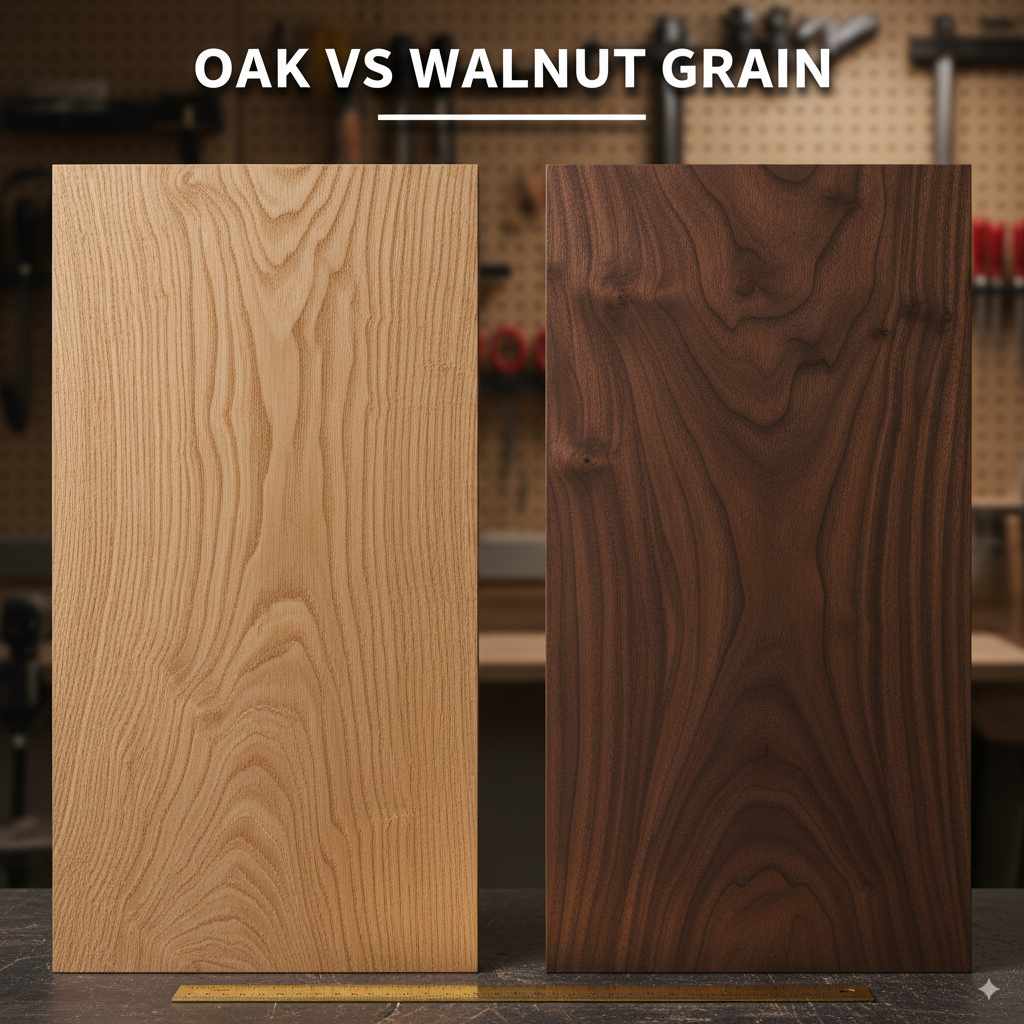
Oak Vs Walnut Grain: A Texture Showdown
When choosing the perfect wood for your furniture or flooring, the battle between oak and walnut is one that many face. You might find yourself standing in the lumber aisle or browsing online, wondering which grain will complement your style and meet your needs.
Both oak and walnut offer unique characteristics that can transform your space, but understanding their differences could be the key to making the right choice. Imagine walking into a room where the wood grain catches your eye, inviting you to explore its texture and warmth.
Would you prefer the bold and prominent patterns of oak, or the subtle elegance of walnut? Each has its own story to tell, and it’s your decision to make which one will narrate yours. As you dive into the world of wood grains, you’ll discover how they impact not just the look, but the feel and value of your home. This article will guide you through the subtle yet significant differences between oak and walnut grain, helping you choose the one that resonates with your personal taste and lifestyle. Stay tuned, because the perfect choice is just a scroll away!
Characteristics Of Oak Grain
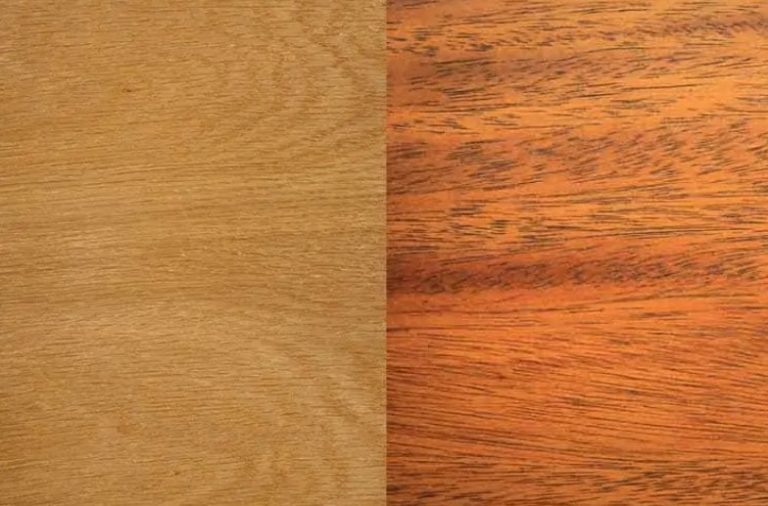
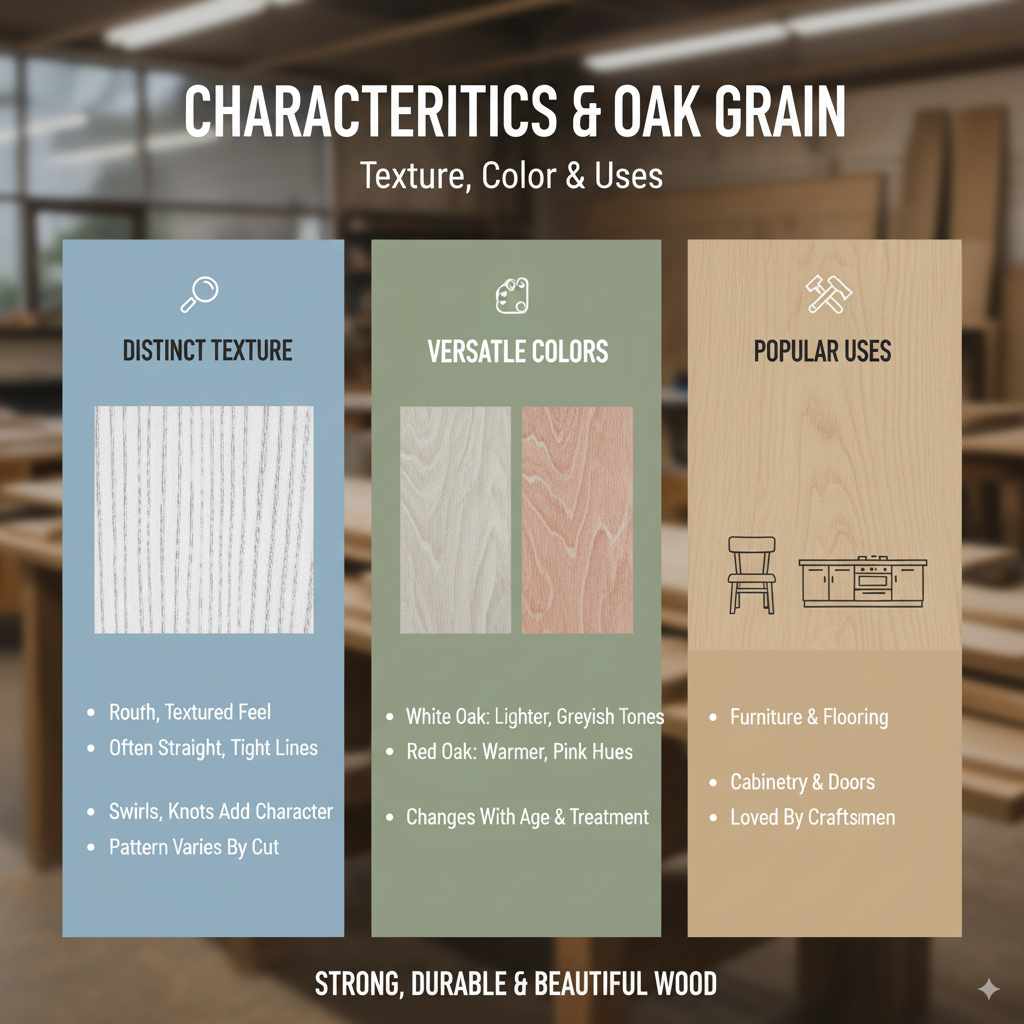
Oak grain is very distinct and has a rough feel. Its lines are often straight and tight, making it look neat. Some oak pieces have swirls or knots, adding character. The pattern can change depending on how the wood is cut. This gives oak a unique look.
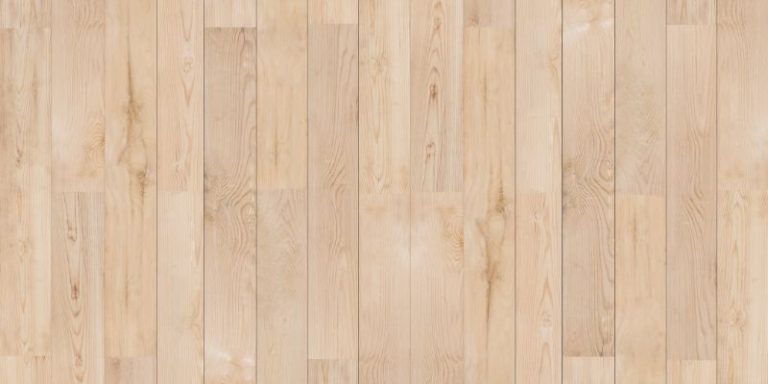
Oak wood comes in many colors. White oak is lighter and greyish. Red oak is warmer with pink tones. Color can change with age and treatment. This makes oak a versatile choice for furniture.
Oak is used in furniture and flooring. It is strong and lasts long. Oak is also used in cabinetry and doors. Craftsmen love it for its beauty and strength. It fits well in homes and offices.
Attributes Of Walnut Grain
Walnut grain has a unique and distinct texture. The surface feels smooth yet lively. Fine, intricate lines create patterns on the wood. These patterns are charming and artistic. Each piece looks one-of-a-kind.
The color of walnut grain varies. It ranges from light brown to dark chocolate. Rich tones give warmth and depth. Walnut’s color often changes with age. Natural oils enhance its beauty. This makes walnut grain a favorite choice.
- Furniture making often uses walnut grain.
- Wood panels add elegance to homes.
- Instrument makers favor walnut for its sound quality.
- Decorative items showcase walnut’s beauty.
Comparing Oak And Walnut Grain
Oak has a coarse grain. It often shows wavy patterns. Walnut has a fine grain. The grain is more consistent and smooth. Oak comes in light shades. Walnut is generally darker. Both woods offer unique visual appeal.
Oak is known for its strength. It is very hard and durable. Walnut is also strong. It is slightly softer than oak. Both woods are long-lasting. They resist wear and tear. Each is good for heavy use.
Oak is ideal for flooring and furniture. It suits rustic designs. Walnut is perfect for cabinets and decorative pieces. It fits modern styles. Both can be polished. They add beauty to any project. Choose based on personal taste and project needs.
Influence On Interior Design
Oak grain is often more visible and bold. It gives a rustic look. This makes spaces feel warm and cozy. On the other hand, walnut grain is smoother and more subtle. It provides a sleek and modern style. Both grains can add beauty to rooms.
Different styles suit different grains. For traditional spaces, oak is a popular choice. Its strong grain matches classic furniture. For contemporary designs, walnut fits well. Its smooth texture complements modern decor. Choosing the right grain enhances the room’s style.
Grain type affects how a room feels. Oak can make a space feel inviting. It brings warmth and comfort. Walnut often adds elegance. It creates a calm and stylish ambiance. Consider the mood you want when choosing the grain.
Maintenance And Care
Dust often. Use a soft cloth. Avoid harsh cleaners. Mild soap works best. Add a few drops of water. Wipe gently. Dry with a clean cloth. Avoid wet spots. They can damage the wood. Keep surfaces dry. Use coasters for drinks. This prevents rings.
Polish regularly. Use wood polish. This keeps the shine. Apply oil every few months. It nourishes the wood. Keep away from direct sunlight. Sun fades colors. Maintain humidity. Use a humidifier. Dry air cracks wood. Protect edges. Use felt pads.
Fix scratches with wax. Fill gaps with wood filler. Use a matching color. Sand lightly to smooth surfaces. Apply varnish for protection. This adds a glossy finish. Seek experts for big repairs. They know best. Check for loose joints. Tighten them.
Environmental Considerations
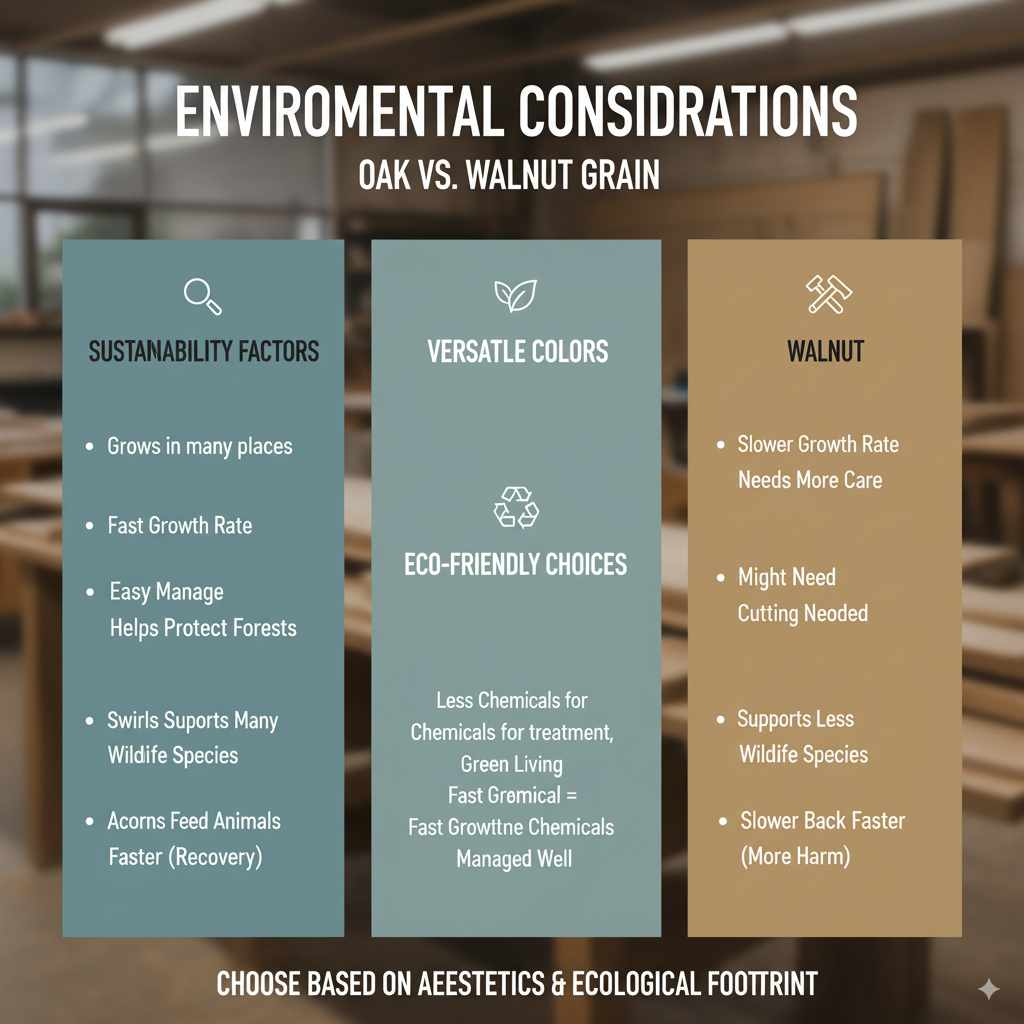
Comparing oak and walnut grain impacts environmental choices. Oak’s grain is versatile and sourced sustainably, while walnut offers rich hues but can be less eco-friendly. Choosing between them depends on aesthetic preferences and ecological footprint.
Sustainability Factors
Oak and walnut differ in sustainability. Oak grows in many places. It grows fast and is easy to manage. Walnut grows slower and needs more care. Choosing oak can help protect forests. Using walnut needs more attention to how trees are cut.
Eco-friendly Choices
Eco-friendly choices involve using less harmful methods. Oak often needs less chemicals for treatment. Walnut might need more care and chemicals. Oak’s fast growth makes it a better choice for green living. Both woods can be used in eco-friendly ways if managed well.
Impact On Ecosystems
Oak supports many wildlife species. Its acorns feed animals. Walnut also supports wildlife but less than oak. Cutting trees affects ecosystems. Oak trees grow back faster, helping the ecosystem recover. Using walnut can harm the ecosystem more because it grows slower.
Frequently Asked Questions
How Do You Identify Walnut Wood Grain?
Identify walnut wood grain by its rich, dark brown color and straight, open grain patterns. Look for occasional waves or curls. Walnut wood often exhibits a smooth texture with a lustrous finish. The grain may have lighter or darker streaks, adding to its distinctive appearance.
How To Identify Oak Wood Grain?
Oak wood grain features distinct, prominent patterns with straight lines and visible knots. It typically has a coarse texture. The grain can appear in light to medium brown tones. Oak grain often displays ray flecks, giving it a unique and appealing appearance.
Recognize oak by its durability and classic look.
Is Walnut Or Oak Better For A Table?
Walnut offers rich color and smooth grain, ideal for elegant tables. Oak is durable and versatile, perfect for rustic styles. Choose walnut for sophisticated interiors; pick oak for strength and traditional aesthetics. Both woods are excellent choices depending on your design preference and durability needs.
Is Walnut Denser Than Oak?
Walnut is generally denser than oak. Walnut typically has a density around 640 kg/m³, while oak is around 600 kg/m³. This makes walnut heavier and harder than oak, which can affect its use in furniture and flooring. Always check specific wood samples for exact density as variations exist.
Conclusion
Oak and walnut grains offer unique beauty and charm. Each wood type brings its own texture and warmth to your space. Oak is lighter, with a more uniform look. Walnut boasts rich, dark tones with striking patterns. Both are excellent choices for furniture or flooring.
Consider your style and home decor needs. Think about maintenance and durability as well. Whether you prefer the boldness of walnut or the subtlety of oak, both will enhance your home’s elegance. Choose what resonates with your personal taste. Enjoy the timeless appeal of natural wood grains.