Orbital Sander Vs Sheet Sander: Ultimate Comparison Guide
Are you on the hunt for the perfect sander to tackle your next DIY project? Choosing between an orbital sander and a sheet sander can be a daunting task.
Each tool has its unique strengths, and picking the right one can make all the difference in the outcome of your work. Imagine effortlessly smoothing out surfaces with ease, achieving that flawless finish you’ve always dreamed of. In this guide, we’ll break down the key differences, advantages, and potential drawbacks of each type of sander.
By the end, you’ll have a clear understanding of which tool will best suit your needs and help you achieve professional results, even if you’re just starting out. Dive in and discover which sander will become your trusty sidekick in your upcoming projects.
Understanding Orbital Sanders
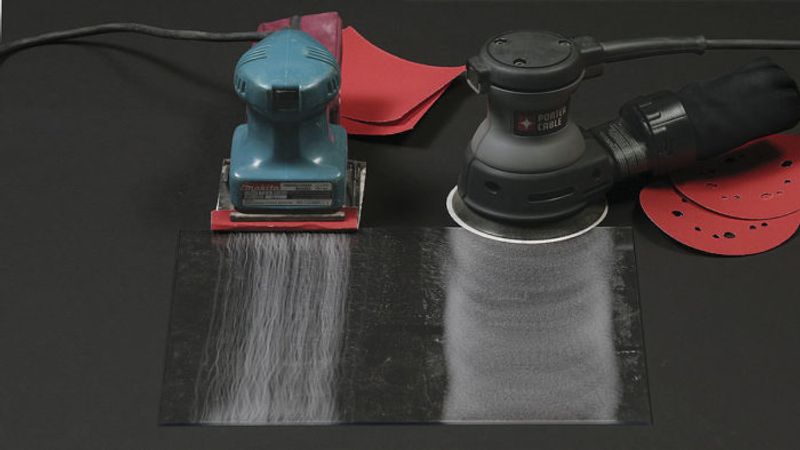
Orbital sanders are known for their smooth finish. They move in small circles. This helps to remove wood evenly. Dust collection is a key feature. It keeps the workspace clean. Most orbital sanders are lightweight. This makes them easy to handle. They also have variable speed control. You can adjust the speed for different tasks.
There are two main types of orbital sanders. Random orbital sanders and palm sanders. Random orbital sanders move in circles and spin. This gives a smooth finish. Palm sanders are smaller. They fit in your hand. They are good for small projects. Both types are easy to use.
| Pros | Cons |
|---|---|
| Easy to use | Can leave swirl marks |
| Lightweight | Not for heavy sanding |
| Variable speed | Can be noisy |
:max_bytes(150000):strip_icc()/102152229-8ba187db6fe949d49d53fe99c409b2ac.jpg)
Credit: www.woodmagazine.com
Exploring Sheet Sanders
Sheet sanders are known for their flat, square pad. They use sandpaper sheets. These sanders are great for getting into corners. The orbital motion helps in smooth finishes. Many sheet sanders come with a dust collection bag. This keeps your work area clean. They are mostly used for fine sanding jobs.
Sheet sanders come in different sizes. The quarter-sheet sander is popular. It uses a quarter of a standard sandpaper sheet. There is also the half-sheet sander. This one is bigger and covers more area. People choose based on project size. Both types are easy to handle.
Sheet sanders have several pros. They are lightweight and easy to use. They provide a smooth finish on wood. They are also cost-effective. But there are some cons too. They can be noisy. They also don’t remove a lot of material. This makes them less suitable for heavy-duty work.
Performance And Efficiency
Material Removal Rateis important when choosing a sander. Orbital sanders are fast. They remove material quickly. Sheet sanders are slower. They take more time. This is good for delicate projects. Choose wisely for your needs.
Surface Finish Qualityis crucial for smooth results. Orbital sanders can leave swirl marks. Sheet sanders create even finishes. They are better for fine work. Think about the finish you want.
Dust Collection Capabilitieskeep your work area clean. Orbital sanders have good dust systems. They collect dust well. Sheet sanders may have less efficient dust collection. This can mean more cleanup. Consider dust collection when choosing.
Credit: www.finehomebuilding.com
Ease Of Use And Handling
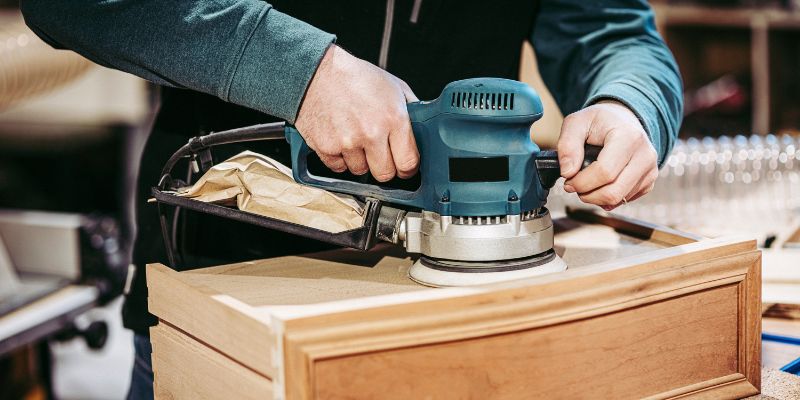
Orbital sanders are usually lighterthan sheet sanders. This makes them easier to hold for a long time. Their lightness helps in moving them around. Sheet sanders can be heavierand harder to move. They need more strength to use for a while.
A good grip is important for both sanders. Orbital sanders often have a better gripdesign. This makes them more comfortable to hold. Sheet sanders might feel less comfyin your hand. A soft handle can help in reducing hand strain.
Orbital sanders offer more controlfor detailed work. They can sand in small areas without trouble. Sheet sanders cover larger areas but might lack precision. This makes them less ideal for fine details.
Applications And Suitability
Orbital sanders are great for smooth finishes. They work well on large surfaces. Furniture and table tops look better after using them. They help in removing old paint. Great for prepping wood for painting. Easy to use on soft wood. They make round edges smooth. Also, they are suitable for small sanding jobs. They are not too heavy. Very handy for DIY projects. Ideal for those who like quick jobs.
Sheet sanders are best for flat surfaces. Perfect for doors and cabinets. They work on fine details. Great for finishing touches. They help in smoothing sharp corners. Easy to use on small panels. Suitable for light sanding tasks. They can sand into corners. Not too noisy. Handy for small repairs. Great for craft projects.
Cost And Value Considerations
Orbital sanders often cost more than sheet sanders. A typical orbital sander can range from $50 to $200. Sheet sanders are usually cheaper, ranging from $30 to $100. The difference in price is due to the tools’ features and performance. Orbital sanders offer better control and finish.
Orbital sanders may last longer and give smoother results. They are often seen as a better long-term investment. Sheet sanders may wear out faster, especially with heavy use. Choosing the right sander depends on the project’s needs. Spending a bit more now can save money later.
Safety Tips And Maintenance
Ensure safety by wearing protective gear when using orbital or sheet sanders. Regularly check and clean the sanders for optimal performance. Securely fasten sandpaper and maintain a firm grip to avoid accidents.
Proper Usage Techniques
Always wear safety goggles to protect your eyes. Ear protection is important too. Keep the workspace clean and free from clutter. Ensure both sanders are turned off before plugging them in. Check the sander’s power cord for any damage. Secure the workpiece firmly to prevent movement. Hold the sander with both hands for better control. Do not apply excessive pressure; let the sander do the work. Start with a gentle motion and increase speed gradually. Inspect the sanding surface regularly for any wear or tear.
Regular Maintenance Practices
Clean the sander after every use. Remove dust and debris from the surface. Check the sanding pad for any damage. Replace worn-out pads immediately. Lubricate moving parts regularly to prevent rust. Store the sander in a dry, safe place. Keep the sander away from water and moisture. Inspect electrical parts for signs of wear. Tighten any loose screws or bolts. Follow the manufacturer’s guidelines for maintenance.

Credit: www.heamar.co.uk
Choosing The Right Sander
Some projects need a smooth finish. Others require removing lots of material. Orbital sanders are great for finishing. They make surfaces shiny. They are easy to control. Sheet sanders work well for flat surfaces. They remove material fast. They are good for big projects. Decide what your project needs. This helps choose the right tool.
Think about the size of your project. Big projects need powerful sanders. Small projects need precise tools. Check the budget. Orbital sanders can be more expensive. Sheet sanders are often cheaper. Consider the noise level. Some sanders are loud. Others are quiet. Safety is also important. Always wear goggles and gloves when sanding. These factors help choose the best sander.
Frequently Asked Questions
Is A Sheet Sander Better Than An Orbital Sander?
A sheet sander is ideal for flat surfaces and corners. An orbital sander provides faster material removal and smoother finishes. Choose based on your project’s needs. Both have unique strengths, but neither is universally better.
Is An Orbital Or Sheet Sander Better For Walls?
Orbital sanders are ideal for walls due to their smooth, circular motion, preventing gouges. Sheet sanders can leave scratches, making them less suitable. Choose orbital sanders for a flawless wall finish.
Which Is Better, An Orbital Sander Or A Detail Sander?
An orbital sander is ideal for larger surfaces and general sanding tasks. A detail sander excels in tight spaces and intricate work. Choose based on your project’s requirements. Both tools have their unique advantages, so selecting the right one depends on your specific needs.
What Is A Sheet Finishing Sander Used For?
A sheet finishing sander smooths and polishes wood surfaces. It uses a flat sanding pad for fine finishing. Ideal for preparing surfaces before painting or varnishing, it removes minor imperfections. Perfect for detailed work on furniture and cabinetry, it ensures a clean, even finish.
Conclusion
Choosing between an orbital sander and a sheet sander depends on your needs. Orbital sanders are great for smooth finishes. Sheet sanders work well for detailed work and corners. Consider the type of project you have. Also, think about the material you’re sanding.
Each tool offers unique benefits. Both can help achieve a polished look. Always prioritize safety and comfort. Try both to see which suits you best. Investing in the right sander can improve your woodworking. Happy sanding!