Paint Bubbles While Rolling: Air, Moisture, or Recoat Failure?
Small bubbles that appear while you are actively rolling paint onto a wall are usually air getting trapped in the wet film, not moisture pushing up from underneath the way it does with older blistered paint. The cause is almost always rolling technique, roller quality, surface temperature, or recoating before the previous coat finished curing. This guide covers each one and how to correct it.
Rolling too fast or with too much pressure
Fast, heavy roller strokes whip air into the wet paint film the same way beating a liquid introduces foam, and that trapped air shows up as tiny bubbles across the rolled surface as it starts to skin over. Rolling more slowly with light, even pressure, and finishing each section with a few smooth unloaded strokes to level the film, lets most of that air escape before the surface sets.
Roller nap length and quality
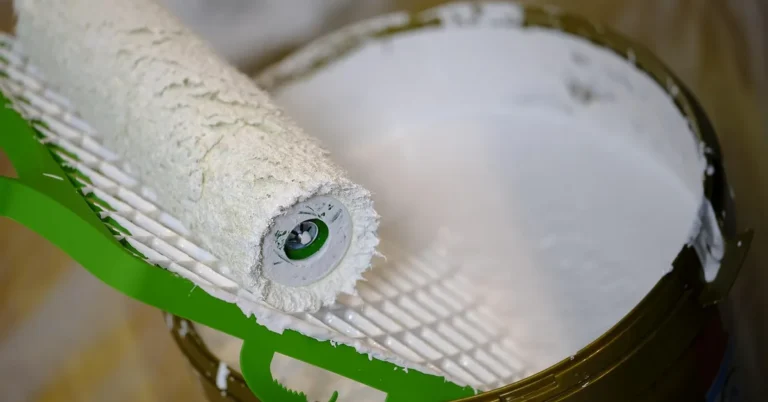
A nap that is too thick for a smooth wall holds more paint and works more air into it than needed, while a cheap roller cover with loosely bonded fibers can shed lint or trap air pockets within its own pile that transfer into the wall. A 3/8 inch nap is the standard choice for smooth interior drywall, with thicker naps reserved for textured surfaces like stucco or heavily textured ceilings. A mid-range or better quality woven or knit roller cover holds paint more evenly and releases it more smoothly than the cheapest foam or thin-pile covers.
Painting in direct sun or on a warm surface
Paint applied to a warm wall, whether from direct sunlight through a window or a room running hot, begins forming a surface skin before the air worked into the film during rolling has a chance to rise out and pop. That trapped air then shows as bubbles once the surface has fully skinned over. Painting in the cooler, more humid part of the day, or at least out of direct sun and away from heat vents, gives the film more time to level and release trapped air before it sets.
Recoating before the first coat has cured
Every paint can lists a recoat time, and it is a minimum, not a suggestion. Rolling a second coat over a first coat that has only dried to the touch but not fully cured underneath can trap solvent or moisture vapor from that first coat, which then pushes up through the wet second coat as it dries and shows as bubbling. High humidity in the room slows curing time beyond what the can’s stated time assumes, so on humid days it is worth waiting longer than the label suggests, or improving airflow with a fan.
An unprimed or dusty surface
Bare drywall is porous and can pull air and moisture from the paint unevenly if it is not primed first, and even a light layer of sanding dust left on the wall creates tiny pockets that trap air as the roller passes over them. Vacuuming or wiping the wall with a tack cloth before painting, and always priming bare or repaired drywall, gives the paint a consistent surface to bond to rather than one riddled with microscopic obstructions. A brush used for cutting in edges before rolling, discussed further in this guide on painting with a brush without leaving brush marks, should also be fully dry before the roller passes over that area, since wet brush lines under fresh roller paint can trap air differently than the surrounding wall.
Frequently Asked Questions
Should I pop bubbles while the paint is still wet?
If you catch them within the first minute or two while the surface is still fully wet, a very light pass with a nearly dry roller can sometimes smooth them out. Once the surface starts to skin over, popping a bubble usually leaves a small crater or textured spot that needs sanding and a touch-up coat.
Does the type of paint affect how likely it is to bubble?
Thicker, higher-build paints and some low-VOC formulas that skin over faster can be somewhat more prone to trapping air than thinner, fast-leveling paints. Following the manufacturer’s stated application temperature and recoat guidance matters more than the general paint category.
How do I fix bubbles that already dried into the wall?
Sand the dried bubble flat or scrape it off if it lifts easily, spot prime the bare area if you sanded through to drywall, and recoat once fully dry. Trying to paint directly over a dried bubble without sanding it first will telegraph the same defect through the new coat.
Sponsored / affiliate links. As an Amazon Associate I earn from qualifying purchases. I may earn additional commission from eligible campaigns.