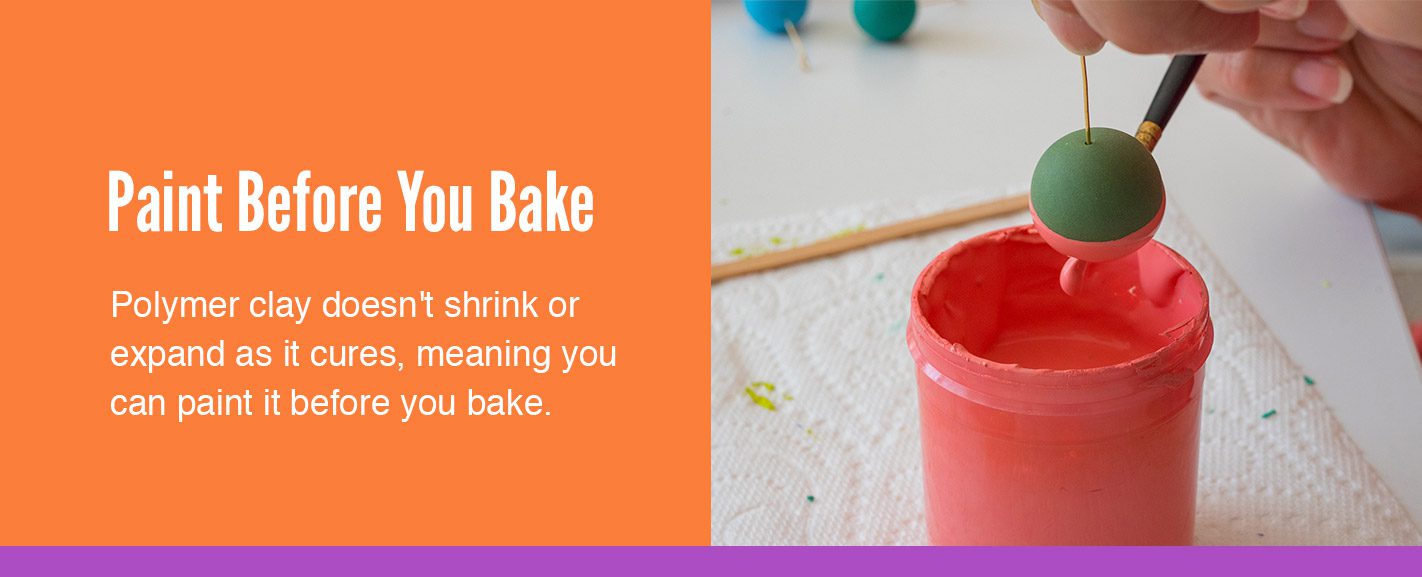
Painting Polymer Clay – Before Or After Baking?
Should you paint polymer clay before or after baking? The answer depends on the result you want.
Polymer clay is a versatile material for artists and crafters. It can be shaped into countless forms and colors. But the question of when to paint it can be tricky. Each method has its own pros and cons. Painting before baking allows the paint to blend smoothly with the clay.
This can create a cohesive look. On the other hand, painting after baking can give a different effect. It might make the colors pop more. In this blog post, we will explore both methods. This will help you decide which approach is best for your project.

Credit: thebluebottletree.com
Introduction To Painting Polymer Clay
Polymer clay is a type of modeling clay. It is made from a plastic base. This clay stays soft until baked in an oven. Many people use it for crafting. You can shape it into many things. Jewelry, figures, and beads are common.
People use polymer clay for many projects. Making jewelry is popular. Earrings, necklaces, and bracelets can be shaped. Small figures and sculptures are also common. Many enjoy creating beads and charms. Keychains and ornaments are easy to craft too.
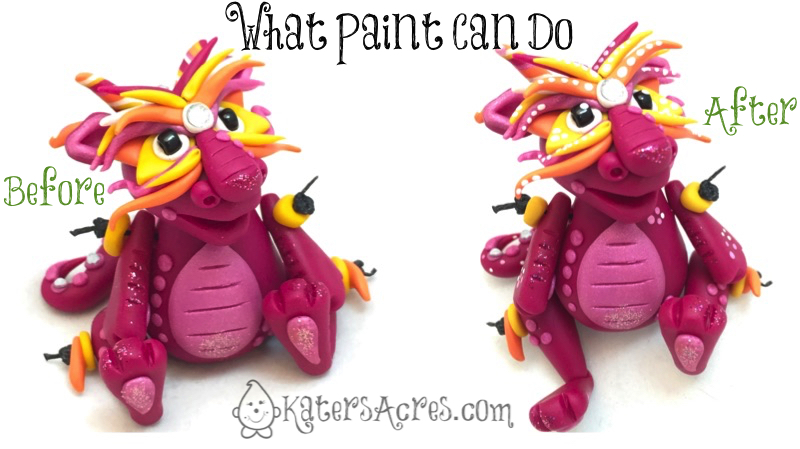
Credit: katersacres.com
Pros Of Painting Before Baking
Painting polymer clay before baking can make colors blend better. Wet paint mixes well with other colors. This can create smooth transitions. Your piece can look more polished. Paint can also soak into the clay a bit. This can give a deeper color. The final result can be more vibrant and rich.
Painting before baking can help protect your work. Wet paint can be fragile. It can chip or smear. Baking the clay after painting sets the paint. This makes the paint strong and lasting. Handling the piece becomes easier. You can avoid accidental damage. Your final piece can stay beautiful longer.
Cons Of Painting Before Baking
Paint can burn in the oven. This can change the color. It may also create unpleasant smells. Some paints are not safe for baking. This can be harmful.
Painting many layers can be hard. The paint may not stick well. It can peel off during baking. This can ruin your work.

Credit: thebluebottletree.com
Pros Of Painting After Baking
Painting after baking helps in avoiding heat damage to your polymer clay. The paint won’t burn or change color in the oven. Your hard work stays perfect. You can also apply multiple layers of paint without any trouble. The baked clay is solid and easier to handle. Each layer will stick well and dry properly. This makes your art look better and more vibrant.
Cons Of Painting After Baking
Painting after baking can cause problems. Paint might not stick well. The clay surface can be too smooth. This makes the paint slide off. Sometimes, paint can peel or chip. This happens when the clay is not prepped right. Using the wrong paint can also cause this. It is important to use paint made for polymer clay. This helps the paint stay on better.
Baked clay can have a rough texture. Painting on this can be hard. The paint might not cover evenly. The rough spots can show through the paint. This can make your project look messy. Sanding the clay helps. But, it takes extra time. Smooth clay is easier to paint. But, it can be hard to make it smooth.
Best Paints For Polymer Clay
Acrylic paints are great for polymer clay. They dry fast and come in many colors. You can mix them to get new shades. These paints are water-based. This means they are easy to clean up. Also, acrylic paints stick well to polymer clay. Make sure to use thin layers. Thick layers might crack when the clay is baked.
Oil-based paints are another option. They take longer to dry. This gives you more time to blend colors. These paints are very durable. They also add a shiny finish to your clay. Remember to use a sealer. This will protect your work from scratches. Oil-based paints need special cleaners. Regular water won’t work.
Tips For Successful Painting
Clean the clay surface before painting. Dust and oil can affect the paint. Use a damp cloth or alcohol wipe for cleaning. Let it dry completely. Sand the surface if it’s too shiny. This helps the paint stick better. Use fine-grit sandpaper for this.
Sealing protects the paint on polymer clay. Use a clear, glossy sealer. Make sure it is compatible with your paint. Apply the sealer in thin, even coats. Let each coat dry before adding another. This ensures the paint stays vibrant and lasts longer.
Common Mistakes To Avoid
Acrylic paint works best for polymer clay. Oil paints will never dry on the surface. Watercolors are not suitable as they don’t stick well. Using spray paint can create a sticky mess. Always pick acrylic for the best result.
Primer helps paint stick to the clay. Without it, paint peels off easily. A thin layer of primer creates a good base. This makes the paint last longer. Never skip this important step.
Frequently Asked Questions
How To Paint Polymer Clay Without Streaks?
Use a high-quality, soft brush to apply thin, even layers of acrylic paint. Allow each coat to dry fully.
Do You Paint Clay Before Or After Sealing?
Paint clay after sealing. Sealing first ensures a smoother surface and prevents paint from soaking into the clay.
Can You Use Sharpie On Polymer Clay Before Baking?
Yes, you can use a Sharpie on polymer clay before baking. The ink may darken during baking.
Do You Glaze Polymer Clay After Baking?
Yes, you can glaze polymer clay after baking. It adds a shiny finish and protects the surface. Use a compatible glaze specifically for polymer clay.
Conclusion
Deciding when to paint polymer clay depends on your project. Both methods have benefits. Painting before baking allows for easy blending. Painting after baking offers better precision and detail. Test each technique to see what works best. Your creative needs will guide you.
Happy crafting!