Pendant Light for Round Dining Table: Essential Brilliance
Quick Summary:
Choosing the right pendant light for your round dining table is key to creating a warm, inviting atmosphere. Focus on size, style, and placement to ensure your pendant complements your table and room, providing both functional illumination and aesthetic appeal.
Selecting the perfect pendant light for a round dining table can feel a bit tricky. You want something that looks great, lights up your meals just right, and fits the overall vibe of your dining space. It’s easy to get overwhelmed by all the choices! But don’t worry, with a few simple tips, you can find a pendant that’s not just a light fixture, but a beautiful centerpiece. We’ll walk through everything you need to know, from picking the right size to hanging it like a pro. Let’s brighten up your dining room!
Why Pendant Lights Shine for Round Dining Tables
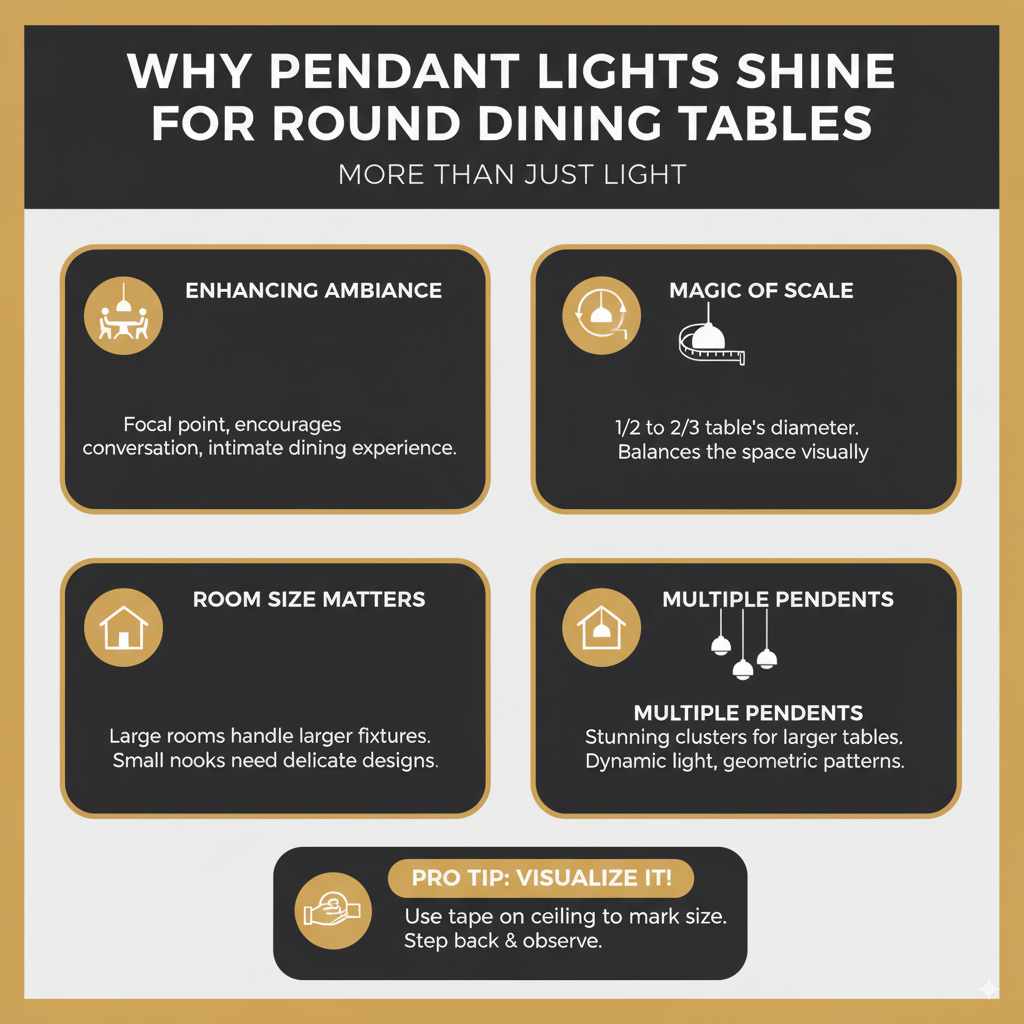
Round dining tables have a wonderful way of bringing people together. They encourage conversation and create a more intimate dining experience. A pendant light hung above a round table is the perfect way to enhance this feeling. It acts as a natural focal point, drawing attention to the table and the people gathered around it. Unlike a large chandelier that might feel overwhelming, a well-chosen pendant offers focused light and a stylish accent without dominating the space. It’s about creating harmony and a sense of elegant balance.
The Magic of Scale: Finding the Right Size Pendant
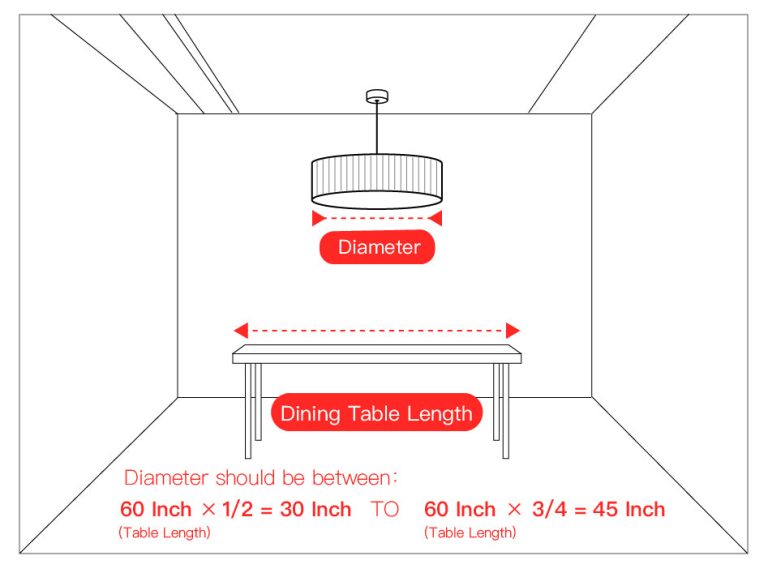
One of the most crucial aspects of choosing a pendant light for your round dining table is getting the size right. A pendant that’s too big can make the space feel cramped, while one that’s too small might get lost and not provide enough light. The goal is to create a visually appealing proportion.
Rule of Thumb for Diameter:
A common guideline is to aim for a pendant or a cluster of pendants whose combined diameter is about one-half to two-thirds the diameter of your dining table. For example, if your round table is 48 inches in diameter, a pendant with a diameter of 24 to 32 inches would likely be a good starting point. However, this is just a guideline, and the overall visual weight and style of the fixture also play a role.
Consider the Room Size:
Don’t forget the room itself! A large, airy room can handle a slightly larger or more visually substantial pendant. In a smaller dining nook, a more delicate or minimalist pendant might be a better choice to avoid making the space feel crowded. Think about how the light fixture will look in relation to your furniture and the overall dimensions of the room.
What About Multiple Pendants?
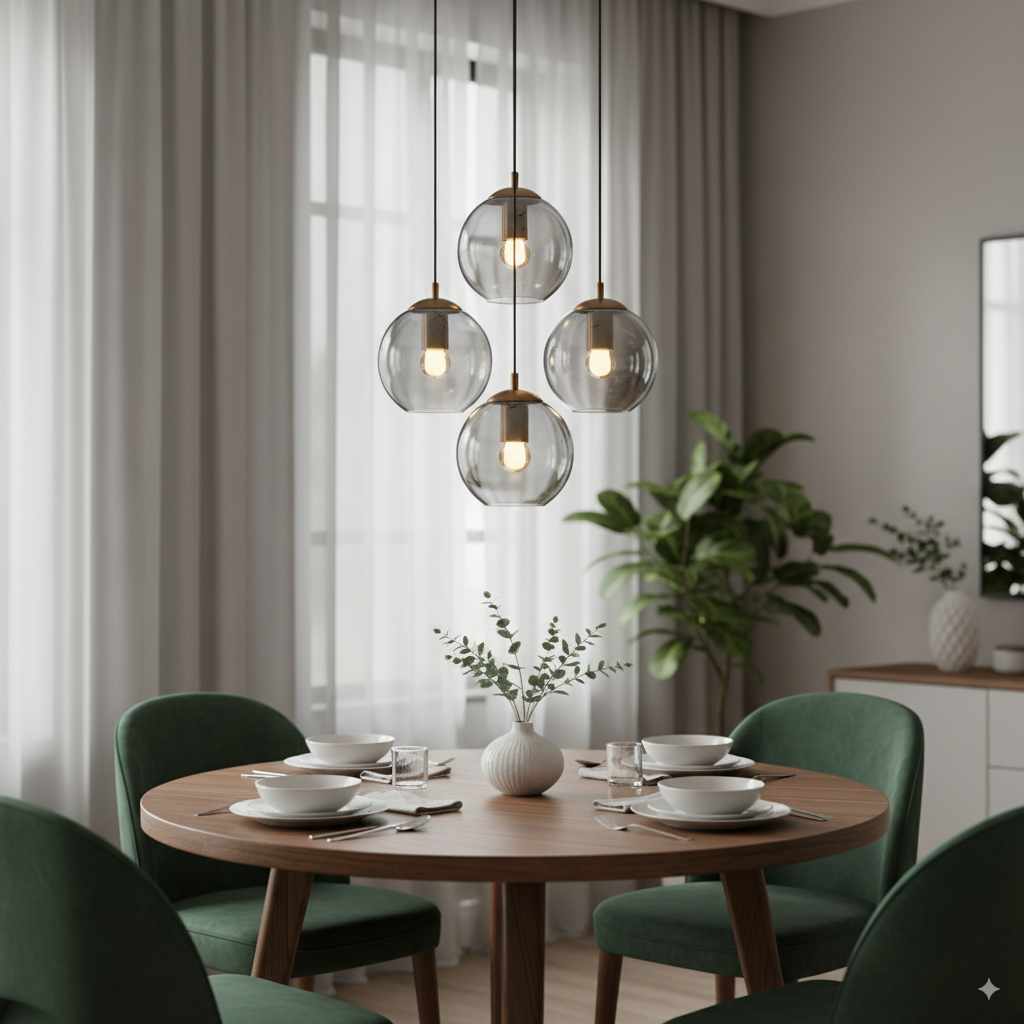
For round tables, especially larger ones, a cluster of three smaller pendants can be a stunning option. This arrangement can offer more dynamic lighting and visual interest. When using multiple pendants, arrange them in a pleasing geometric pattern over the center of the table. You can hang them at the same height or vary the heights slightly for a more artistic look. The key is to ensure they are centered over the table’s midpoint.
Remember, these are starting points. It’s always a good idea to measure your table and your space, and perhaps even use masking tape to mark out the potential size of a fixture on your ceiling to get a better feel for it.
Hanging Height: The Sweet Spot for Illumination and Aesthetics
The height at which you hang your pendant light is just as important as its size. Proper hanging height ensures that the light effectively illuminates your dining surface without being a head-bumping hazard or creating glare.
General Guidelines for Pendant Height:
- Over the Table: The bottom of the pendant should typically hang 30 to 36 inches above the dining table surface. This range allows for comfortable conversation without obstruction and ensures adequate task lighting for dining.
- Clearance: Make sure there’s enough clearance. You don’t want someone standing up suddenly to hit their head. If you have very tall family members or frequently host guests, err on the side of slightly higher.
- Visual Balance: The height also affects the visual balance. A pendant hung too high can feel disconnected from the table, while one hung too low can feel oppressive.
Adjusting for Different Ceiling Heights:
Ceiling height plays a significant role. In rooms with standard 8-foot ceilings, the 30-36 inch rule is usually perfect. For higher ceilings, you might need to hang the pendant a bit lower to bring the light down to a more intimate level over the table. Conversely, if you have very low ceilings, you might need to hang it slightly higher, perhaps closer to 36 inches, to maintain adequate headroom.
Consider the Light Source:
If your pendant has a very bright, exposed bulb, you might want to hang it slightly higher to diffuse the light and prevent glare. For pendants with shades that direct light downwards, you can often hang them a bit lower, as the shade will control the light’s intensity and direction.
When in doubt, it’s always best to consult the manufacturer’s recommendations for your specific fixture. Many pendant lights come with adjustable cords or chains, allowing for flexibility in achieving the perfect height.
Choosing the Right Style: Complementing Your Decor
The style of your pendant light should harmonize with your existing dining room decor. Whether your style is modern, farmhouse, traditional, or eclectic, there’s a pendant out there that will fit beautifully.
Modern & Contemporary:
Look for clean lines, geometric shapes, and materials like metal, glass, or acrylic. Simple dome pendants, linear fixtures, or minimalist globe lights work well. These styles often feature brushed nickel, matte black, or chrome finishes.
Farmhouse & Rustic:
Consider pendants with natural materials, distressed finishes, or vintage-inspired designs. Think wood accents, woven textures, or metal cages. Mason jar pendants or barn-style fixtures can add a charming touch.
Traditional & Classic:
Opt for elegant designs with intricate details, perhaps featuring crystal, brass, or dark wood. Drum shades, tiered designs, or even smaller, scaled-down versions of chandeliers can fit this aesthetic.
Industrial:
Industrial styles often incorporate exposed bulbs, metal finishes (like oil-rubbed bronze or black iron), and utilitarian designs. Think metal shades, wire cages, or pulley systems.
Eclectic & Bohemian:
This is where you can have fun! Consider unique materials, vibrant colors, or unconventional shapes. Hand-blown glass, macrame shades, or even a collection of mismatched vintage pendants can create a unique statement.
Material Matters:
The material of your pendant can significantly impact the look and feel of your dining area. Metal offers a sleek, modern, or industrial feel. Glass can provide a delicate, airy, or luxurious touch depending on its finish. Wood adds warmth and a natural element. Fabric shades offer softer, diffused light and can lean towards traditional or contemporary styles.
Pro Tip: If you’re unsure, a simple, neutral-colored pendant with a classic shape is often a safe and stylish bet. It can adapt to changing decor trends more easily.
Types of Pendant Lights for Round Dining Tables
When you’re browsing for that perfect pendant, you’ll notice a few common types that work exceptionally well with round dining tables. Understanding these can help narrow down your search.
Single Pendant:
This is the most straightforward option. A single, well-chosen pendant hung directly over the center of the table. It’s ideal for smaller to medium-sized round tables and can make a bold statement if the fixture itself is eye-catching. Think of a large, sculptural pendant or a sleek, modern globe.
Pendant Clusters:
A group of two or three (or sometimes more) smaller pendants hung at varying or the same heights. This is a fantastic choice for larger round tables, as it provides more balanced illumination and visual interest. You can create a symmetrical arrangement or a more free-form, artistic cluster.
Linear Pendants:
While often associated with rectangular tables, a linear pendant can also work beautifully over a round table, especially if it’s a shorter, more compact design. It can add a modern edge and draw the eye across the table. Ensure the length of the linear fixture is proportional to the table’s diameter; it shouldn’t extend much beyond the table’s edges.
Multi-Light Pendants:
These fixtures have a single canopy that supports multiple lights on individual arms or stems. They offer a cohesive look and can provide excellent coverage for a round table. They are a good alternative to clusters if you prefer a more unified fixture.
Installation: Safety First, Always!
Installing a pendant light involves working with electricity, so safety is paramount. If you’re not comfortable with electrical work, it’s always best to hire a qualified electrician. However, if you have some DIY experience and are confident, here’s a general overview of the process. Always refer to your specific fixture’s installation manual.
Tools You’ll Likely Need:
- Screwdriver set (Phillips and flathead)
- Wire strippers/cutters
- Pliers
- Voltage tester (essential for checking if power is off)
- Ladder
- Safety glasses
- Drill (if new mounting hardware is needed)
- Electrical tape
- Wire nuts
Step-by-Step Installation Guide (General):
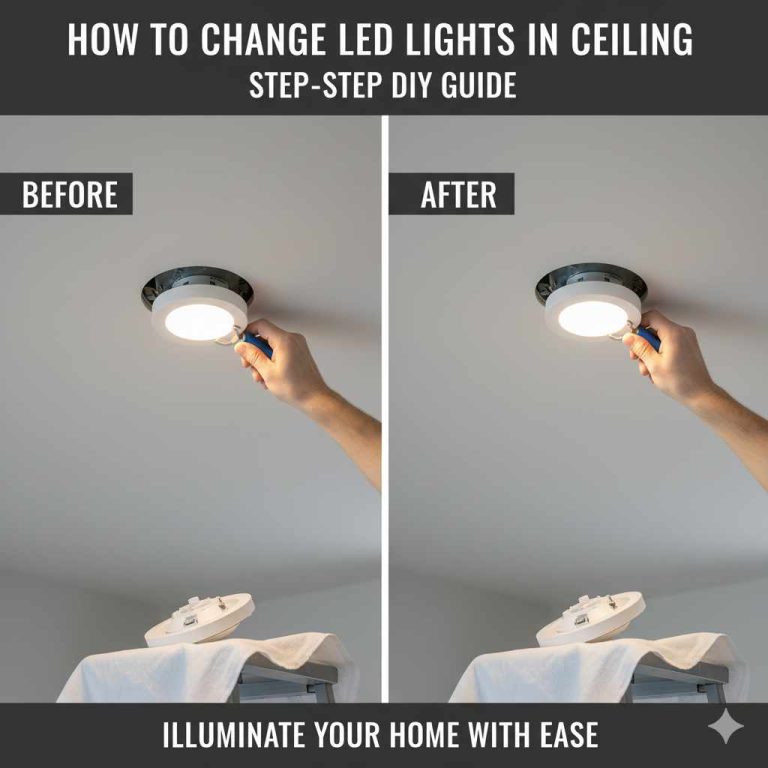
- Turn Off Power: This is the MOST important step. Go to your electrical panel and turn off the circuit breaker that controls the light fixture you’re replacing or installing. Use a voltage tester to confirm there is no power at the ceiling box.
- Remove Old Fixture (if applicable): Carefully detach the old light fixture. You’ll typically unscrew a canopy to expose the wiring. Note how the wires are connected (black to black, white to white, ground to ground).
- Prepare the Mounting Bracket: Most new fixtures come with a mounting bracket that attaches to the electrical box in the ceiling. Secure this bracket according to the manufacturer’s instructions.
-
Wire the New Fixture:
- Connect the ground wire (usually green or bare copper) from the fixture to the ground wire in the ceiling box.
- Connect the neutral wire (usually white) from the fixture to the neutral wire in the ceiling box.
- Connect the hot wire (usually black or red) from the fixture to the hot wire in the ceiling box.
Use wire nuts to secure these connections. Ensure the connections are snug. For added security, you can wrap the wire nuts with electrical tape.
- Mount the Fixture: Carefully tuck the wires up into the electrical box. Attach the new pendant light’s canopy to the mounting bracket, securing it with screws or a decorative nut.
- Install Light Bulbs: Screw in the appropriate light bulbs, ensuring they don’t exceed the fixture’s wattage recommendations.
- Restore Power and Test: Turn the circuit breaker back on. Test the new pendant light to ensure it works correctly.
Important Note on Ceiling Boxes: Ensure the electrical box in your ceiling is rated for hanging light fixtures. If you’re installing a heavy pendant, you might need a box specifically designed for ceiling fan or light fixture support. Check out resources like This Old House for guidance on secure mounting.
Factors to Consider for a Well-Lit Dining Experience
Beyond size and style, several other factors contribute to making your pendant light a brilliant addition to your round dining table.
Light Quality and Brightness:
Consider the type of light you want. Do you prefer warm, cozy lighting for intimate dinners, or brighter, more functional light for everyday meals and tasks? The type of bulb you choose (incandescent, LED, halogen) will significantly impact the light’s warmth (measured in Kelvin) and brightness (measured in Lumens).
- Warm White (2700K-3000K): Creates a cozy, inviting atmosphere, ideal for dining rooms.
- Cool White (3500K-4100K): Brighter and more energizing, can be good for task lighting but might feel too stark for a dining room.
- Daylight (5000K+): Mimics natural daylight, generally too harsh for dining areas.
Dimmability:
A dimmable pendant light is a game-changer for a dining room. It allows you to adjust the ambiance from bright and functional for homework or crafts to soft and romantic for dinner parties. Ensure both your pendant fixture and your light bulbs are compatible with a dimmer switch.
Material and Maintenance:
Think about how easy the fixture will be to clean. Glass and metal can usually be wiped down, while fabric shades might require more delicate cleaning. Consider the finish as well; some finishes show fingerprints more readily than others.
Energy Efficiency:
Opting for LED bulbs is a great way to save energy and reduce your electricity bills. LEDs are also long-lasting, meaning you won’t have to change bulbs as often.
Your Personal Style:
Ultimately, the best pendant light is one that you love and that reflects your personal taste. Don’t be afraid to choose something that makes a statement!
Troubleshooting Common Pendant Light Issues
Even with careful planning, you might run into a few hiccups. Here are some common issues and how to address them.
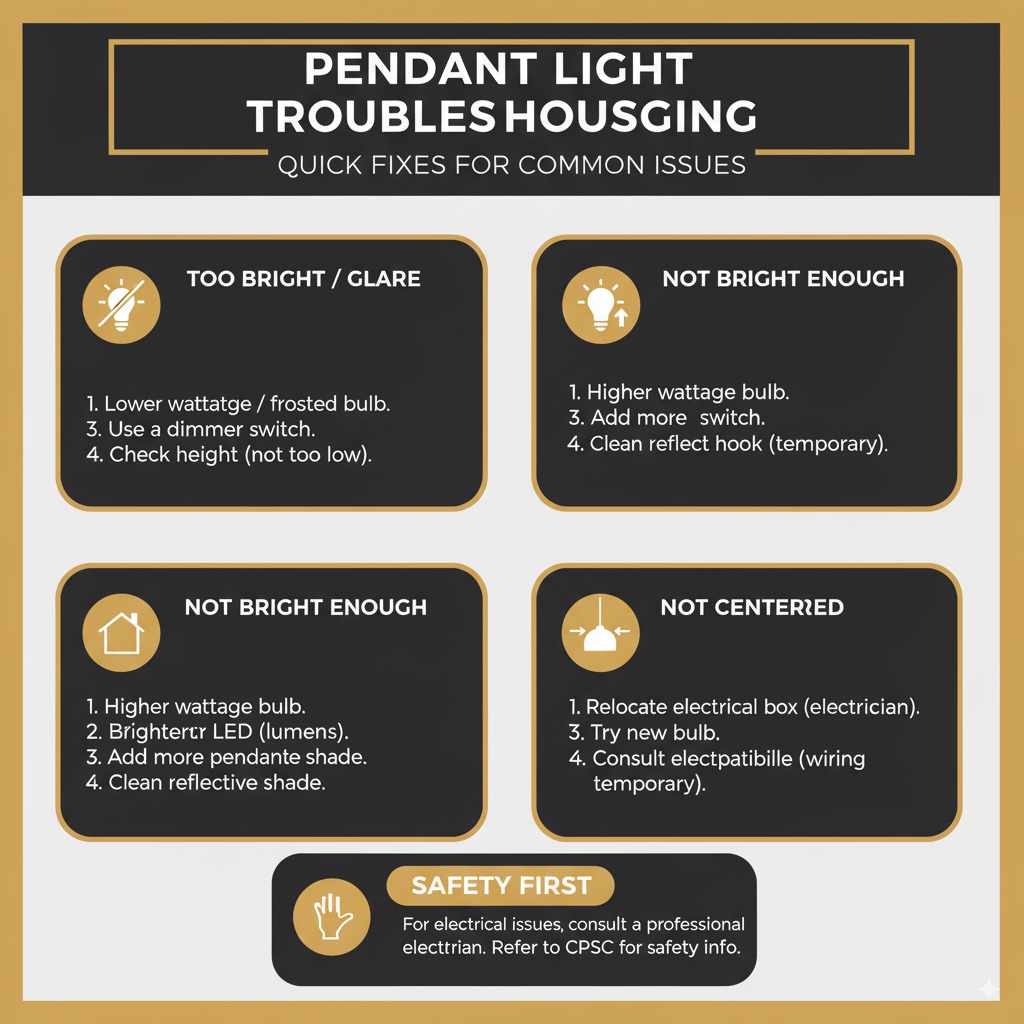
Issue: Light is too bright or causes glare.
Solution:
- Replace the bulb with a lower wattage or a frosted bulb.
- If the fixture allows, use a dimmer switch to control brightness.
- Consider a pendant with a shade that diffuses light more effectively.
- Ensure the pendant is hung at the correct height (not too low).
Issue: Light is not bright enough.
Solution:
- Use a higher wattage bulb (within the fixture’s limits).
- Switch to a brighter LED bulb (check lumens).
- If using multiple pendants, consider adding one more or opting for a slightly larger fixture.
- Ensure the inside of the shade is clean and reflective if applicable.
Issue: Pendant is not centered over the table.
Solution:
- If the electrical box is in the wrong place, you may need to have it moved by an electrician.
- For a quick fix, consider a swag hook or a decorative chain that allows you to reposition the pendant slightly. This is a temporary or stylistic solution and might not be suitable for all fixtures.
Issue: Pendant flickers.
Solution:
- Check that the light bulb is screwed in tightly.
- Try a different light bulb, as the current one might be faulty.
- If you have a dimmer switch, ensure it is compatible with your bulbs. Some LED bulbs don’t work well with older dimmer types.
- If the issue persists, there might be a problem with the wiring or the fixture itself, and you should consult an electrician.
For more in-depth electrical troubleshooting, the Consumer Product Safety Commission (CPSC) offers valuable safety information.
A Comparison of Pendant Styles for Round Tables
To help you visualize the options, here’s a quick comparison of popular pendant styles:
| Style | Best For | Pros | Cons |
|---|---|---|---|
| Single Large Pendant | Medium to large round tables; creating a focal point | Bold statement, can be cost-effective, simple installation | May not provide even light distribution for very large tables; can overwhelm small spaces |
| Pendant Cluster | All sizes of round tables; adding visual interest | Excellent light distribution, customizable look, modern aesthetic | Can be more complex to install; requires coordinating multiple fixtures |
| Linear Pendant (Compact) | Modern or eclectic decor; medium round tables | Unique look, contemporary feel, good for drawing the eye | Less traditional for round tables; needs careful sizing to avoid looking awkward |
| Multi-Light Pendant | Medium to large round tables; cohesive look | Unified design, good light coverage, often a statement piece | Can be heavier and require stronger ceiling support; less customizable than clusters |
Frequently Asked Questions (FAQ)
Q1: How do I know if my ceiling box can support a pendant light?
A1: Most standard ceiling electrical boxes are designed to support light fixtures. However, if your pendant is particularly heavy, you’ll want to ensure the box is rated for it, or consider a brace that attaches to the ceiling joists for extra support. If you’re unsure, it’s best to consult an electrician or check the box for any weight ratings.
Q2: Can I use a pendant light that’s wider than half my table’s diameter?
A2: While the “half diameter” rule is a good starting point, it’s not absolute. A visually lighter pendant (e.g., made of glass or with an open design) can sometimes be wider without overpowering the table. Always consider the fixture’s overall visual weight and how it relates to your room’s scale.
Q3: What if my table is very small?
A3: For smaller round tables, a single, smaller pendant is often ideal. Think of a delicate glass globe, a minimalist cone, or a small drum shade. Avoid anything too large or visually heavy that would dwarf the table.
Q4: Do I need a dimmer switch?
A4: While not strictly necessary, a dimmer switch is highly recommended for dining rooms. It allows you to adjust the lighting for different occasions – bright for meals and dimmer for ambiance. Ensure your pendant fixture and bulbs are compatible with dimmers.
Q5: How do I clean my pendant light?
A5: Cleaning methods depend on the material. For glass, use a glass cleaner and a soft cloth. For metal, a damp cloth and mild soap are usually sufficient; dry thoroughly. For fabric shades, gentle dusting or vacuuming with a brush attachment is best. Always turn off the power before cleaning.
Q6: What if I want to hang a pendant over a round table that’s not in the dining room, like a breakfast nook?
A6: The same principles apply! For a breakfast nook, you might opt for something a bit more casual or playful. Ensure the size and height are appropriate for the space and table, and consider the overall style of your kitchen or nook.
Conclusion: Illuminating Your Gatherings
Choosing the right pendant light for your round dining table is a rewarding process that can transform your dining experience. By considering the scale, the hanging height, and the style that best complements your decor, you’re well on your way to creating a functional and beautiful centerpiece. Remember to prioritize safety during installation, and don’t hesitate to experiment with different bulb types and dimmers to achieve the perfect ambiance.
Whether you opt for a single dramatic pendant, a chic cluster, or a modern linear design, the key is balance and proportion. A well-chosen pendant not only illuminates your meals but also enhances the warmth and intimacy of your gatherings. So go forth, explore your options, and bring essential brilliance to your dining space. Your home, and your dinner guests, will thank you for it!