Planer Vs Drum Sander: Ultimate Woodworking Showdown
Are you feeling overwhelmed in your woodworking journey, trying to decide between a planer and a drum sander? You’re not alone.
Choosing the right tool can be the difference between a smooth, flawless finish and a frustrating, time-consuming ordeal. You want your woodworking projects to stand out, to be admired, and, most importantly, to bring your creative visions to life. Both the planer and the drum sander have their unique strengths, but which one aligns perfectly with your needs?
Dive into this article to uncover the secrets behind these powerful tools. Discover how each can transform your projects and enhance your woodworking experience. Let’s clear the confusion and empower you to make the right choice!
Planer Basics
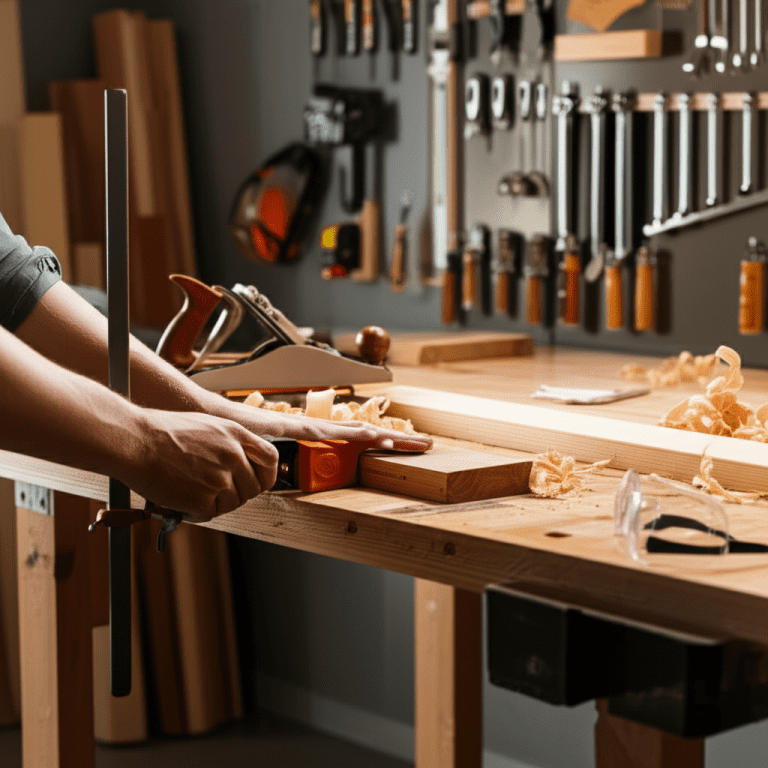
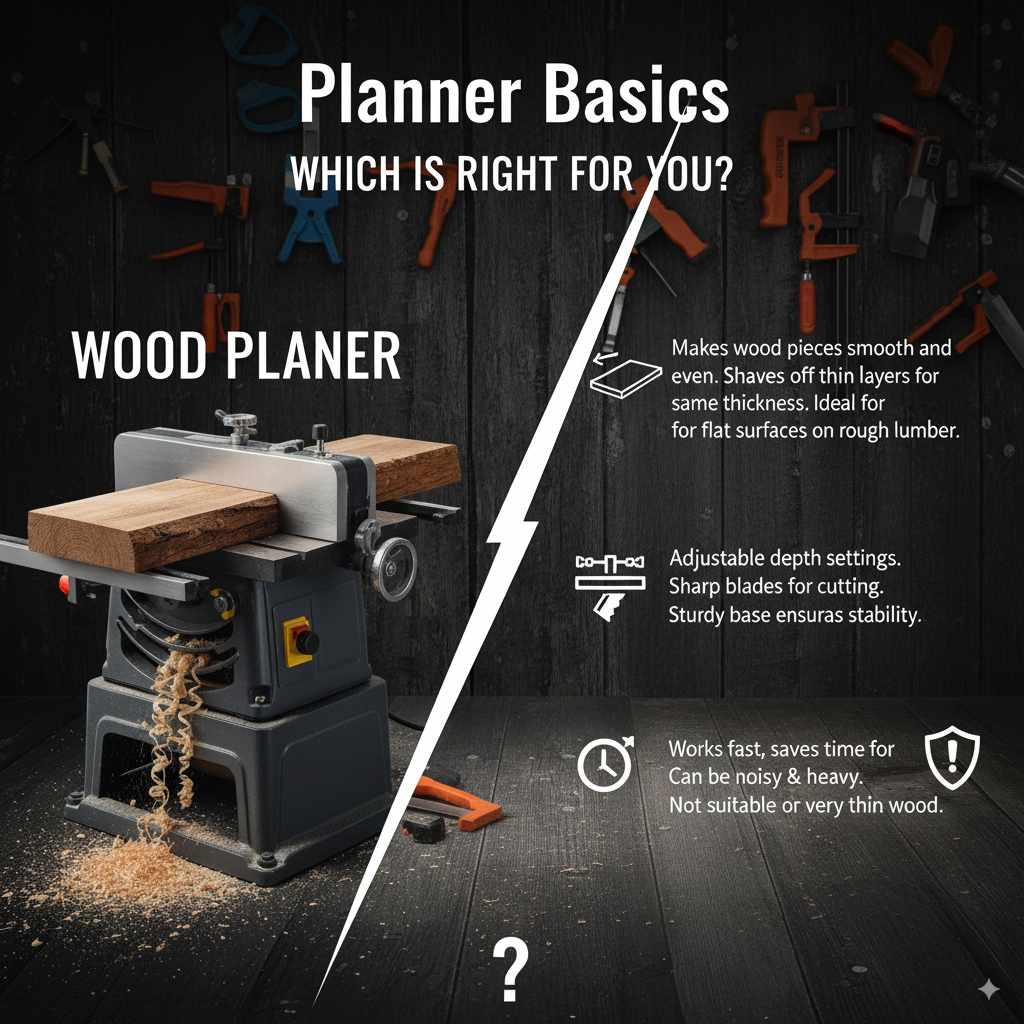
A planer makes wood pieces smooth and even. It shaves off thin layers. This helps achieve the same thickness. Ideal for creating flat surfaces. Used mostly on rough lumber.
Planers come with adjustable depth settings. They have sharp blades. These blades are vital for cutting. Most have a sturdy base. Ensures stability during operation.
Planers work fast. They save time. Great for large projects. They can be noisy. Some models are heavy. Requires proper handling. Not suitable for very thin wood.
Drum Sander Essentials
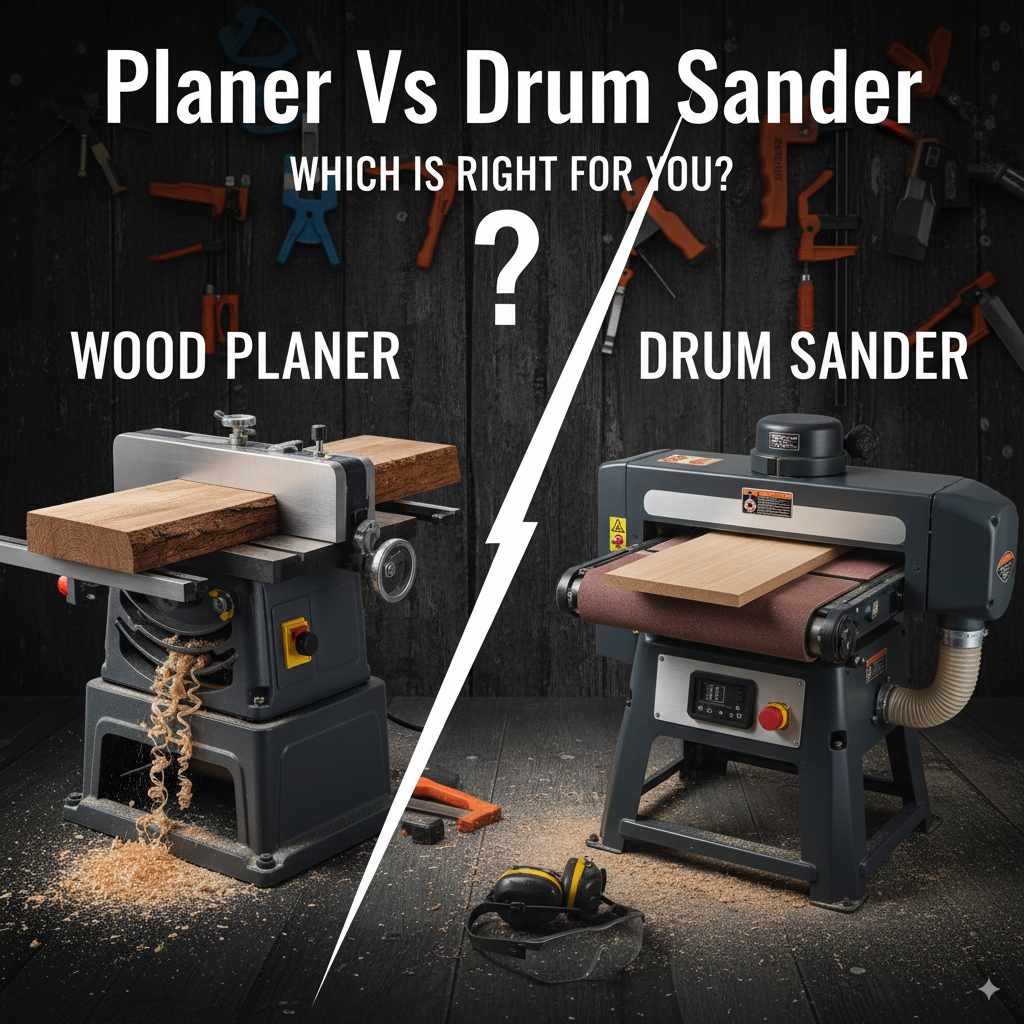
Choosing between a planer and a drum sander depends on your woodworking needs. Planers efficiently remove large amounts of material, creating a consistent thickness. Drum sanders, on the other hand, excel at delivering a smooth surface finish, ideal for finer woodworking projects.
Each tool serves a specific purpose in the woodshop.
Purpose And Function
Drum sanders smooth large wood surfaces. They remove scratches and dents. Perfect for making wood flat and even. Used in furniture and flooring. Ideal for big projects. Drum sanders are better than hand sanding. They save time and effort.
Key Features
- Wide drum for sanding.
- Adjustable speed for different tasks.
- Dust collection system to keep area clean.
- Sturdy construction for durability.
Pros And Cons
| Pros | Cons |
|---|---|
| Fast sanding. | Can be expensive. |
| Consistent results. | Takes up space. |
| Easy to use. | Needs electricity. |
Comparing Performance
The surface finish of a drum sander is usually smoother. It can make wood feel like glass. A planer may leave tiny lines. These lines need extra sanding. Drum sanders are best for a polished look. Planers are good for fast jobs. They work well for basic tasks.
A planer removes more wood quickly. It shaves off thick layers. Drum sanders remove thin layers. This makes them slower. But they are more precise. Planers save time on big projects. Drum sanders are ideal for small, detailed work.
Planers are straightforward. They have simple settings. Drum sanders need more setup. They have multiple controls. Beginners find planers easier. Drum sanders require practice. Both tools need safety gear. Protect your hands and eyes.
Cost Considerations
A planer often costs less than a drum sander. Planers are usually simpler. Fewer parts mean a lower price. Drum sanders have more parts. They are bigger machines. This makes them more expensive. Buying a drum sander can be a big decision.
Both tools need regular care. Planers need blade sharpening often. This keeps them working well. Drum sanders require sandpaper changes. Sandpaper can wear out fast. Both tools need cleaning. Dust and dirt can cause problems.
Choosing between these tools is important. Planers can save money upfront. Drum sanders offer smoother surfaces. Each tool has its benefits. Think about what your projects need. A good choice can help you for many years.
Best Applications
Planers are great for making wood flat. They remove rough spots. This helps in making furniture. They are ideal for tabletops. Doors and shelves benefit too. Planers smoothen surfaces efficiently. They are best for pieces with uneven thickness. Planers save time on large projects. They ensure uniformity. This is key in joinery tasks. Planers help with precision shaping. They are a must-have for carpenters.
Drum sanders are perfect for fine sanding. They make surfaces smooth. This is useful for finishing. Drum sanders excel in polishing work. They are great for projects needing finesse. Use them on cabinets. They work well on panels too. Drum sanders handle large pieces easily. They can sand wide boards. This makes them efficient for big surfaces. Drum sanders reduce sanding time. They are a favorite in woodworking shops.
Choosing The Right Tool
Both tools help with wood projects. Planers cut wood to the right thickness. Drum sanders smooth surfaces. For large, rough wood, a planer is useful. For smooth surfaces, a drum sander does well. Choose based on project needs.
Beginners find planers easier to use. They have fewer settings. Drum sanders need more skill. Setting them up can be tricky. Experienced woodworkers may prefer drum sanders. They offer more control. Think about your skill level.
Planers are often smaller. They fit in tight spaces. Drum sanders are larger. They need more room. Consider the space in your shop. Planers use less power. Drum sanders need more energy. Check your shop resources before buying.
Expert Tips And Advice
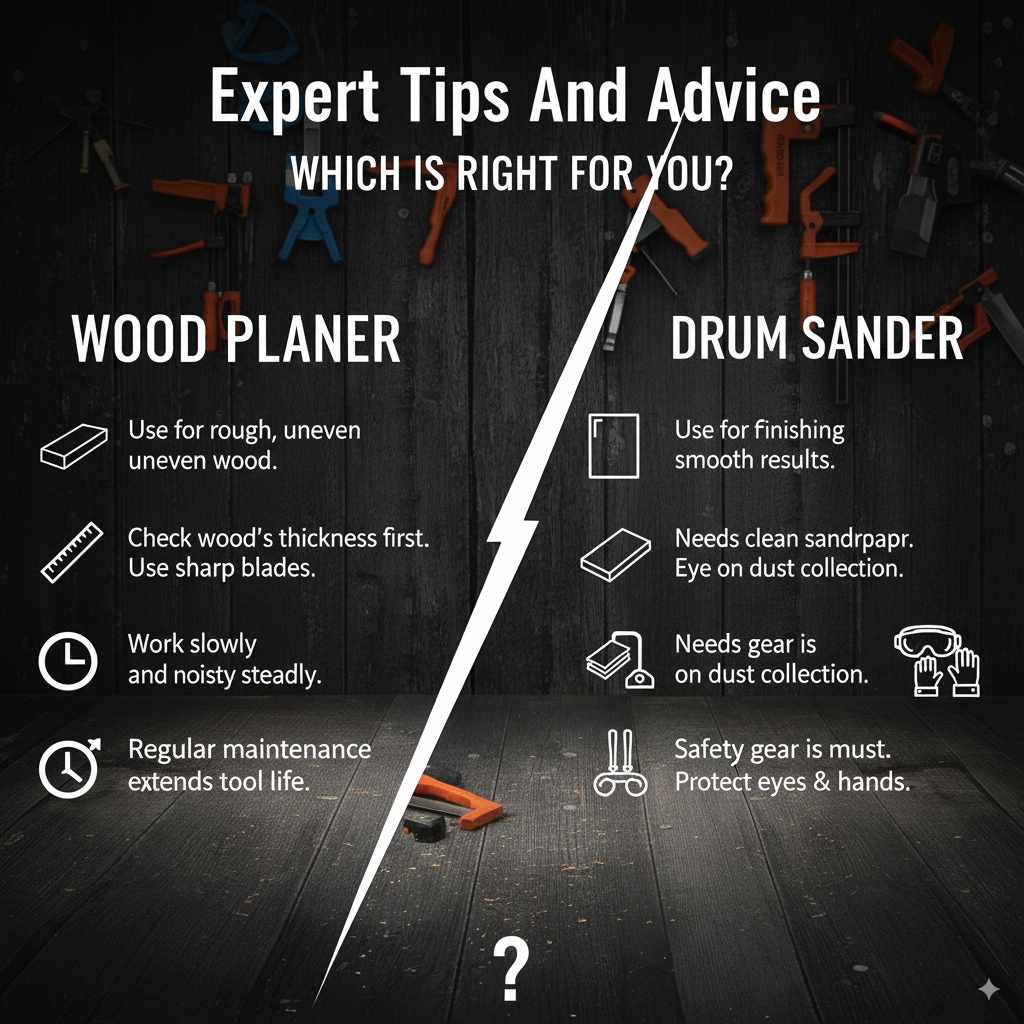
Choosing between a planerand a drum sanderis important. Planers remove more wood quickly. Drum sanders give a smooth finish. Knowing which tool works best saves time. Use a planer for rough, uneven wood. For finishing, drum sanders are ideal. Setting up the machine correctly is key. Double-check settings before starting. This prevents errors and boosts productivity. Regular maintenance extends tool life.
Always check your wood’s thickness first. This avoids damaging the tool. Use sharp blades for planers. Dull blades cause rough surfaces. Drum sanders need clean sandpaper. Dirty sandpaper leads to uneven sanding. Keep an eye on dust collection. Excess dust can clog machines. Work slowly and steadily. Rushing leads to mistakes. Practice patience and attention to detail. Safety gear is a must. Protect eyes and hands from harm.
Frequently Asked Questions
Does A Drum Sander Work Like A Planer?
A drum sander smooths surfaces by sanding, while a planer removes layers to achieve uniform thickness. They serve different purposes. A drum sander is best for finishing, and a planer is ideal for thickness adjustments. Both are essential tools for woodworking but operate differently.
Is A Planer Better Than A Sander?
A planer is ideal for removing large amounts of wood and achieving a smooth surface. Sanders are better for finishing and smoothing minor imperfections. Choose a planer for precision and thickness adjustments, and a sander for surface finishing. Both tools serve different purposes in woodworking projects.
Is Planing Or Sanding Better?
Choosing between planing and sanding depends on your project. Planing removes more material quickly, ideal for rough surfaces. Sanding offers precision, smooth finishes, and is great for final touches. Select planing for significant material removal and sanding for smooth, polished surfaces.
Both tools are essential for woodworking tasks.
What Is Better Than A Drum Sander?
A wide belt sander offers better precision and efficiency than a drum sander. It provides smoother finishes and handles larger materials. Ideal for professional woodworking, it reduces sanding time and enhances surface quality, making it a superior choice for detailed projects.
Conclusion
Choosing between a planer and a drum sander depends on your needs. Planers work well for removing thick material and creating even surfaces. Drum sanders excel at fine finishing and smoothing wood. Consider your project type and desired finish. Both tools have unique strengths.
They complement each other in woodworking. Assess your budget and workspace too. Each tool requires space and maintenance. Balance your decision with these factors. The right choice enhances your woodworking efficiency.