Plyboard Vs Plywood: Ultimate Comparison Guide
Are you planning a home renovation or building a new piece of furniture and find yourself stuck between choosing plyboard or plywood? You’re not alone.
This common dilemma stumps many homeowners and DIY enthusiasts alike. But worry not, because understanding the differences between these two materials can save you time, money, and a headache in the long run. Imagine having the confidence to pick the right material that perfectly matches your needs and enhances the durability and look of your project.
Keep reading to uncover the unique characteristics of plyboard and plywood, and discover which one is the perfect match for your next project.
Material Composition
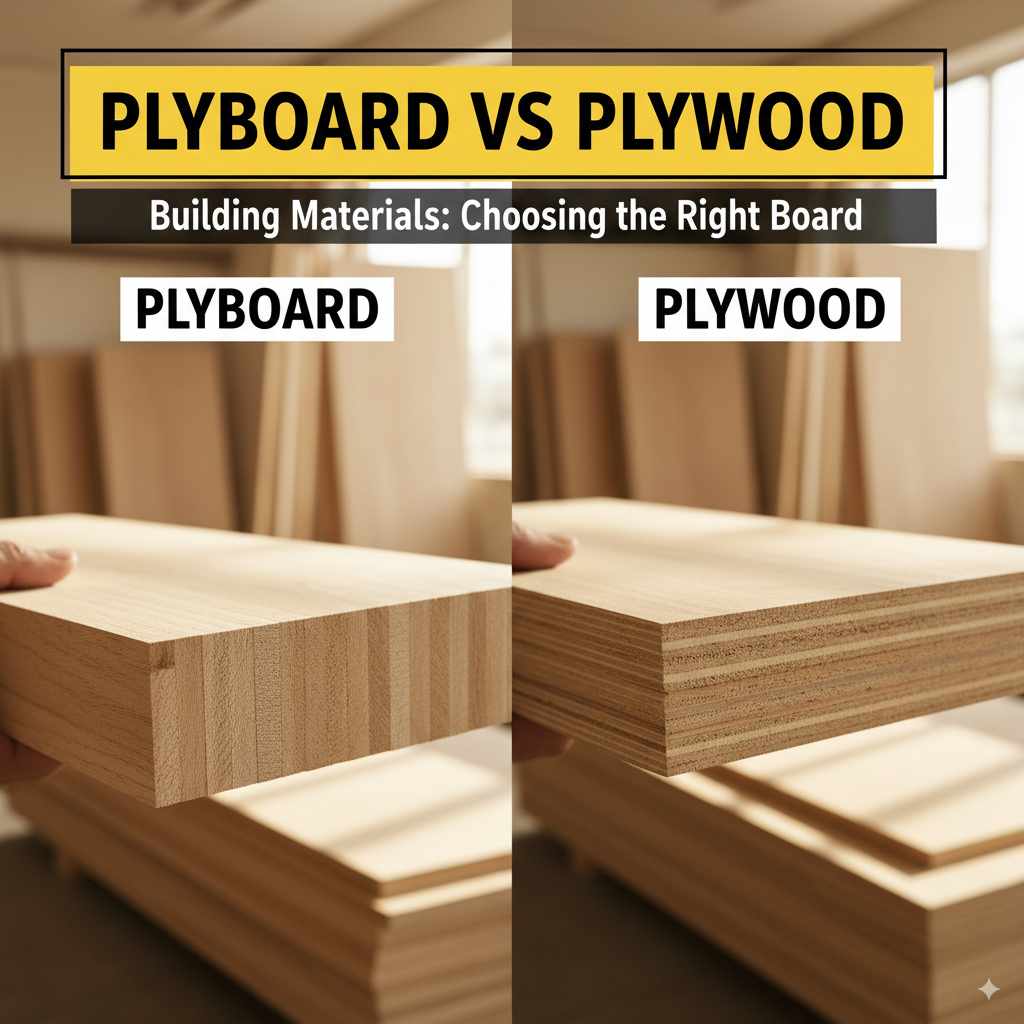
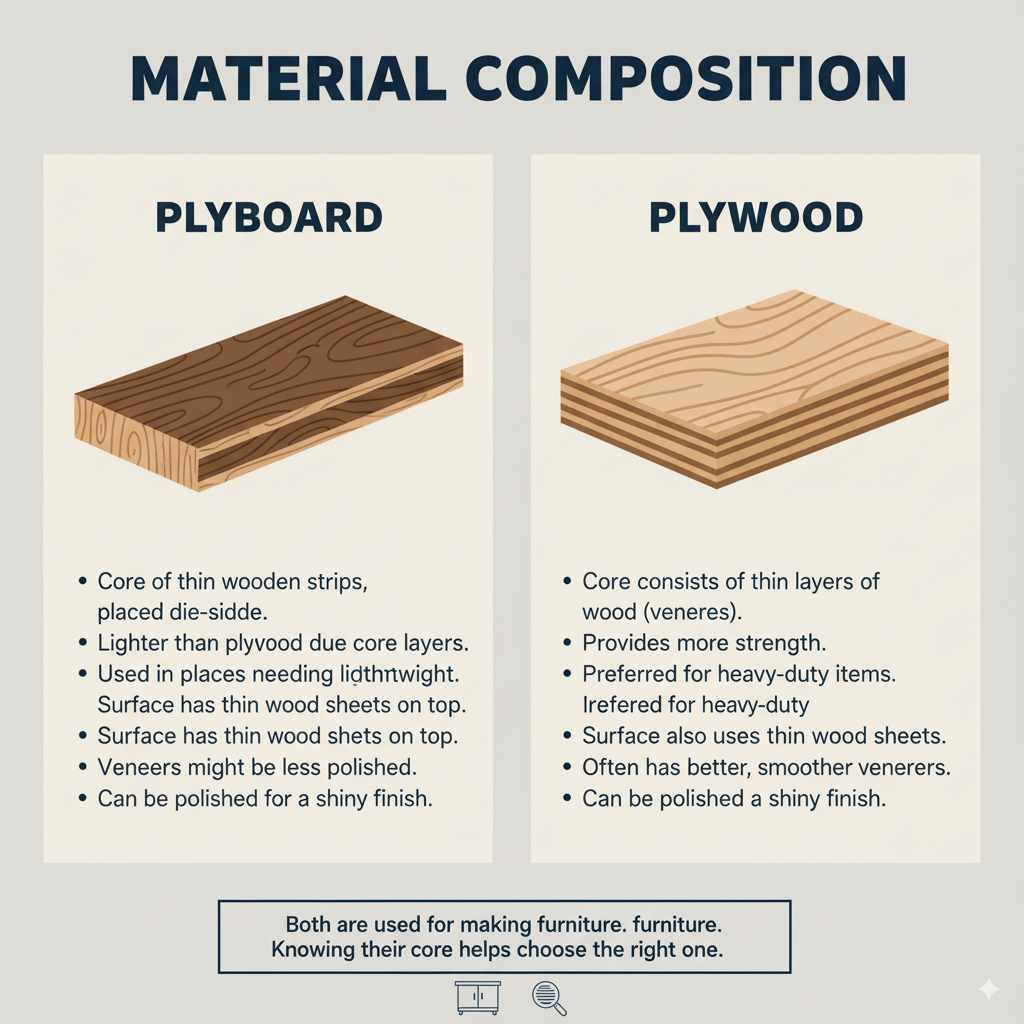
Plyboard and plywood are both used for making furniture. Plyboard has a core made of thin wooden strips. These strips are placed side by side. On the other hand, plywood consists of thin layers of wood. These layers are called veneers. Each layer is glued together. Plyboard is lighter than plywood. This is due to its core layers. Plyboard is often used in places needing lightweight materials. Plywood provides more strength. It’s preferred for heavy-duty items. Knowing their core helps choose the right one.
Surface veneers add beauty and protection. Plyboard has thin wood sheets on top. Plywood also uses these sheets. The quality of veneers can differ. Plywood often has better veneers. This makes it look smoother. Veneers in plyboard might be less polished. This affects the final look. Both materials can be polished. This gives them a shiny finish. Surface choice depends on where you use them.
Manufacturing Process
Plywood uses thin layers of wood. These layers are called veneers. They are glued together. The grains of each layer are different. This makes plywood strong. Plyboard is different. It has a thick core. The core is made of softwood strips. These strips are between two veneer layers. This makes plyboard light but strong.
Both plywood and plyboard use adhesives o hold layers. Plywood often uses phenol formaldehyde glue. This glue is water-resistant. Plyboard uses urea formaldehyde glue. This glue is cheaper. But it is not as water-resistant. Choosing the right adhesive is important. It affects the strength of the board.
Strength And Durability
Plywood is strong. It can hold more weight. This makes it great for big projects. Plyboard is not as strong. It works well for small tasks. Both materials can be useful. Choose the right one for your needs.
Plywood lasts longer. It handles wear and tear well. Plyboard can get damaged easily. It might not last as long. Think about what you need. Pick plywood for tough jobs. Use plyboard for simple projects.
Cost Comparison
Comparing costs reveals plyboard is generally cheaper than plywood. Plyboard offers affordability, making it a budget-friendly choice. Plywood, while pricier, provides superior strength and durability for lasting use.
Price Range
Plyboard is usually cheaper than plywood. It is a budget-friendly option. Plywood can be more expensive. It depends on the type and quality. Both are used in furniture and construction.
Value For Money
Plyboard may not last as long as plywood. Plywood is stronger and more durable. It is a better choice for heavy-duty use. Plyboard is great for short-term projects. It offers a quick, affordable solution. Consider your needs before buying.
Aesthetic Appeal
Plywood has a smoother surface. It is easy to paint. Plyboard has a rougher finish. It needs more work for painting. Plywood edges look neat. Plyboard edges can appear uneven.
Plywood comes in many colors. It can have a natural wood look. Plyboard has limited color choices. Often, it is painted for better appeal. Plywood can show rich wood grains. Plyboard often lacks these natural patterns.
Environmental Impact
Plyboard and plywood both affect the planet. Plyboard uses recycled wood pieces. This helps save trees. Plywood needs fresh timber. This can hurt forests. Plyboard is more sustainable. It uses less new wood. This choice helps protect nature.
Recycling is important. Plyboard is made from scraps. These scraps can be reused again. Recycling helps reduce waste. Plywood is less recyclable. It uses fresh wood layers. This makes recycling harder. Choose plyboard for better recycling.
Applications
Plywood and plyboard are common in homes. Plywood is great for furniture and cabinets. It is strong and durable. Plyboard is light and easy to cut. It is good for small shelves. It is also used for paneling. Both are versatile. They fit many home needs. Plyboard is cheaper than plywood. It suits budget projects.
Plywood is used in construction and offices. It supports heavy loads. It is ideal for flooring and partitions. Plyboard is used for temporary structures. It is light and easy to handle. It is used for office cubicles. Plywood is more resilient and lasts longer. Plyboard is good for cost-effective solutions.
Maintenance Requirements
Plyboard needs gentle cleaning. Use a soft cloth. Add mild soap to water. Wipe the surface with care. Avoid harsh chemicals. They can damage the board. Keep it dry to prevent warping.
Plywoodi s more durable. It can handle more cleaning. Use a damp cloth. Mild cleaners work well. Don’t soak the surface. Dry it quickly. This prevents swelling.
Small scratches on plyboard can be tricky. Use fine sandpaper. Rub gently over the scratch. Apply wood polish to cover marks.
Plywood repairs are easier. Fill cracks with wood filler. Sand the area smooth. Apply a coat of varnish. This restores shine.
Choosing The Right Material
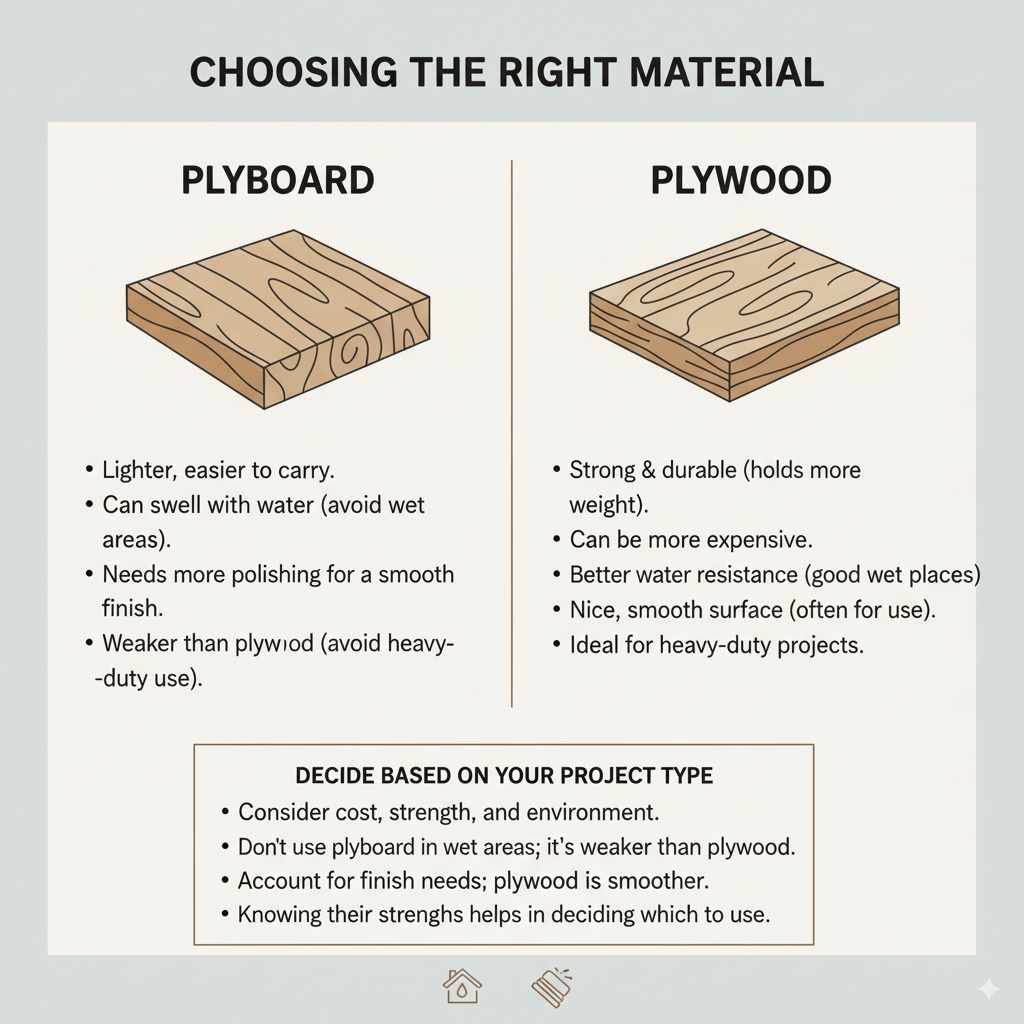
Plyboard and plywood are popular materials. Both are used in furniture and buildings. Plyboard is lighter than plywood. This makes it easier to carry. But, plywood is strong and durable. It can hold more weight.
Think about the cost. Plyboard is cheaper. Plywood can be more expensive. Consider the water resistance. Plywood is better in wet places. Plyboard can swell with water. Check the finish. Plywood has a nice, smooth surface. Plyboard may need extra work.
Using plyboard in wet areas is a mistake. It can get damaged. People think plyboard is as strong as plywood. This is not true. Plyboard is weaker. Another mistake is ignoring the finish. Plyboard needs more polishing. Plywood is ready to use.
Frequently Asked Questions
Which Is Better Plyboard Or Plywood?
Plywood is generally better than plyboard for strength and durability. It consists of multiple layers, offering superior resistance to warping. Plyboard is lighter and cheaper, suitable for temporary structures or non-load-bearing applications. Choose plywood for furniture and permanent construction, while plyboard fits cost-effective projects.
Is Plyboard Durable?
Plyboard is durable due to its layered structure, offering strength and stability. It resists warping and cracking, ideal for furniture and construction. Proper care enhances its longevity, making it a reliable choice for various applications. Choose quality plyboard to ensure durability for your projects.
Which Is Stronger, Plywood Or Board?
Plywood is generally stronger than board. It consists of multiple layers, making it durable and resistant to bending. Boards, like MDF or particle board, lack the layered structure, resulting in less strength and durability. For projects needing robust materials, plywood is a better choice.
Is Ply Board Waterproof?
Ply board is not inherently waterproof. It requires treatment or coating to resist water damage. For outdoor use, ensure proper sealing. Consider marine-grade plywood for better water resistance. Regular maintenance helps prolong its lifespan against moisture exposure.
Conclusion
Choosing between plyboard and plywood depends on your needs. Both materials offer unique benefits. Plyboard is lighter and resists warping. Ideal for large surfaces. Plywood is stronger and more durable. Perfect for structural use. Consider your budget and project requirements.
Think about moisture exposure and load-bearing needs. Always weigh the pros and cons. This helps in making an informed decision. Use this guide to select the right material. Ensure your project stands the test of time. Make a choice that fits your goals.
Your project’s success depends on it.