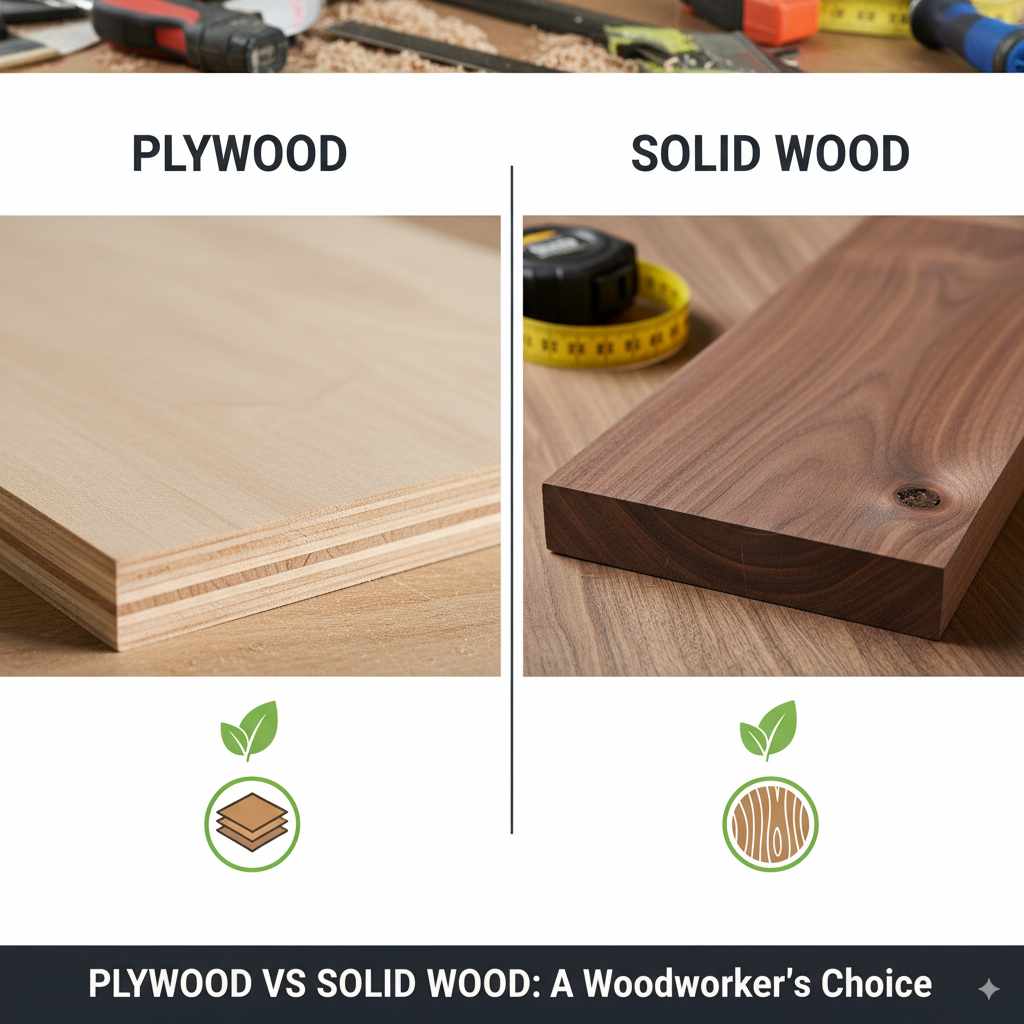
Plywood Vs Solid Wood: Which Reigns Supreme?
Choosing the right material for your furniture or home projects can be overwhelming. You want something that not only looks good but also stands the test of time.
So, when it comes to plywood vs solid wood, how do you make the best decision for your needs? This question is more crucial than you might think. Your choice will impact not just the aesthetics but also the durability and cost of your projects.
Imagine creating a stunning bookshelf that catches everyone’s eye or a dining table that lasts for generations. These dreams hinge on picking the right material. We will simplify the complex world of wood choices, helping you understand the key differences, pros, and cons of plywood and solid wood. By the end, you’ll be equipped to make an informed decision that satisfies both your practical needs and personal style. Don’t miss out on discovering which option is perfect for you!
Material Composition
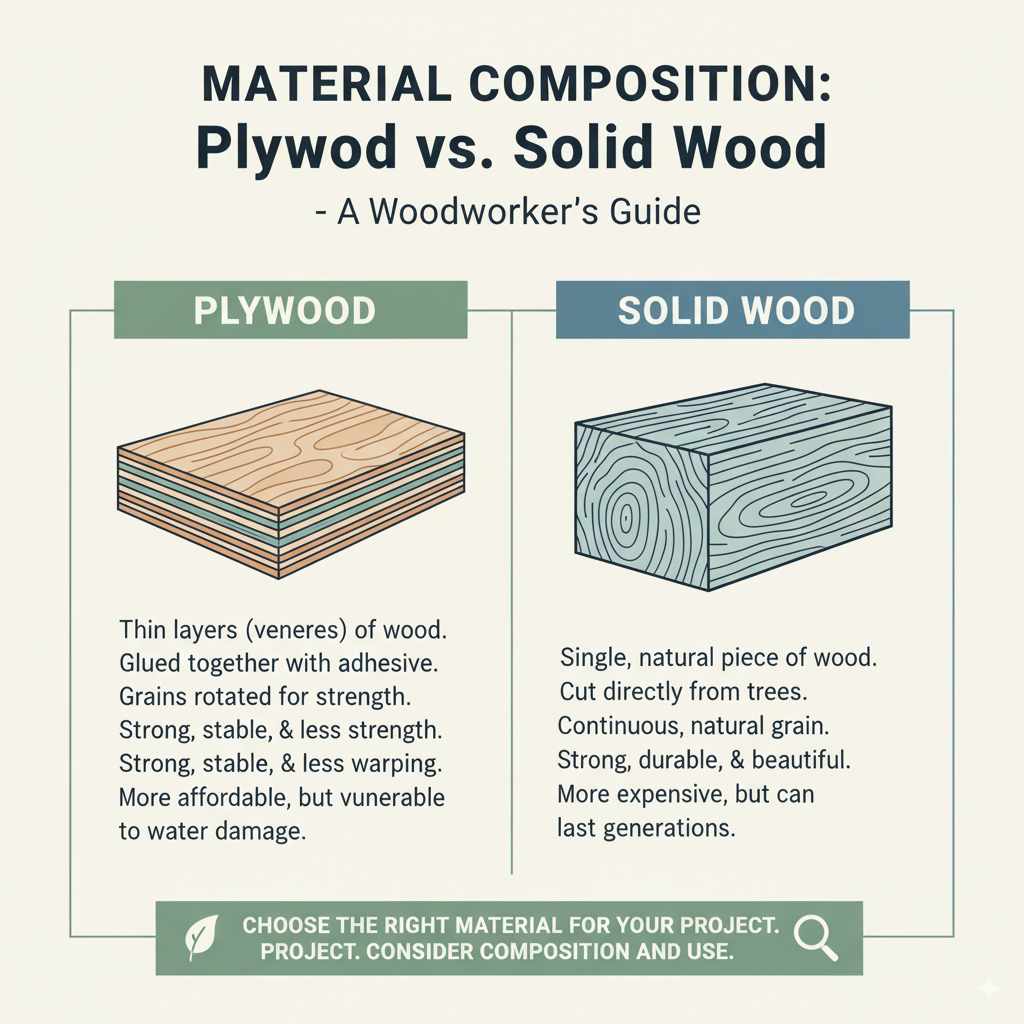
Plywood is made from thin layers of wood veneer. These layers are glued together. The grains of each layer are rotated. This makes plywood strong. It’s used in furniture and construction. Plywood is less expensive than solid wood. It’s also lighter. But it can get damaged by water.
Solid wood comes from trees. It’s a natural product. Solid wood is very strongand durable. It lasts a long time. Many people like its natural look. Solid wood is used for high-quality furniture. But it can be heavy. It’s more costly than plywood.
Durability And Strength
Plywood is made from layers. Each layer is glued together. This makes plywood very strong. It does not break easily. Plywood can hold a lot of weight. It is often used in furniture. It is also used in floors and walls. The layers give it strength.
Plywood does not change shape. Even when it gets wet. This is a big advantage. It stays flat. It is hard to crack. Many people like this about plywood.
Solid wood is from a tree. It is one big piece. Solid wood is very strong. It can last a long time. It is also heavy. Solid wood is used for tables and chairs. It looks nice and feels good.
Solid wood can change shape. It changes with heat and cold. It can crack if not taken care of. But many people still love solid wood. It is natural and beautiful.
Cost Considerations
Plywood is usually cheaper than solid wood. It is made from thin layers of wood glued together. This process makes it less expensive to produce. You can find plywood at different price points. The cost depends on the thickness and quality. Budget-friendly options are available for many projects. Builders often choose plywood for affordable construction needs.
Solid wood is generally more expensive than plywood. It is cut directly from trees. This means a higher price for solid wood products. Costs vary by type and quality of wood. Hardwoods like oak or walnut are pricier. Softwoods such as pine are less costly. Solid wood is often chosen for its durability and natural beauty.
Aesthetic Appeal
Plywood has a smooth and even surface. It often comes in large sheets. This makes it easy to work with. Its surface can be painted or stained. This adds to its beauty. Plywood can have a modern look. It is used in many homes. Some people like its simple style. Others prefer it for its cost. But its beauty is not for everyone.
Solid wood is often more natural and rich. It shows unique grain patterns. Each piece is different. This makes it special. Solid wood can be polished to shine. It adds a classic charm to spaces. Many love its warm appearance. But it can be costly. Its beauty lasts for years. Solid wood ages gracefully over time.
Environmental Impact
Plywood uses thin sheets of wood from different trees. This reduces waste. It is made from fast-growing trees. This helps forests grow back quickly. Making plywood uses less energy. This means less pollution. Recycling plywood is easy. It can be reused many times. This makes it eco-friendly.
Solid wood comes from strong trees. These trees take many years to grow. Cutting them can harm forests. It uses more energy to make solid wood products. This can cause more pollution. Solid wood is strong and lasts long. It can be reused easily. Recycling solid wood is also simple. This helps save the planet.
Applications And Uses
Plywood finds its place in making cabinets, flooring, and furniture due to its strength and affordability. Solid wood, prized for its natural beauty and durability, suits high-end furniture and construction. Each material offers unique benefits, fitting different needs and budgets.
Uses Of Plywood
Plywood is versatile. It is used in furnituremaking. Many people use it for cabinetsand shelves. Builders like plywood for flooring. It is strong and lasts long. Plywood is also in roofing. It helps keep houses safe. Artists use plywood for craft projects. It is easy to cut and shape. Plywood is cheaper than solid wood. It is good for big projects. Plywood is often water-resistant. It is perfect for kitchens and bathrooms.
Uses Of Solid Wood
Solid wood is premium. It is used for fine furniture. People love solid wood for tablesand chairs. It lasts many years. Solid wood is perfect for flooring. It gives rooms a warm feel. It is also used for doorsand window frames. Solid wood adds beauty to homes. It is strongand can hold heavy items. Solid wood is better for outdoor items. It can resist weatherchanges. Solid wood is loved for craftsand art. It shows natural beauty.
Maintenance Requirements
Plywood needs gentle care. Keep it away from water. Moisture can damage it quickly. Dust regularly with a soft cloth. Use mild cleaner for stains. Avoid harsh chemicals. Check edges for wear. Repair any small chips or cracks. Always keep it dry.
Solid wood demands regular attention. Polish it to keep it shiny. Avoid scratches by using table mats. Clean with a damp cloth. Dry immediately after cleaning. Use wood conditioner twice a year. Inspect for termites regularly. Solid wood loves gentle care.
Moisture Resistance
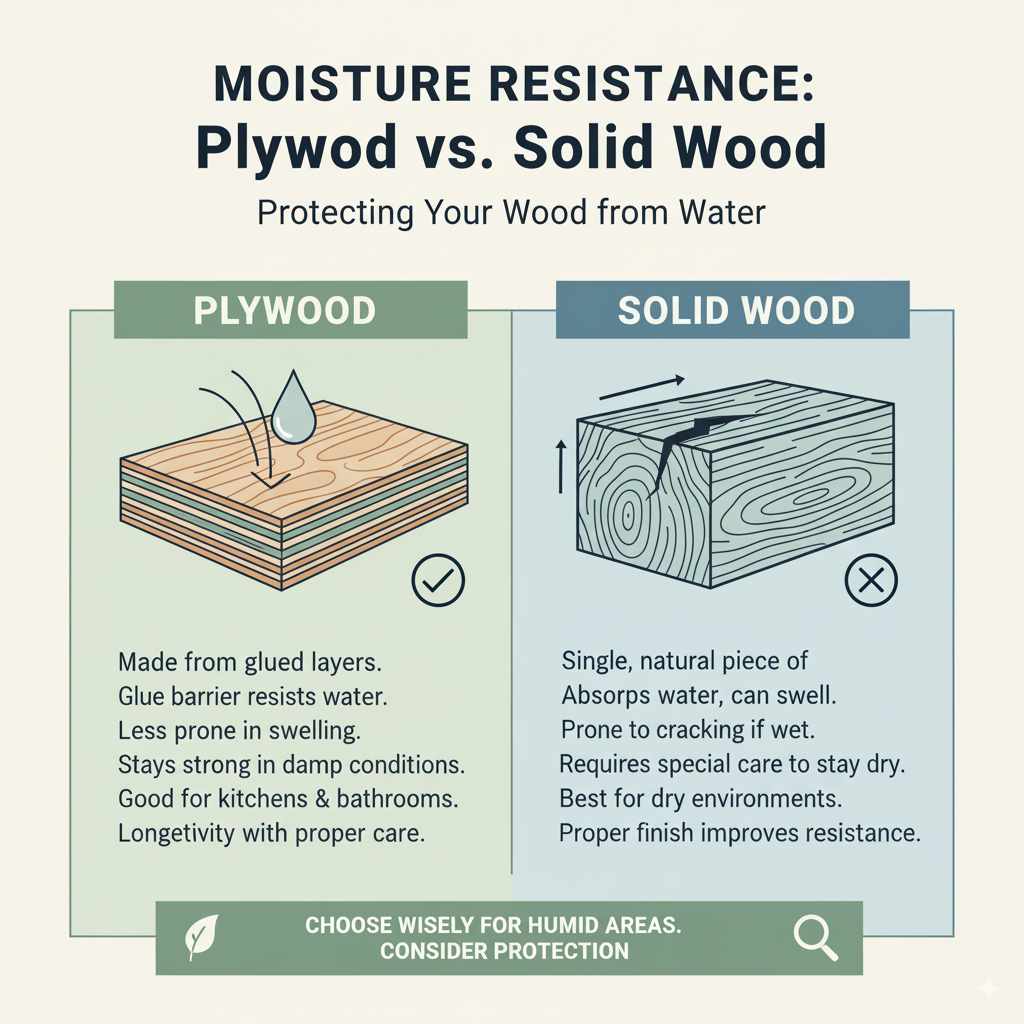
Plywood is made from layers of wood. These layers are glued together. The glue helps keep water out. Plywood does not swell easily. It stays strong even in wet places. It is good for kitchens and bathrooms. Plywood can last long with proper care.
Solid wood is one piece of wood. Water can cause it to swell. It may crack if wet for long. Solid wood needs special careto keep dry. It is less water resistant than plywood. Solid wood works best in dry places. Proper finish can help solid wood resist water.
Frequently Asked Questions
Which Is Better, Solid Wood Or Plywood?
Solid wood is ideal for durability and aesthetics. Plywood offers affordability and resistance to warping. Choose based on budget and needs.
What Are The Disadvantages Of Plywood?
Plywood can be prone to moisture damage, causing warping or delamination. It may have weak edges and limited load-bearing capacity. The surface can be uneven, requiring additional finishing. Low-quality plywood might contain harmful chemicals or formaldehyde. It is susceptible to termite attacks and may not last as long as solid wood.
Is Plywood Or Solid Wood Cheaper?
Plywood is generally cheaper than solid wood. It offers a budget-friendly option with good strength and versatility. Solid wood is more expensive due to its natural grain and durability. Choose plywood for cost-effective projects and solid wood for premium finishes.
Why Use Plywood Instead Of Hardwood?
Plywood offers greater stability and resistance to warping compared to hardwood. It’s more affordable and versatile for various applications. Its layered construction enhances strength and durability, making it ideal for furniture and construction. Plywood is easier to cut and work with, providing a practical choice for many projects.
Conclusion
Choosing between plywood and solid wood depends on your needs. Plywood offers flexibility and is often more affordable. Solid wood provides durability and a classic appeal. Both have their unique advantages. Consider factors like budget, purpose, and aesthetics. Plywood suits versatile designs and limited budgets.
Solid wood works well for heirloom pieces and long-term use. Evaluate what aligns best with your project. Balance practicality with personal preference. Making an informed choice ensures satisfaction with your finished piece. Whether it’s a table, shelf, or flooring, both materials have much to offer.
Choose wisely for a project that you’ll love.