Polyurethane Vs Polycrylic for Dining Table: Best Choice?
Choosing the right finish for your dining table can feel overwhelming. You want something that not only looks great but also stands the test of time, right?
Enter polyurethane and polycrylic—two popular options that often leave DIY enthusiasts scratching their heads. But don’t worry, you’re not alone in this. Many homeowners face the same dilemma: which one is truly the best for your dining table? Imagine hosting a dinner party, and your guests are in awe of your table’s stunning finish.
Sounds fantastic, doesn’t it? This is the kind of impact a well-chosen finish can have. But here’s the catch—each option comes with its own set of benefits and drawbacks. So, how do you decide? Stick around as we break down the nitty-gritty of polyurethane versus polycrylic. By the end of this article, you’ll have a clear understanding of which finish will make your dining table not just a functional piece, but a centerpiece that enhances your home’s aesthetic. Let’s dive in and find out which finish suits your needs best!
Differences Between Polyurethane And Polycrylic
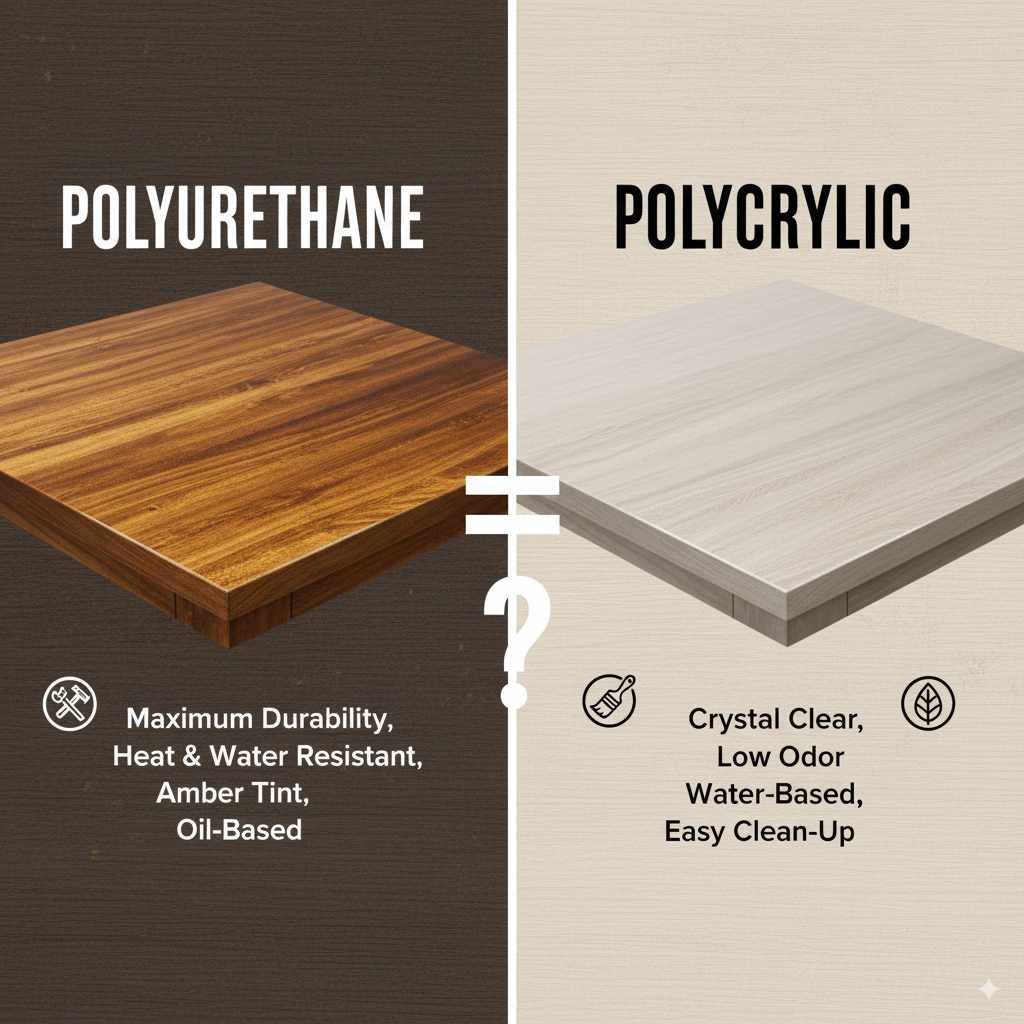
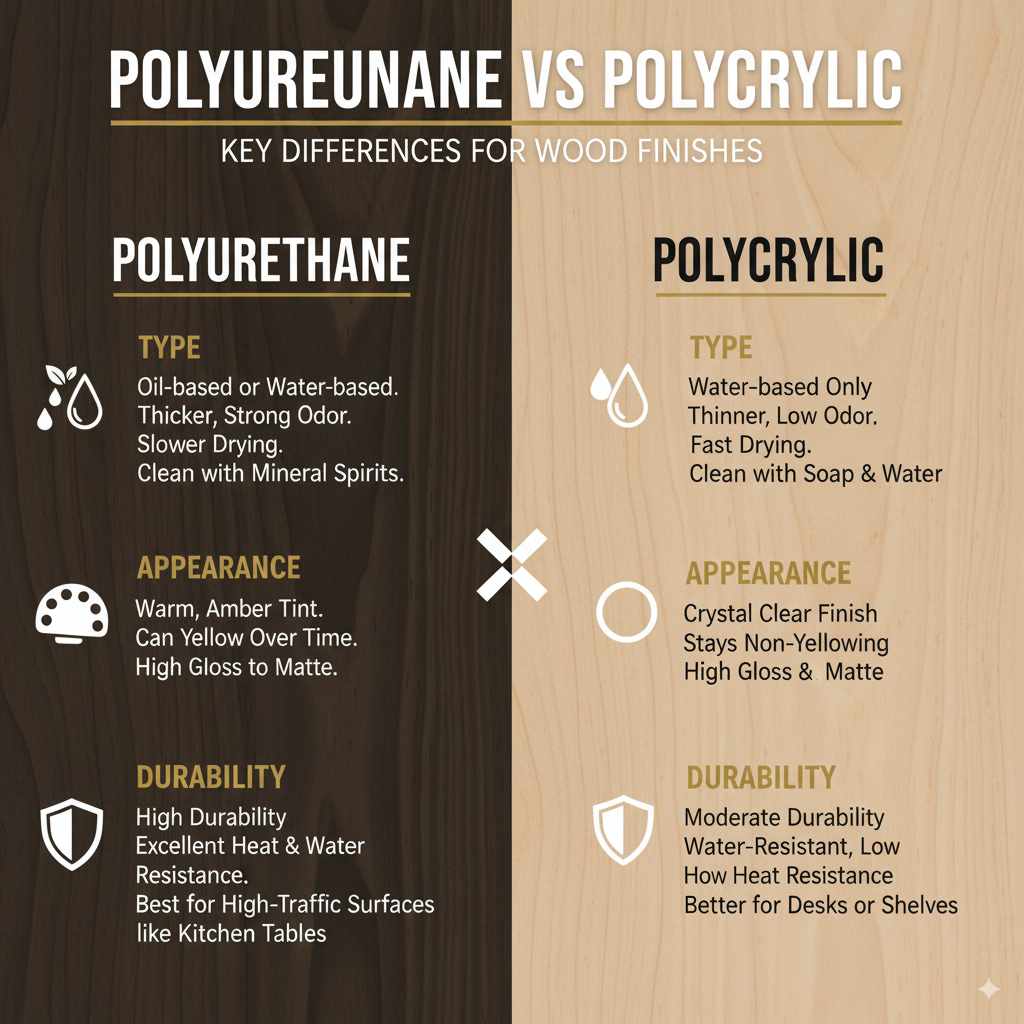
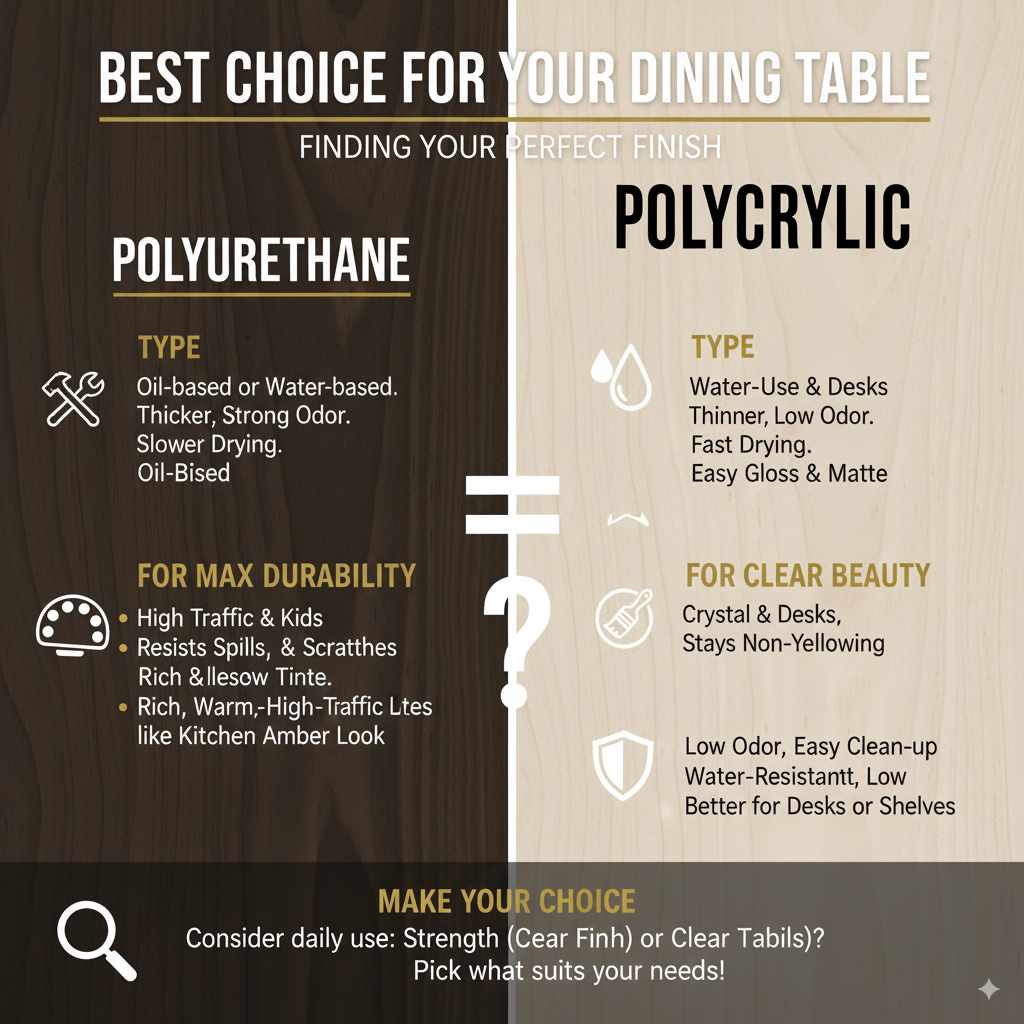
Polyurethane is made from oil or water. It is thicker and often smells strong. Polycrylic is water-based. It is thinner and has less smell. Both have chemicals but vary in their makeup. Polyurethane is sticky and takes longer to dry. Polycrylic dries fast and is easier to clean. Use soap and water for polycrylic. For polyurethane, you need mineral spirits.
Polyurethane gives a warm, amber color. It can turn yellow over time. Polycrylic stays clear and doesn’t change color. It is good for light wood. Polyurethane is shiny and smooth. Polycrylic is smooth but less shiny. Both can be glossy, satin, or matte.
Polyurethane is strong and protects well. It is great for heavy use. Polycrylic is less tough but protects light use. Polyurethane resists heat and water. Polycrylic can resist water but not heat. Polyurethane is perfect for kitchen tables. Polycrylic is better for desks or shelves.
Application Methods
Polyurethane can be a bit tricky to apply. It needs careful brushing. It often requires multiple coats. Polyacrylic’s easier for beginners. It goes on smoothly and quickly.
Polyurethane takes longer to dry. Sometimes it needs overnight drying. This means more waiting time. Polycrylic dries fast. You can touch it in just a few hours. This saves time.
For polyurethane, you need a natural bristle brush. It can be messy. Polycrylic needs a synthetic brush. This is easy to clean. Always have a cloth for spills. Both need good ventilation.
Safety And Environmental Considerations
Choosing between polyurethane and polycrylic for a dining table involves safety and environmental factors. Polyurethane offers robust protection but emits strong fumes. Polycrylic is water-based and has lower VOC emissions, making it a safer choice indoors. Both options require careful handling and proper ventilation during application.
Toxicity Levels
Polyurethane is made from chemicals that can be harmful. It is toxic when wet. Polycrylic is less toxic and safer for people. It is water-based and does not have strong smells. Always wear gloves when using both.
Ventilation Requirements
Good ventilation is needed with polyurethane. Fumes can make you feel sick. Open windows and use fans. Polycrylic has fewer fumes. It is safer indoors. Keep rooms aired for health safety.
Environmental Impact
Polyurethane can harm the environment. It has chemicals that pollute air. Polycrylic is better for nature. It is water-based and cleaner. Always clean brushes in water, not with chemicals.
Cost Comparison
Polyurethaneusually costs more than Polycrylic. This is because Polyurethane lasts long. It gives strong protection. It works well on wood. Polycrylicis cheaper. It is good for light projects. It is easy to clean. For big projects, Polyurethane is better. For small projects, use Polycrylic.
Polyurethane needs less care. It stays good for years. It protects against water. This saves money over time. Polycrylic needs more care. It might chip. It might wear off. This might cost more for fixes. Think about long-term costs.
Performance In Various Conditions
Polyurethane provides robust protection against heat and moisture, ideal for dining tables. Polycrylic offers a clear finish, best for low-impact surfaces. Both ensure durability and aesthetic appeal, catering to different needs.
Resistance To Heat And Scratches
Polyurethane offers strong resistance to heat. It can handle hot plates well. Polycrylic is less heat resistant. It might not be the best for hot items. Polyurethane is also tougher against scratches. Dining tables face many scratches. Polycrylic may show marks easily. It is softer than polyurethane. Polyurethane protects the table better in active homes.
Water And Stain Resistance
Polyurethane forms a strong barrier against water. Spills won’t soak through. Polycrylic is less effective with water. It may let some moisture in. Polyurethane also resists stains better. It guards against wine or sauce spills. Polycrylic can stain more easily. Polyurethane is ideal for busy dining areas. It keeps tables looking clean longer.
Aesthetic Considerations
Polyurethane adds a rich, warm tone to wood. It deepens the color. Polycrylicis clear and won’t change the wood’s color. It keeps the wood’s natural look.
Gloss levels vary between the two. Polyurethane offers various gloss finishes. You can choose from satin, semi-gloss, or glossy. Polycrylic usually has a more satin finish. It doesn’t shine as much.
Texture matters for the feel. Polyurethane creates a smooth surface. It’s thicker and more protective. Polycrylic is thinner. It feels lighter and less plastic-like.
Both options enhance beauty. Think about what you like. Do you prefer a shiny look or a natural feel? Your choice affects the dining table’s look.
User Recommendations
Many woodworkers suggest using polyurethane for dining tables. It provides a strong and durable finish. It resists scratches and water. Polyurethane comes in oil-based and water-based types. Oil-based offers a richer look. Water-based dries faster and has less odor.
Some homeowners prefer polycrylic for their dining tables. It is easy to clean and dries quickly. Polycrylic has a clear finish that does not change wood color. It is best for light-colored woods. It is less durable than polyurethane but safer for indoor use.
Best Choice For Your Dining Table
Choosing between Polyurethane and Polycrylic can be tricky. Both have strengths. Polyurethane is known for its durability. It can handle spills and heat. This makes it a good choice for busy tables. Polycrylic is water-based. It dries fast and is easy to clean. It offers a clear finish. This helps wood keep its natural look.
Think about your daily table use. Do you have kids? Polyurethane might be better. It is strong and lasts long. Do you want a clear, soft finish? Polycrylic is perfect. It’s also less smelly. Your choice depends on what you want most. Strength or beauty? Make sure to pick what suits you.
Frequently Asked Questions
Is Polyurethane Or Polycrylic Better For A Dining Table?
Polyurethane is better for dining tables due to its durability and resistance to heat and moisture. Polycrylic offers a clear finish but lacks the same level of protection. For a high-traffic dining table, polyurethane is the preferred choice for long-lasting protection and ease of maintenance.
Can I Use Polyurethane On A Dining Table?
Yes, you can use polyurethane on a dining table. It provides a durable, water-resistant finish. Apply multiple thin coats for best results. Allow each coat to dry completely before applying the next. Sand lightly between coats for a smooth finish.
This protects the table from spills and daily wear.
Is Polyurethane Or Polycrylic Better For Wood?
Polyurethane offers durability and water resistance, ideal for high-traffic areas. Polycrylic dries quickly, suits light woods, and is less toxic. Choose Polyurethane for heavy-duty needs and Polycrylic for lighter applications. Consider the wood type and project requirements to decide which is better.
How Many Coats Of Polyurethane Should You Put On A Dining Room Table?
Apply 3 to 4 coats of polyurethane for a durable dining room table finish. Sand lightly between coats for smoothness. Allow each coat to dry completely before applying the next. Ensure proper ventilation during application to avoid fumes.
Conclusion
Choosing between polyurethane and polycrylic depends on your dining table needs. Polyurethane offers strong protection and durability for high-traffic areas. It’s great for tables that see heavy use. Polycrylic, on the other hand, dries faster and is less smelly. It works best for lighter woods or indoor use.
Consider your table’s environment and usage. Think about the look you want. Both finishes have their benefits. Each suits different needs. Make sure to test on a small area first. This ensures you’re happy with the final result. Your dining table deserves the best protection.