Polyurethane Vs Tung Oil: Ultimate Finish Showdown
Choosing the right finish for your wood projects can feel like a daunting task. With so many options available, you might find yourself asking: should you go with polyurethane or tung oil?
Both have their unique advantages, but which one is the best fit for your needs? By the end of this article, you’ll have a clearer understanding of these two popular finishes, and you’ll be able to make a confident decision for your next project.
We’ll explore the benefits and drawbacks of each, helping you to discover which finish aligns perfectly with your goals. Get ready to uncover the secrets of these wood finishes that can transform your projects from ordinary to extraordinary. Dive in and let’s find the perfect match for you!
Polyurethane Basics
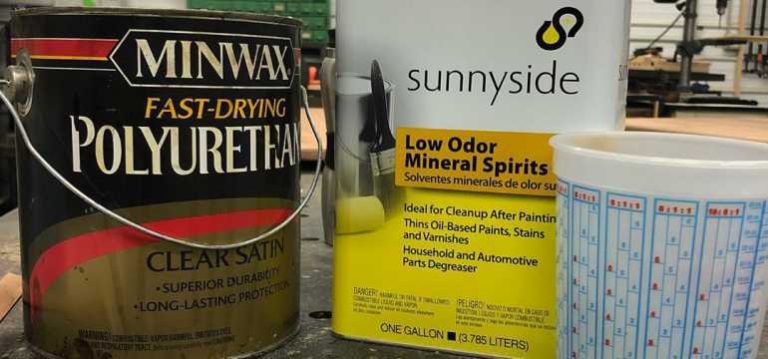
Polyurethane is a type of plastic. It is made from two main parts. These parts are polyols and isocyanates. When they mix, they form a strong bond. This makes polyurethane tough. It is also flexible. It can be hard or soft. It depends on how it is made. Polyurethane is also water-resistant. It can last a long time. This is why it is used in many places.
Polyurethane is used in many things. It is in furniture and flooring. Also, it is used in insulation for houses. It keeps homes warm. Polyurethane is found in shoes and car parts too. This is because it is strong and lasts long. It is also used in paints and coatings. These protect surfaces from damage. Polyurethane makes many things better.
Tung Oil Essentials
Tung oil comes from the seeds of the tung tree. This tree grows in China and other Asian countries. The seeds contain the oil inside. Farmers crush the seeds to extract the oil. This oil is light yellow and has a mild smell. It has been used for many years. People know it for its protective qualities. It helps wood last longer.
Tung oil is used on wood surfaces. It makes them shiny and nice. It also protects the wood from water. Many people use it for furniture. It works well on tables and chairs. It is also used on boats. The oil keeps the wood strong. It stops water from damaging the surface. It is a good choice for outdoor wood items. People trust tung oil for its lasting benefits.
Durability And Protection
Polyurethaneis tough against scratches. It forms a hard surface. This protects wood well. Tung oilalso fights scratches. It sinks deep into the wood. But it is softer than polyurethane. Water can damage wood. Polyurethane keeps water out. It creates a shield. Tung oil resists water too. It soaks into the wood fibers. But water can seep through over time.
Polyurethane lasts a long time. It stays strong for years. Little upkeep is needed. Just keep it clean. Tung oil needs more care. It should be reapplied. This keeps it looking good. Polyurethane stays shiny. Tung oil gives a natural look. Each has its own style. Choose based on your need.
Aesthetic Appeal
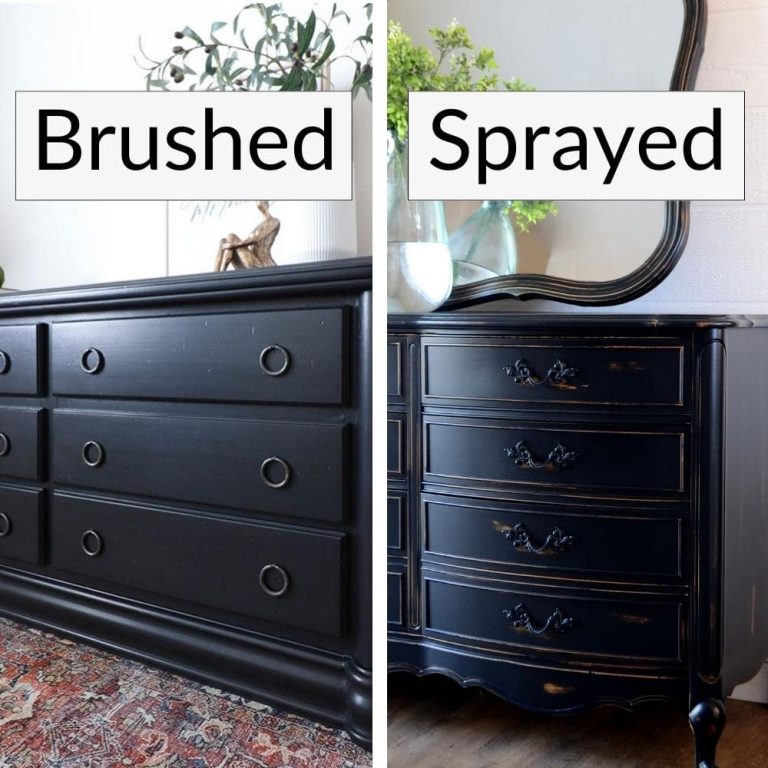
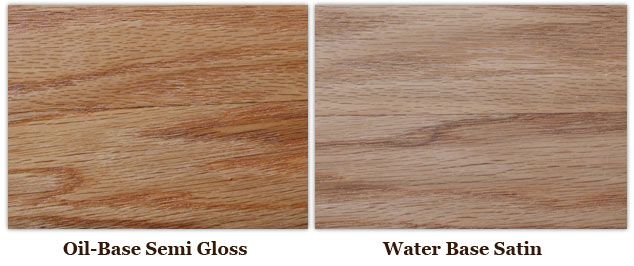
Polyurethanegives a smooth and shiny look. It makes surfaces glossy. The finish is often hard and durable. This is great for tables and floors.
Tung oiloffers a soft and natural glow. It keeps the wood’s texture visible. The finish is warm and inviting. It’s perfect for wooden toys and bowls.
Polyurethanedarkens the wood slightly. It adds a rich tone to the surface. Sometimes, it can make colors pop.
Tung oildeepens the wood’s natural color. It brings out the grain beautifully. This oil enhances the wood’s beauty.
Application Process
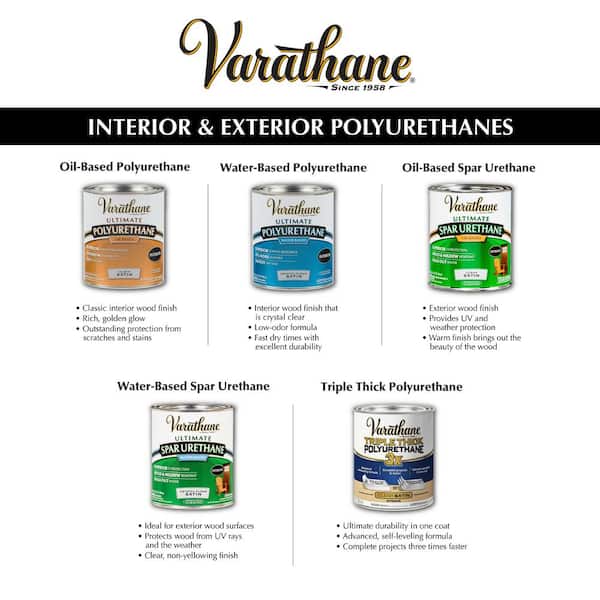
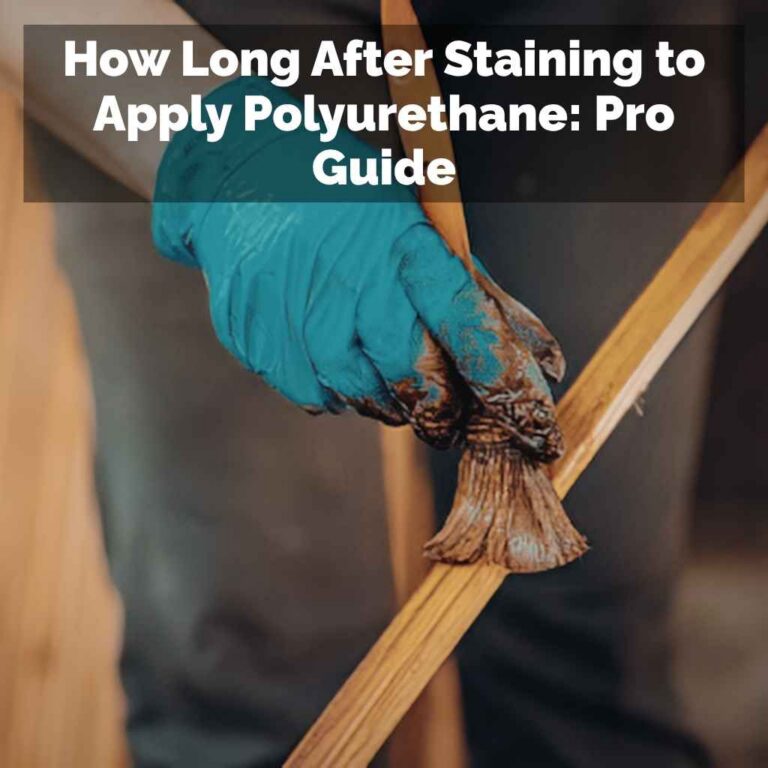
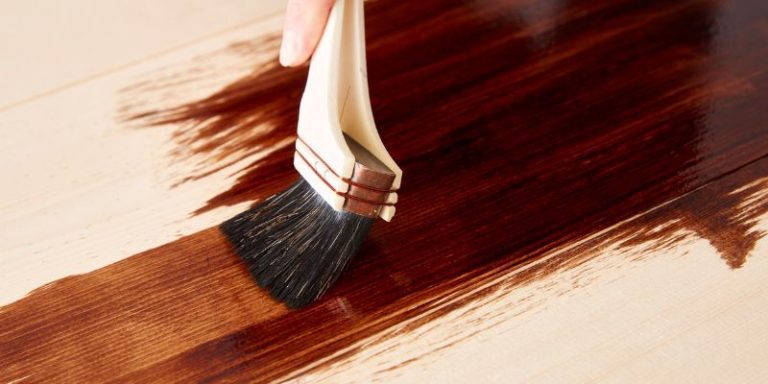
Polyurethaneis easy to apply. Use a brush or roller. The surface must be clean. This ensures good adhesion. Multiple coats are often needed. Between coats, sanding is important. It creates a smooth finish.
Ease Of Use
Tung oilis simple. Apply with a cloth. It penetrates wood well. No need for sanding between coats. This saves time. Less equipment is needed. Perfect for small projects.
Drying Time
Polyurethane dries fast. In a few hours, it’s touchable. Full cure takes longer. Sometimes days are needed. Tung oil dries slowly. It takes several days. Patience is required. Each layer must dry well.
Environmental Impact
Polyurethane is made from chemicals. It is not very eco-friendly. Making it uses fossil fuels. These can harm the environment. Tung oil comes from seeds. It is natural and renewable. Growing these seeds helps the planet. Tung oil is biodegradable. It breaks down easily in nature. Polyurethane does not break down. It stays in the environment for a long time.
Polyurethane can release harmful fumes. These fumes are not safe to breathe. They can cause health problems. Tung oil is safer to use. It has fewer fumes. It is less likely to cause harm. Polyurethane may contain toxic chemicals. Tung oil is mostly non-toxic. It is safer for people and pets. Always ventilate rooms when using Polyurethane.
Cost Analysis
Polyurethane costs more than Tung Oil. It needs more tools and materials. Tung Oil is cheaper and simpler. You only need a brush and the oil. Polyurethane requires brushes, rollers, and maybe a sprayer. This increases the initial cost. Tung Oil saves money. Great for small budgets. Easy to start with.
Polyurethane lasts a long time. It gives strong protection. Tung Oil needs more care. It must be reapplied often. Over time, costs can add up with Tung Oil. Polyurethane stays strong for years. No need for frequent touch-ups. Great for long-term savings. Tung Oil is good for small projects. Polyurethane suits large projects.

Credit: www.pinterest.com
Suitability For Different Projects
Polyurethane is perfect for both indoor and outdoor projects. It creates a strong shield on wood. This helps protect against rain and sunlight. Tung oil is mainly for indoor use. It gives wood a nice, natural look. It is not as good against weather. For outdoor projects, polyurethane is the better choice. Indoors, tung oil shines best.
Polyurethane works with many types of wood. It can be used on oak, pine, and more. This makes it very versatile. Tung oil is best for special woods. It is great on walnut and cherry. Some woods absorb tung oil better. Each wood type has its match. Choose the right finish for the right wood.
Credit: eaglehardwoodflooringny.com
Frequently Asked Questions
What Are The Downsides Of Tung Oil?
Tung oil dries slowly and may require multiple coats for a durable finish. It can be expensive compared to alternatives. Staining can occur if not applied properly. It offers limited protection against heat and chemicals. Regular maintenance is needed to retain its appearance.
What Is The Disadvantage Of Polyurethane Wood Finish?
Polyurethane wood finish can yellow over time, affecting the wood’s appearance. It emits strong fumes during application, requiring proper ventilation. It can be challenging to repair or refinish, necessitating complete removal. Application mistakes can cause streaks or bubbles, needing careful application for a smooth finish.
Should I Use Wood Oil Or Polyurethane?
Choose wood oil for a natural finish and warmth. Opt for polyurethane for durability and water resistance. Select based on your project’s needs and desired look.
What Is The Downside Of Oil-based Polyurethane On Wood?
Oil-based polyurethane yellows over time, altering wood color. It emits strong fumes and dries slowly. It can be challenging to clean up and requires mineral spirits for removal. The finish is thicker, which may hide the wood’s natural grain. Frequent maintenance is needed to retain its appearance.
Conclusion
Choosing between polyurethane and tung oil depends on your needs. Polyurethane offers durability and protection for surfaces. It’s great for high-traffic areas. Tung oil enhances natural beauty. It penetrates wood and gives a warm finish. Easy to apply and maintain.
Consider your project type. Also, think about the finish you desire. Both options have their benefits. Polyurethane suits modern, busy spaces. Tung oil fits rustic, elegant designs. Make a choice based on your priorities. Each finish brings unique qualities to your projects.