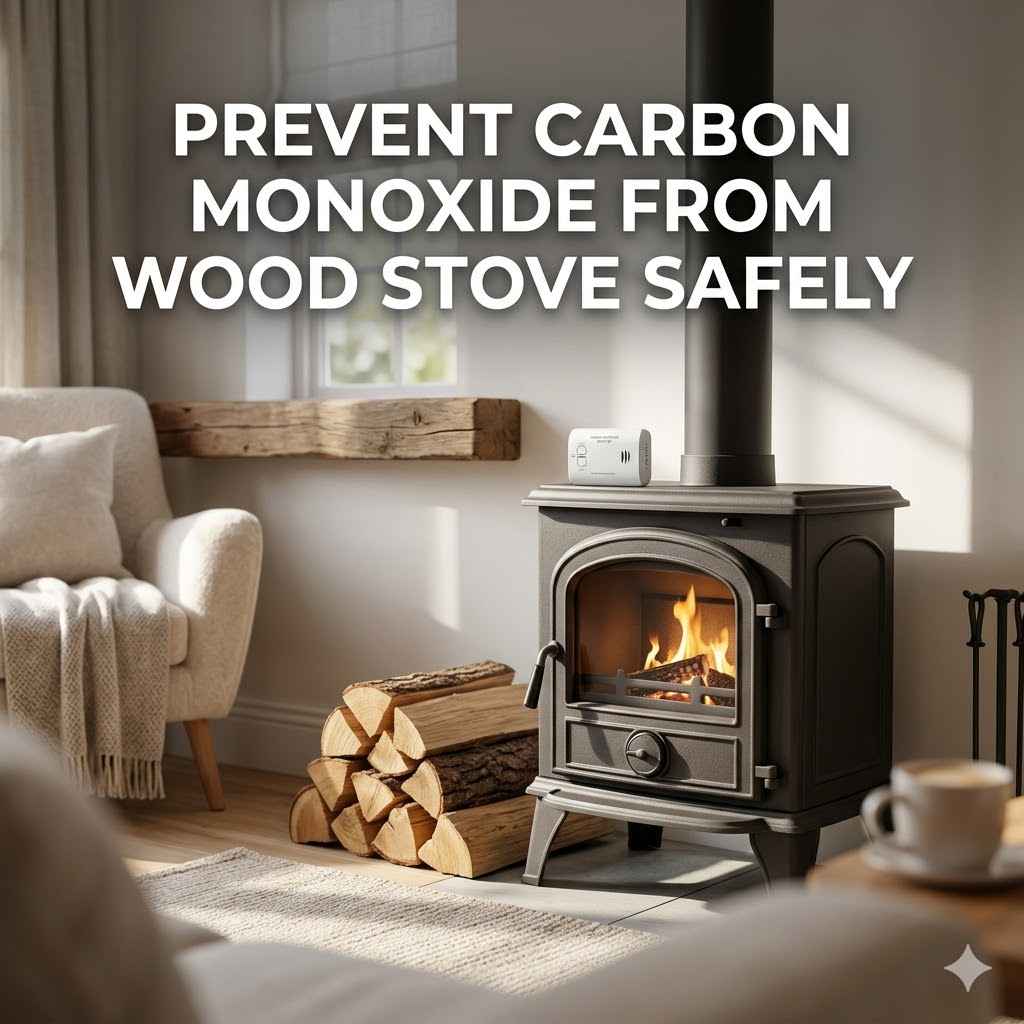
Prevent Carbon Monoxide from Wood Stove Safely
Keeping your home warm with a wood stove is a wonderful idea, but it’s super important to do it safely. For many people, especially those new to wood heating, the thought of how to Prevent Carbon Monoxide from Wood Stove Safely can seem tricky. This invisible gas is a real danger, and it’s easy to worry about getting it wrong. Don’t fret! We’ll walk through simple steps to make sure your wood stove is safe for your family. We’ll cover the basics you need to know to enjoy your cozy fire without any worries.
Why Wood Stove Safety Matters
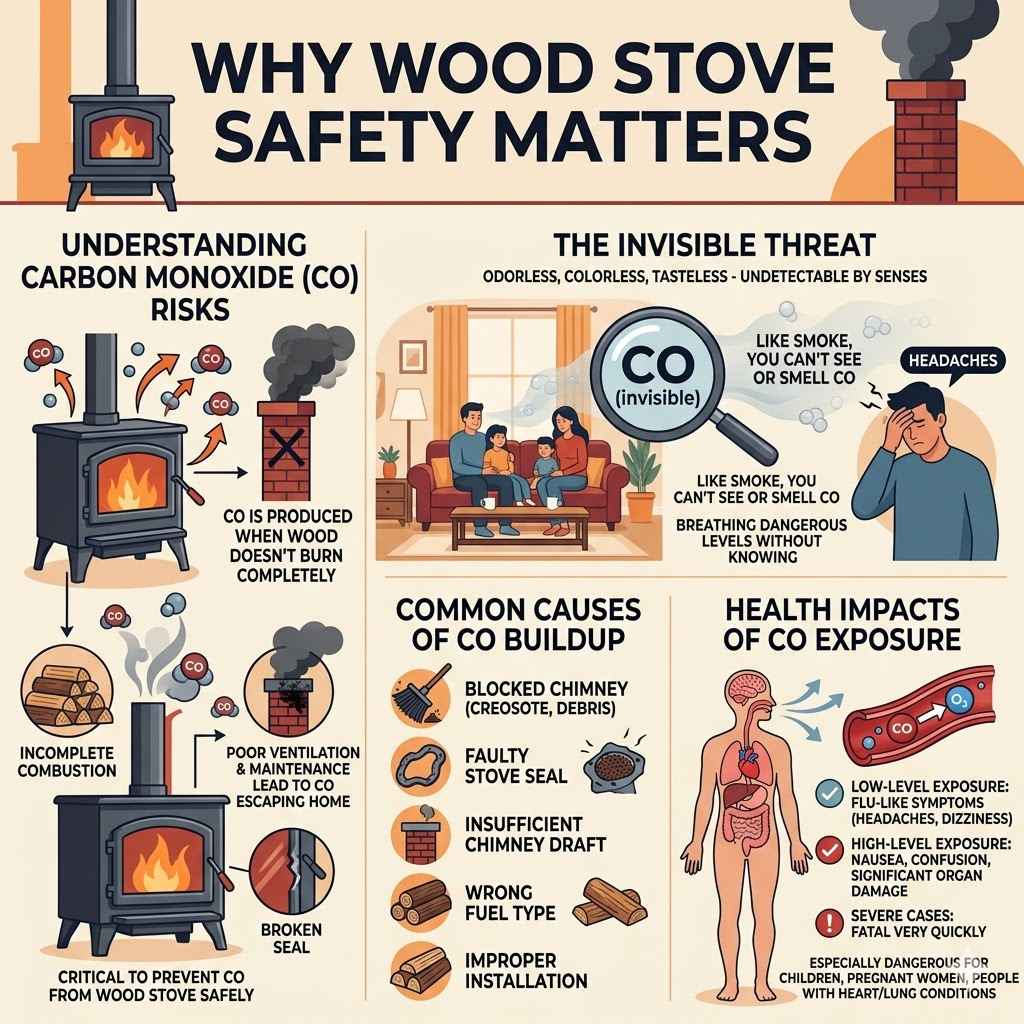
Wood stoves offer a cozy and rustic charm, bringing a special kind of warmth to any home. However, the very process that creates this warmth also produces a dangerous byproduct: carbon monoxide. This gas is odorless, colorless, and tasteless, making it incredibly difficult to detect without proper equipment. Many people find it challenging to understand how to properly operate and maintain their wood stoves to prevent this silent threat. This section will explore the fundamental reasons why being vigilant about carbon monoxide is not just a suggestion but a necessity for anyone using a wood stove.
Understanding Carbon Monoxide Risks
Carbon monoxide, often called CO, is produced when fuels like wood don’t burn completely. This happens when there isn’t enough oxygen for a full combustion process. When a wood stove is used, especially if it’s not properly installed, maintained, or operated, CO can escape into your home. This is why learning how to Prevent Carbon Monoxide from Wood Stove Safely is so critical. Simple things like a blocked chimney or a poorly ventilated stove can create a dangerous buildup of this gas.
The Invisible Threat
Carbon monoxide is a major safety concern because it’s undetectable by our senses. Unlike smoke, which you can see and smell, CO is completely hidden. This means you could be breathing in dangerous levels without knowing it. Symptoms can range from headaches and dizziness to nausea and confusion, and in severe cases, it can be fatal.
Common Causes of CO Buildup
Several factors can lead to carbon monoxide buildup from a wood stove. These include a chimney that isn’t swept regularly and becomes blocked with creosote or debris, a stove with a faulty seal, or a chimney that doesn’t have enough draft to vent fumes properly. Even using the wrong type of fuel or an improperly installed stove can contribute to the problem.
Health Impacts of CO Exposure
When you inhale carbon monoxide, it enters your bloodstream and reduces the amount of oxygen your blood can carry to your organs. This can have serious health consequences. Low-level exposure over time might lead to flu-like symptoms. Higher levels can cause significant organ damage or even death very quickly. It’s especially dangerous for children, pregnant women, and people with heart or lung conditions.
Safe Wood Stove Installation and Setup
Getting your wood stove set up correctly from the start is the first and most important step in preventing carbon monoxide issues. This involves more than just placing the stove in a room; it requires careful attention to building codes, proper ventilation, and the correct chimney system. A professionally installed system ensures that the gases produced during combustion are safely vented outside your home.
Choosing the Right Location
The placement of your wood stove matters a great deal for safety and efficiency. It needs to be on a non-combustible surface, like concrete or tile, to prevent fires. You also need to ensure there’s adequate clearance around the stove from walls and furniture. This prevents heat transfer that could ignite nearby materials. Proper placement also helps with airflow, which is key for good combustion.
Clearance Requirements
Manufacturers provide specific guidelines for how much space your stove needs around it. These are not suggestions; they are safety standards. Typically, you’ll need a certain distance from the back, sides, and front of the stove to any combustible materials like wood walls or furniture. Always check your stove’s manual for precise measurements.
Non-Combustible Hearth Pad
A hearth pad, made of materials like stone, tile, or brick, is essential beneath the stove. This pad protects your flooring from the intense heat and prevents embers from causing a fire. It needs to extend a specific distance in front of the stove to catch any falling ash or sparks.
Proper Ventilation Access
Your stove needs air to burn fuel effectively. Ensure that the room has a source of fresh air, especially if your home is very well-sealed. This could be a small vent or simply opening a window slightly when the stove is in use. Without enough air, the fire will struggle, produce more smoke, and increase the risk of CO.
Chimney and Venting Systems
The chimney is the exhaust pipe for your wood stove. It must be designed and installed to safely carry smoke and carbon monoxide gases out of your house. A properly functioning chimney creates a draft, which pulls the combustion byproducts upwards and out.
Chimney Type and Size
There are different types of chimneys, including masonry and pre-fabricated metal ones. The type and size must be matched to your specific wood stove. An undersized chimney won’t vent effectively, while an oversized one can lead to poor draft and creosote buildup. Professional installation is key here.
Chimney Height and Location
The chimney needs to be tall enough to create a good draft and clear any roof obstructions. Building codes usually specify the required height above the roofline. A chimney that is too short can be affected by wind and might not vent properly, increasing the risk of CO entering your home.
Creosote Formation and Prevention
Creosote is a tar-like substance that builds up inside chimneys as smoke cools. It’s highly flammable and a leading cause of chimney fires. To prevent excessive creosote buildup, burn only dry, seasoned wood and ensure your stove operates at the correct temperature for efficient burning.
Maintaining Your Wood Stove for Safety
Regular maintenance is non-negotiable for preventing carbon monoxide leaks and ensuring your wood stove operates safely. Just like a car needs oil changes and tune-ups, your wood stove needs attention to keep it in top condition. Neglecting these simple tasks can turn a cozy hearth into a serious hazard.
Regular Cleaning and Inspections
A clean stove and chimney are essential for safe operation. This involves more than just removing ash. It means keeping all parts of the stove functioning correctly and ensuring the venting system is clear and unobstructed.
Chimney Sweeping
You should have your chimney professionally cleaned at least once a year, or more often if you use your stove frequently. A chimney sweep will remove creosote buildup, check for damage, and ensure the flue liner is intact. This is a crucial step in preventing both fires and carbon monoxide leaks.
Ash Removal
Ash should be removed from the stove’s firebox regularly. However, it’s important to let the ash cool completely before removal, preferably for at least 24 hours. Store ashes in a metal container with a tight-fitting lid, away from any combustible materials.
Stove Component Checks
Periodically inspect the stove’s door gasket, firebrick lining, and baffles. A worn door gasket can let smoke and CO escape. Damaged firebricks reduce efficiency and can lead to stove damage. These parts can often be replaced by the homeowner, but professional advice is helpful.
Fuel Type and Burning Practices
What you burn and how you burn it significantly impacts safety. Using the right fuel and employing good burning habits are fundamental to efficient operation and preventing dangerous emissions.
Burning Dry, Seasoned Wood
The most critical factor for efficient and safe burning is using dry, seasoned wood. Wood that has been cut and dried for at least six to twelve months has a moisture content of less than 20%. Wet or unseasoned wood burns poorly, produces excessive smoke, and leads to rapid creosote buildup.
Avoiding Prohibited Materials
Never burn trash, treated lumber, plastics, or painted wood in your stove. These materials can release toxic fumes and create dangerous chemical byproducts that are harmful to your health and can damage your stove and chimney.
Proper Fire Starting and Management
Start your fires with dry kindling and gradually add larger pieces of wood. Avoid “smoldering” fires, which produce more carbon monoxide. Aim for a clean, bright flame. If the fire is smoking excessively, it’s a sign of incomplete combustion and a potential CO risk.
Detecting and Responding to Carbon Monoxide
Even with the best preventative measures, it’s vital to have ways to detect carbon monoxide and know what to do if it’s detected. Carbon monoxide detectors are your silent guardians, providing an early warning system.
Carbon Monoxide Detectors
These devices are essential safety tools for any home with a fuel-burning appliance, especially a wood stove. They alert you to the presence of CO before it reaches dangerous levels.
Types of Detectors
There are several types of CO detectors, including battery-powered, plug-in, and hardwired models. Some are combined with smoke detectors. It’s recommended to have both smoke and CO detectors on every level of your home and outside sleeping areas.
Placement and Maintenance
Install CO detectors on each level of your home, including the basement, and outside sleeping areas. Mount them on a wall about five feet from the floor or on the ceiling, away from vents and humid areas. Test them monthly and replace batteries as needed, or replace the entire unit every 5-10 years, depending on the manufacturer’s recommendation.
Understanding Alarms
When a CO detector sounds an alarm, it means carbon monoxide is present at dangerous levels. The alarm will typically be a series of beeps or chirps. Do not ignore it.
Responding to a CO Alarm
If your CO detector goes off, immediate action is required to ensure the safety of everyone in the home. Acting quickly can save lives.
Evacuate Immediately
If the alarm sounds, evacuate your home immediately. Take everyone, including pets, with you. Do not try to find the source of the leak or open windows and doors. Getting fresh air is the priority.
Call Emergency Services
Once you are safely outside, call your local fire department or emergency services from a safe distance or a neighbor’s home. Inform them that your carbon monoxide detector has activated.
Seek Medical Attention
If anyone in your household is experiencing symptoms of carbon monoxide poisoning, such as headache, dizziness, nausea, or fatigue, seek immediate medical attention. Tell the medical professionals you suspect CO poisoning.
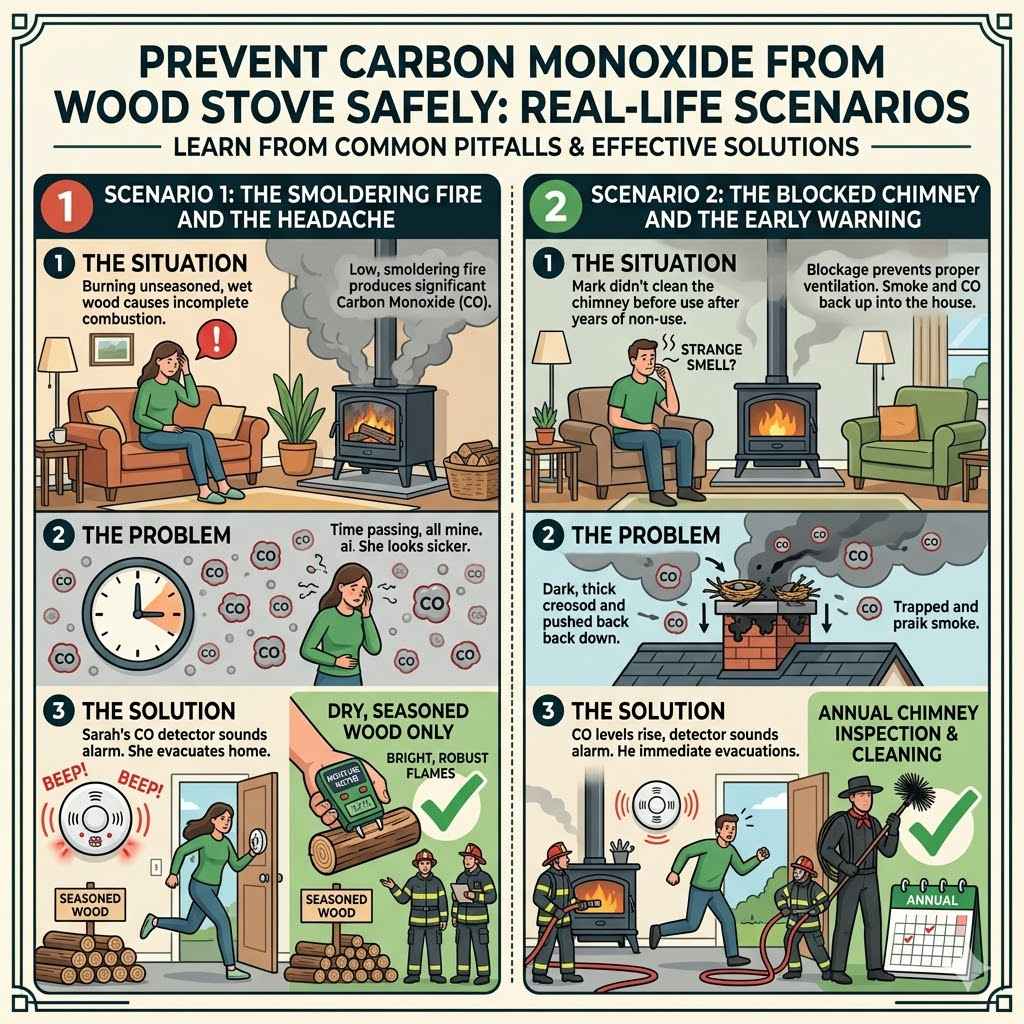
Prevent Carbon Monoxide from Wood Stove Safely: Real-Life Scenarios
Understanding the theory behind preventing carbon monoxide is one thing, but seeing it in action through real-life scenarios can solidify its importance and demonstrate practical application. These examples highlight common pitfalls and effective solutions for those learning how to Prevent Carbon Monoxide from Wood Stove Safely.
Scenario 1: The Smoldering Fire and the Headache
The Situation: Sarah recently moved into a house with a wood stove. It was a cold evening, and she built a fire, but instead of a bright flame, it was mostly producing a lot of smoke and a low, smoldering glow. She felt a dull headache start to develop but didn’t think much of it, attributing it to stress.
The Problem: Sarah was burning wood that was not fully seasoned, leading to incomplete combustion. The smoldering fire produced a significant amount of carbon monoxide, which began to fill the living room. Her lack of awareness about proper fuel type and the importance of a bright flame meant she was unknowingly exposed to CO.
The Solution: Luckily, Sarah had a carbon monoxide detector. When her headache worsened, the detector began to beep. She evacuated her home and called the fire department. After the all-clear, she learned from the firefighters about the importance of burning only dry, seasoned wood and ensuring a good draft for a clean burn. She then invested in a moisture meter to check her wood and made sure to leave the air vents open enough for a robust flame.
Scenario 2: The Blocked Chimney and the Early Warning
The Situation: Mark had a wood stove that hadn’t been used for a couple of years. He decided to start it up on a chilly autumn day. He didn’t think about cleaning the chimney, assuming it was fine. Within an hour, he noticed a strange smell and a faint haze near the ceiling.
The Problem: The chimney had accumulated creosote and potentially nesting material over the unused period. This blockage prevented proper ventilation. The smoke and CO couldn’t escape, causing them to back up into the house. The smell and haze were early indicators of trouble.
The Solution: Mark had a carbon monoxide detector installed near his wood stove. As the CO levels began to rise, the detector sounded its alarm. He immediately evacuated and called for help. The fire department identified the blocked chimney as the source. Mark learned the hard way that regular maintenance, especially chimney sweeping, is a vital part of how to Prevent Carbon Monoxide from Wood Stove Safely. He now schedules annual chimney inspections and cleanings before each heating season.
Frequently Asked Questions
Question: How often should I test my carbon monoxide detector?
Answer: You should test your carbon monoxide detector every month to ensure it is working properly. This involves pressing the test button until the alarm sounds.
Question: What kind of wood is best to burn in a wood stove?
Answer: The best wood to burn is dry, seasoned hardwood like oak, maple, or ash. It should have a moisture content below 20%.
Question: Can I use my wood stove if the carbon monoxide detector goes off?
Answer: No, you should never use your wood stove if the carbon monoxide detector goes off. Evacuate immediately and call emergency services.
Question: What are the first symptoms of carbon monoxide poisoning?
Answer: The first symptoms of carbon monoxide poisoning often mimic the flu and can include headaches, dizziness, nausea, and fatigue.
Question: How do I know if my chimney needs cleaning?
Answer: If you notice soot or creosote buildup inside your chimney, or if your fire is not drafting well, it likely needs cleaning. Professional inspection is recommended annually.
Summary
Learning how to Prevent Carbon Monoxide from Wood Stove Safely involves several key steps. Ensure proper installation with adequate clearances and a suitable chimney. Maintain your stove and chimney through regular cleaning and inspections. Always use dry, seasoned wood and avoid burning prohibited materials. Install and regularly test carbon monoxide detectors. Know the symptoms of CO poisoning and have a clear evacuation plan if an alarm sounds. These practices are simple yet highly effective.