Proven Ways To Clean Glued Carpet
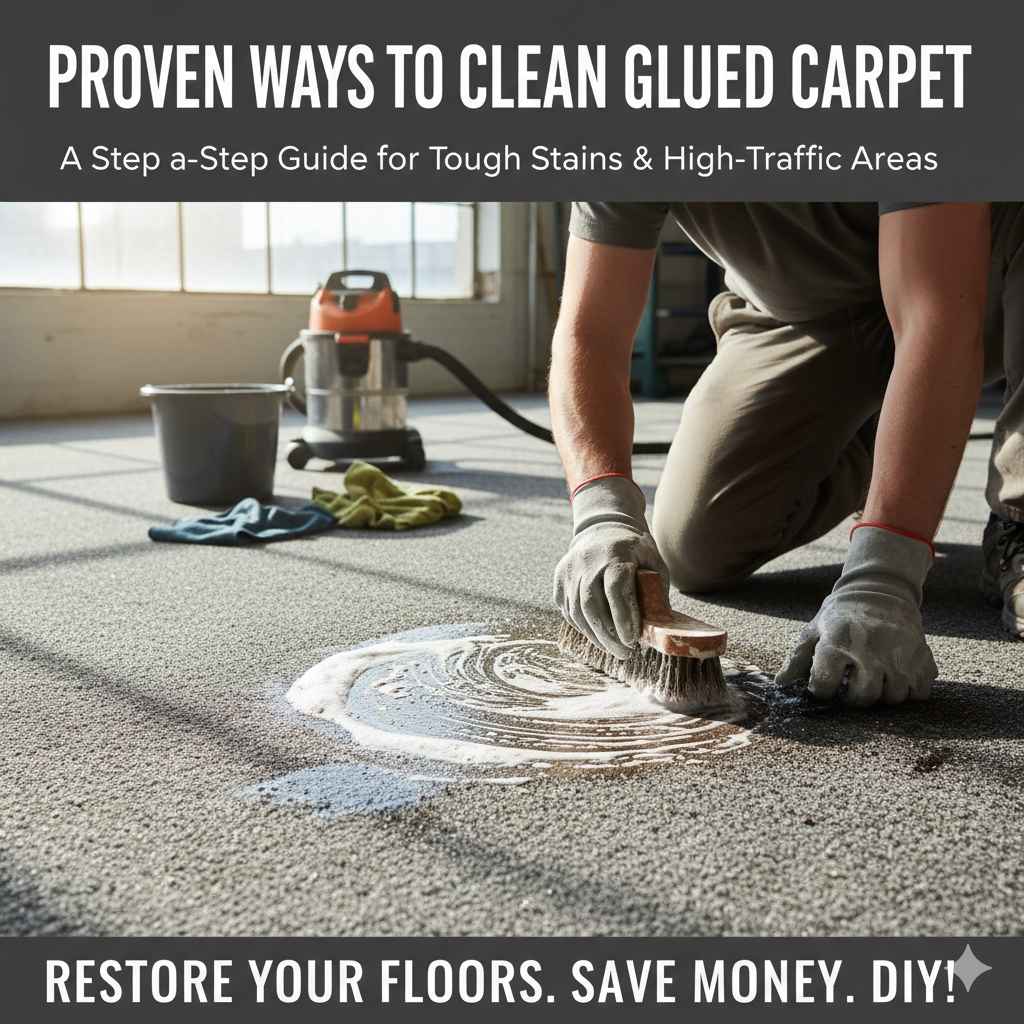
To clean glued-down carpet, start by gently scraping large debris, then apply a specialized adhesive remover or a mild soap solution. Work slowly in small sections, always blotting and never scrubbing, to dissolve the glue without damaging the carpet fibers. Always test your chosen cleaner first!
Welcome! Dealing with sticky residue or old carpet glue can feel like a big headache, especially when you just want to refresh your room. Maybe you pulled up old carpet tiles, or perhaps some adhesive leaked through to the surface. It happens to all of us during a DIY project. Don’t worry! You don’t need expensive pro tools or harsh chemicals for this job. With a little patience and the right technique, we can tackle that stubborn glue and get your carpet looking great again. This guide will walk you through safe, proven methods, step-by-step, so you can handle this confidently.
The Essential Prep Work: Getting Ready to Tackle Carpet Glue
Before we grab any cleaning agents, preparation is key. Think of this like setting up your workshop before starting a fine woodworking project—good prep makes the actual work much smoother and safer. We need to clear the area and identify exactly what we are dealing with.
Safety First: Protect Yourself and Your Space
When working with any cleaning chemicals, even mild ones, safety is the top priority. This protects your skin, eyes, and the air quality in your home.
Necessary Safety Gear Checklist:
- Gloves: Use sturdy, chemical-resistant gloves to protect your hands from solvents or harsh soaps.
- Eye Protection: Safety glasses are a must, especially when scraping or using liquid removers.
- Ventilation: Open windows and use fans. Good airflow helps dissipate fumes from adhesives or removers.
- Protective Clothing: Wear old clothes you don’t mind getting a little messy.

Identify the Adhesive Type
Not all glue is created equal! The best cleaning method depends heavily on what kind of adhesive was used. Most carpet glues fall into two main categories:
- Water-Based (Latex/Acrylic): These are generally easier to clean when wet but can be tough once dried. They respond better to water and mild soap.
- Solvent-Based (Urethane/Epoxy): These are stronger, more permanent, and often require a specialized solvent to break them down. These require more care during removal.
If you are working on removing old, dried glue after pulling up carpet tiles, it’s often a mix. Look at the residue—is it hard and brittle, or still slightly gummy? This tells you where to start.
Gather Your Tools for Glue Removal
Having the right tools makes the job much faster. We are aiming for gentle removal, not aggressive scrubbing, which can fray your carpet fibers.
| Tool Category | Recommended Item | Why You Need It |
|---|---|---|
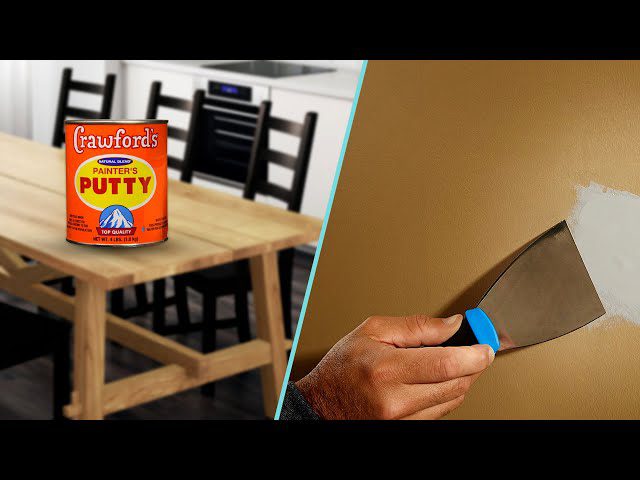
| Scraping Tools | Plastic putty knife or dull scraper | To lift thick, loose residue without cutting the carpet backing. |
| Cleaning Agents | Specialized carpet adhesive remover OR Vinegar/Dish Soap | To dissolve or soften the bond between the glue and the carpet fibers. |
| Absorption | Clean white rags or paper towels | For blotting up dissolved glue—avoid colored cloths that might bleed dye. |
| Agitation | Stiff nylon brush (not wire) | For gentle agitation on small, stubborn spots. |
Method 1: Cleaning Fresh or Mildly Dried Glue Spots
If you’ve just spilled something sticky or have a fresh glue spot, speed is your friend. This method focuses on using simple household items for quick cleanup.
Step-by-Step for Water-Soluble Glues
This works best for latex-based glues or general surface stickiness.
- Scrape the Excess: Use your plastic putty knife to gently scrape off any thick, surface glue. Work slowly, keeping the knife nearly flat against the carpet fibers to avoid pulling them out.
- Create a Gentle Solution: Mix a small amount of mild, clear dish soap (like Dawn) with warm water. You want a slightly sudsy mixture, not a bucket full of bubbles. Alternatively, use a 50/50 mix of white vinegar and water for extra cutting power.
- Apply Locally: Dampen a clean white rag with your solution. Do not soak the carpet, as excess moisture can damage the carpet backing or subfloor. Dab the affected area gently.
- Let It Dwell: Allow the solution to sit on the glue for about 5 to 10 minutes. This gives the soap or vinegar time to break down the bond.
- Blot, Don’t Rub: Using a clean, dry part of your rag, gently blot the area. You should see the glue residue transferring from the carpet onto your rag. If you scrub, you risk pushing the glue deeper or damaging the carpet pile.
- Rinse and Repeat: Lightly dampen a new rag with plain cool water and blot the area again to rinse out the soap residue. Blot dry thoroughly. Repeat the entire process if necessary.
Pro Tip for Beginners: Always test your cleaning solution on an inconspicuous spot (like inside a closet) first. Wait 15 minutes to ensure the color doesn’t run or the fibers don’t react poorly.
Method 2: Tackling Stubborn, Dried-In Carpet Glue Residue
When the glue has dried hard—perhaps from an old installation—we need something stronger to soften it. This is where specialized products or stronger natural solvents come in handy. Remember, we are aiming to re-liquefy the glue so we can lift it.
Using Commercial Adhesive Removers
For heavy-duty jobs, dedicated adhesive removers are often the fastest and most effective route. Look for products specifically labeled as “Carpet Adhesive Remover” or “Mastic Remover.” Many professional contractors rely on these products because they are engineered to dissolve the polymer bonds.
Before using any strong chemical solvent, check the manufacturer’s recommendations on the Environmental Protection Agency (EPA) website regarding proper ventilation and disposal for the specific chemical you choose.
Steps for Solvent-Based Removal:
- Ventilate Heavily: This is non-negotiable when using strong solvents. Ensure fans are running and windows are wide open.
- Apply Sparingly: Following the product directions, apply a small amount directly onto the dried glue spot. Many removers work best when applied under plastic wrap to keep the solvent active longer.
- Wait Patiently: Let the product work for the time specified on the label (this might be 30 minutes or even several hours). The glue should start to look softened or gummy again.
- Scrape Carefully: Use your plastic scraper to gently lift the softened glue. Work from the edges toward the center of the spot.
- Saturate and Blot: Once you’ve lifted the bulk, apply a little more remover to the remaining film, let it sit briefly, and then blot vigorously with clean, dry rags until the residue stops transferring.
- Neutralize (If Required): Some powerful solvents require a follow-up rinse with a mild soap and water solution to neutralize the area. Check the remover instructions!
The Power of Heat: Melting the Bond
Heat can soften many types of industrial adhesives, making them pliable enough to lift. This works best on thicker, gummy residues rather than thin, brittle ones.
How to Safely Use Heat on Carpet Glue:
- The Tool: You will need a clothes iron set to a medium-high setting (no steam) and a piece of clean, heavy cardboard or a thick, clean white cotton cloth.
- Position the Barrier: Place the cardboard or cloth directly over the glue spot. This acts as a sacrificial layer between the iron and your carpet.
- Apply Heat: Press the hot iron onto the cardboard/cloth barrier for about 10 to 20 seconds. Do not hold it in one spot too long, as you risk scorching the carpet fibers.
- Lift and Check: Quickly lift the iron and cardboard. The heat should have softened the glue, causing it to stick to the bottom of the cardboard or cloth barrier.
- Repeat: Move the cardboard to a clean spot and repeat the heating process until the residue is gone. This is often a messy but effective technique for localized spots.
Understanding the Carpet Backing: What You Can Safely Clean
When cleaning glued carpet, you are really trying to clean the carpet fibers, not the backing itself. The backing (usually jute, synthetic fiber, or rubber) is very susceptible to damage from harsh chemicals or excessive moisture.
Here is a quick comparison of how different parts of the carpet react:
| Carpet Component | Vulnerability to Solvents | Impact of Excessive Moisture |
|---|---|---|
| Nylon/Synthetic Fibers | Generally resistant, but color dye can bleed. | Low risk, but can wick dirt back to the surface. |
| Jute/Natural Fiber Backing | High risk; certain solvents can weaken the fibers. | Very high risk; prolonged wetness leads to mildew and shrinkage. |
| Rubber/Latex Backing | High risk; strong solvents (like acetone) can dissolve the rubber entirely. | Low risk if dried quickly, but can detach from the carpet pile. |
If you are dealing with glue residue that has soaked through to the padding or subfloor, you must allow that area to dry completely. According to building science resources, adequate drying time is essential to prevent mold and mildew growth underneath the carpet system, which can lead to bigger problems down the road.
Troubleshooting Common Beginner Mistakes
As a DIY guide, I know that things don’t always go perfectly the first time. Here are common pitfalls when trying to clean glued carpet and how to fix them.
Mistake 1: Scrubbing Too Hard
When you see a stain, the natural instinct is to scrub aggressively. With carpet, scrubbing separates the fibers, creating a fuzzy, worn-out looking patch that never looks right again. Instead of scrubbing, focus on repeated, firm blotting.
Mistake 2: Over-Wetting the Area
Applying too much liquid—whether water, vinegar, or solvent—is a major issue. Excess moisture can penetrate past the carpet backing, softening the subfloor or creating an environment for mold. Always use liquids sparingly, applying them to a rag first, not directly to the carpet.
Mistake 3: Using the Wrong Tool for Scraping
Never use a metal scraper or the sharp edge of a utility knife to lift glue from the carpet surface. These tools will instantly slice the carpet fibers or the delicate backing material. Stick to dull plastic or wooden scrapers for surface removal.
Mistake 4: Not Letting the Remover Work
It’s tempting to jump in after 5 minutes when the glue looks slightly softened. If you are using a strong solvent, you need to respect the dwell time. Give the chemical the full time required on the label to chemically break the adhesive bond; this saves you immense physical effort later.
Alternative Natural Solvent: Goo Gone and Citrus Cleaners
If you prefer to avoid heavy-duty industrial chemicals but find vinegar isn’t quite cutting it, citrus-based cleaners (like Goo Gone, which uses citrus oil extracts) can be highly effective on many types of sticky residue.
These cleaners work by using natural oils to break down the adhesive polymers without using harsh petroleum distillates. They smell much better, too!
Using Citrus-Based Removers:
- Application: Apply a small amount directly to the glue residue.
- Agitate Gently: Use a soft nylon brush to gently work the cleaner into the edges of the glue.
- Wait: Allow 15 minutes for the oils to penetrate.
- Scrape and Blot: Scrape away the loosened glue, then blot the remaining oily residue with a dry rag.
- Final Clean: Because these leave an oily film, you must follow up with a light soap and water blot (Method 1, Step 5) and then rinse thoroughly with plain water to ensure no residue attracts new dirt.
This method often provides a good balance of effectiveness and user-friendliness for homeowners looking for reliable, beginner-safe options when tackling how to clean indoor/outdoor carpet that is glued down.
Post-Cleaning Care and Finalizing the Area
Once the glue is completely gone, your job isn’t quite finished. We need to ensure the area is dry and the carpet fibers look natural again.
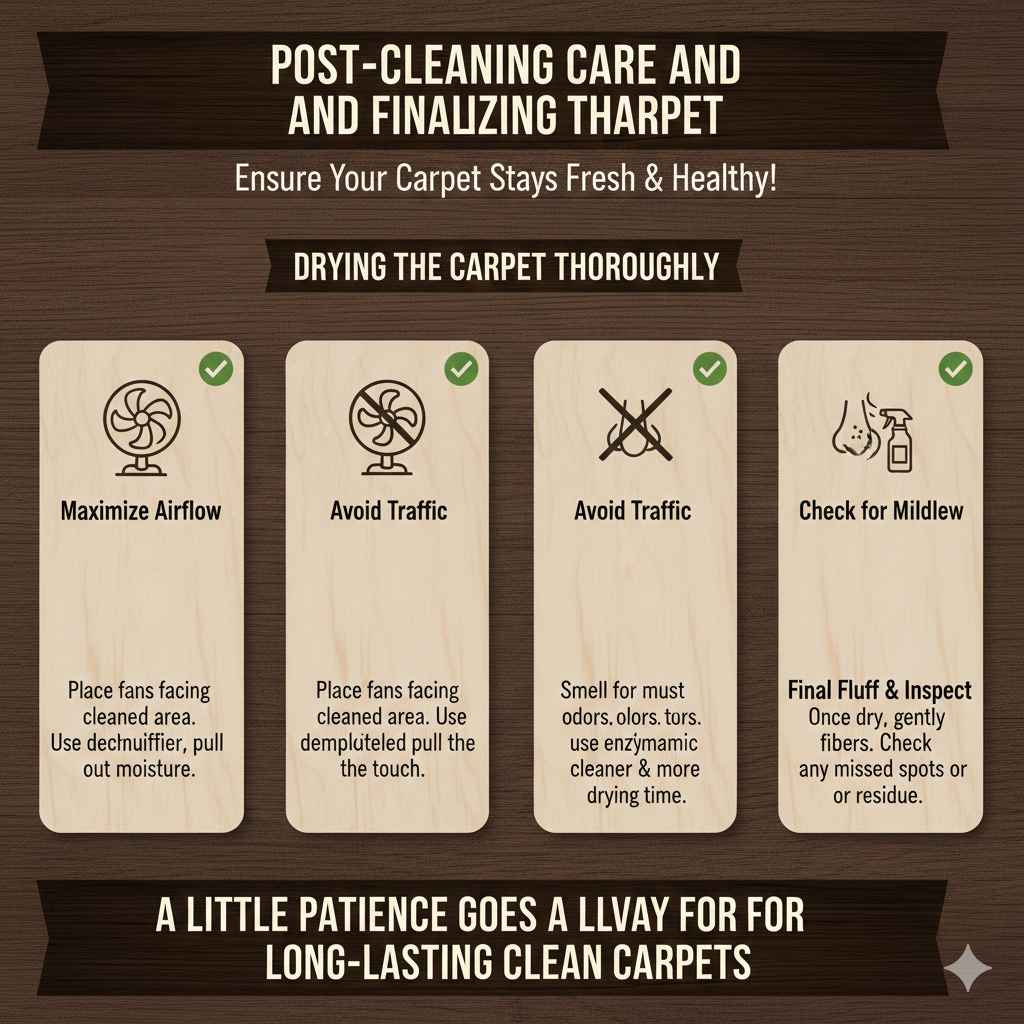
Drying the Carpet Thoroughly
This step is critical, especially if you used any water-based solution or needed to rinse a solvent.
- Maximize Airflow: Place fans directly facing the cleaned area. If possible, use a dehumidifier in the room to pull moisture out of the air and the carpet fibers.
- Avoid Traffic: Keep foot traffic off the damp area until it is completely dry to the touch.
- Check for Mildew: Smell the area. If you detect any musty odor, you need more drying time, perhaps with an added enzymatic cleaner designed to neutralize organic matter.
Restoring the Carpet Pile
After blotting and scraping, the carpet fibers in the cleaned area might look a bit matted down. This is normal!
Take a clean, stiff brush (the same nylon brush used for agitation) or even a carpet rake. Brush the fibers in a circular motion, then brush them in the direction of the natural nap. This lifts the crushed fibers and restores the texture.
Frequently Asked Questions (FAQ) About Cleaning Glued Carpet
Q1: Can I use a steam cleaner on glued-down carpet glue?
A: Generally, no. High heat and excessive moisture from a steam cleaner can reactivate or spread certain glues, and excessive water can damage the carpet backing and subfloor, leading to mildew.
Q2: Is rubbing alcohol safe for removing carpet glue?
A: Yes, isopropyl alcohol (rubbing alcohol) is a mild solvent that can soften some types of glue residue without being overly harsh on most synthetic carpet fibers. Always test it first, and use it only by blotting.
Q3: How do I remove glue residue that has dried hard on the fibers themselves?
A: For hard residue directly on the fibers, the heat method (using an iron and cardboard) is often best. The heat softens the bond, allowing you to lift it onto the cardboard without scraping the fiber itself.
Q4: Will these methods work on glue spilled on outdoor carpet?
A: Yes, the principles are the same for outdoor carpet, but outdoor materials are often more durable. You can generally use slightly more agitation, but avoid strong petroleum-based solvents if the outdoor carpet is synthetic (like polypropylene), as they can melt the plastic fibers.