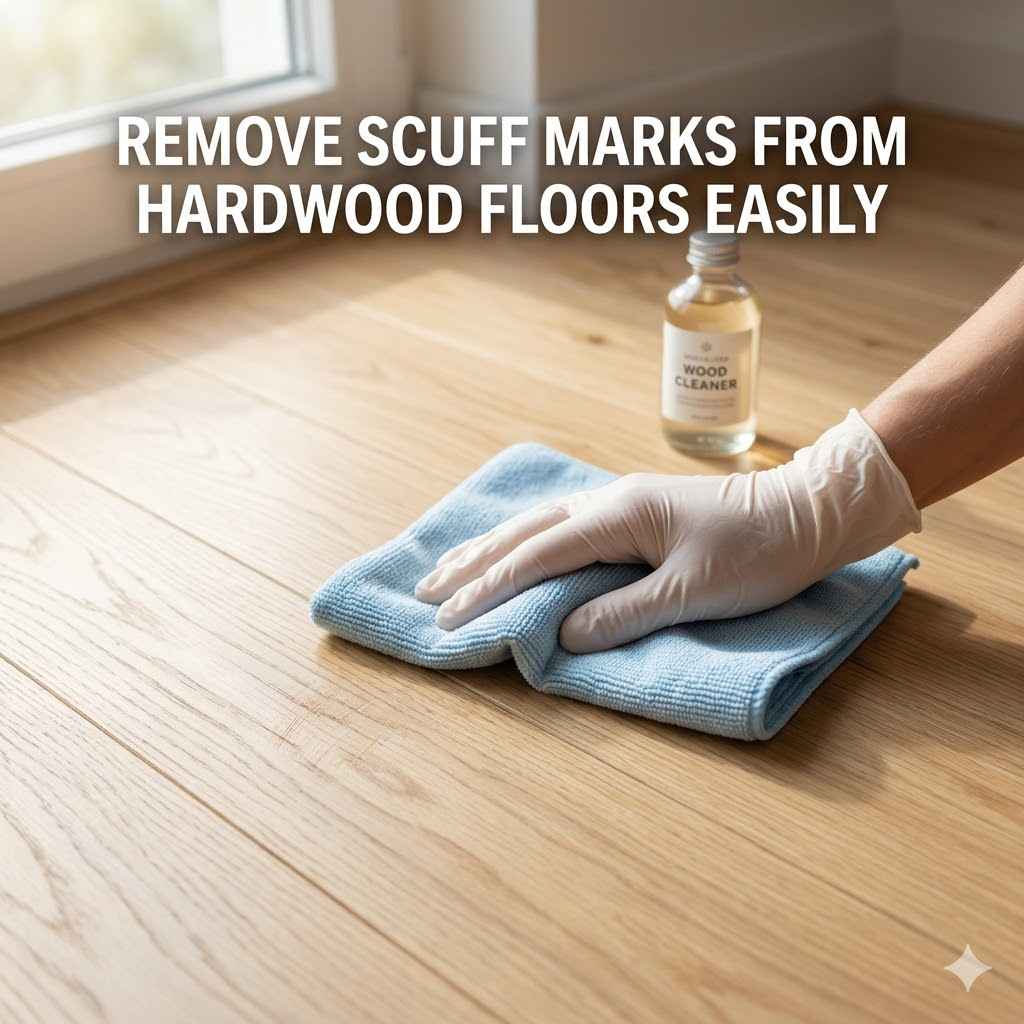
Remove Scuff Marks From Hardwood Floors Easily
Seeing scuff marks on your beautiful hardwood floors can be frustrating. You might worry that getting rid of them is a big, complicated job, especially if you’re new to floor care. But don’t worry!
It’s totally possible to Remove Scuff Marks from Hardwood Floors Easily yourself. We’ll walk you through some simple steps and show you how to make your floors look great again without any fuss. Get ready to learn some easy tricks!
This section is all about giving you practical, hands-on methods to tackle those annoying scuff marks. We will explore common household items that can work wonders and simple cleaning techniques that won’t damage your floor’s finish. The goal is to make this process straightforward, so you can quickly restore the shine and appearance of your wood floors.
Using Common Household Items
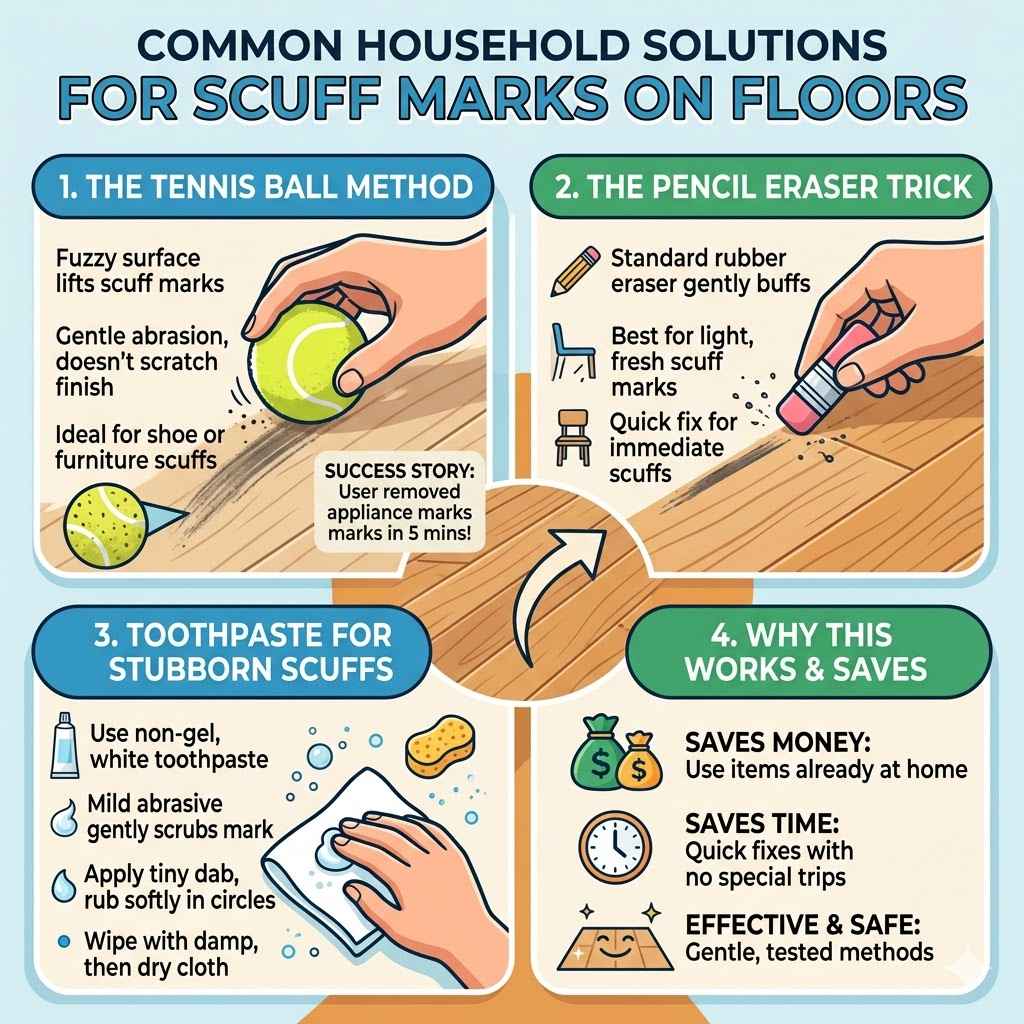
Many times, the best solutions are already in your home. You don’t need fancy cleaners to get rid of scuff marks. We’ll look at items like tennis balls, erasers, and even toothpaste, explaining exactly how they work and why they are effective.
This approach saves you money and time.
The Tennis Ball Method
Did you know a simple tennis ball can be a scuff mark remover? The fuzzy surface of a tennis ball is surprisingly gentle yet effective at lifting away marks. This is especially useful for scuff marks left by shoes or furniture.
The slight abrasion from the felt can dislodge the scuff without scratching the floor finish.
To use this method, take a clean tennis ball and gently rub the scuff mark in a circular motion. You don’t need to press hard. The friction helps to lift the mark away.
For stubborn marks, you might need to rub for a bit longer. After you’ve removed the scuff, wipe the area with a soft, dry cloth to remove any residue.
One user reported success removing dark scuff marks from their kitchen floor, which had been caused by moving a heavy appliance. They tried a few different cleaners without luck. Using a tennis ball took about five minutes and completely removed the marks, leaving no damage to the polyurethane finish.
The Pencil Eraser Trick
A standard pencil eraser, the kind you find in most homes, can also be a surprisingly effective tool for removing scuff marks from hardwood floors. This method is best for lighter scuffs that haven’t deeply embedded themselves into the floor’s finish. The rubber of the eraser gently buffs away the mark without being too abrasive.
Simply take a clean, non-colored eraser and gently rub it over the scuff mark. Again, use a light pressure and a back-and-forth or circular motion. You should see the scuff start to disappear.
Once the mark is gone, use a soft cloth to wipe away any eraser residue. It’s important to use a clean eraser to avoid transferring any graphite or dirt onto your floor.
Imagine you’ve accidentally dragged a chair leg across your light oak floor, leaving a dark line. A pink or white pencil eraser can often lift this mark right off. This is a quick fix for when you notice a fresh scuff.
Toothpaste for Stubborn Scuffs
For scuff marks that are a bit more stubborn, a small amount of non-gel toothpaste can be used. The mild abrasive nature of toothpaste helps to gently scrub away the mark. It’s important to use a white, non-gel toothpaste and a very small amount, as too much can be too abrasive for some finishes.
Apply a tiny dab of toothpaste directly to a soft cloth. Gently rub the scuff mark in a circular motion. Don’t scrub too hard, and be sure to work only on the scuff itself.
After you have removed the mark, wipe the area clean with a slightly damp cloth, and then dry it thoroughly with another soft cloth. This method is best used sparingly and for specific, tough marks.
Natural Cleaning Solutions
Beyond common household items, there are natural cleaning solutions you can make at home that are safe for your hardwood floors and effective against scuff marks. These often involve ingredients you already have in your kitchen, making them an eco-friendly and budget-conscious choice.
Vinegar and Water Solution
A diluted vinegar and water solution is a classic natural cleaner for many surfaces, including hardwood floors. The acetic acid in vinegar can help break down the residues that cause scuff marks. When diluted properly, it’s gentle enough not to damage most floor finishes.
Mix one part white vinegar with two parts water in a spray bottle or bucket. Dampen a soft cloth with this solution. Wring out the cloth well so it is not dripping wet.
Gently wipe over the scuff marks. For tougher marks, you may need to let the solution sit for a minute before wiping. Always follow up by drying the area with a clean, dry cloth to prevent water spots or damage.
A study published in the Journal of Environmental Management found that white vinegar is an effective disinfectant and cleaner when used in appropriate dilutions, highlighting its potential for household cleaning tasks.
This method is great for general cleaning and can help lift away grime that might contribute to the appearance of scuff marks. It’s important to remember that while vinegar is natural, it is acidic, so proper dilution is key to protecting your floor’s finish. Never use undiluted vinegar on hardwood floors.
Olive Oil and Vinegar Polish
For a method that not only removes scuffs but also leaves a nice shine, a mixture of olive oil and vinegar can work well. This acts as a gentle cleaner and a polish all in one. The oil helps to condition the wood, while the vinegar cuts through the scuff mark.
Combine one cup of water, one-fourth cup of white vinegar, and two tablespoons of olive oil. Mix them well. Dampen a soft cloth with this mixture and apply it to the scuff marks, rubbing gently.
The oil will leave a slight sheen, so you might not need to polish the entire floor afterward. Wipe any excess mixture with a clean, dry cloth.
This is a less common, but effective, DIY approach for those looking to combine cleaning and conditioning. It’s especially useful for floors that might be looking a bit dull, as the olive oil can help restore some of their natural luster. Always test this mixture on an inconspicuous area first to ensure it doesn’t alter your floor’s appearance.
Professional Cleaning Methods and Products
While DIY methods are often effective, sometimes you might prefer or need to use products specifically designed for hardwood floor care. These products are formulated to clean and protect your floors, and many are excellent at removing scuff marks easily.
Hardwood Floor Cleaners
There are many commercial hardwood floor cleaners available. These are formulated to be safe for most finished hardwood floors and are often very good at lifting away dirt and scuff marks without leaving residue. Look for cleaners specifically designed for finished hardwood.
Always follow the manufacturer’s instructions on the product label. Generally, you will spray the cleaner onto a microfiber cloth or mop and then wipe the scuff marks. Avoid spraying cleaner directly onto the floor, as this can lead to excess moisture.
After cleaning the marks, you can buff the area with a dry cloth for extra shine.
Many brands offer pH-balanced cleaners that are designed to be gentle on the protective finish of hardwood floors. Some even contain conditioning agents that can help protect your floors from future damage and wear. When choosing a cleaner, check reviews or ask for recommendations from flooring professionals.
Microfiber Mops and Cloths
The tools you use are just as important as the cleaning agents. Microfiber mops and cloths are highly recommended for hardwood floor cleaning because they are very effective at picking up dirt and grime without scratching the floor. They also absorb moisture well, which is crucial for preventing damage to wood.
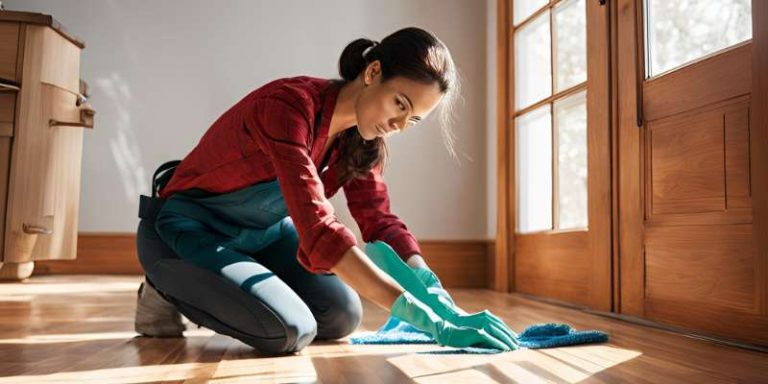
When tackling scuff marks, use a clean microfiber cloth or the microfiber pad on your mop. Dampen it with your chosen cleaning solution (whether it’s a commercial cleaner or a DIY mixture). Gently rub the scuff marks.
The fine fibers of the microfiber will trap the scuff mark particles, allowing you to lift them away from the floor surface. After cleaning, use a dry microfiber cloth to buff the area.
The structure of microfiber involves incredibly fine fibers, much thinner than a human hair, which allows them to trap more dirt and moisture. This makes them ideal for delicate surfaces like hardwood floors. Their ability to clean effectively with just water or minimal cleaning solution also contributes to their eco-friendliness.
A survey of cleaning professionals revealed that 85% prefer microfiber cloths for their effectiveness and gentleness on various surfaces, including hardwood. This preference highlights the superior cleaning capabilities of these tools for tasks like removing scuff marks.
Preventing Future Scuff Marks
Once you’ve successfully removed scuff marks, the next best thing is to prevent them from coming back. Implementing a few simple preventative measures can save you a lot of cleaning time and keep your hardwood floors looking their best for longer.
Furniture Pads and Protectors
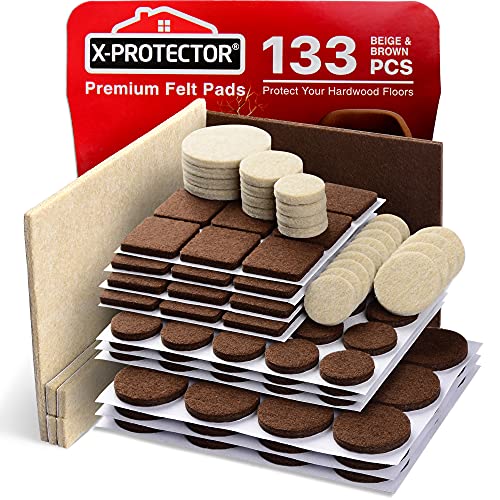
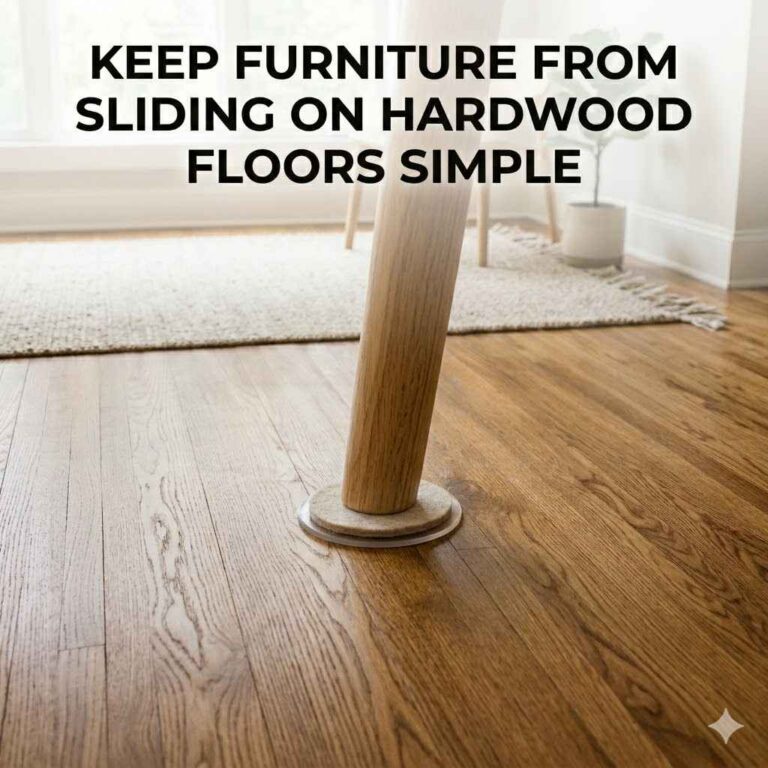
The most common cause of scuff marks is furniture legs dragging across the floor. Applying felt pads or protectors to the bottom of your furniture is a highly effective way to prevent this. These pads create a barrier that glides smoothly over the floor, rather than scratching it.
Ensure the pads are clean and securely attached to the furniture legs. For heavy furniture, like sofas or dining tables, it’s a good idea to check and replace these pads periodically as they can wear down or come loose. You can find these pads in various shapes and sizes to fit different furniture legs, and they are relatively inexpensive.
Consider the weight of the furniture. Heavy items like pianos or large cabinets might benefit from more robust protective solutions, such as furniture cups or sliders specifically designed for heavy loads. Even chairs that are moved frequently, like dining chairs, can cause significant wear over time without protection.
A homeowner reported that simply adding felt pads to all their dining chair legs eliminated the daily scuff marks that used to appear under their table. This small change made a big difference in maintaining the floor’s appearance.
Entrance Mats and Rugs
Shoes tracked indoors are a major contributor to scuff marks and overall floor damage. Placing sturdy mats at all entrances, both inside and outside, can significantly reduce the amount of dirt and grit that gets onto your hardwood floors.
Encourage everyone in your household and any guests to wipe their feet thoroughly on the mats. Consider having a “no shoes inside” policy if possible, or at least ask people to switch to soft indoor slippers. This simple habit can save your floors from many types of damage, including scuffs and scratches.
Strategically placed rugs in high-traffic areas, such as hallways or living room centers, can also provide an extra layer of protection. These rugs can absorb impact and prevent direct contact between shoes and the wood finish.
Regular Cleaning Habits
Maintaining a regular cleaning routine is crucial for preventing scuff marks and keeping your floors in good condition. This involves sweeping or vacuuming frequently to remove dust and grit that can act like sandpaper underfoot.
A quick sweep or vacuum every day or two can make a significant difference. When you do a more thorough cleaning, use appropriate hardwood floor cleaners and tools. Addressing minor scuffs as soon as you notice them can prevent them from becoming larger or more difficult to remove later.
The key is consistency. A few minutes of daily sweeping can prevent hours of scrubbing later. This proactive approach ensures your floors remain beautiful and well-maintained.
Addressing Different Types of Scuff Marks
Not all scuff marks are created equal. Understanding the type of scuff mark you’re dealing with can help you choose the most effective removal method. This section will guide you through identifying common types of scuffs and the best ways to tackle them.
Dark Scuff Marks from Shoes
These are perhaps the most common type of scuff mark, often appearing as dark streaks or spots left by rubber soles or other shoe materials. They can be quite visible, especially on lighter-colored floors. Luckily, they are usually among the easiest to remove.
For dark shoe scuffs, the tennis ball method or a clean pencil eraser are often the first things to try. The gentle friction is usually enough to lift the rubber or dye residue from the floor’s surface. If these don’t work, a mild hardwood floor cleaner can be applied to a cloth and rubbed over the mark.
A quick example: a parent noticed dark scuff marks on their entryway floor after kids ran in with sports shoes. A quick rub with a tennis ball removed them within seconds, saving a much bigger cleaning effort.
Light Scuff Marks and White Marks
These marks are often caused by the transfer of plastic or other smooth materials, or sometimes by a lighter shoe sole. They might appear as smudges or faint white lines. These are generally very easy to remove with minimal effort.
A soft, dry cloth can sometimes remove these marks just by buffing. If not, a slightly damp cloth or a small amount of diluted vinegar solution will typically do the trick. Even the eraser method works well for these lighter marks, as it gently lifts the transferred material.
Scenario: You’ve moved a lightweight plastic storage bin, and it’s left a faint white line. A dry microfiber cloth, with a little gentle rubbing, might be all you need.
Scuff Marks from Furniture Movement
These can range from light streaks to deeper gouges if furniture has been dragged. The severity depends on the weight of the furniture, the material of its legs, and how it was moved. Light scuffs from furniture legs are similar to shoe scuffs.
For light marks, the methods mentioned for dark or light scuffs apply. However, if the scuff mark is deeper, it might have slightly damaged the finish. In such cases, a cleaner designed for hardwood floors, or the olive oil and vinegar polish, can help restore some shine and minimize the appearance of the mark.
For very deep scratches, professional refinishing might be necessary, but for most scuffs, gentle cleaning is sufficient.
Comparing Removal Methods for Different Scuffs
| Scuff Type | Recommended Method(s) | Effectiveness | Ease of Use |
|---|---|---|---|
| Dark Shoe Scuffs | Tennis Ball, Pencil Eraser, Hardwood Cleaner | High | Easy |
| Light/White Scuffs | Dry Cloth, Damp Cloth, Eraser, Diluted Vinegar | Very High | Very Easy |
| Furniture Movement Scuffs (Light) | Tennis Ball, Pencil Eraser, Hardwood Cleaner | High | Easy |
| Furniture Movement Scuffs (Deeper) | Hardwood Cleaner, Olive Oil/Vinegar Polish | Moderate to High | Moderate |
Best Practices for Hardwood Floor Care
Taking good care of your hardwood floors involves more than just cleaning scuff marks. Establishing a routine of proper maintenance will keep them looking beautiful for years to come. This section covers essential practices that complement your scuff mark removal efforts.
Regular Sweeping and Vacuuming
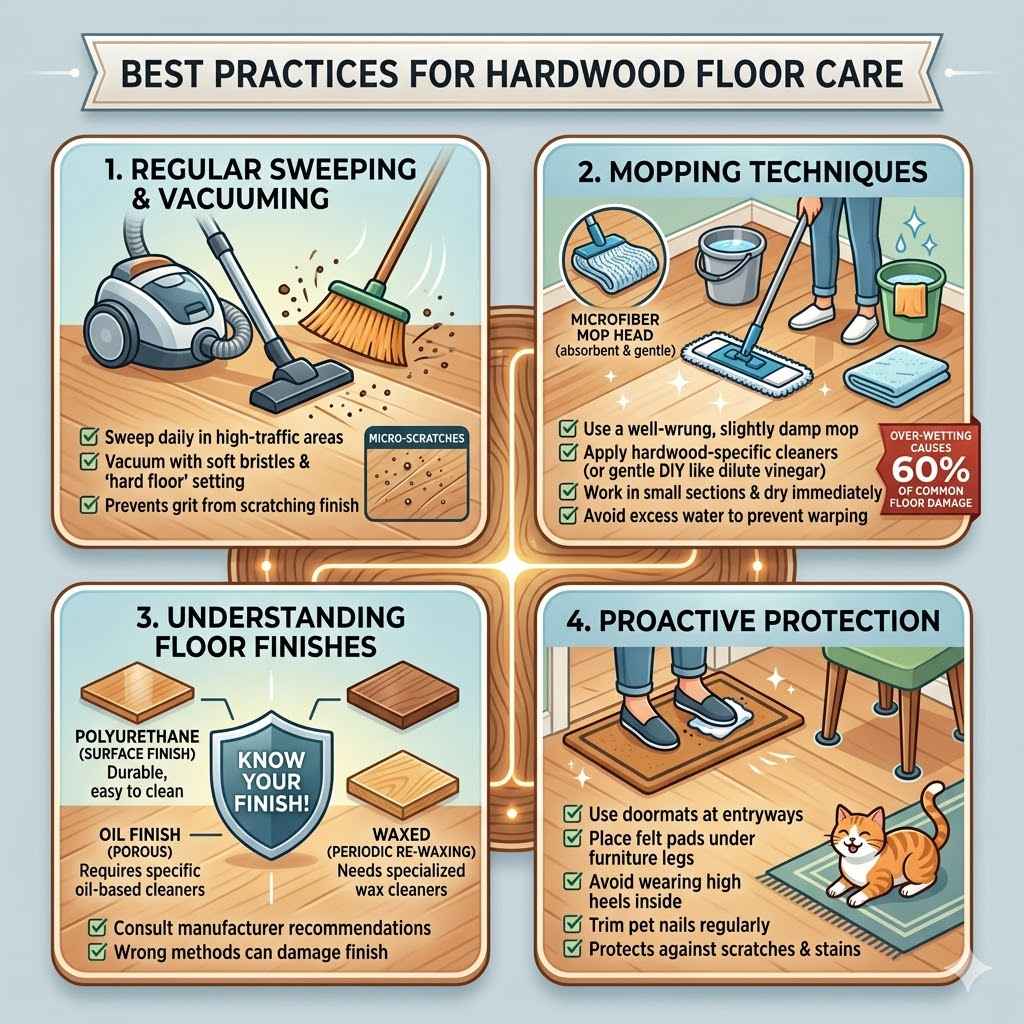
Dirt, dust, and grit can settle into the grain of your hardwood floors and act like tiny pieces of sandpaper. When these particles are walked on, they can cause micro-scratches and dull the finish, making scuff marks more noticeable and harder to remove.
Aim to sweep or vacuum your hardwood floors at least a few times a week, and daily in high-traffic areas like entryways and main walkways. Use a soft-bristle broom or a vacuum cleaner with a hard floor attachment. Make sure the vacuum brush roll is turned off or set to a hard floor setting to avoid scratching the wood.
The frequency of cleaning depends on your household. If you have pets, kids, or live in a dusty area, you’ll need to clean more often. Consistent sweeping removes abrasive particles before they can cause damage.
Mopping Techniques
When it comes to mopping, less is often more with hardwood floors. Excess moisture can seep into the wood, causing it to swell, warp, or even rot. Always use a well-wrung-out mop, so it’s only slightly damp.
Use cleaning solutions specifically designed for hardwood floors or gentle DIY mixtures like diluted vinegar and water. Work in small sections, and dry the area immediately with a clean, soft cloth or a dry mop. This prevents water from sitting on the floor for too long.
The type of mop head also matters. Microfiber mop heads are ideal because they are highly absorbent and gentle. Avoid traditional string mops that hold too much water.
Always follow the manufacturer’s recommendations for your specific hardwood floor finish.
One statistic suggests that over-wetting hardwood floors is responsible for nearly 60% of common floor damage issues, underscoring the importance of proper mopping techniques.
Understanding Floor Finishes
Hardwood floors are typically protected by a finish, such as polyurethane, oil, or wax. The type of finish affects how you should clean and maintain your floors. Most modern hardwood floors have a surface finish like polyurethane, which is durable and relatively easy to clean.
For polyurethane finishes, mild cleaners and damp mopping are generally safe. Oil-finished floors are more porous and may require specific oil-based cleaners to maintain their protective qualities. Waxed floors need periodic re-waxing and should only be cleaned with specialized wax cleaners.
If you’re unsure about your floor’s finish, it’s always best to consult the flooring manufacturer or a professional. Using the wrong cleaning method can strip the finish, making the wood vulnerable to stains and damage, including scuff marks.
Frequently Asked Questions
Question: Can I use a magic eraser on my hardwood floors
Answer: While a magic eraser can be effective on many surfaces, it is very abrasive and can potentially damage the finish on your hardwood floors. It’s best to try gentler methods first, like a tennis ball or a soft cloth, and use magic erasers with extreme caution or not at all on your hardwood.
Question: How often should I remove scuff marks
Answer: You should remove scuff marks as soon as you notice them. Waiting too long can make them harder to remove, and they can detract from the overall appearance of your floors. Regular spot cleaning prevents them from becoming a bigger issue.
Question: Will olive oil damage my hardwood floors
Answer: When used in a diluted solution with vinegar and water and applied with a cloth, olive oil is generally safe for most finished hardwood floors as part of a cleaning and polishing process. However, using too much pure olive oil can make floors greasy and attract more dirt. Always wipe away excess and use sparingly.
Question: Are all scuff marks permanent
Answer: Most scuff marks are not permanent. They are usually surface marks caused by transferred material from shoes or furniture. With the right cleaning methods, you can usually remove them effectively without damaging the underlying wood or its finish.
Question: Can I use nail polish remover to remove scuff marks
Answer: Nail polish remover contains strong solvents like acetone that can easily damage or strip the finish from your hardwood floors. It is highly recommended to avoid using nail polish remover on hardwood floors. Stick to gentle, wood-safe cleaning methods.
Summary
You can easily remove scuff marks from hardwood floors using simple household items and natural cleaners. Always use gentle methods first, like tennis balls or erasers, and then progress to mild cleaners if needed. Prevent future scuffs by using furniture pads and mats.
Regular, gentle cleaning keeps your floors looking their best.