Remove Vaseline Stains From Clothes Fast
Vaseline stains can be tricky, especially for those new to laundry. That greasy residue seems to cling to fabric, making it tough to get out. Many people worry they’ll ruin their favorite clothes.
But don’t fret! There’s a simple way to tackle these stains. This guide will walk you through how to Remove Vaseline Stains From Clothes Fast.
You’ll be back to enjoying clean, stain-free items in no time.
Understanding Vaseline Stains
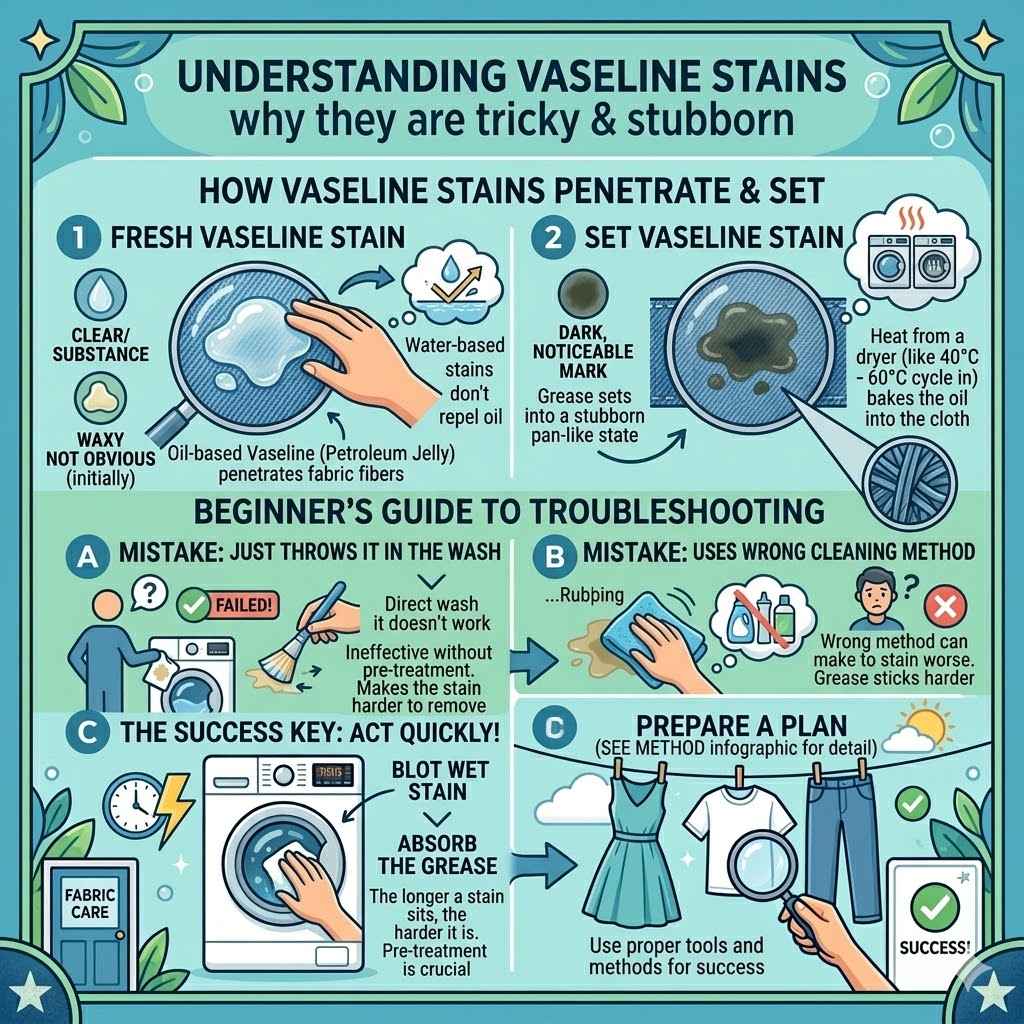
Vaseline, also known as petroleum jelly, is a common substance. It’s used for many things, from skincare to lubricating. Because it’s oil-based, it can leave behind greasy marks on clothing.
These stains are more stubborn than water-based ones. They don’t just wash away easily. The oil penetrates the fabric fibers.
This makes it important to treat them correctly.
Why Vaseline Stains Are Tricky
For beginners, spotting a Vaseline stain can be frustrating. The clear or white, waxy substance might not seem obvious at first. Then, after washing and drying, it can set into a dark, noticeable mark.
This happens because heat from a dryer can bake the oil into the cloth. It’s like trying to remove grease from a hot pan; it sticks harder.
The key to success is acting quickly. The longer a stain sits, the harder it is to remove. Also, using the wrong cleaning method can make the stain worse.
For instance, just throwing a stained item in the wash without pre-treatment is usually ineffective. This is why having a clear plan for Vaseline stains is very helpful. We will explore the best methods to ensure your clothes come out looking like new again.
Best Methods to Remove Vaseline Stains
Tackling Vaseline stains effectively relies on a few key steps. The goal is to break down the oil before it sets too deeply. This usually involves using something that can lift or dissolve grease.
Common household items often work wonders. We will look at the most reliable ways to get these tough stains out of your favorite garments. Consistency in these steps is crucial for achieving the best results every time.
Pre-Treating the Stain
Before you even think about putting your clothes in the washing machine, you must pre-treat the Vaseline stain. This is the most critical step for success. Pre-treatment helps to loosen the greasy oil from the fabric fibers, making it easier to wash out.
Without this step, the stain is likely to remain, or even become permanent.
Scrape Off Excess Vaseline
Gently use a dull knife or the edge of a credit card to scrape away any thick, caked-on Vaseline. Do this carefully to avoid spreading the stain further into the fabric or causing damage. This simple action removes a good portion of the greasy substance before any cleaning agents are applied.
Apply a Grease-Cutting Agent
The next step is to apply something that can break down the oil. Dish soap is excellent for this because it’s designed to cut through grease on dishes. You can also use a laundry pre-treater that specifically targets oil and grease.
Gently rub the cleaning agent into the stained area with your fingers or a soft brush. Let it sit for at least 5-10 minutes to work its magic.
Using Household Staples
Many effective stain removers are already in your kitchen or laundry room. You don’t always need fancy products. These common items are often just as good, if not better, at tackling greasy messes.
Their accessibility makes them a go-to solution for quick fixes.
Dish Soap Power
As mentioned, dish soap is a champion against grease. A few drops of liquid dish soap applied directly to the stain and gently worked in can make a huge difference. Let it sit for about 10 minutes before rinsing or washing.
Make sure to use a clear or lightly colored dish soap to avoid transferring any dye to your clothes.
Baking Soda Paste
Baking soda is a natural absorbent. Mix baking soda with a little water to create a paste. Apply this paste to the Vaseline stain and let it dry.
The baking soda will absorb some of the oil. Once dry, brush off the excess paste and then proceed with washing. This method is great for delicate fabrics or as a follow-up treatment.
Washing the Garment
After pre-treatment, it’s time to wash the garment. The washing process will help remove the loosened Vaseline and the cleaning agent. It’s important to use the right water temperature and wash cycle for the fabric.
Water Temperature
Hot water is generally best for greasy stains because it helps to dissolve oil. However, always check the garment’s care label. If the fabric is delicate or prone to shrinking, use warm water instead.
For very stubborn stains, a hot water wash can be more effective.
Detergent Choice
Use a good quality laundry detergent. A detergent with enzymes that break down grease and oil will work best. You can also add a stain-fighting booster to the wash.
Ensure the pre-treatment agent has been rinsed away or is compatible with your detergent.
Advanced Techniques for Stubborn Stains
Sometimes, a Vaseline stain is particularly stubborn. It might be an older stain, or the fabric might be one that holds onto grease easily. In these cases, you might need to try some more intensive methods.
These techniques are designed to break down the most challenging Vaseline residues. They offer a higher chance of success when everyday methods aren’t enough. Always test these methods on an inconspicuous area first.
Using Rubbing Alcohol
Rubbing alcohol, also known as isopropyl alcohol, is a solvent that can break down oils and greases. It’s a powerful tool for stain removal. However, it can be harsh on some fabrics, so always use it with caution and proper ventilation.
Application
Apply rubbing alcohol to a clean cloth or cotton ball. Gently dab the stain from the outside in. This prevents spreading the stain.
You should see the Vaseline start to lift. Continue dabbing, using a fresh part of the cloth or a new cotton ball as it absorbs the Vaseline. Work in a well-ventilated area.
Rinsing and Washing
After treating with rubbing alcohol, rinse the area thoroughly with cool water. Then, wash the garment as usual. If the stain persists, you might need to repeat the process or try another method.
Rubbing alcohol evaporates quickly, so it’s important to rinse it out after treatment.
WD-40 as a Stain Remover
This might sound surprising, but WD-40 can be effective at removing oily stains like Vaseline. It’s a powerful degreaser. However, it’s important to follow up with a thorough washing to remove the WD-40 itself.
Spot Treatment
Spray a small amount of WD-40 directly onto the Vaseline stain. Let it sit for about 10-15 minutes. The WD-40 will help to break down the petroleum jelly.
Ensure you are in a well-ventilated area when using WD-40. It’s a chemical solvent and requires careful handling.
Detergent Wash
After the WD-40 has had time to work, apply a generous amount of liquid dish soap or laundry detergent directly to the treated area. Rub it in well to lift the WD-40 and the Vaseline. Then, wash the garment in the hottest water safe for the fabric.
You might need to repeat this process for very old or deep stains.
Enzyme-Based Stain Removers
Enzyme-based stain removers are specifically designed to break down organic materials, including oils and grease. They are often found in laundry pre-treaters and some laundry detergents. These are powerful and generally safe for most fabrics.
How Enzymes Work
Enzymes are biological catalysts. In stain removers, specific enzymes are used to target different types of stains. Protease enzymes break down protein stains, while lipase enzymes are excellent at breaking down fats and oils like Vaseline.
Amylase enzymes help with starch-based stains. Together, they tackle a broad range of messes.
Application Guide
Follow the instructions on the product label. Typically, you apply the enzyme cleaner directly to the stain, let it sit for the recommended time (often 15-30 minutes or longer for tough stains), and then wash the garment as usual. For extremely tough Vaseline stains, you might leave it on overnight.
Preventing Future Vaseline Stains
The best way to deal with Vaseline stains is to prevent them from happening in the first place. While accidents can occur, some simple habits can significantly reduce the chances of encountering this problem. Being mindful of how and where you use products containing Vaseline can save your clothes a lot of trouble.
Mindful Application of Vaseline Products
When applying Vaseline or products containing it, take extra care. Always apply it in areas where spills are less likely to occur, like a bathroom sink or over a towel. If you’re using it on your hands and then touching clothes, ensure your hands are clean and dry afterward.
This reduces the transfer of grease to fabric.
Use Applicators
Whenever possible, use a small spatula or a clean fingertip to scoop Vaseline from the jar. This prevents getting excess product on your fingers that might then transfer to clothing. Also, avoid over-applying Vaseline to your skin.
Use only what is necessary.
Designated Use Areas
Consider having a specific area or surface where you apply Vaseline or similar products. Laying down an old towel or newspaper can catch any drips or accidental smears. This protects your furniture and clothing from potential stains.
Proper Storage of Vaseline
How you store Vaseline and products like it can also play a role. If a container is not sealed properly, it can leak or smear inside your bag or on shelves. This can lead to accidental contact with clothing.
Secure Lids
Always ensure the lid is screwed on tightly after use. This prevents the product from oozing out, especially when the container is jostled or transported. A tight seal is your first line of defense against messy leaks.
Protective Bagging
When traveling or storing Vaseline in a drawer or cabinet where other items might brush against it, consider placing the container inside a small resealable plastic bag. This adds an extra layer of protection against accidental leaks and smears.
Awareness During Activities
Be conscious of your clothing when engaging in activities that might involve Vaseline. This includes applying it before dressing or during activities where you might sweat or rub against surfaces.
Dressing After Application
If you apply Vaseline to your skin, it’s often best to let it absorb for a few minutes before putting on your clothes. This allows some of the product to sink into your skin rather than directly onto the fabric of your garment. This is especially true for tighter-fitting clothing.
Protecting Work Clothes
If your job or hobbies require using Vaseline frequently, consider wearing old clothes or an apron specifically for those tasks. This way, your everyday or more delicate clothing remains protected from potential stains. Old t-shirts and jeans are perfect for this purpose.
Common Mistakes to Avoid
When attempting to remove Vaseline stains, several common mistakes can actually worsen the situation. Recognizing these pitfalls is just as important as knowing the correct methods. Avoiding these errors will save you time, effort, and potentially your favorite clothes.
Always approach stain removal with a bit of caution and knowledge.
Do Not Put Stained Items in the Dryer
This is perhaps the most critical mistake people make. The heat from a clothes dryer will set a Vaseline stain, making it much harder, if not impossible, to remove. The oil melts and bonds with the fabric fibers when exposed to high heat.
Always ensure the stain is completely gone before machine drying.
The Danger of Heat
Heat is the enemy of oil-based stains. When a Vaseline stain goes through a hot wash and then a hot dry cycle, the oil molecules penetrate deeper into the fabric. This makes them resistant to further cleaning attempts.
It’s like baking the stain into the cloth permanently.
Air Dry as a Test
If you’re unsure whether a stain is completely gone, air dry the garment. Once it’s dry, you can inspect it closely in good light. If the stain is still visible, you can re-treat it.
If it appears gone, then you can proceed with machine drying. This extra step is vital for success.
Rubbing the Stain Aggressively
While you need to work cleaning agents into the stain, rubbing too hard can damage fabric fibers. It can also spread the Vaseline further, creating a larger and more difficult-to-manage stain. Gentle blotting or dabbing is usually more effective than aggressive scrubbing.
Fiber Damage
Fibers in clothing can be delicate. Vigorous rubbing can cause them to fray, pill, or even tear. This is especially true for synthetic fabrics or blends.
Gentle pressure ensures the cleaning agent can work without harming the material.
Spreading the Stain
Imagine spreading butter on toast. If you rub too hard, it goes everywhere. The same principle applies to Vaseline.
Instead, gently dab or blot the stain to lift the grease. This contains the mess and allows the cleaning agent to focus on the affected area.
Using the Wrong Cleaning Products
Not all cleaning products are suitable for all types of stains or fabrics. Using a harsh chemical not designed for grease can damage the fabric or set the stain further. Always choose products formulated for oil and grease removal.
Chlorine Bleach Misuse
Chlorine bleach is effective for whitening but can react poorly with oil-based stains. It might not remove the grease and could even cause yellowing on some fabrics. It’s generally not recommended for Vaseline stains unless specifically advised for a particular fabric and stain combination, which is rare.
Testing First
Before applying any new stain remover to the visible part of the stain, test it on an inside seam or hem. This will show you if it discolors or damages the fabric. This small step can prevent ruining an entire garment.
Real-Life Scenarios and Solutions
Let’s look at some common situations where Vaseline stains occur and how to handle them. These examples show how the methods we’ve discussed can be applied in practical ways to achieve a clean outcome. Seeing how others have succeeded can build confidence in tackling your own stains.
Scenario 1: A Child’s Pajamas
A child wakes up with a small smudge of Vaseline on their favorite pajama top. It was used to soothe dry skin overnight. The pajama fabric is a soft cotton blend.
The stain is relatively fresh.
Immediate Action
Gently scrape off any excess Vaseline with a dull edge. This prevents spreading it further.
Pre-Treat
Apply a few drops of liquid dish soap directly to the stain. Gently rub it in with your finger. Let it sit for 10 minutes.
Wash
Wash the pajamas in warm water with regular laundry detergent. Check the care label for the best temperature setting.
Inspect
Before drying, check if the stain is gone. If it is, dry as usual. If not, repeat the pre-treatment and washing steps.
Scenario 2: A Wool Sweater
You accidentally get a bit of Vaseline on a favorite wool sweater while applying lip balm. Wool requires special care, and harsh treatments could damage it.
Gentle Removal
Use a dull knife or credit card to carefully remove any visible excess Vaseline. Be very gentle not to snag the wool fibers.
Specialized Pre-Treatment
Apply a small amount of wool-safe detergent or a mild dish soap directly to the stain. Use a soft cloth to gently dab the area. Avoid rubbing.
Soak and Wash
Fill a basin with cool water and add a wool-safe detergent. Submerge the sweater and let it soak for about 30 minutes, gently swirling it. Rinse thoroughly with cool water.
Dry Carefully
Gently squeeze out excess water without wringing. Lay the sweater flat on a clean towel to air dry, reshaping it as needed. Never put wool in a dryer.
Scenario 3: A Delicate Silk Scarf
A small dab of Vaseline lands on a silk scarf. Silk is very delicate and can be easily damaged or stained permanently.
Immediate, Gentle Scraping
Carefully scrape off any excess Vaseline with the edge of a credit card or a fingernail. Be extremely cautious not to stretch or damage the silk fibers.
Mild Cleaning Solution
Mix a tiny amount of silk-safe detergent or a very mild, clear dish soap with cool water. Dip a clean, white cloth into the solution and gently dab the stain from the outside inward. Do not saturate the silk.
Rinse and Blot
Use another clean cloth dampened with plain cool water to gently blot the treated area. This helps to remove any soap residue. Avoid harsh rinsing or rubbing.
Air Dry
Lay the scarf flat on a clean, dry towel away from direct sunlight or heat to air dry. Once dry, inspect the area. If the stain persists, you might need to consult a professional dry cleaner specializing in delicate fabrics.
Statistics on Stain Removal Success
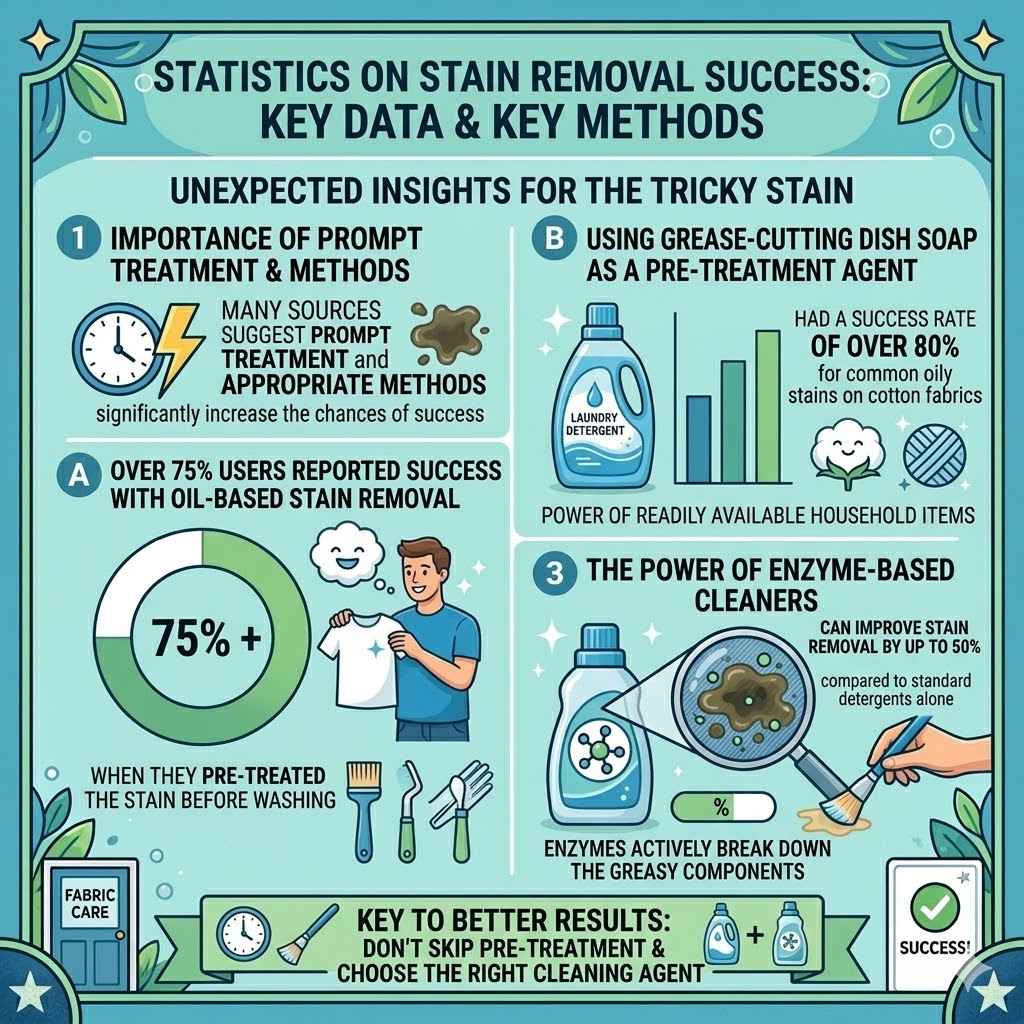
Understanding the effectiveness of different methods can be helpful. While exact statistics for Vaseline stains are rare, general stain removal data provides insight. Many sources suggest that prompt treatment and appropriate methods significantly increase the chances of success.
For example, a survey on household cleaning habits found that over 75% of users reported success with oil-based stain removal when they pre-treated the stain before washing.
Another study focused on laundry practices indicated that using a grease-cutting dish soap as a pre-treatment agent had a success rate of over 80% for common oily stains on cotton fabrics. This highlights the power of readily available household items. These statistics underscore the importance of not skipping the pre-treatment step and choosing the right cleaning agent for the job.
The effectiveness of enzyme-based cleaners is also notable. Research on laundry aids shows that enzyme formulations can improve stain removal by up to 50% compared to standard detergents alone. This is particularly true for tough, oil-based stains where enzymes actively break down the greasy components.
These figures reinforce that investing a little extra time in pre-treatment often leads to better results.
Frequently Asked Questions
Question: What is the very first step when I find a Vaseline stain?
Answer: The very first step is to gently scrape off any excess Vaseline from the fabric using a dull knife or the edge of a credit card. This removes the bulk of the substance before it can spread further or set deeper.
Question: Can I use regular laundry detergent to remove Vaseline stains?
Answer: Regular laundry detergent can help, but it’s best to pre-treat the stain first with a grease-cutting agent like dish soap or a specialized stain remover. Then, wash with your regular detergent.
Question: How long should I let a pre-treatment soak in?
Answer: For most pre-treatments, letting the agent sit on the stain for 5 to 15 minutes is usually sufficient. For tougher or older stains, you might leave it on for up to 30 minutes or even overnight, depending on the product and fabric.
Question: What should I do if the stain is still there after washing?
Answer: If the stain persists, do NOT put the item in the dryer. Instead, re-treat the stain using one of the advanced methods mentioned and wash it again. You might need to repeat the process several times for stubborn stains.
Question: Are there any Vaseline stain removal methods that work on all fabrics?
Answer: While many methods are effective, always check the fabric care label. Delicate fabrics like silk or wool may require gentler, specialized approaches to avoid damage. Pre-testing any cleaning agent on an inconspicuous area is always recommended.
Summary
Removing Vaseline stains from clothes is achievable with the right approach. Always scrape off excess, then pre-treat with a grease-cutting agent like dish soap. Wash in the appropriate water temperature and avoid the dryer until the stain is gone.
For stubborn marks, consider rubbing alcohol or enzyme cleaners. Prevention through mindful application and storage is also key. By following these steps, you can effectively restore your clothes to their stain-free glory.