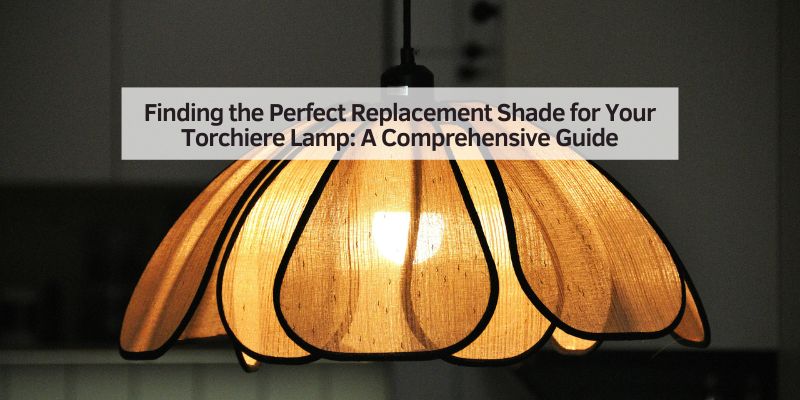
Finding the Perfect Replacement Shade for Your Torchiere Lamp: A Comprehensive Guide
Hey there! If you’re reading this, chances are you’ve got a torchiere lamp that’s seen better days, or maybe you’re just looking to give it a fresh new look. I’ve been there—staring at a chipped, outdated, or just plain boring lampshade, wondering how to bring my lamp back to life. Finding a replacement shade for a torchiere lamp can feel overwhelming at first, with so many shapes, sizes, and styles to choose from. But don’t worry! I’ve spent hours researching, shopping, and even experimenting with torchiere lamp shades, and I’m here to share everything I’ve learned. This guide will walk you through the process step by step, making it easy to find the perfect replacement shade that fits your lamp and your style. Let’s dive in and shed some light on this topic!
Why Replace Your Torchiere Lamp Shade?
Let’s start with the basics. A torchiere lamp is a tall, slender floor lamp with a shade that directs light upward, creating a warm, ambient glow. Over time, the shade can get damaged—maybe it’s cracked, faded, or just doesn’t match your room’s vibe anymore. I remember when my old torchiere shade got a big chip in it after a clumsy moment with a vacuum cleaner. It wasn’t just an eyesore; it affected how the light spread in the room.
Replacing the shade can breathe new life into your lamp. A new shade can change the mood of your space, make it safer (especially if the old one was damaged), and even improve the lamp’s functionality. Plus, it’s a budget-friendly way to update your home without buying a whole new lamp. Whether you’re dealing with a broken glass shade or just want a style upgrade, a replacement shade is a simple fix with a big impact.
Understanding Torchiere Lamp Shades
Before you start shopping, it’s important to know what makes torchiere lamp shades unique. Unlike table lamp shades, which come in all sorts of shapes and sizes, torchiere shades are typically designed to fit specific types of lamps. Most torchiere lamps have a shade that sits on a fitter (a small metal piece that holds the shade in place) and directs light upward. The shades are often made of glass, but you can also find fabric or metal options for certain styles.
I learned this the hard way when I tried to replace a glass shade with a fabric one, only to realize it didn’t fit properly and blocked too much light. Torchiere shades are usually wider at the top than the bottom, shaped like a shallow bowl or cone, to spread light evenly across the ceiling. Knowing this will help you narrow down your options and avoid mistakes.
Measuring for the Right Fit
One of the first things I do when looking for a replacement shade is measure my lamp. Trust me, this step is crucial! If the shade doesn’t fit, it won’t sit securely, and you might end up with a wobbly or unsafe lamp. Here’s how I measure for a replacement shade:
- Fitter Size: Most torchiere lamps have a fitter size of 2 ¾ inches, which is the diameter of the opening where the shade attaches to the lamp. I use a tape measure to check this. If your lamp has a different fitter size, make a note of it.
- Shade Dimensions: Measure the height, top diameter, and bottom diameter of your current shade. For example, my torchiere shade was about 10 inches wide at the top, 4 inches wide at the bottom, and 5 inches tall. These measurements help you find a shade that’s proportionate to your lamp.
- Lamp Height: Measure the height of your lamp from the base to the top of the bulb socket. This ensures the shade won’t interfere with the bulb or look awkward.
Here’s a quick table to help you keep track of your measurements:
| Measurement | How to Measure | Example Size |
|---|---|---|
| Fitter Size | Diameter of the shade’s bottom opening | 2 ¾ inches |
| Top Diameter | Width of the shade’s top opening | 10 inches |
| Bottom Diameter | Width of the shade’s bottom opening | 4 inches |
| Height | Height of the shade from top to bottom | 5 inches |
| Lamp Height | From base to top of bulb socket | 60 inches |
Taking these measurements saved me from ordering a shade that was too big and looked clunky on my lamp. Double-check your numbers before you shop!
Choosing the Right Material
When I started looking for a replacement shade, I was surprised by the variety of materials available. Each one affects the light and the look of your room differently. Here’s what I found:
- Glass Shades: These are the most common for torchiere lamps. They’re durable, easy to clean, and come in styles like frosted, clear, or textured. Frosted glass softens the light, which I love for a cozy feel, while clear glass gives a brighter, more modern look. My old shade was frosted milk glass, which gave my living room a warm, inviting glow.
- Fabric Shades: These are less common but can work for some torchieres. They create a softer, diffused light but might not direct light upward as effectively. I tried a fabric shade once, but it felt out of place on my tall, sleek torchiere.
- Metal Shades: These are rare but can add a modern, industrial vibe. They’re sturdy but can get hot, so I make sure to use low-heat bulbs with them.
- Acrylic or Plastic Shades: These are budget-friendly and lightweight but might not look as elegant. I’ve used them in kids’ rooms where durability matters more than style.
Think about your room’s decor and how much light you need. For example, if you want a bright reading nook, a clear glass shade might be best. If you’re going for a cozy bedroom vibe, frosted glass or even a fabric shade could work.
Matching Style to Your Decor
Your torchiere lamp is more than just a light source—it’s part of your home’s personality. When I replaced my shade, I wanted it to match my modern farmhouse living room. Here are some style tips I’ve picked up:
- Traditional: Look for frosted glass shades with subtle patterns or scalloped edges. These add elegance and work well in classic or vintage-inspired rooms. I found a beautiful milk glass shade with a textured pattern that fit my traditional lamp perfectly.
- Modern: Clear glass or sleek metal shades are great for minimalist or contemporary spaces. I saw a clear glass shade with clean lines that made a friend’s modern loft look stunning.
- Bohemian: Consider a shade with colorful glass or a fabric cover with a bold pattern. These can add a fun, eclectic touch.
- Industrial: Metal shades or exposed-bulb designs (if your lamp allows) can give a raw, edgy feel.
I always hold the shade up to my lamp (or imagine it in my space) before buying. Picture how it will look with your furniture, wall colors, and other decor. If you’re unsure, neutral shades like white or frosted glass are safe bets that blend with most styles.
Where to Shop for Replacement Shades
Finding the right place to buy a replacement shade can make all the difference. I’ve scoured stores and websites to find the best options. Here are my go-to spots:
- Home Improvement Stores: Places like Home Depot and Lowe’s carry a decent selection of torchiere shades, especially glass ones. I found a simple frosted shade at Home Depot that was affordable and fit perfectly.
- Online Retailers: Websites like Amazon, Wayfair, and Lamps Plus have a huge variety. I love browsing online because you can filter by size, material, and style. Just double-check the fitter size and read reviews for quality.
- Specialty Lighting Stores: Stores like Lampshade Pro or Antique Lamp Supply offer unique and high-quality options. I found a vintage-inspired shade on Antique Lamp Supply that was a perfect match for my old torchiere.
- Thrift Stores and Etsy: If you’re into unique or vintage finds, check thrift stores or Etsy. I once scored a gorgeous retro milk glass shade on Etsy for half the price of a new one.
When shopping, compare prices and check return policies. I learned to always read the product description carefully to ensure the shade matches my lamp’s fitter size and style.
Safety Considerations
Safety is a big deal when it comes to torchiere lamps. These lamps often use high-wattage bulbs, which can get hot. I’ve made a few mistakes in the past, like using a shade that wasn’t heat-resistant, and it started to discolor. Here’s what I keep in mind:
- Heat Resistance: Glass shades are usually the safest because they can handle heat well. If you’re using fabric or plastic, make sure it’s rated for high temperatures.
- Bulb Wattage: Check your lamp’s maximum wattage (usually printed near the socket). I stick to LED bulbs because they stay cooler and save energy. For example, a 60-watt equivalent LED bulb gives plenty of light without overheating.
- Shade Stability: Ensure the shade fits securely on the fitter. A loose shade can fall and break, which happened to me once when I didn’t tighten it properly.
- Wire Guards: Some torchiere lamps have a wire guard over the shade to prevent objects from touching the bulb. If your lamp has one, make sure the new shade accommodates it.
I always double-check that my shade and bulb combo is safe to avoid any fire hazards or damage to my lamp.
DIY Replacement Shade Ideas
If you’re feeling creative, you can make your own replacement shade or customize an existing one. I’ve tried a couple of DIY projects, and they’re a fun way to add a personal touch. Here are some ideas:
- Painted Glass: I painted a plain glass shade with heat-resistant glass paint to add a subtle pattern. It gave my lamp a custom look without breaking the bank.
- Fabric Cover: For a fabric shade, I wrapped a plain shade with a piece of patterned fabric, securing it with fabric glue. Just make sure the fabric is heat-resistant.
- Bare Frame: I saw a cool idea where someone removed the old fabric from a shade frame and left it bare for a modern, industrial look. It worked great with an Edison bulb.
- Custom Glass: If you’re really ambitious, you can work with a glass-blowing shop to create a custom shade. I haven’t tried this myself, but I’ve heard it’s a great option for unique designs.
DIY projects can be hit or miss, so start small and test your creation to make sure it’s safe and functional.
Installing Your New Shade
Once you’ve got your new shade, installing it is usually straightforward. Here’s how I do it:
- Turn Off the Lamp: Always unplug the lamp for safety.
- Remove the Old Shade: Unscrew or unclip the old shade from the fitter. Be gentle, especially if it’s glass.
- Check the Fitter: Make sure the new shade’s fitter matches your lamp. Most torchieres use a threaded or clip-on fitter.
- Attach the New Shade: Place the shade on the fitter and secure it. I usually give it a gentle wiggle to ensure it’s stable.
- Test the Lamp: Plug it in, turn it on, and check how the light looks. Adjust if needed.
When I replaced my shade, I was amazed at how a simple swap made my whole room feel brighter and more inviting.
Maintaining Your Torchiere Lamp Shade
To keep your new shade looking great, a little maintenance goes a long way. I’ve learned a few tricks to keep my shades in top shape:
- Cleaning Glass Shades: I use a damp cloth with a bit of mild soap to clean glass shades. Avoid harsh chemicals that can damage the finish.
- Fabric Shades: For fabric, I use a lint roller or a soft brush to remove dust. If it’s really dirty, I spot-clean with a mild detergent.
- Check for Wear: Every few months, I check for cracks or loose fittings. Catching issues early prevents bigger problems.
- Bulb Maintenance: I swap out bulbs regularly to avoid overheating, which can damage the shade over time.
Regular care keeps your shade looking new and your lamp working safely.
Cost Considerations
Replacing a torchiere lamp shade doesn’t have to break the bank. In my experience, prices vary depending on the material and where you shop. Here’s a rough breakdown:
| Material | Price Range | Where to Find |
|---|---|---|
| Glass | $15–$50 | Home Depot, Amazon, Lamps Plus |
| Fabric | $20–$60 | Wayfair, Etsy |
| Metal | $30–$80 | Specialty stores, Etsy |
| Acrylic/Plastic | $10–$30 | Amazon, Home Depot |
I’ve found that spending a bit more on a quality glass shade is worth it for durability and style. If you’re on a budget, check thrift stores or online marketplaces for deals.
Common Mistakes to Avoid
I’ve made my fair share of mistakes when replacing torchiere shades. Here are some pitfalls to watch out for:
- Ignoring Fitter Size: Buying a shade with the wrong fitter size is a common error. I once ordered a beautiful shade only to find it didn’t fit my lamp.
- Choosing the Wrong Material: A shade that’s not heat-resistant can warp or discolor. Stick to glass or heat-safe materials for torchieres.
- Overlooking Style: A shade that doesn’t match your decor can throw off your room’s look. I learned to always consider the overall vibe of my space.
- Skipping Measurements: Guessing the size can lead to a shade that’s too big or small. Always measure first!
Learning from these mistakes has made me a savvier shopper, and I hope these tips save you some hassle.
Conclusion
Replacing a torchiere lamp shade is a small change that can make a big difference in your home. I’ve loved the process of finding the perfect shade—whether it’s a sleek modern glass piece or a cozy frosted one that warms up my living room. By measuring carefully, choosing the right material, and matching the style to your decor, you can transform your lamp and your space without spending a fortune. It’s all about finding that balance between function, safety, and style. So, grab your tape measure, browse some options, and have fun giving your torchiere lamp a fresh new look. Your room will thank you for it!
Frequently Asked Questions
What is the standard fitter size for a torchiere lamp shade?
Most torchiere lamp shades have a 2 ¾-inch fitter size, which fits the bugle-shaped holder on the lamp. I always measure the fitter to be sure, as some lamps may vary. Check the diameter of the shade’s bottom opening to confirm it matches your lamp.
Can I use a fabric shade on a torchiere lamp?
Yes, but it’s tricky. Fabric shades can work if they’re heat-resistant and fit securely. I tried one once, but it didn’t direct light upward as well as glass. For best results, stick with glass shades unless your lamp is designed for fabric.
Where can I find affordable replacement shades?
I’ve had luck at Home Depot, Amazon, and Etsy. Thrift stores are great for unique finds, too. Prices for glass shades usually start around $15, while fabric or metal ones can cost more. Always check the fitter size and read reviews for quality.
How do I know if a shade is safe for my lamp?
Check that the shade is heat-resistant, especially for high-wattage bulbs. I use LED bulbs to keep things cooler. Make sure the shade fits securely on the fitter and doesn’t wobble. If your lamp has a wire guard, ensure the shade accommodates it.
Can I make my own torchiere lamp shade?
Absolutely! I’ve painted glass shades with heat-resistant paint for a custom look. You can also wrap a shade frame with heat-safe fabric or leave it bare for an industrial vibe. Just ensure your DIY shade is safe and fits properly.