Sapele Vs Mahogany: Woodworking Showdown
Are you contemplating which type of wood to choose for your next project? The decision between Sapele and Mahogany might be more crucial than you think.
These two types of wood are often compared due to their striking similarities and distinct differences. But how do you know which one is right for you? This article will guide you through the characteristics, benefits, and potential drawbacks of each, ensuring you make an informed choice.
By understanding the unique qualities of Sapele and Mahogany, you can transform your woodworking experience and achieve stunning results. Dive in to discover the secrets behind these popular woods and how they can elevate your creations.
Sapele Wood Characteristics
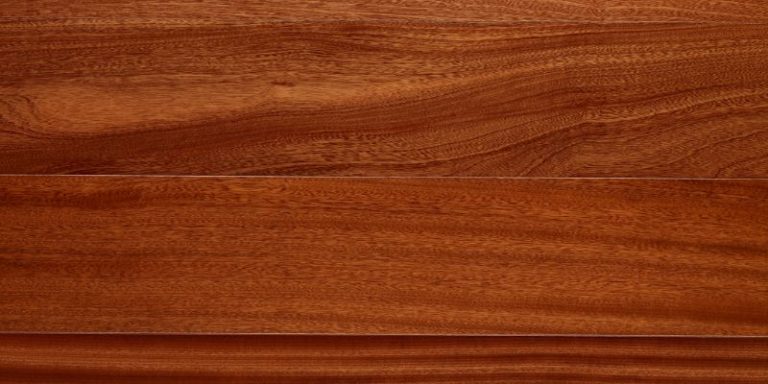
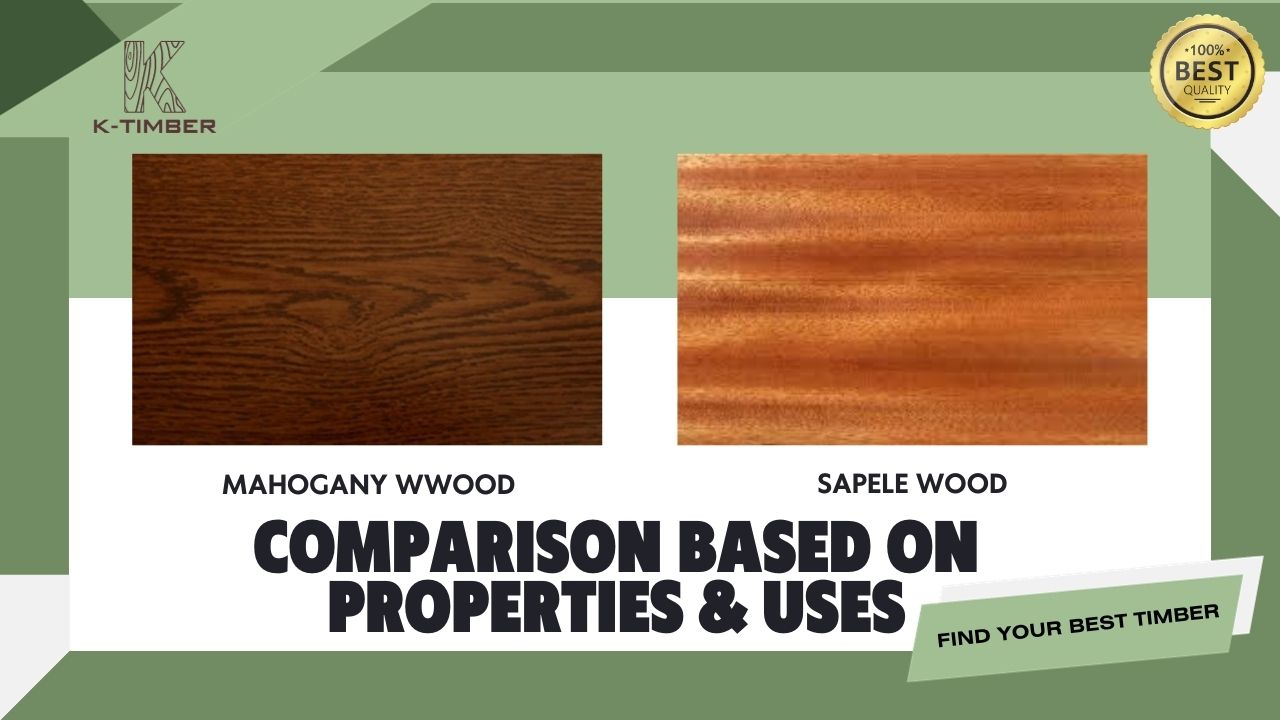
Sapele wood has a rich, reddish-brown color. It looks very elegant. Its color may darken with time. Mahoganyis similar but lighter in tone. Sapele has a beautiful shine. This makes it stand out. Its finish is smooth and glossy.
The grain of sapele wood is interlocked. This creates a unique pattern. These patterns are often wavy or curly. They make the wood very attractive. Mahogany has a straightgrain. Sapele’s grain gives it a special look. It catches the eye easily.
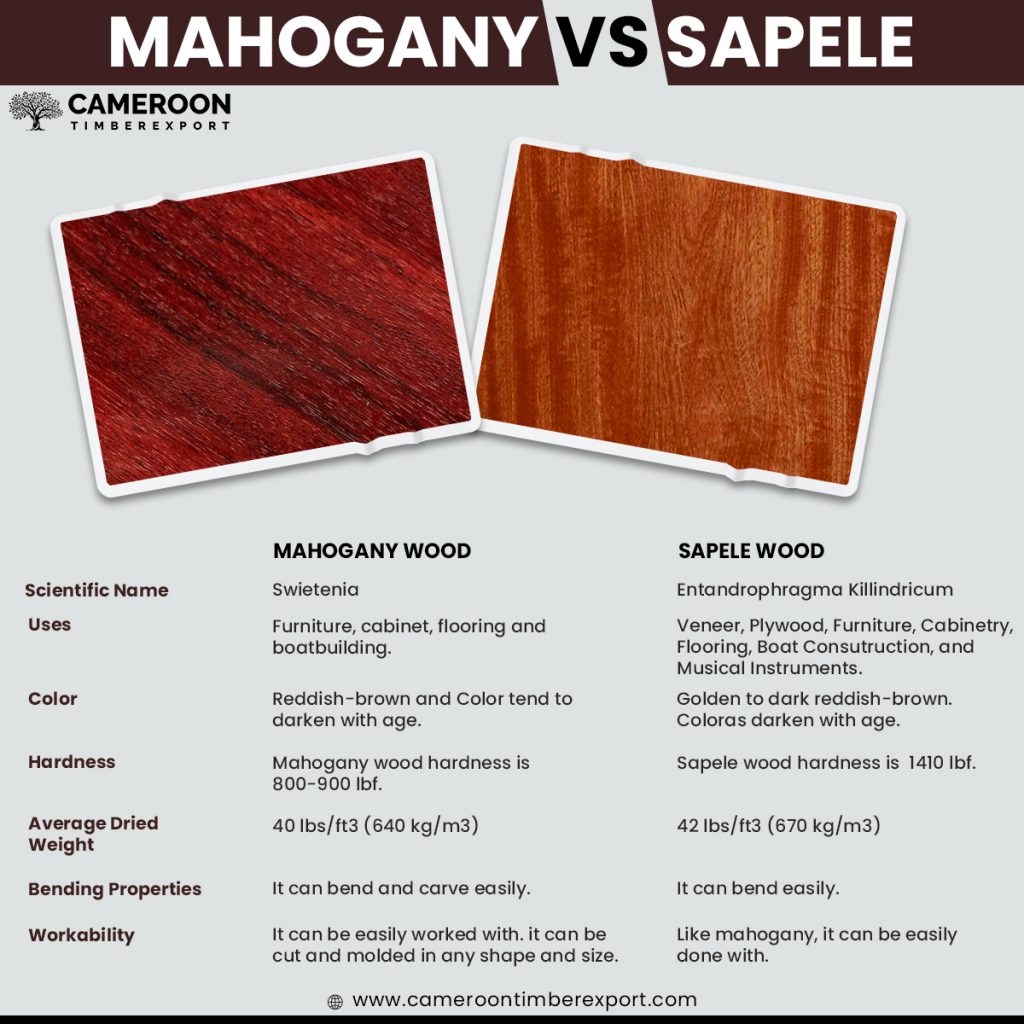
Sapele wood is very durable. It lasts for a long time. It is harder than mahogany. This makes it strong. It resists wear and tear. Sapele is great for furniture. It can handle everyday use. Its hardness ensures toughness.
Credit: cameroontimberexport.com
Mahogany Wood Traits
Mahogany has a rich, warm brown color. Its color deepens with time. The texture is smooth and even. It feels nice to touch. This makes it popular for furniture. The wood’s shine is natural. Its polished look adds elegance.
The grain of mahogany is straight. Sometimes it has interlocking patterns. These patterns are unique. They give a beautiful look. The wood has a uniform appearance. This makes it attractive for many uses.
Mahogany is strong and durable. It can withstand a lot of pressure. This makes it perfect for building. The wood resists rot and decay. It lasts long even in tough conditions. Its resilience is well-known among woodworkers.
Comparative Analysis
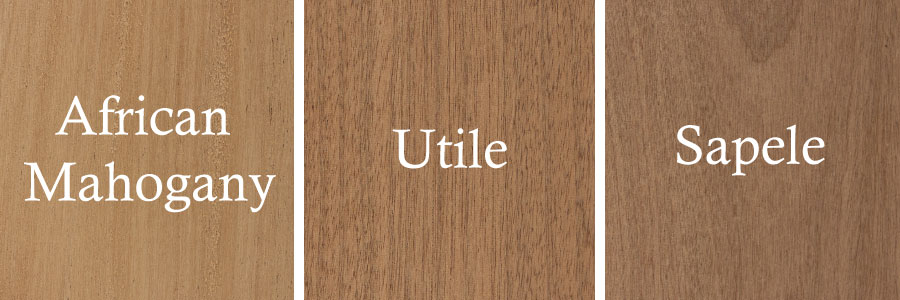
Sapele has a rich reddish-brown color. It shines like gold under light. Mahogany is also brown but lighter. It has a straight and even grain. Sapele’s grain is interlocked. This makes it look more decorative. Both woods are beautiful. But Sapele can be more dramatic in style.
Sapele is harder to cut. Its grain can tear during work. Special tools may be needed. Mahogany is softer and easier to shape. It is friendly to most tools. Both woods can be polished well. But Sapele needs more care. It can splinter if not handled right.
Mahogany is often more expensive. It’s known for quality. Sapele is cheaper but still good. The price gap can be wide. It depends on the supplier. Both are valuable for furniture. Choosing between them affects the budget.
Credit: ettfinewoods.com
Applications In Woodworking
Both Sapele and Mahogany are popular in furniture making. They are strong and durable. Sapele has a rich, warm color. Mahogany offers a classic, elegant look. Both are used for tables, chairs, and cabinets. Each type of wood is easy to shape and finish. Their grains are smooth and attractive. These qualities make them a favorite for woodworkers.
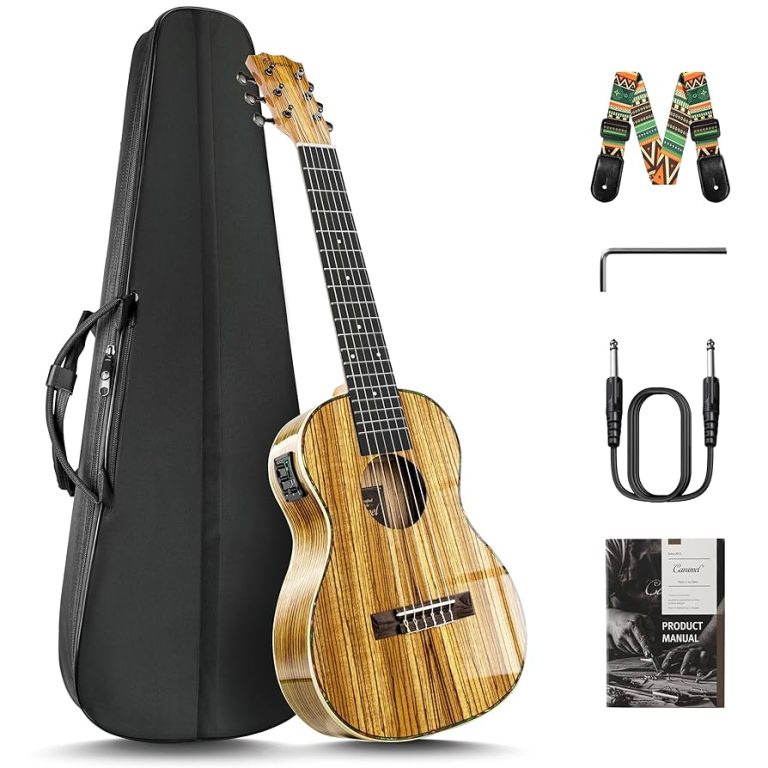
Sapele and Mahogany are used in making instruments. Guitars and violins often use these woods. Mahogany provides a mellow tone. Sapele offers a bright and sharp sound. Both woods look nice and sound great. They are used by many famous brands. Woodworkers love their reliability.
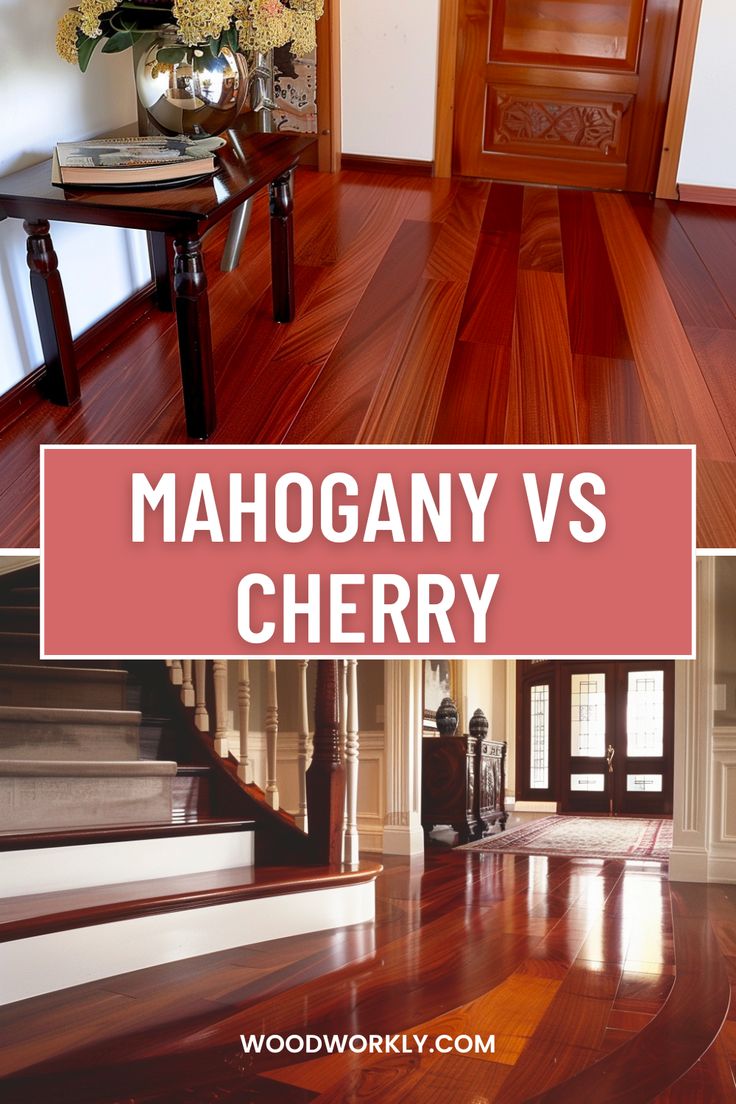
Sapele and Mahogany are perfect for interior design. They are used in floors and wall panels. These woods add warmth to any room. Sapele’s grain is more pronounced. Mahogany offers a smooth and fine texture. Both are easy to polish. They make homes look beautiful and inviting.
Environmental Impact
Sapele trees grow fast in nature. This makes them a more sustainable choice. They can be harvested without much harm to forests. Sapele wood is often certified by eco-friendly groups. This means it is cut down in a good way. Using Sapele helps keep forests healthy. It is a good option for the planet.
Mahogany trees grow very slowly. Cutting them down can hurt the forest. This wood is often over-harvested. Many forests are in danger because of this. The loss of these trees harms animals that live there. Protecting these trees is very important. Using less Mahogany can help the earth.

Credit: gjtonewood.com
Choosing The Right Wood
Sapeleis a good choice for outdoor projects. It is strong and durable. Mahoganyis better for indoor furniture. It has a smooth finish. Both woods are great for different needs.
Some people love the rich color of mahogany. Others prefer the grain of sapele. The choice often depends on style. Both woods have unique looks. Pick the one that fits your taste.
Sapele is often less expensive. It is more affordable for large projects. Mahogany can be pricey. It is a luxury wood. Budget is important when picking wood. Choose what fits your pocket.
Frequently Asked Questions
What Is Sapele Wood?
Sapele is a tropical hardwood from Africa, often compared to Mahogany. It is known for its reddish-brown color and fine grain. Sapele is popular for furniture and veneers due to its durability and attractive finish. It is considered a sustainable alternative to Mahogany.
How Does Mahogany Differ From Sapele?
Mahogany is lighter than Sapele and has a straighter grain. It is often used in high-end furniture and musical instruments. Sapele, on the other hand, is denser and has a more interlocked grain. Both woods are valued for their beauty and strength.
Is Sapele More Affordable Than Mahogany?
Yes, Sapele is generally more affordable than Mahogany. Its availability and sustainable sourcing contribute to its lower price. While both woods are premium choices, Sapele offers a cost-effective option without compromising quality and appearance.
Which Wood Is Better For Outdoor Use?
Sapele is better suited for outdoor use due to its durability and resistance to weather. Mahogany can also be used outdoors but may require more maintenance. Both woods are excellent choices, but Sapele’s properties make it more resilient in harsh conditions.
Conclusion
Choosing between Sapele and Mahogany depends on your needs. Both woods offer unique qualities. Sapele provides durability and rich color. Mahogany is known for its elegance and fine grain. Consider your project’s style and budget. Sapele suits those seeking affordability.
Mahogany is ideal for classic aesthetics. Both woods serve well in furniture and musical instruments. Understand your requirements and make a choice that fits. Both options will add beauty to your space. Remember, both are excellent choices in woodworking.