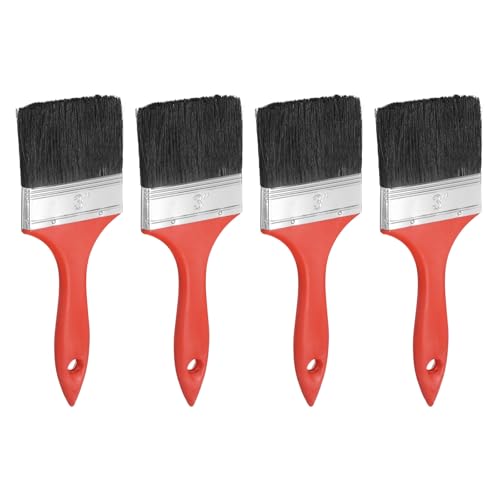
How to Store Paint Brushes Overnight (Fridge Method)
Wrap a wet paintbrush in plastic wrap and refrigerate it to keep the paint workable overnight — but use the fridge, not the freezer, since freezing makes latex paint stringy and clumpy when it thaws. Skipping this step means a stiff, ruined brush by morning. This guide covers short-term storage between coats, cleaning brushes properly, and reviving a brush that already dried out.
Quick Answer
For a few hours: wrap the brush tightly in plastic wrap or a sealed bag at room temperature. Overnight: wrap it wet and refrigerate (never freeze). For several days: clean it fully and let it air dry. If it already dried out, soak it — warm soapy water for latex paint, mineral spirits for oil-based paint — before writing it off.
How To Keep A Paintbrush Fresh Between Coats
For a break of a few hours, wrap the entire brush head tightly in plastic wrap or seal it in a sandwich bag at room temperature — cutting off airflow is what actually slows drying, not cold air. Push out as much air as you can before sealing, since trapped air lets paint skin over even inside the wrap.
For overnight or up to a day, wrap the wet brush in a damp towel, seal it in a plastic bag or plastic wrap, and put it in the refrigerator. The cold slows evaporation further than room temperature alone. Use the fridge, not the freezer — freezing water-based paint changes its texture, leaving it stringy and clumpy once it thaws, and the cold can also stiffen natural bristles. Let a refrigerated brush sit at room temperature for 15–20 minutes before painting again so the paint flows normally.
📊 A brush wrapped airtight at room temperature (no fridge needed) commonly stays paintable for 3–5 days before the paint starts to skin over, according to painter-submitted results published in a professional builder trade magazine. Source: Fine Homebuilding, “Keep a Paintbrush from Drying Out Between Coats”
“Cut a small wedge from the corner of a plastic sandwich bag, insert the wet brush handle-first so the bristles don’t touch the seal strip, then pull the handle down until the brush tucks neatly into the corner. Wrapped this way, the brush stays fresh for days.” — painter’s tip published in Fine Homebuilding
Cleaning A Paintbrush Properly
For water-based (latex) paint, rinse the brush under running water, working the bristles with your fingers until the water runs clear. For oil-based paint, swirl the brush in mineral spirits or paint thinner until the color stops releasing, then wash with dish soap and water to strip the solvent film. Either way, comb the bristles afterward to remove trapped paint at the base near the ferrule and reshape the brush before it dries.
Once clean, shake out excess water, reshape the bristles by hand, and either hang the brush or lay it flat to dry. Avoid standing a wet brush upright on its bristles or storing it head-down in a jar — water that seeps into the ferrule loosens the glue holding the bristles over time.

Best Paint Brush Comb Pick
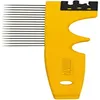
Allway BC5 5-in-1 Painter’s Tool – $4.57
The comb this guide recommends for working trapped paint out of the bristles near the ferrule and reshaping the brush head before it dries.
- Best for: everyday cleanup after both latex and oil-based paint
- Why we picked it: combines a comb, scraper, and roller cleaner in one cheap tool
- Main drawback: plastic body is less durable than a steel comb under heavy daily use
Compare more brush care options
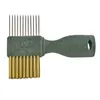 Option 1 Wooster Painters Brush Comb – $11.90
|
 Option 2 Purdy Brush Comb, Steel – $9.98
|
 Option 3 PinStone 8-in-1 Comb & Roller Cleaner – $11.99
|
As an Amazon Associate we earn from qualifying purchases.
How To Revive A Dried-Out Paintbrush
A brush with hardened paint isn’t automatically ruined. Match the soak to the paint type, since the wrong solvent wastes time without softening anything.
- Identify the paint type: latex/water-based paint softens in water; oil-based paint needs a solvent.
- For latex paint: soak the bristles in warm water with a little dish soap for 12–24 hours, or in a 1:1 vinegar-and-water mix for 1–2 hours for lighter buildup.
- For oil-based paint: soak the bristles in mineral spirits or paint thinner for about 24 hours, then wash with dish soap and water to remove the solvent.
- Work the bristles: after soaking, comb through the bristles from base to tip to break up loosened paint, adding more warm soapy water as needed.
- Rinse and reshape: rinse until the water runs clear, squeeze out excess water, reshape the bristles by hand, and lay the brush flat to dry.
A mild hair conditioner or a little coconut or olive oil worked into stubbornly hardened bristles before soaking can help loosen old paint that soap and water alone won’t budge. This video walks through the full cleaning and reconditioning process:
Long-Term Paintbrush And Roller Storage
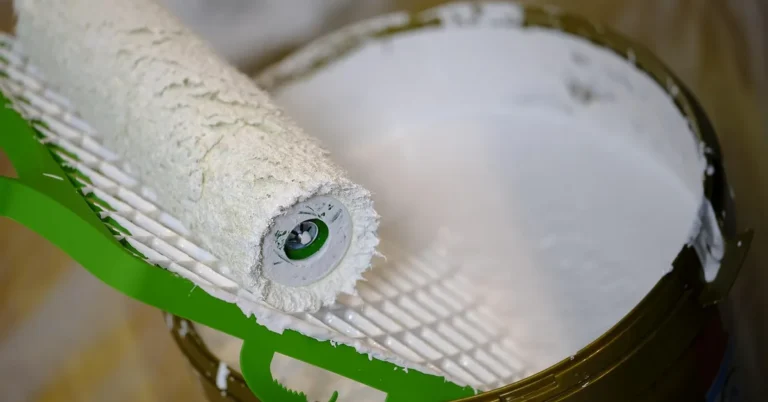
For storage beyond a few days, clean the brush or roller completely rather than relying on wrapping. Wash a roller cover with water and mild soap, squeeze out excess moisture, and let it dry fully — a roller stored even slightly damp will mildew inside the nap. Once dry, wrap the brush or roller in plastic to keep dust off, and store it flat or upright in its original sleeve if you kept it, since a bare roller cover left standing on its end develops a flat spot.
Expert Tips For Buying And Maintaining Brushes
Browse more painting tools and equipment guides if you’re building out a full painting kit. Clean every brush after each use, store it in a cool, dry place away from direct sunlight, and inspect the bristles periodically for splaying or shedding. If your work regularly involves a specific paint type or surface, a dedicated brush for that job — such as a brush suited for wood stain or one sized for trim and skirting boards — outlasts a single all-purpose brush used for everything. See our full walkthrough on cleaning polyurethane out of a brush if that’s the finish you’re working with, since it needs a different solvent than latex or standard oil paint.

| Tip | Recommendation |
|---|---|
| Quality over quantity | A few well-maintained, high-quality brushes outlast a drawer full of cheap ones. |
| Maintain your brushes | Clean after every use and store dry — this matters more than brush price. |
| Match the tool to the paint | Latex, oil-based, and polyurethane finishes each clean up differently — check before you soak. |
Frequently Asked Questions
Can I Save My Paint Brush?
Yes. For a short break, wrap the brush head tightly in plastic wrap at room temperature. For overnight, wrap it wet and refrigerate — not freeze — it. Even a fully dried brush can often be revived by soaking it in warm soapy water (latex paint) or mineral spirits (oil-based paint).
What Do I Do With My Paint Brush Between Coats?
Wrap it tightly in plastic wrap or seal it in a plastic bag, pushing out excess air, and leave it at room temperature. This keeps it workable for the next coat without needing the fridge for anything under a few hours.
How To Keep Paintbrush From Drying Out Overnight?
Wrap the wet brush in a damp towel, seal it in a plastic bag or plastic wrap, and store it in the refrigerator overnight. Let it sit at room temperature for 15–20 minutes before painting again so the paint flows normally.
Can You Put A Paintbrush In The Freezer Instead Of The Fridge?
No. Freezing water-based paint changes its texture, leaving it stringy and clumpy once it thaws, and the extreme cold can stiffen natural bristles. Use the refrigerator, not the freezer, for any storage longer than a few hours.
How Do You Save Ruined Paint Brushes?
Soak hardened bristles in warm soapy water for 12–24 hours if the paint is latex, or in mineral spirits for about 24 hours if it’s oil-based. Comb the bristles afterward to work out the loosened paint, then rinse, reshape, and lay the brush flat to dry. Not every dried brush is beyond saving.
Conclusion
Match the storage method to how long you’re pausing: room-temperature wrap for a few hours, a refrigerated wrap for overnight, and a full cleaning for anything longer. Never use the freezer. If a brush already dried out, a proper soak — water and soap for latex, mineral spirits for oil-based paint — saves more brushes than people expect before you write one off as trash.
Sponsored / affiliate links. As an Amazon Associate I earn from qualifying purchases. I may earn additional commission from eligible campaigns.