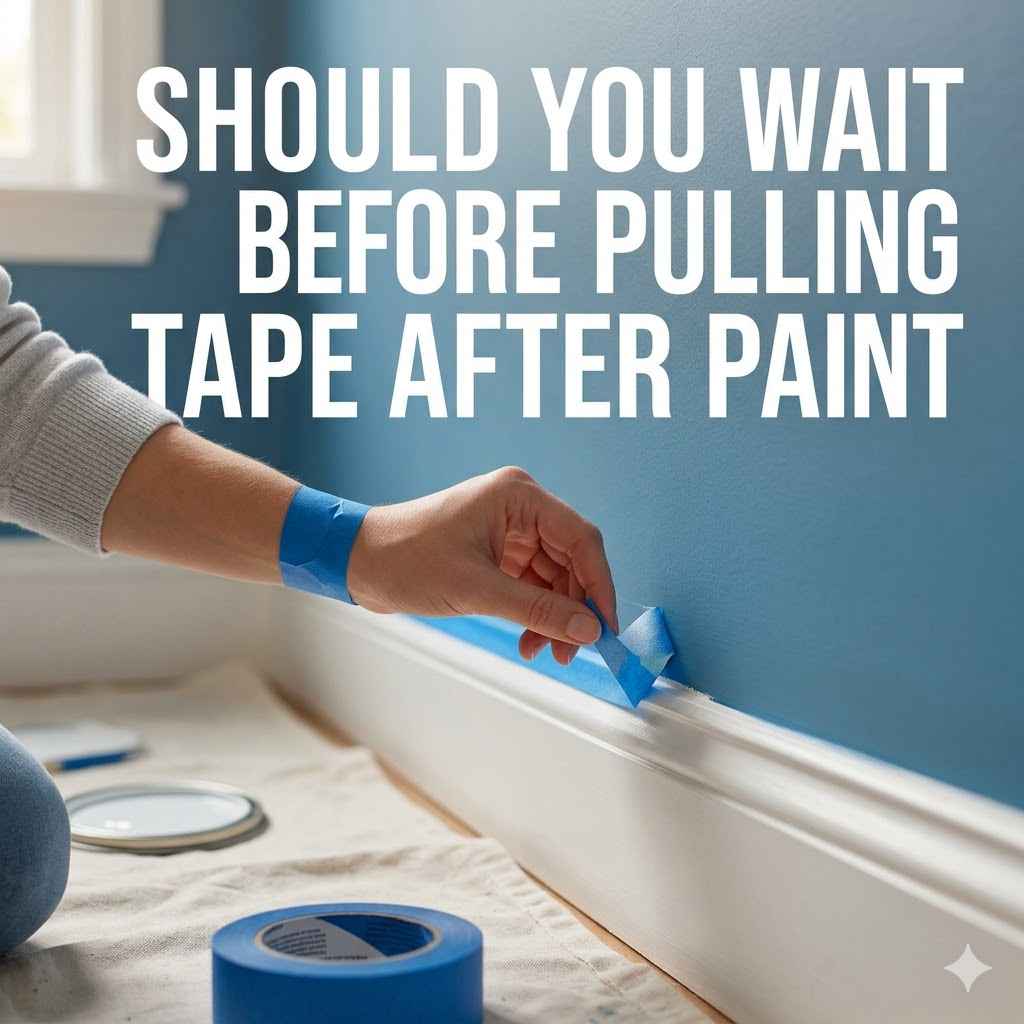
Should You Wait Before Pulling Tape After Paint
When you paint a room, a common question pops up for many people, especially those just starting out. It’s about when to pull off the painter’s tape. Get it wrong, and you might end up with jagged lines or peeled-off paint.
It can feel a bit tricky to figure out the perfect timing. But don’t worry! We’re going to walk through this step-by-step so you can get clean, crisp edges every time.
Let’s learn the simple way to know exactly when it’s time to pull that tape.
When To Pull Painter’s Tape
This section is all about the key timing for removing painter’s tape. Getting this right means your paint lines will look super sharp, and you won’t accidentally mess up your fresh paint job. We’ll look at why the timing matters so much and what signs to watch for that tell you it’s the perfect moment to act.
Understanding Paint Drying Stages
Paint doesn’t just go from wet to fully dry in one go. It moves through different stages, and knowing these helps a lot. The first stage is when the paint is still wet and sticky. If you pull the tape then, you’ll likely smear the paint and get messy lines. It’s like trying to peel a sticker off something really gooey.
The next stage is when the paint is “tacky” but not sticking to your finger. This is often the sweet spot for removing tape. It has enough body to not run, but it’s not so hard that it’s bonded to the tape.
Finally, there’s the fully dry stage. If you wait too long, the paint can actually bond with the tape. Then, when you pull the tape, it can lift the paint off the wall, leaving behind rough, uneven edges. This is the scenario everyone wants to avoid.
Wet vs. Tacky vs. Dry Paint
Paint is a mixture of pigments, binders, and solvents. When you apply it, the solvents (like water or mineral spirits) start to evaporate. This evaporation is what causes the paint to dry.
- Wet paint: This is the initial state where the solvents are still actively evaporating. The paint feels very soft and easily smudges. If you touch it, it will stick to your finger. Pulling tape at this stage is a recipe for disaster, as the paint will stick to the tape and lift off the wall, creating a messy, uneven line. You’ll see paint transfer onto the tape itself.
- Tacky paint: As more solvents evaporate, the paint becomes tacky. It feels slightly sticky to the touch but doesn’t transfer heavily to your finger. This is often the ideal window for removing painter’s tape. The paint is firm enough not to run or smudge, but it hasn’t fully bonded with the tape yet. This allows for a clean break between the paint and the tape.
- Dry paint: In this stage, most of the solvents have evaporated, and the binder has formed a solid film. The paint feels hard and smooth. If the paint is fully dry, it may have bonded with the tape. Pulling the tape now can cause the paint to peel away from the surface, creating jagged edges or removing paint from the wall itself.
Signs It’s Time To Remove Tape
You don’t need special tools to know when to pull the tape. Your own senses are the best guides. Look at the paint. Does it still look shiny and wet, or has it started to lose that sheen? Gently touch an edge where the tape meets the paint. Does it feel sticky like glue, or does it resist coming off on your finger?
The key is to find that “tacky” stage. It’s a feeling more than a specific time. Think of it like frosting a cake. You want to put on sprinkles when the frosting is set but not hard. For paint, you want to pull the tape when the paint is set but not fully cured.
Visual Cues
The appearance of the paint is your first clue. Wet paint usually has a uniform sheen and might look a bit darker. As it starts to dry, you’ll notice the sheen lessen.
It begins to look more matte or satin, depending on the finish of your paint.
- Loss of Sheen: A visible sign that paint is drying is the reduction in its shine. If you painted a glossy finish, it will noticeably dull down. For matte or eggshell finishes, the change might be more subtle, but you can often see an unevenness in the shine as it dries.
- Paint No Longer Reflecting Light Uniformly: When paint is wet, it reflects light quite uniformly, making the surface look smooth and continuous. As it begins to dry, you might see subtle changes in how light bounces off the painted surface, indicating that the paint is solidifying.
- Surface Appearance: Wet paint might look slightly darker than dry paint. Also, look for any slight “lifting” or bubbling along the tape edge, which can be an early sign it’s ready. However, this is rare if the tape was applied correctly.
Tactile Cues
Touch is the most reliable way to gauge the paint’s readiness. Be gentle. Use the back of your fingernail or a clean fingertip.
- The “Sticky Finger” Test: The most common test is to gently touch an inconspicuous area near the tape edge. If paint comes off on your finger and feels very wet and gooey, it’s too soon. If it feels tacky, like a mild adhesive, it’s likely ready. If no paint comes off and it feels firm, it might be too late.
- Checking for Smudges: When you touch the paint, you want to avoid leaving a noticeable smudge or indentation. A slight tackiness is okay, but if your finger drags a line of paint, give it more time.
- Tape Edge Feel: You can also feel the edge of the tape itself where it meets the paint. If the paint is still very soft, you might feel a slight “give” or the tape feels like it’s adhering very strongly to wet paint. When it’s tacky, the tape will feel more like it’s sitting on a firm surface.
Factors Influencing Drying Time
Many things can make paint dry faster or slower. It’s not always a set amount of time.
Temperature
Warmer temperatures usually speed up drying because the solvents evaporate more quickly. Colder temperatures slow down evaporation, making the paint take longer to dry.
- Ideal Temperature Range: Most paints dry best in temperatures between 60-80°F (15-27°C).
- Cold Conditions: When temperatures drop below 50°F (10°C), paint drying can slow down significantly. In very cold conditions, the paint might not dry properly at all, leading to issues like cracking or poor adhesion.
- Hot Conditions: Extremely hot conditions can also be problematic. The paint can dry too quickly on the surface, creating lap marks or making it difficult to get a smooth finish. The edges might dry before the center is even applied.
Humidity
High humidity makes it harder for water-based paints to dry because there’s already a lot of moisture in the air. Low humidity helps water evaporate faster.
- High Humidity Impact: In humid environments, especially with latex or water-based paints, drying times can extend considerably. The water in the paint has a harder time escaping into the air.
- Low Humidity Impact: Very dry conditions can cause paint to dry too quickly, as discussed with high temperatures. This can make it harder to achieve a smooth, even coat.
- Ventilation: Good airflow helps remove the evaporated solvents from the air around the paint, speeding up the drying process. Stale air trapped around the painted surface will slow things down.
Paint Type and Thickness
Different types of paint dry at different rates. Thicker coats also take longer to dry than thin ones.
- Latex vs. Oil-Based: Latex or acrylic paints (water-based) generally dry faster than oil-based paints. Water evaporates more quickly than mineral spirits or other solvents in oil-based paints.
- Coats of Paint: A single, thin coat will dry much faster than multiple thick coats applied one after another without adequate drying time in between.
- Paint Formulation: Some paints are formulated for faster drying or curing times. Higher quality paints might also have different drying properties than cheaper alternatives.
How To Pull Tape For A Clean Line
So, you know when to pull. But how you pull the tape matters too! Doing it the right way prevents paint from getting under the tape and makes sure the line is super sharp.
The Correct Technique
When you’re ready to pull the tape, do it slowly and at an angle. Imagine you’re peeling a sticker off glass – a steady, deliberate motion works best.
Angle of Removal
Always try to pull the tape away from the painted edge. This means you’ll be pulling it at a 45-degree angle. This angle helps to create a clean break.
- 45-Degree Angle Explained: Pulling at a 45-degree angle is key. It creates a slight tension that helps the tape peel away cleanly from the paint edge. If you pull straight up, you risk lifting the paint.
- Direction Matters: Pull the tape in the direction that moves it away from the freshly painted surface. If you painted an edge of a wall, you’d pull the tape away from that freshly painted area.
- Consistent Speed: Try to maintain a consistent, slow speed. Jerky movements can cause the tape to tear or pull paint unevenly.
Speed and Pressure
Go slow. Really slow. There’s no rush here. The slower you pull, the cleaner the line will be. Don’t yank it off. Also, be gentle with the pressure. You don’t want to press down hard on the tape once the paint is nearly dry, as this can embed the tape into the paint.
- Slow and Steady Wins the Race: This saying is very true for tape removal. Rushing the process is the most common mistake that leads to ragged lines. Patience here pays off with professional-looking results.
- Gentle but Firm: Apply enough pressure to hold the tape while you pull, but not so much that you risk pressing dried paint into the tape’s adhesive. The goal is to lift the tape smoothly off the surface.
- Avoiding Snags: If the tape feels like it’s snagging or the paint is sticking to it, stop. Assess if you need to score the edge lightly with a utility knife (very carefully!) or if you just need to slow down even more.
Dealing with Potential Problems
Sometimes, even with the best intentions, things don’t go perfectly. Here’s how to fix common issues.
Paint Bleed Under Tape
This happens when paint seeps under the edge of the tape. It’s often due to poor tape adhesion or not pressing the tape down firmly enough at the start.
- Prevention: Always press down the edge of the tape firmly. Using a putty knife or a credit card can help create a good seal. Ensure the surface is clean and dry before taping.
- Correction: If you catch it immediately after pulling the tape, you might be able to gently scrape away the excess paint with a utility knife or craft knife. Be very careful not to scratch the wall.
- Touch-Up: For minor bleeds, a small artist’s brush can be used to carefully touch up the line after the paint has dried.
Paint Lifting With Tape
This is what happens when you wait too long, or the tape’s adhesive is too strong for the paint. The paint bonds with the tape, and pulling the tape pulls the paint off the wall.
- Prevention: The best way to prevent this is to remove the tape when the paint is still in the tacky stage, as discussed earlier. Using high-quality painter’s tape designed for the surface you’re painting also helps.
- Correction: If this happens, you’ll need to let the lifted paint dry completely. Then, carefully sand down the rough edges. After cleaning the area, reapply painter’s tape (making sure it adheres well to the dry, previously painted surface) and repaint the line.
- Scoring the Edge: In some cases, before pulling the tape, you can use a sharp utility knife to lightly score along the edge where the tape meets the paint. This scores through the dry paint layer, creating a separation line. Be extremely careful not to cut into the wall itself.
Ragged Edges
This is the result of paint that has dried too much with the tape on, or the tape was pulled too quickly or unevenly.
- Prevention: Removing tape at the right time (tacky stage) and pulling slowly and at an angle are the best preventatives.
- Correction: After the paint is fully dry, you can try to gently sand down the rough edges with fine-grit sandpaper. Then, carefully touch up the line with a small brush.
- Using a Trim Brush: A small, high-quality trim brush can help you redraw a crisp line over the sanded and touched-up area. The fine bristles allow for precision.
When Should You Wait Before Pulling Tape After Paint?
This question really boils down to one main thing: the paint’s drying stage. You want to pull the tape when the paint is no longer wet but hasn’t fully hardened and bonded with the tape.
The Sweet Spot
The ideal time is when the paint is in its “tacky” phase. This is when it feels slightly sticky to the touch but doesn’t come off on your finger in a wet smear.
- Definition of Tacky: Think of it like very mild glue. It has just enough grip to hold its shape but isn’t so wet that it’s liquid or easily transferable.
- Why This Time Works Best: In this stage, the paint has enough structural integrity to not run or smudge when the tape is removed. However, it hasn’t yet formed a strong bond with the tape’s adhesive, allowing for a clean separation.
- Sensory Checks: Rely on your senses. A visual check for lost sheen and a gentle touch test are your best indicators. If it feels slightly resistant to your finger without smearing, it’s probably ready.
Avoiding The Extremes
It’s important to avoid pulling the tape when the paint is still very wet, and also to avoid waiting until it’s bone dry.
- Risks of Pulling Too Early: If you pull while the paint is wet, you will almost certainly drag the paint. This leads to messy, smudged lines and can even pull paint off the underlying surface. It’s the most common cause of ruined paint lines.
- Risks of Pulling Too Late: Waiting until the paint is completely dry can cause the paint to adhere strongly to the tape. When you pull the tape, it can lift the paint off the wall or create jagged, torn edges because the paint has hardened onto the tape.
- The “In-Between” Moment: Finding that window between wet and fully dry is the goal. This is a balance that depends on the paint, temperature, and humidity. It might take a little practice to get a feel for it.
Example Scenario
Imagine you’ve just finished painting the trim around a door. You used painter’s tape to protect the door and the wall. The paint on the trim is a beautiful dark blue.
Scenario 1: Pulling Too Soon
You’re eager to see the results and pull the tape about 30 minutes after painting. The blue paint is still very wet and shiny. As you pull the tape, the wet paint smears all along the edge of the door frame and onto the wall.
You have blue streaks everywhere. You’ll need to clean this up and probably retape and repaint the trim.
Scenario 2: Waiting Too Long
You’re busy and decide to wait until the next day to pull the tape. The blue paint is completely dry. When you pull the tape, it rips off a chunk of dried blue paint with it, leaving a rough, uneven edge.
The tape’s adhesive has created a strong bond with the dried paint. You’ll have to sand the edges, touch up, and carefully reapply tape to fix it.
Scenario 3: The Right Time
You painted the trim, and after about an hour, you gently touch an edge. The blue paint feels tacky. It resists your finger slightly but doesn’t stick or smear.
You carefully pull the tape at a 45-degree angle, slowly and steadily. The tape comes away cleanly, leaving a perfectly sharp, crisp blue line between the trim and the door and wall. This is the desired outcome.
Frequently Asked Questions
Question: How long does painter’s tape typically stay on before removing
Answer: It is best to remove painter’s tape while the paint is still slightly tacky, which is usually between 30 minutes to a couple of hours after painting, depending on the paint and environmental conditions.
Question: What happens if I leave painter’s tape on too long
Answer: Leaving painter’s tape on too long can cause the paint to bond with the tape. When you remove it, the tape can peel off the paint, creating jagged edges or damaging your paint job.
Question: Can I use a hair dryer to speed up drying before removing tape
Answer: You can use a hair dryer on a low, cool setting to gently speed up the drying process, but be cautious not to overheat the paint, which can cause bubbling or premature skinning.
Question: Should I use a knife to score the paint before removing tape
Answer: Scoring the paint edge with a utility knife can help create a clean separation, especially if the paint is very dry. However, do this very carefully to avoid cutting into the wall or underlying surface.
Question: What is the best type of tape to use for clean lines
Answer: High-quality painter’s tape designed for smooth or lightly textured surfaces generally provides the best results for clean lines. Look for brands known for their sharp-edge technology.
Summary
Understanding Should You Wait Before Pulling Tape After Paint? is key to a professional finish. The ideal time is when the paint is tacky, not wet or fully dry. This balance allows for a clean edge without smudging or lifting. Be patient, use your senses, and remove the tape slowly at an angle. You’ll achieve crisp lines every time.