Single Bevel Vs Dual Bevel: Which is Best for You?
Choosing the right tools can make or break your project. When it comes to saws, understanding the difference between single bevel and dual bevel can save you time, money, and frustration.
Imagine cutting through wood like butter, making precise angles without a hitch. That’s what the right choice can do for you. But how do you decide? What’s the real difference, and how does it affect your work? You’re about to discover the answers to these questions.
Dive into the world of bevels, and unlock the secrets that seasoned professionals swear by. Your next project could be smoother than you ever thought possible. Read on and find the clarity you need to make the best choice for your workbench.
Credit: sawsonskates.com
Understanding Bevels
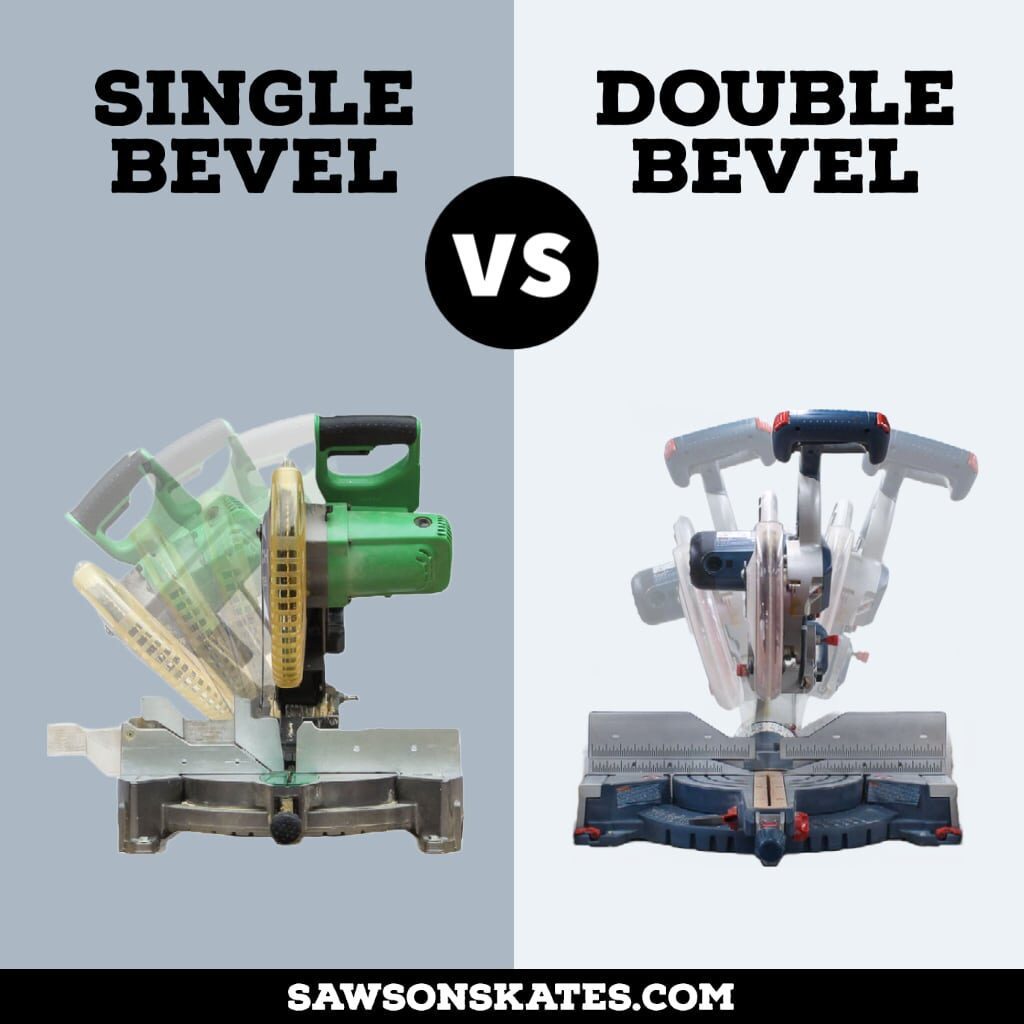
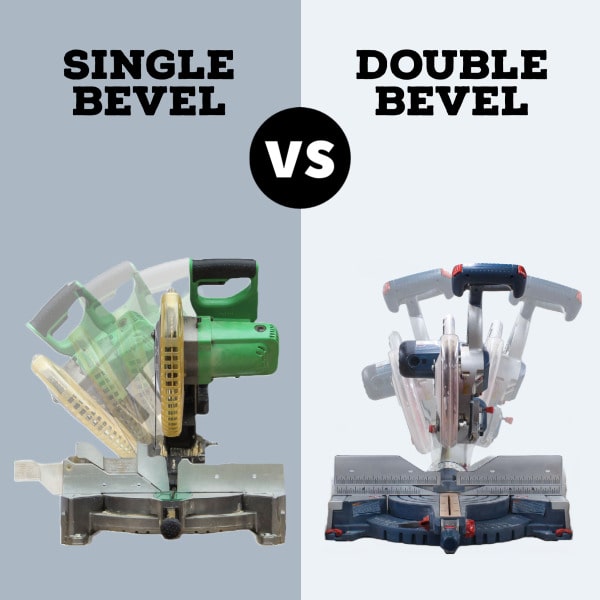
Single bevel means the blade is angled on one side. It makes straight cuts easily. The other side stays flat. This type is simple and easy to use. Great for beginners. It is ideal for basic tasks. People use it for woodworking and other simple jobs.
Dual bevel blades are angled on both sides. They allow more flexibility. Useful for complex angles. People choose it for precision work. It is perfect for advanced projects. Dual bevel tools help in detailed designs. They are popular among professionals.
Key Differences
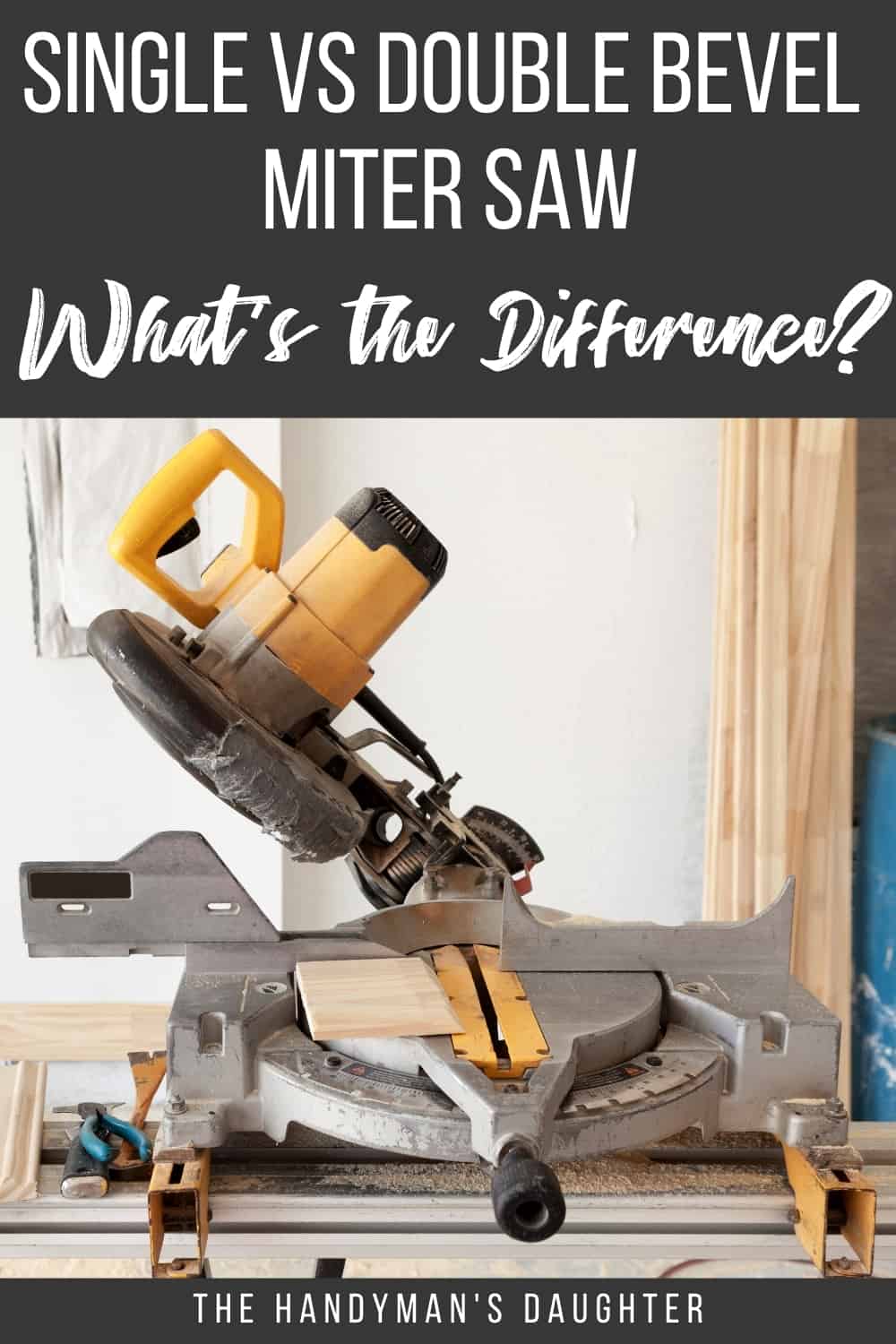
Single bevel sawstilt in one direction. They cut angles in that direction only. This limits some cutting tasks. Dual bevel sawstilt both ways. They cut angles in both directions. This makes them more flexible. They handle complex cuts better. Complex projects need dual bevel saws. Single bevel is good for basic jobs. Choosing the right saw depends on your needs.
Dual bevel sawssave time. They reduce the need to flip wood. This speeds up work. It also improves accuracy. Single bevel sawsneed more adjustments. This takes more time. Dual bevel is faster for big projects. Single bevel is fine for small tasks. Both types have their uses. Choose based on your project’s size and needs.
Pros And Cons
Single bevel saws are easier to use. They are great for beginners. These saws are often more affordablethan dual bevel saws. They are perfect for simple cuts. Good for small projects at home.
Single bevel saws can be limiting. They need more time for complex cuts. You must flip wood for angle cutson the other side. This can lead to errors.
Dual bevel saws offer flexibility. They make cutting angles easy. No need to flip the wood. This saves time. Perfect for big projects. More preciseand efficient.
Dual bevel saws can be costly. They are often heavier. Not always the best for small, quick tasks. They might feel complexfor beginners.
Ideal Applications
Single bevel saws work well for simple tasks. They are great for basic cuts. Handy for small projects at home. They are good for beginners. Easy to use and less confusing. Single bevel saws can handle straightforward angles. Perfect for DIY tasks. They are often more affordable. A good pick for budget-friendly users. They can be used in tight spaces. Compact designs make them easy to store. Good for minor repair jobs too.
Dual bevel saws are suited for advanced tasks. They make precise cuts from both sides. Ideal for complex projects. Professionals often use them. They save time with quick adjustments. Dual bevels are great for intricate designs. Useful for detailed woodwork. They work well with big pieces. Perfect for heavy-duty jobs. Dual bevel saws offer more flexibility. Versatile for various angles. They fit well in workshops. A reliable choice for expert craftsmen.
Budget Considerations
Single bevel sawsusually cost less. They are simpler tools. These saws fit tight budgets. Many people pick them for this reason. Dual bevel sawsare more expensive. They have more features. These saws can tilt both ways. More features mean more money.
Single bevel saws offer good value for money. They handle most jobs well. Dual bevel saws give more ease. They save time on big projects. Spending more gives more features. Think about your needs first. This helps in making a smart choice.
Credit: www.thehandymansdaughter.com
User Preferences
Beginnersmight find single bevel tools easier. They are simple to use. Less complex adjustments are needed. Professionalsoften prefer dual bevel tools. These allow for more angles. More flexibility for complex cuts. It enhances their work.
Single bevel is good for basic tasks. Dual bevel suits advanced projects. Skill levelaffects tool choice. Easy tools for new learners. Advanced tools for experts.
Final Thoughts
Single bevelsaws tilt in one direction. They are simple to use. Dual bevelsaws tilt both directions. They offer more flexibility. Choose based on project needs. For small tasks, single bevel is fine. For complex angles, dual bevel is better. Consider your budget. Dual bevels can be pricier. Think about storage space. Dual bevels are often larger. Safety is key. Both types need careful handling.
Making The Right Choice
Many factors affect your choice. Think about the type of projects. Single bevels suit simpler tasks. Dual bevels fit detailed work. Check your budget. Single bevels cost less. Dual bevels offer more features. Consider ease of use. Single bevels are straightforward. Dual bevels need more skill. Look at space. Dual bevels take more room. Consider experience level. Beginners might prefer single bevels.
Future Trends In Bevel Technology
New technologies are emerging. Smart saws are being developed. They can adjust angles automatically. Laser guides offer precision. They show exact cut lines. Battery-powered saws are gaining popularity. They allow cordless use. Advanced safety features are in demand. They prevent accidents. Eco-friendly designs are becoming important. They reduce energy use. Lightweight materials are being used. They make saws easier to handle. Keep an eye on these trends.

Credit: dreamofjapan.com
Frequently Asked Questions
What Is A Single Bevel Saw?
A single bevel saw tilts in one direction, typically to the left. This design is ideal for simple cuts and angles. Single bevel saws are often more affordable and easier to use for beginners. They are great for tasks that don’t require complex cuts.
How Does A Dual Bevel Saw Work?
A dual bevel saw can tilt both left and right, offering more flexibility. This feature simplifies cutting complex angles and making precise mirror cuts. Dual bevel saws are perfect for professionals and advanced DIY enthusiasts needing versatility in their work.
Which Saw Is Better For Beginners?
For beginners, a single bevel saw is often better. It is simpler to operate and less expensive. This type of saw is sufficient for basic projects and straightforward cuts. It helps new users focus on mastering techniques without overwhelming complexity.
Are Dual Bevel Saws More Expensive?
Yes, dual bevel saws are generally more expensive than single bevel saws. Their advanced features and versatility contribute to the higher cost. This investment can be worthwhile for those frequently working with intricate cuts and needing improved efficiency.
Conclusion
Choosing between single bevel and dual bevel matters for your projects. Single bevel offers simplicity. It’s straightforward and easy to use. Dual bevel gives versatility. You can make complex cuts with ease. Each type has its benefits. Consider your needs and skill level.
Think about your budget too. Both saws have their place in woodworking. The right choice depends on your goals. Single bevel suits basic tasks. Dual bevel excels in advanced projects. Understand your requirements before deciding. A good decision helps achieve better results.
Happy woodworking!