Spackling Vs Wood Filler: Master Your Home Repairs
When you’re tackling a home improvement project, you want everything to look perfect. But when it comes to filling holes or cracks in wood surfaces, the choice between spackling and wood filler can be confusing.
You might wonder which product is right for your specific needs. Will spackling work for your wooden table? Or should you opt for wood filler on your window frames? Understanding the differences is crucial to achieving that flawless finish you desire.
By the end of this article, you’ll have clear insights, making your decision easier and ensuring your project not only looks great but lasts longer too. Let’s dive into the details that could save you time and money, and give you the satisfaction of a job well done.

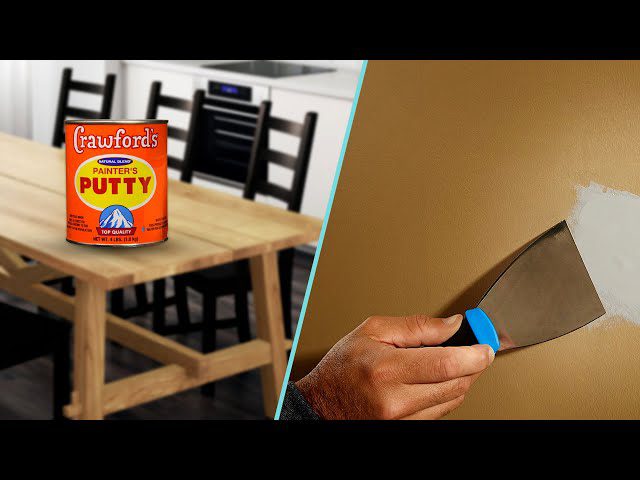
Credit: www.youtube.com
Spackling Basics
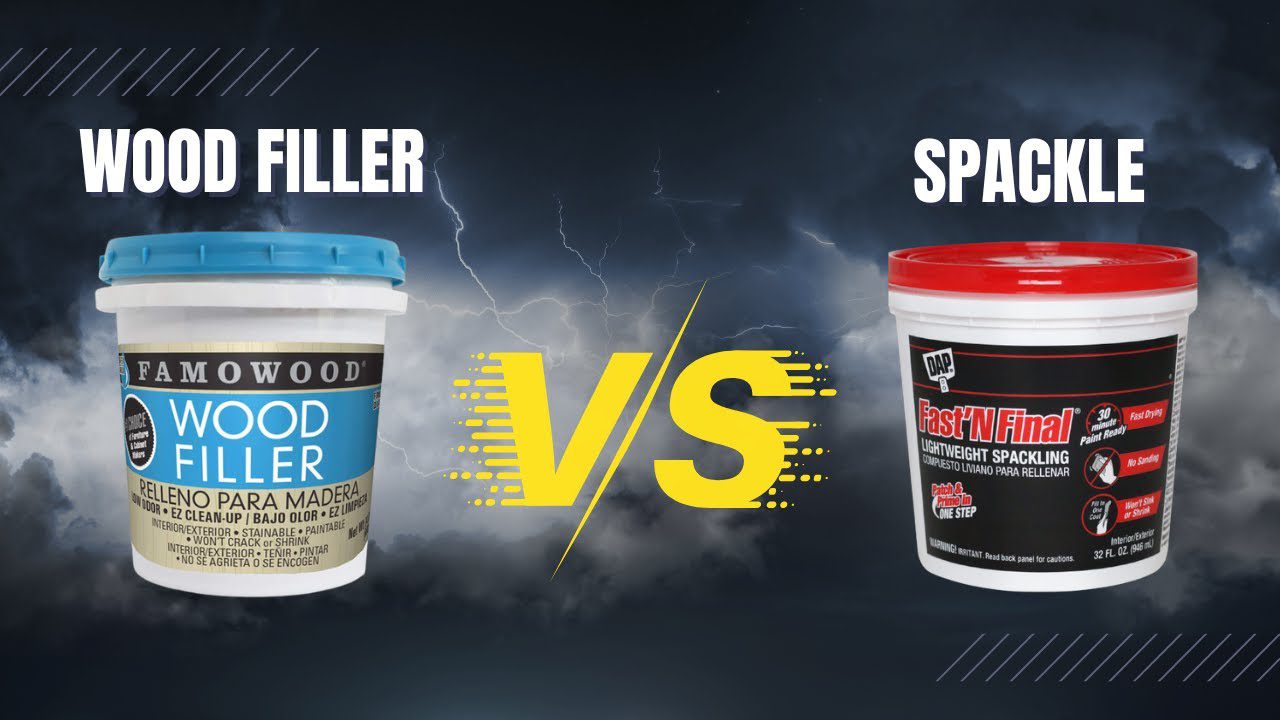
Choosing between spackling and wood filler depends on the repair task. Spackling works well for drywall holes. Wood filler is ideal for gaps in wooden surfaces. Each serves a unique purpose in home improvement projects.
Composition And Use
Spackling is a paste for walls. It fills holes and cracks. Made from gypsum and glue, it dries quickly. Easy to sand and paint over. Spackling is perfect for small repairs. It hides wall damage well.
Ideal Surfaces
Great for plaster and drywall. Not for wood surfaces. Spackling is smooth for even walls. It works best on inside walls. Use it before painting. Avoid using it on damp areas. It sticks well to clean walls.
Wood Filler Essentials
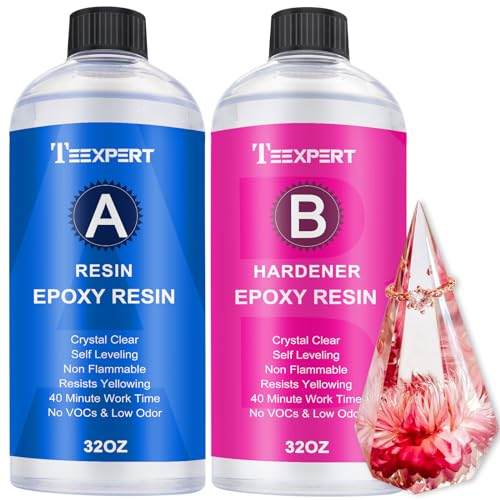
Wood fillers come in different types. Some are water-based, while others are solvent-based. Water-based fillers are easy to clean. They dry quickly and are good for small fixes. Solvent-based fillers are tougher. They work well for bigger holes and outdoor use. There are also epoxy wood fillers. These are very strong. They can hold heavy weight. Choose the right type for your project.
Use wood filler to repair holes and cracksin wood. It’s great for fixing furniture, doors, and walls. It can also smooth outwood surfaces. Fillers can be sanded and painted. This makes them blend well with the wood. Always check the label for the best use. Some fillers are for indoor only. Others can handle rain and sun. Pick the right one for lasting repairs.
Choosing The Right Product
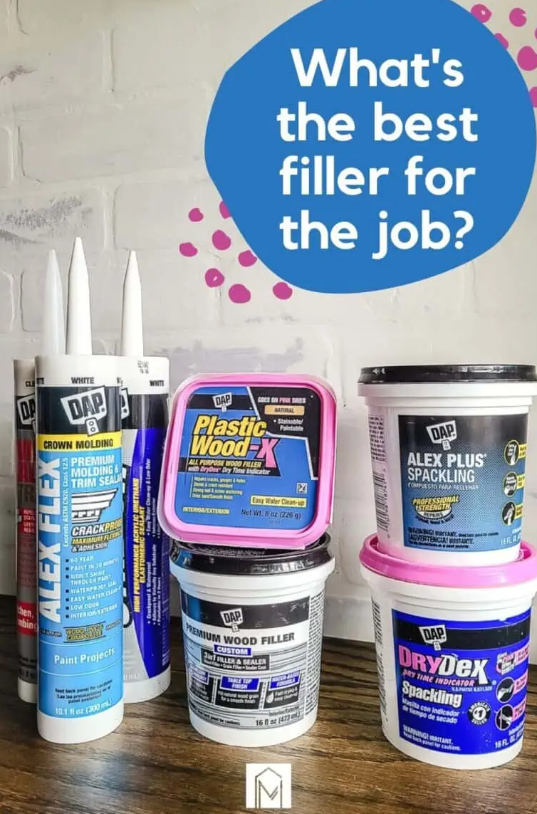
Material compatibilityis very important. Use the right product for each task. Spackling is best for small holes in walls. It dries fast. Easy to sand. Perfect for walls and ceilings. But not for wood.
Wood filleris for wooden surfaces. It fills dents and cracks. Also, it can be sanded and painted. Gives a smooth finish. Ideal for furniture and wooden floors. Different materials need different products. Choose wisely for the best results.
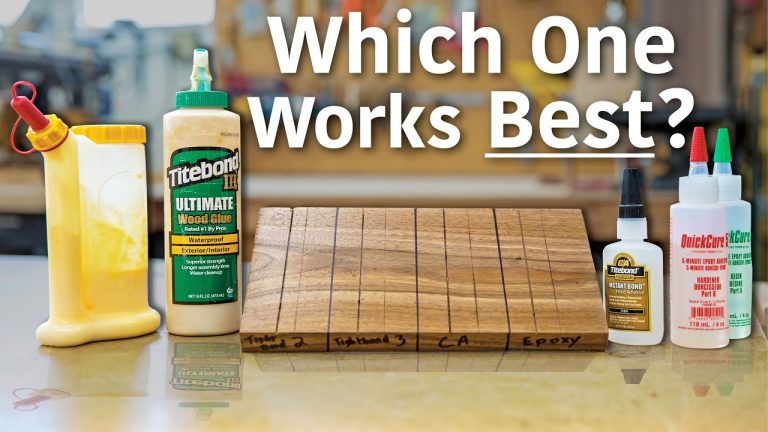
Credit: www.dap.com
Application Techniques
Using the right tools is important. For spackling, you need a putty knife. A small one will work best. For wood filler, you need a plastic scraper. Sandpaper is needed for both. Choose a fine grit. It makes surfaces smooth.
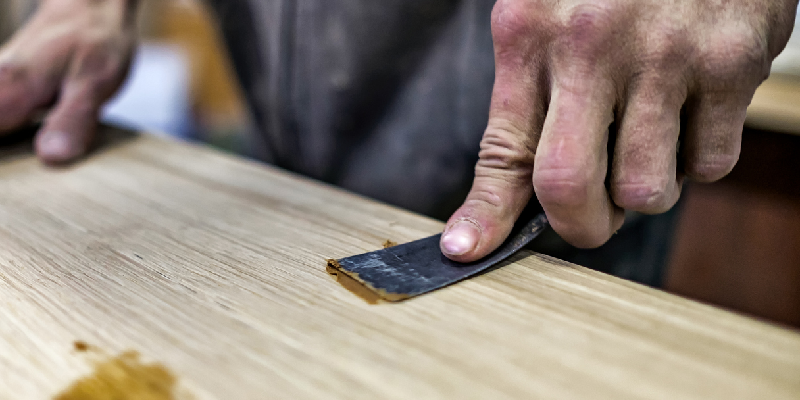
Start by cleaning the area. Remove dust and dirt. Apply spackling with the putty knife. Spread it evenly. Let it dry. Sand the surface until smooth. For wood filler, use the plastic scraper. Fill the hole or crack. Press it in well. Let it dry fully. Then, sand it smooth. Both need patience and care.
Drying And Finishing
Spackling usually dries quickly. It might take just 1 to 5 hours. This depends on the thickness and room temperature. Wood filler takes longer. It often needs 8 hours or more. Humidity affects drying time. High humidity makes drying slow. Low humidity speeds it up.
Sanding is important for a smooth surface. Spackling is easy to sand. It becomes smooth fast. Wood filler is harder. It needs more work to sand. After sanding, painting can begin. Spackling can be painted easily. It holds paint well. Wood filler also holds paint. But sometimes, it needs a primer first.
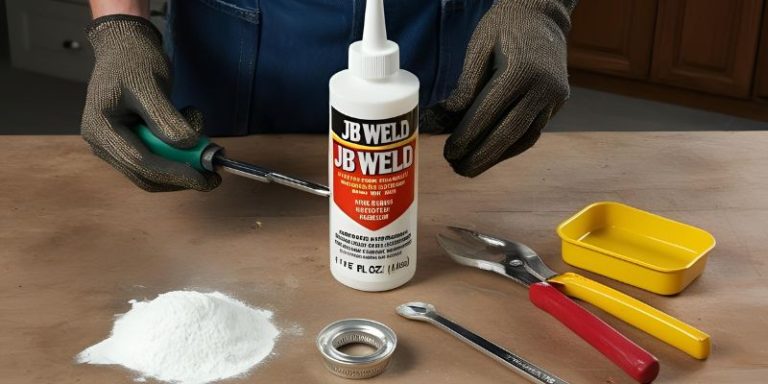
Credit: www.cncmasters.com
Common Mistakes To Avoid
Overfilling is a frequent mistake. It can lead to messy surfaces. Excess product is hard to sand down. This results in uneven spots. Use only the required amount. Apply a thin layer at first. Add more if needed. Avoid rushing the process. Take your time for best results.
Surface preparation is crucial. Ignoring this step causes poor adhesion. Clean the surface thoroughly. Remove dust and debris. Smooth areas with sandpaper. Ensure the area is dry. Check for any damage. Proper prep leads to smoother finishes. Take the time to prep correctly.
Maintenance And Longevity
Regular checkskeep surfaces smooth and in good shape. Spot cracks or holes early. Small problems are easier to fix. Use your eyes and hands. Feel for rough spots. Look for changes in color or texture. These signs mean a surface needs attention. A quick fix today saves time tomorrow.
Fixing damage fast is important. Start by cleaning the area. Remove dust and dirt. Choose the right product. Spackling is for walls. Wood filler is for wooden items. Apply the product with a small knife. Fill the hole or crack fully. Let it dry completely. Sand the area smooth once it’s dry. Finish with paint or a sealant. Keep your surfaces looking new.
Cost Considerations
Spackling and wood filler can vary in price. Spackling is usually cheaper than wood filler. It is great for small holes or cracks. Wood filler is often pricier but works well for bigger repairs. Both options are available at local hardware stores. Check for sales or discounts.
Cheap products might not last long. High-quality fillers can save money over time. They are more durable and make surfaces look better. Some brands offer warranties for their products. Always read labels and reviews before buying. This helps in choosing the right product.
Frequently Asked Questions
What Is Spackling Used For?
Spackling is primarily used for repairing small holes and dents in walls. It is ideal for drywall and plaster surfaces. Its quick drying properties make it perfect for quick fixes. Spackling is not suitable for large repairs or structural fixes.
Can Wood Filler Be Painted Over?
Yes, wood filler can be painted over once it is dry. It provides a smooth surface for painting. Ensure the filler is sanded for best results. Painting over wood filler helps match the repair to the surrounding area.
Which Is Better For Outdoor Use?
Wood filler is better for outdoor use, especially on wooden surfaces. It withstands weather conditions and provides durability. Spackling is not recommended for exterior applications. It lacks the resilience needed for outdoor environments.
Is Spackling Suitable For Wood Repairs?
Spackling is not ideal for wood repairs. It does not adhere well to wood surfaces. Wood filler is specifically designed for wood repairs, providing a stronger bond. Choose wood filler for fixing cracks or holes in wooden items.
Conclusion
Choosing between spackling and wood filler depends on your project needs. Spackling is perfect for small wall repairs. It dries quickly and is easy to sand. Wood filler works best for fixing damaged wood surfaces. It offers a strong and durable finish.
Consider the material and the size of the repair. This helps you make the right choice. Always follow the instructions on the product label. Proper application ensures the best results. Now you can confidently tackle your home repairs. Happy fixing!